263 techniques
Film techniquesFrom the page to the shot
263 techniques of camera, light, lenses and editing, seen from the writer's desk. Each page shows a short clip, explains what the technique does to a scene, how to suggest it on the page, and how to hand it to your crew in a shot list and a storyboard.
Start with these three
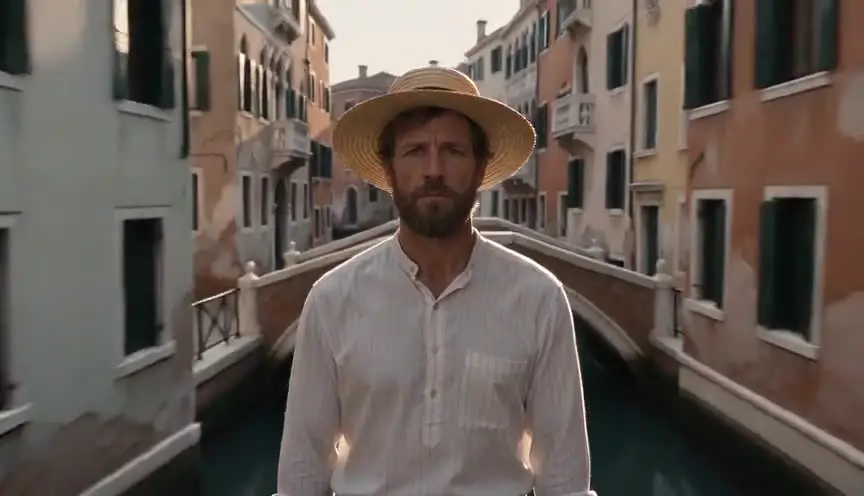
Dolly zoom
A dolly zoom moves the camera toward or away from a subject while the zoom travels the opposite way, so the subject holds its size and the background stretches or collapses. The audience feels the ground give way at the exact moment a character does.
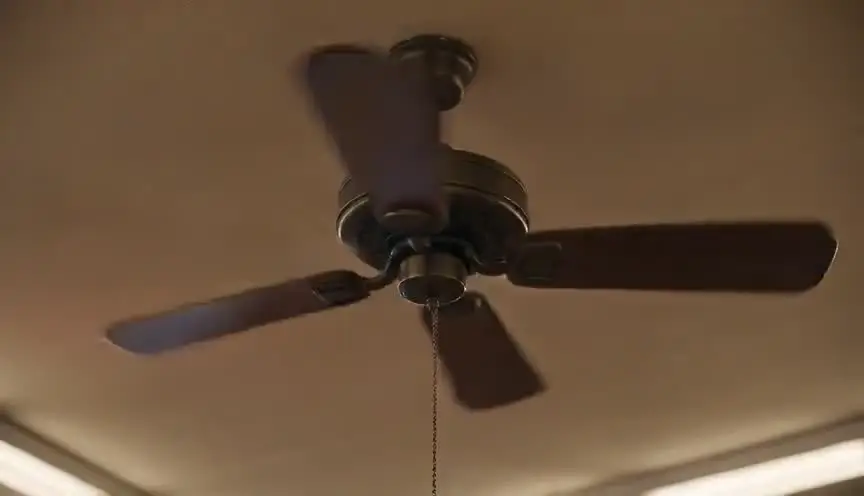
Match cut
A match cut joins two shots that share a shape, a movement or a sound, so the eye carries straight across the edit into a new time or place. The audience feels a connection between the two images before they can explain it.
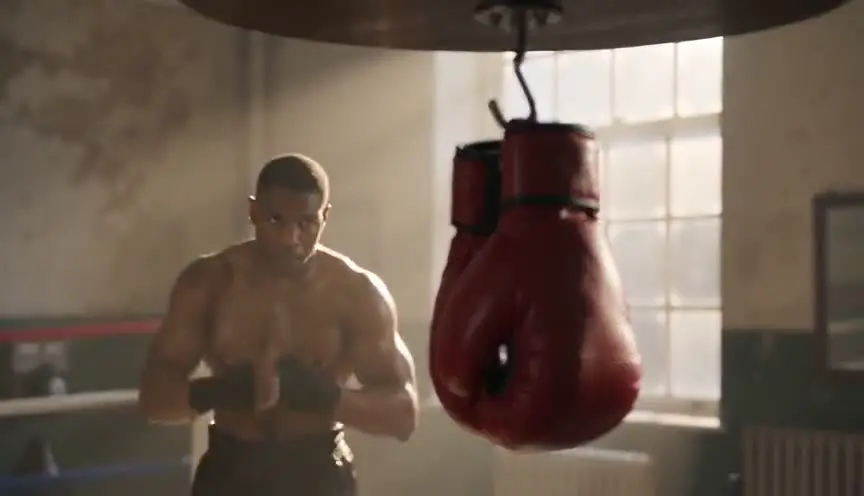
Rack focus
A rack focus shifts the plane of sharp focus from one subject to another during a shot, so one blurs as the other becomes clear. The audience's attention follows the sharpness, and the change works like a cut that happens inside the frame.
Camera movement
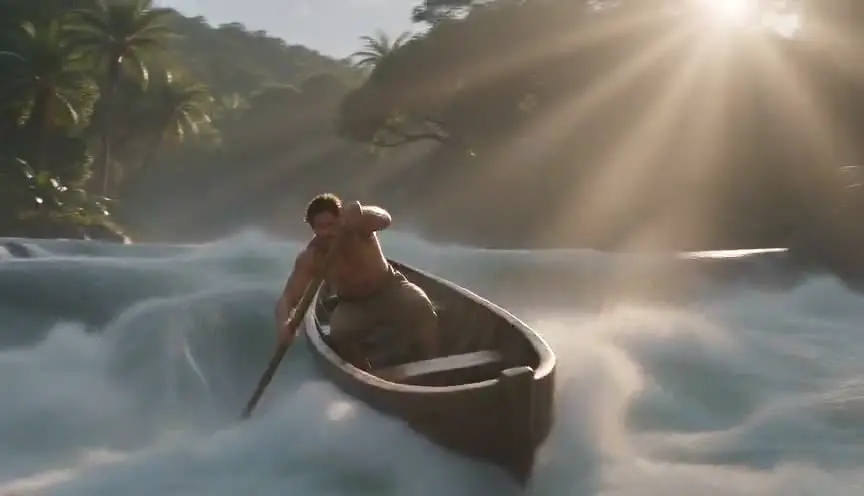
A moving camera changes what the audience knows and when. It can reveal, follow, press in on a secret or pull away from a loss. The same scene reads as calm, urgent or unstable depending on how the frame travels.
See all 43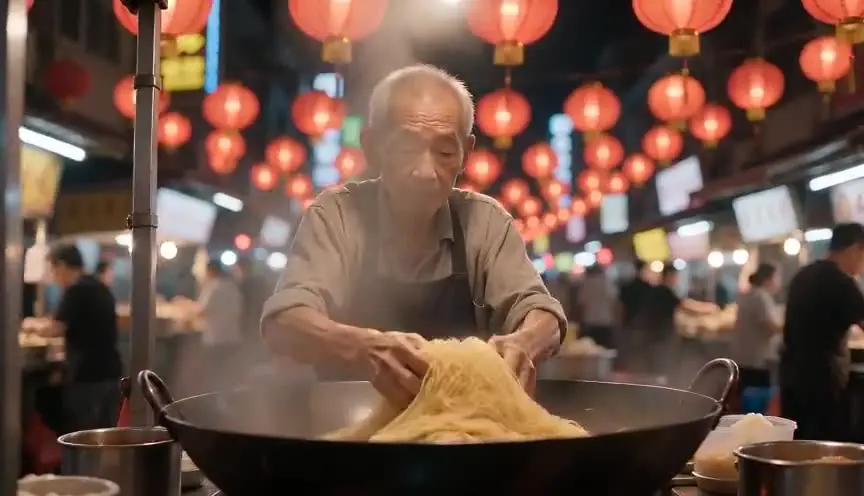
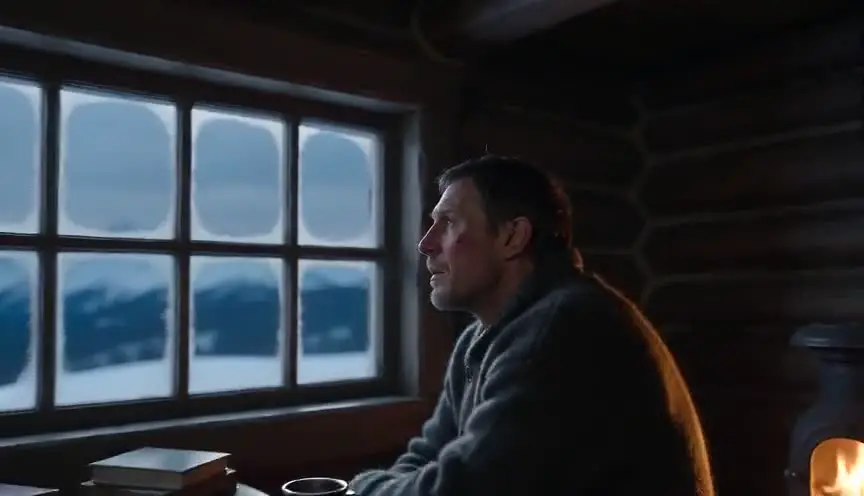
Slow zoom in
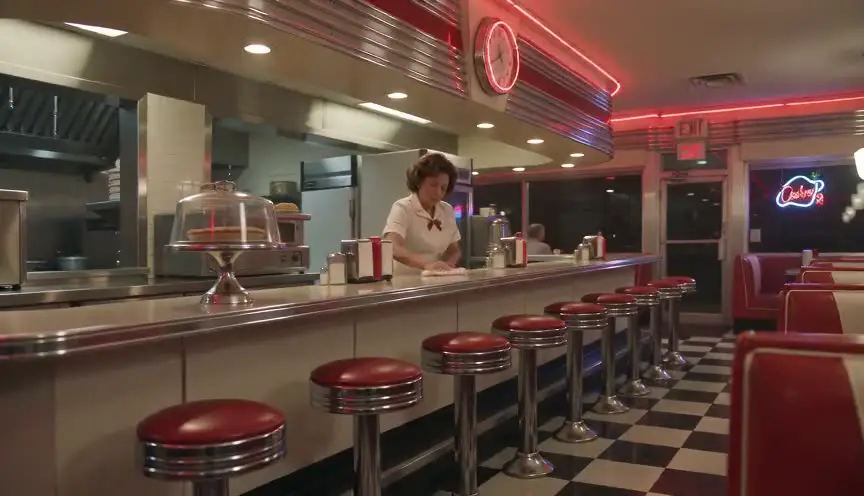
Slow zoom out
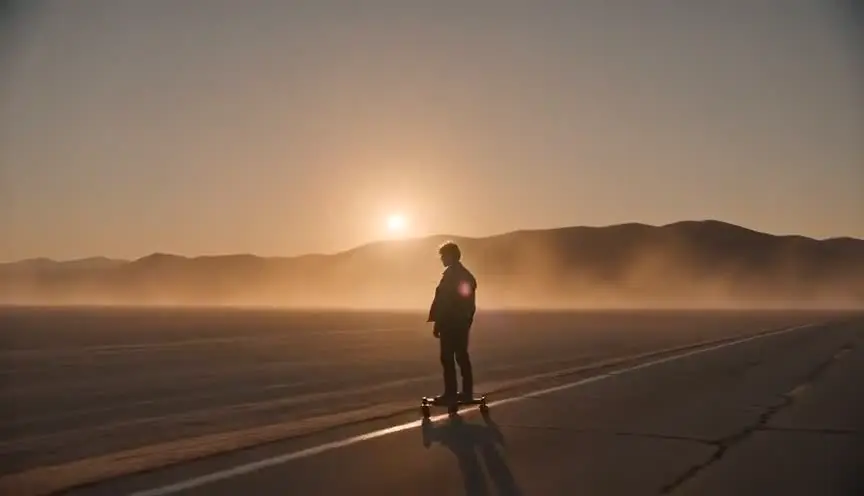
Crash zoom
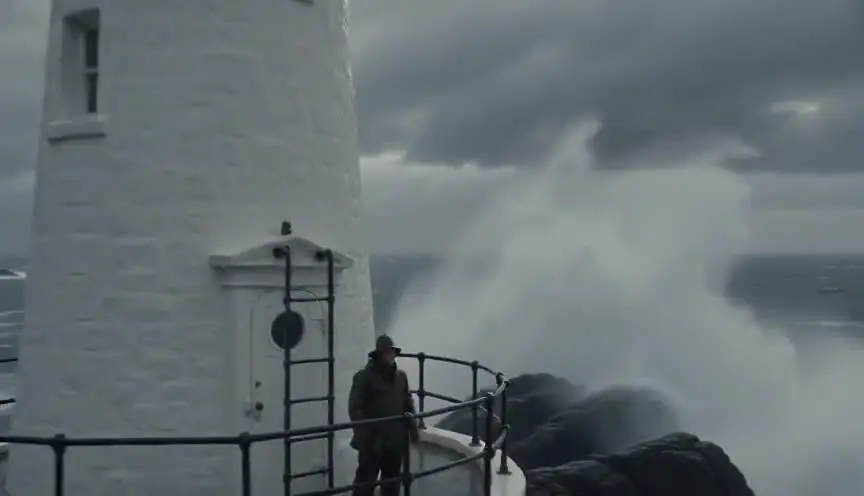
Dolly in
Dolly out
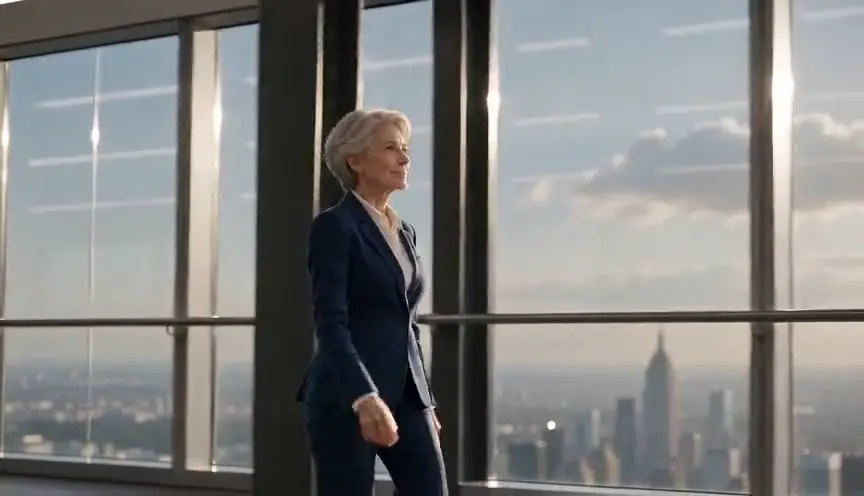
Truck shot
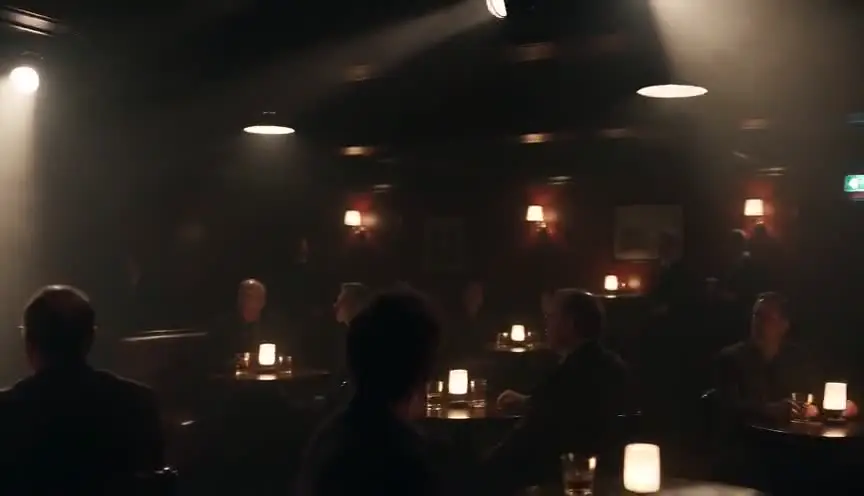
Pan
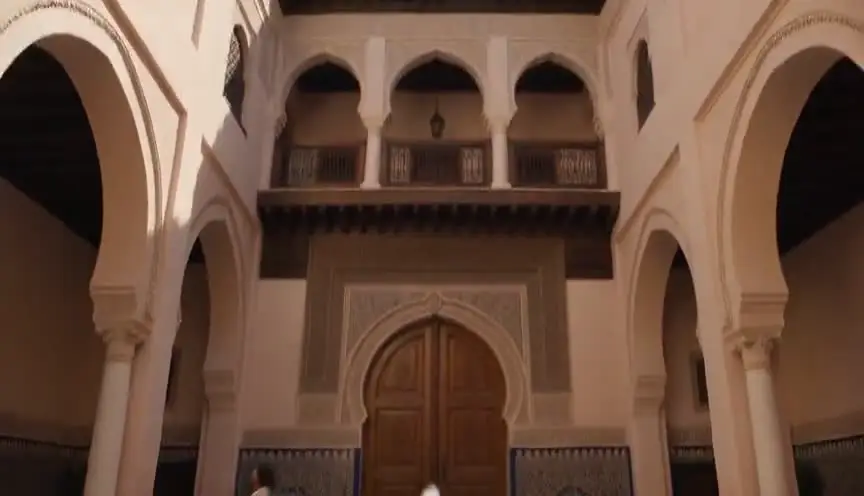
Tilt

Whip pan
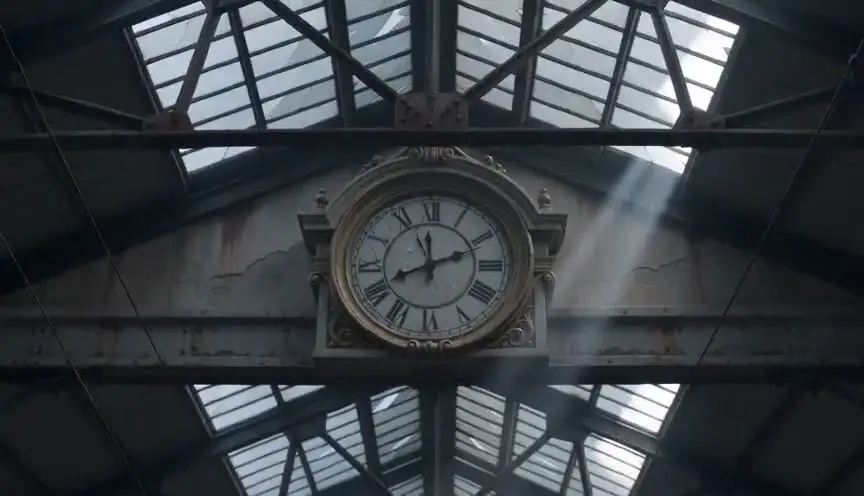
Whip tilt
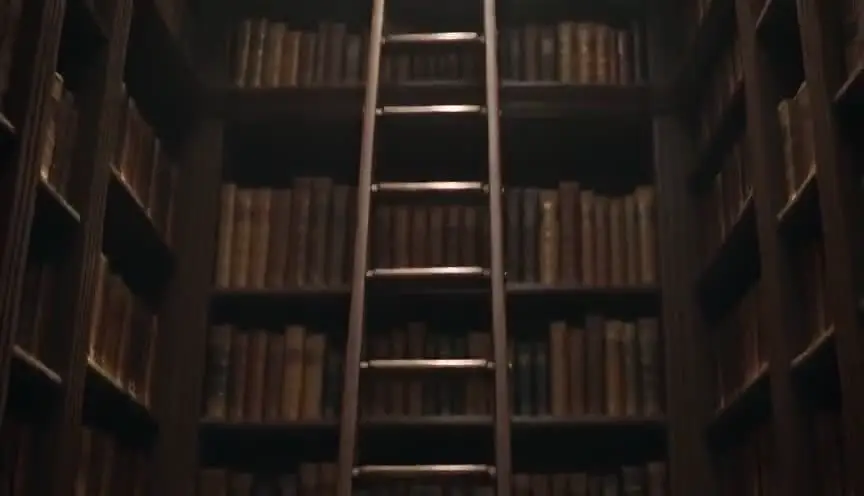
Pedestal shot
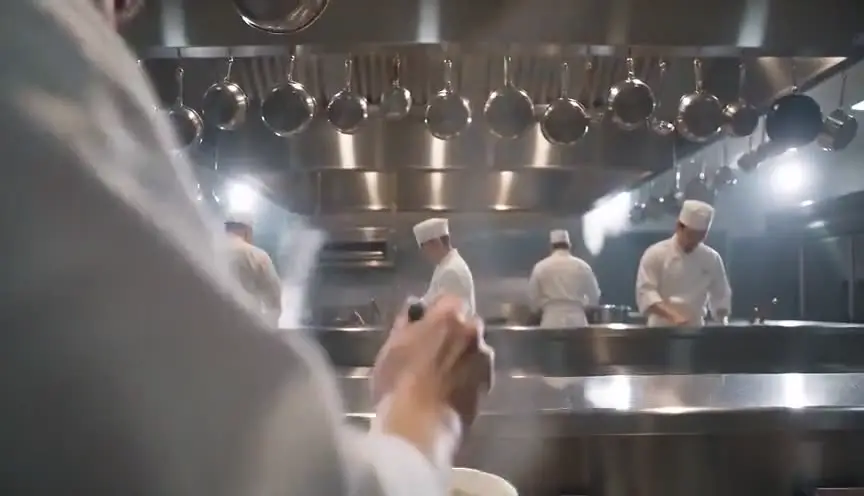
Crane up
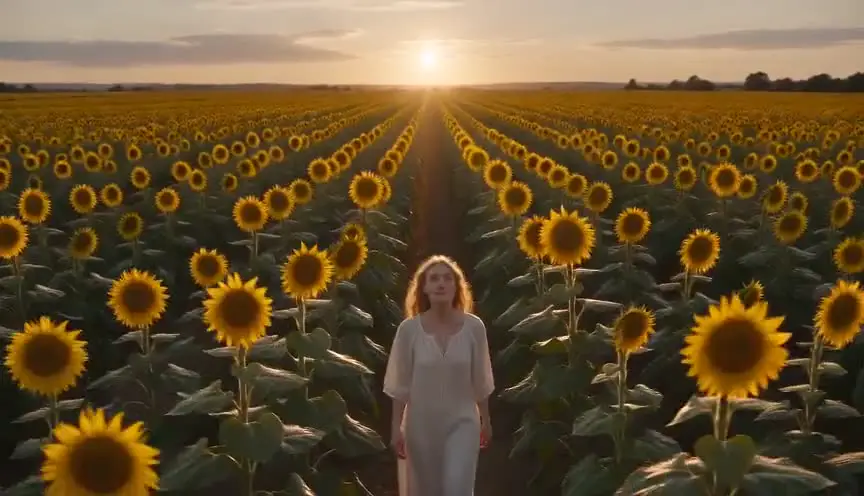
Crane down
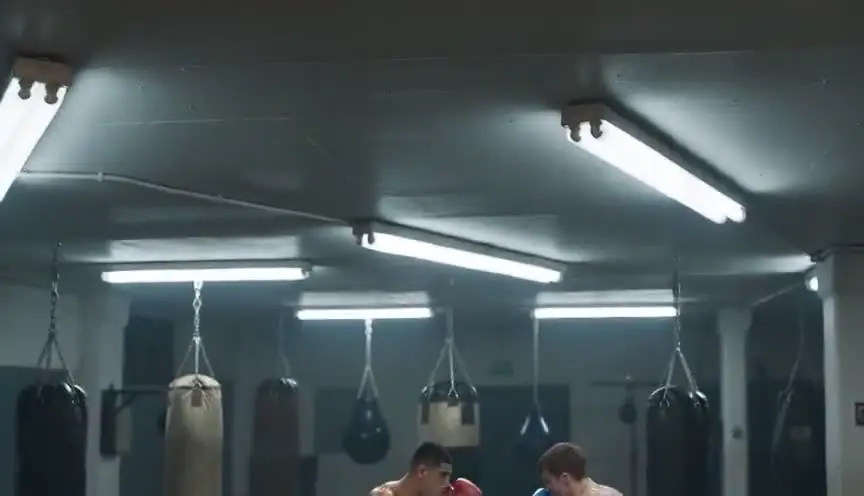
Crane over
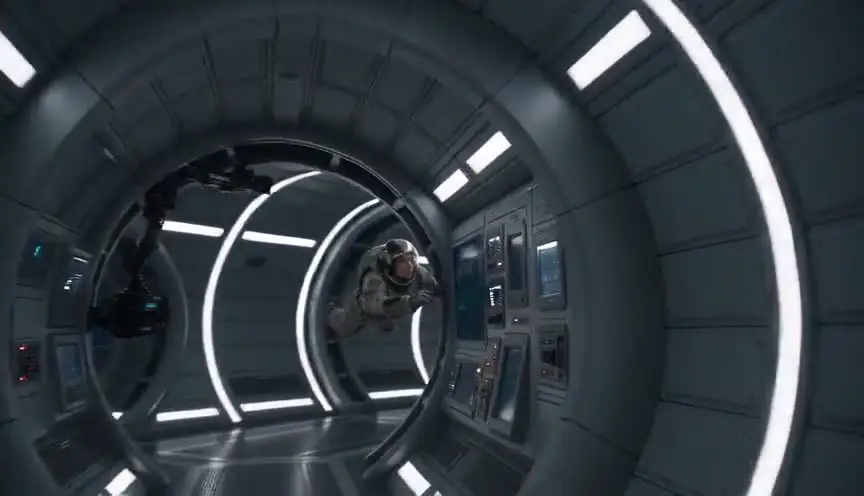
Jib shot
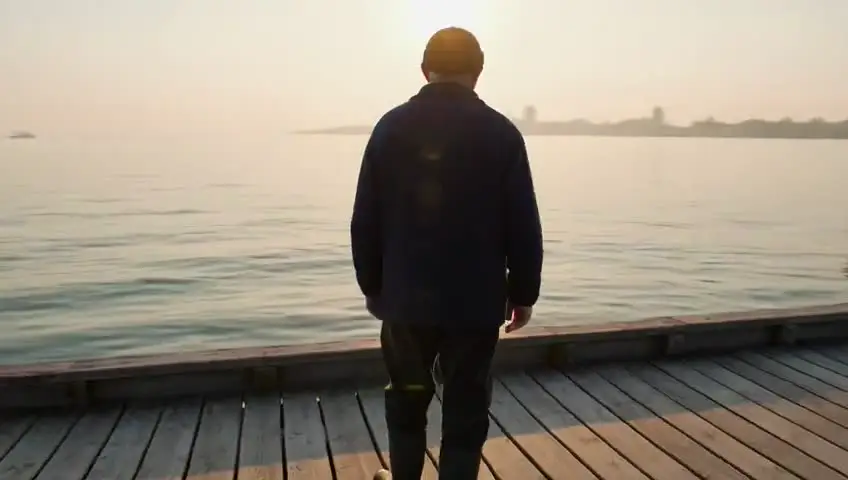
360-degree orbit
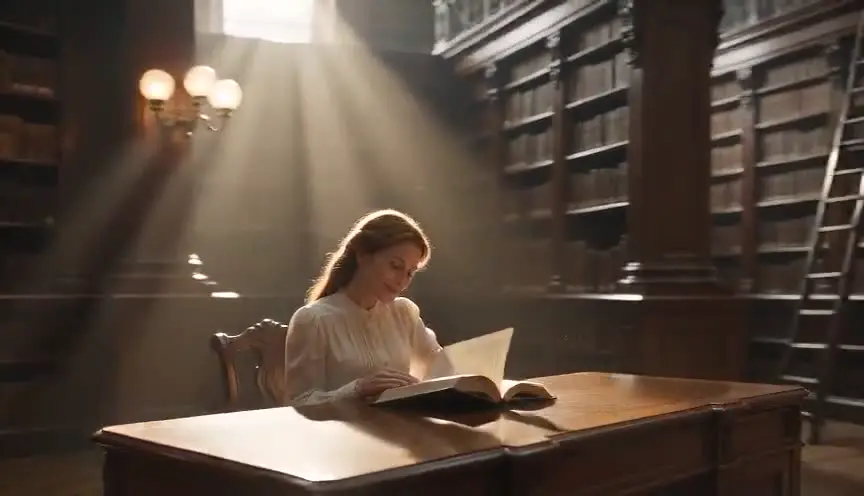
Arc shot
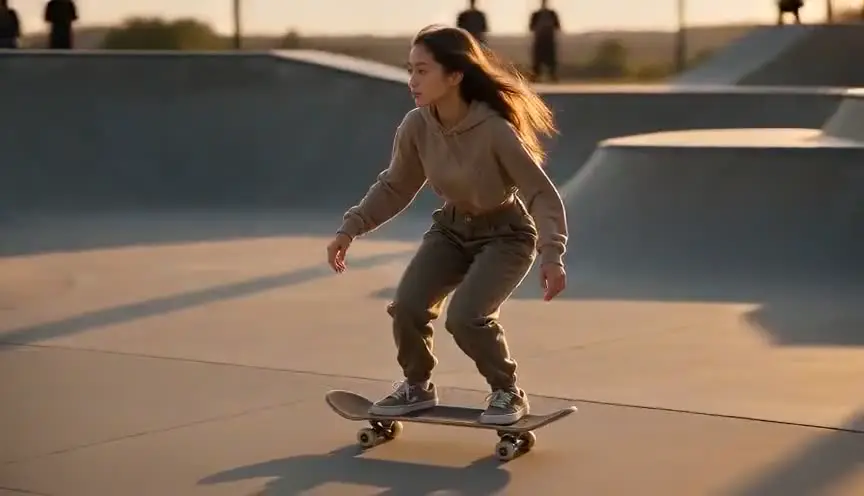
Tracking shot
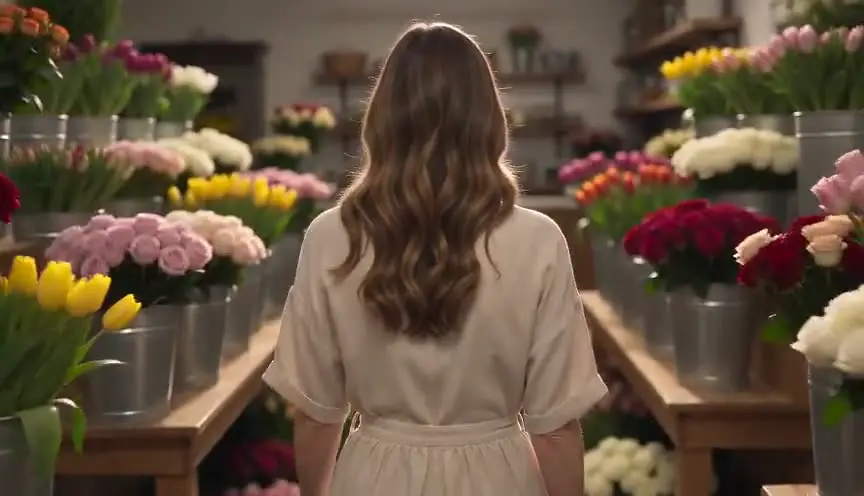
Follow shot
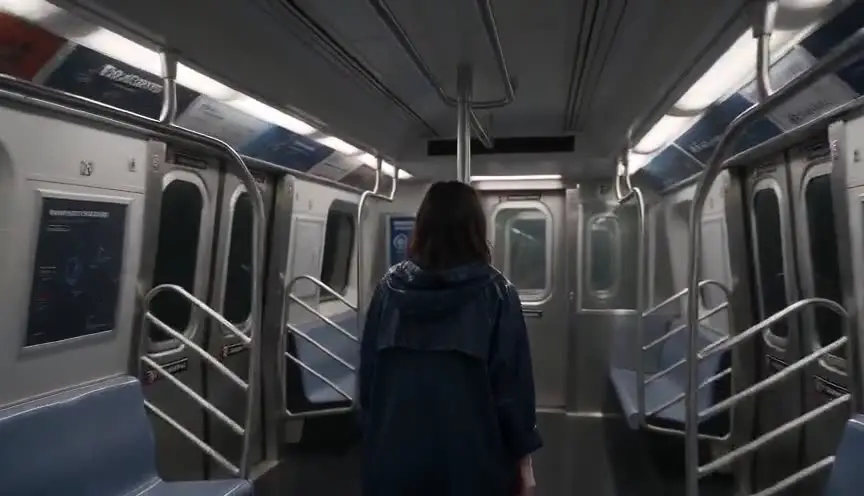
Steadicam shot
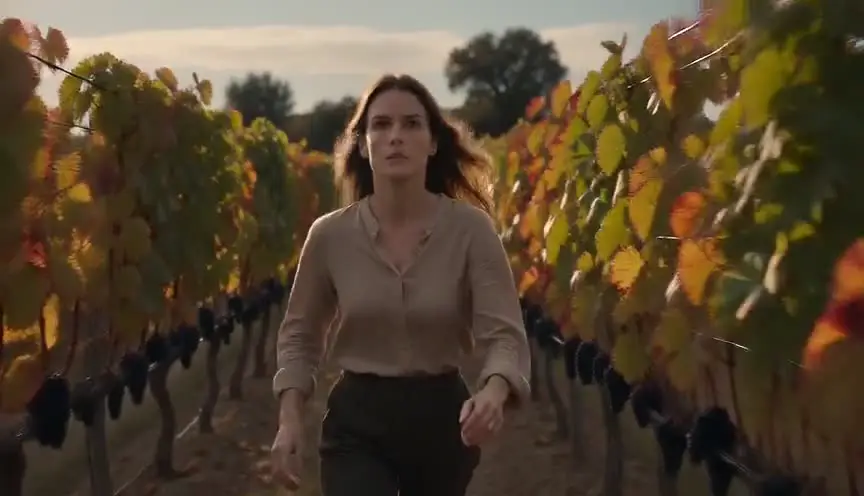
Handheld camera
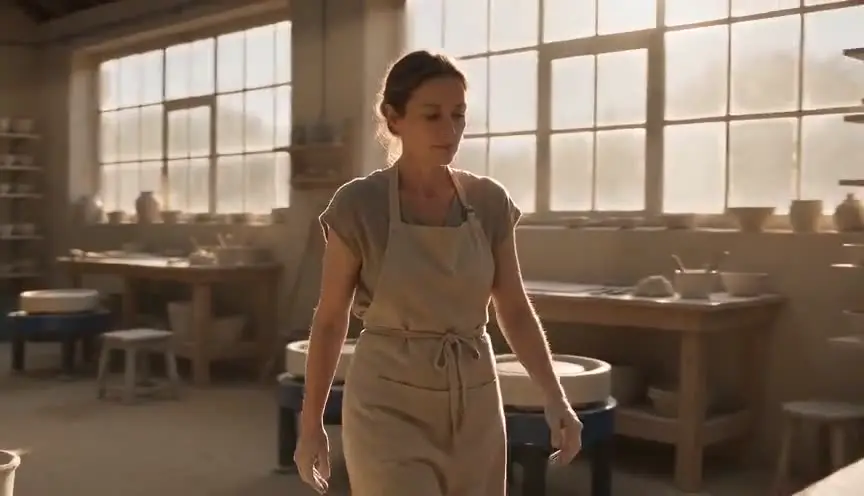
Gimbal shot
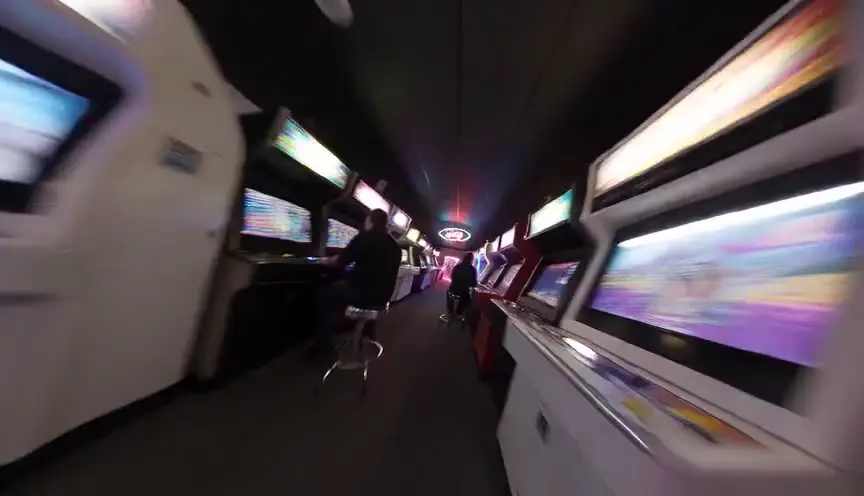
FPV drone shot
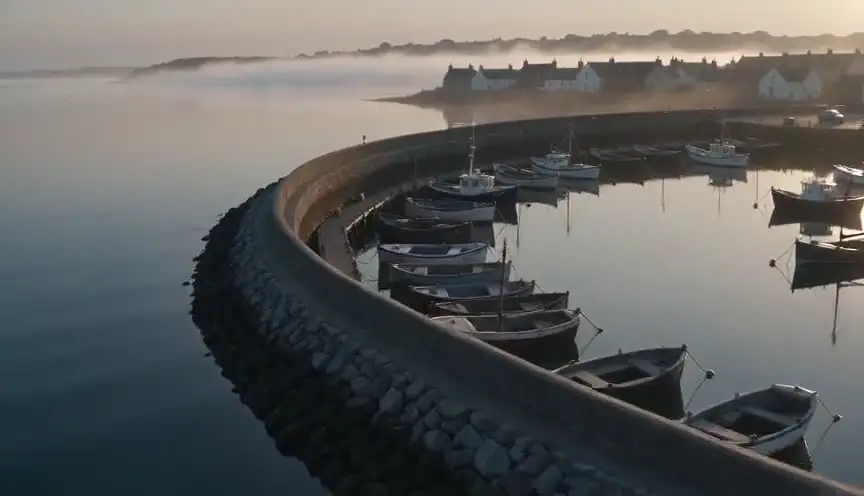
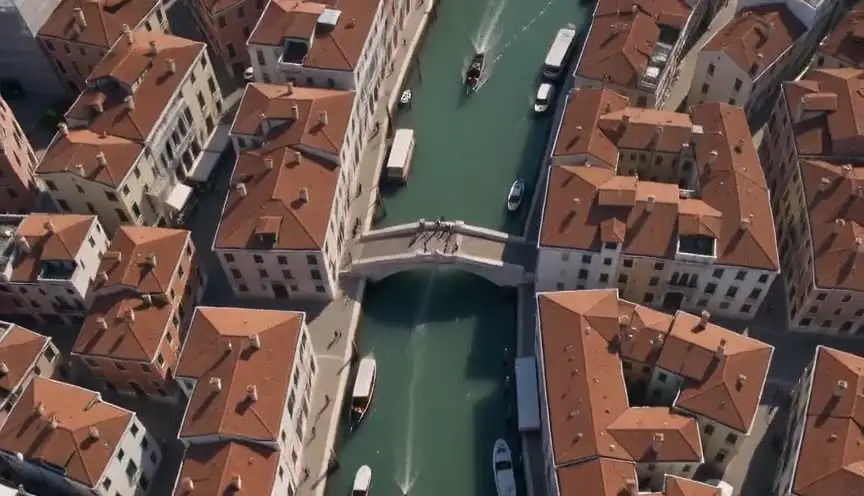
Aerial shot
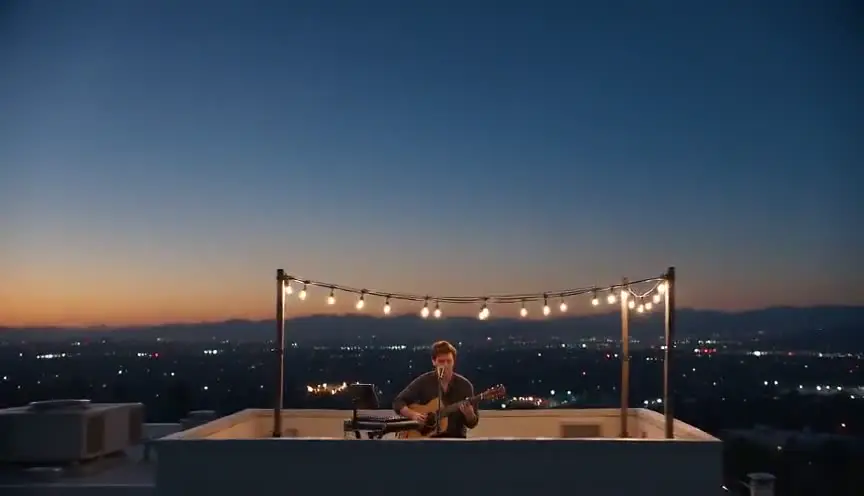
Aerial pullback
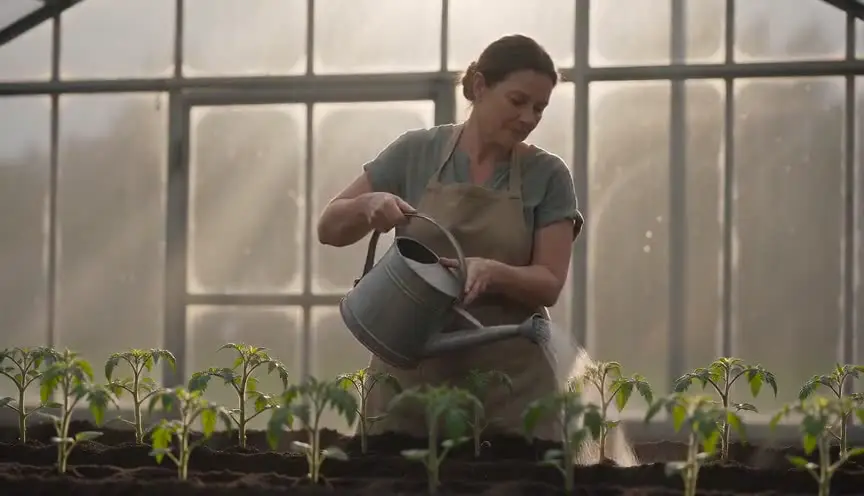
Static locked-off shot
Dolly zoom
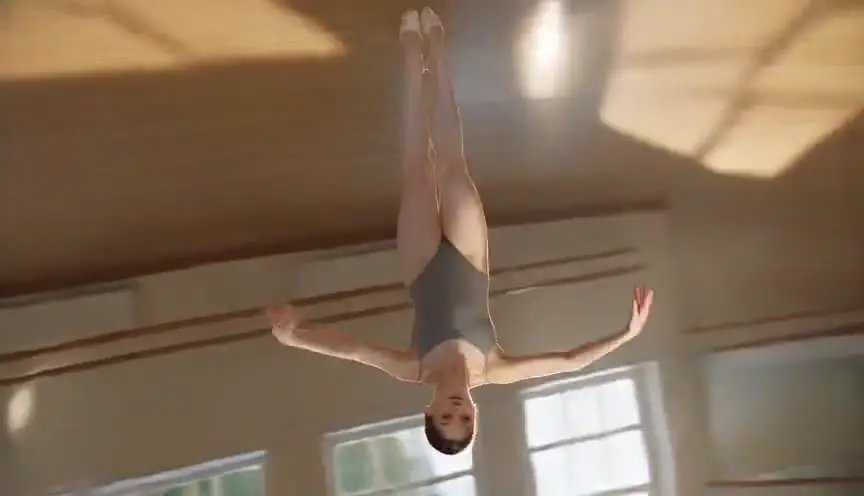
Camera roll
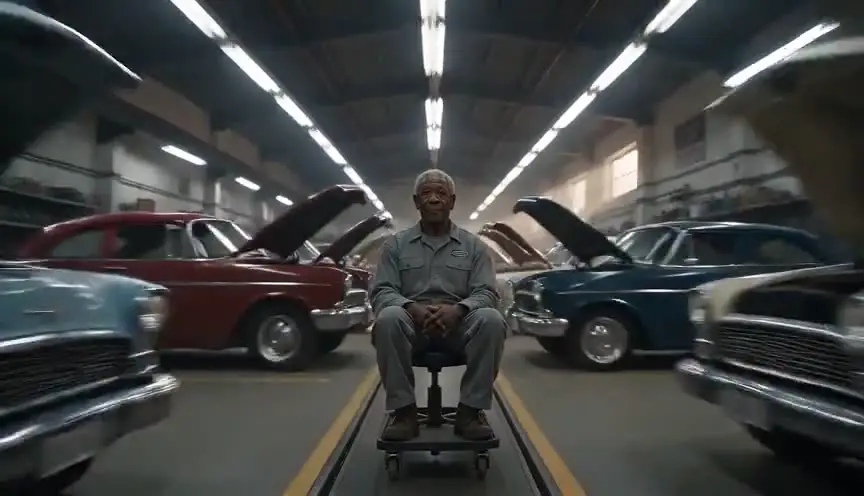
Double dolly shot
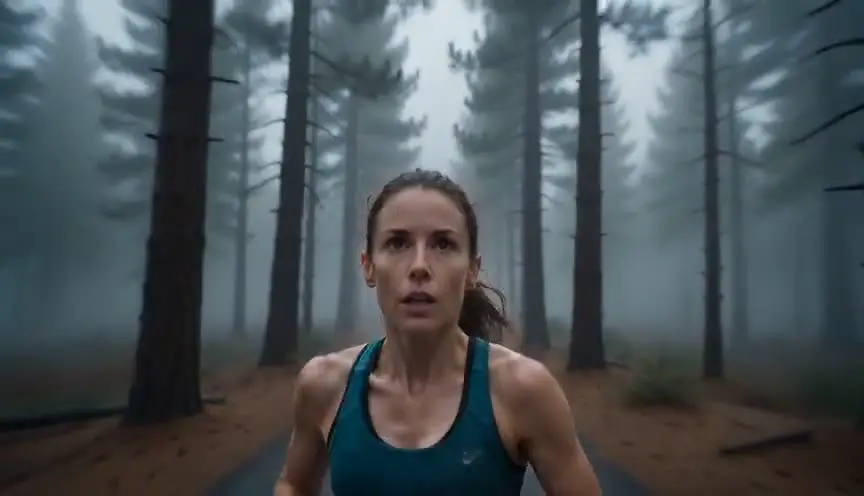
Snorricam
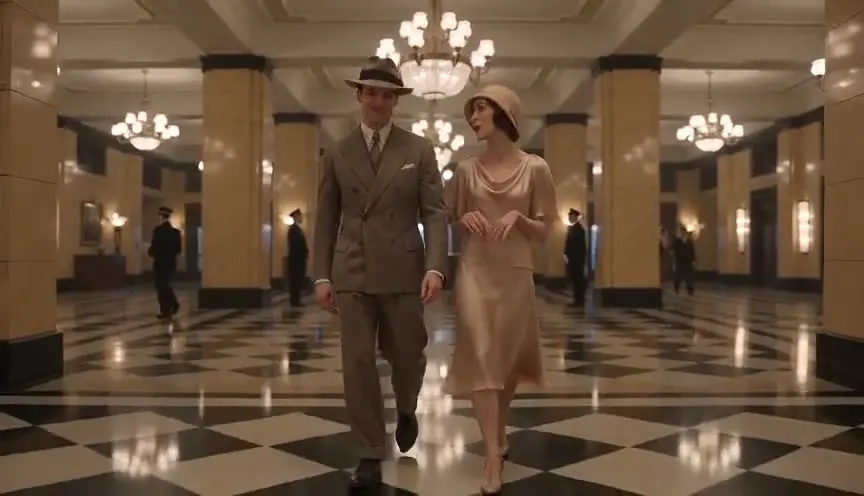
Walk and talk
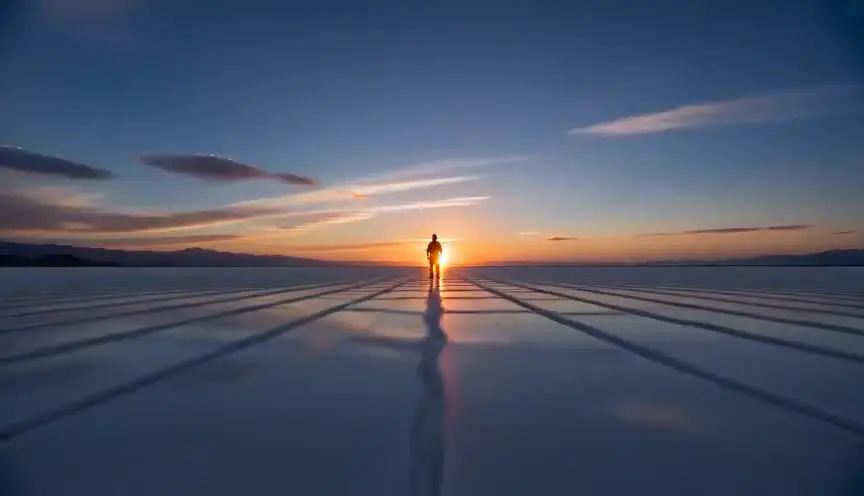
Hyperlapse
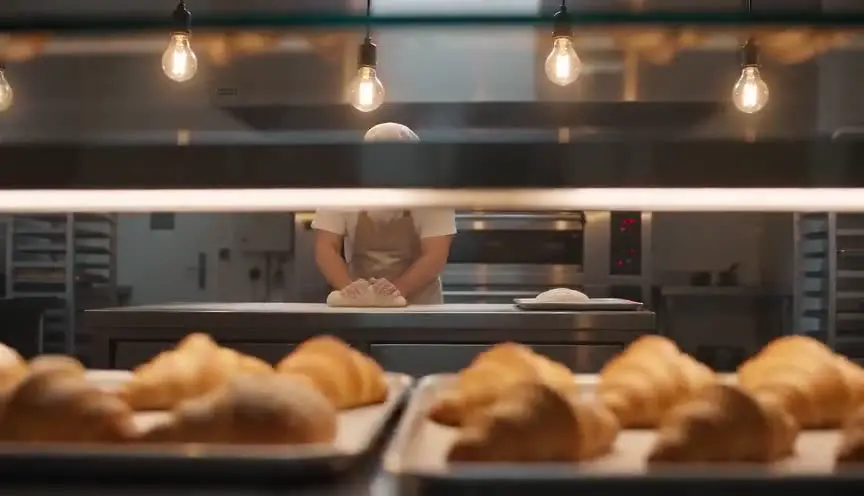
Slider shot
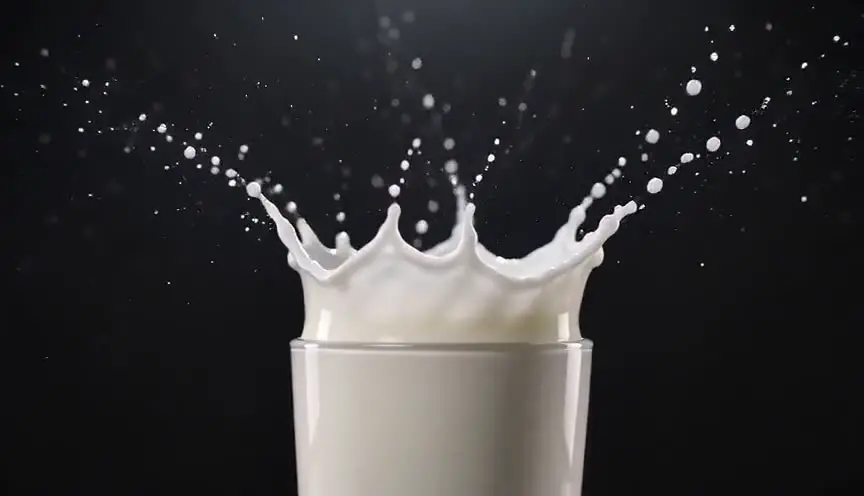
Robotic arm shot
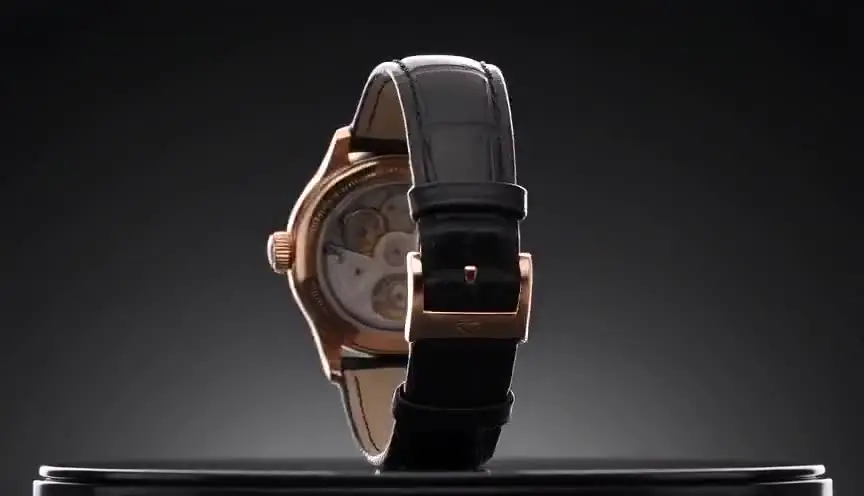
Turntable shot
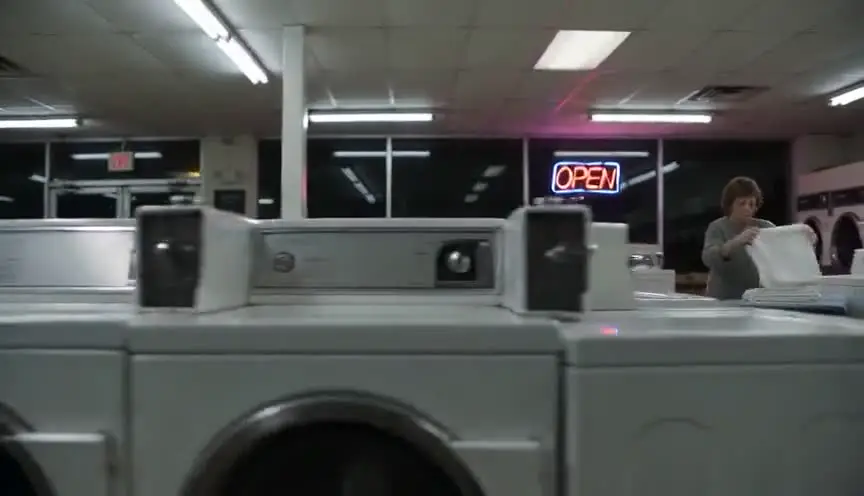
Parallax shot
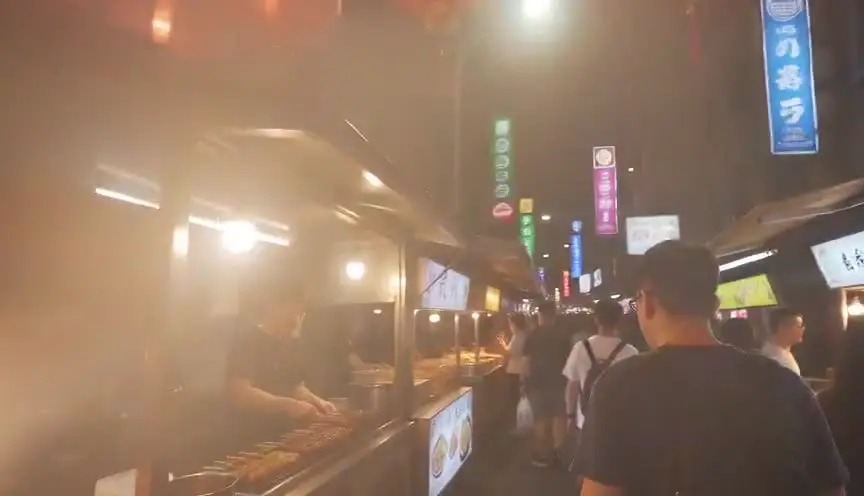
Pass-through shot
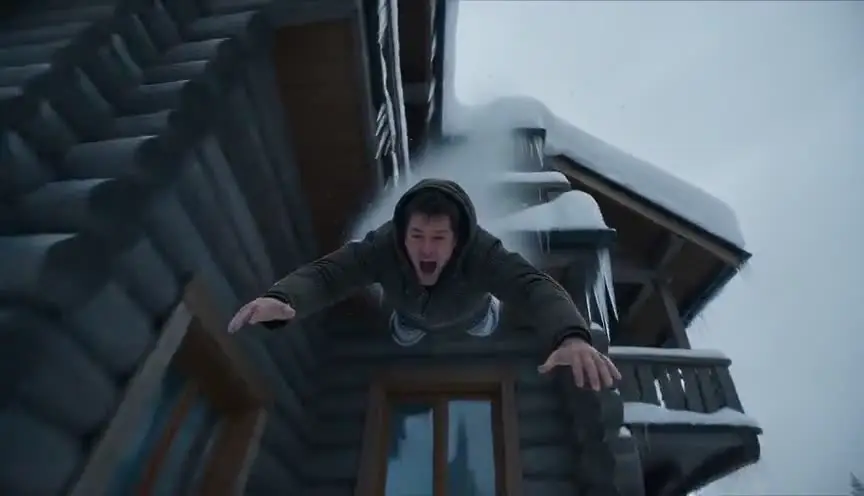
Falling camera
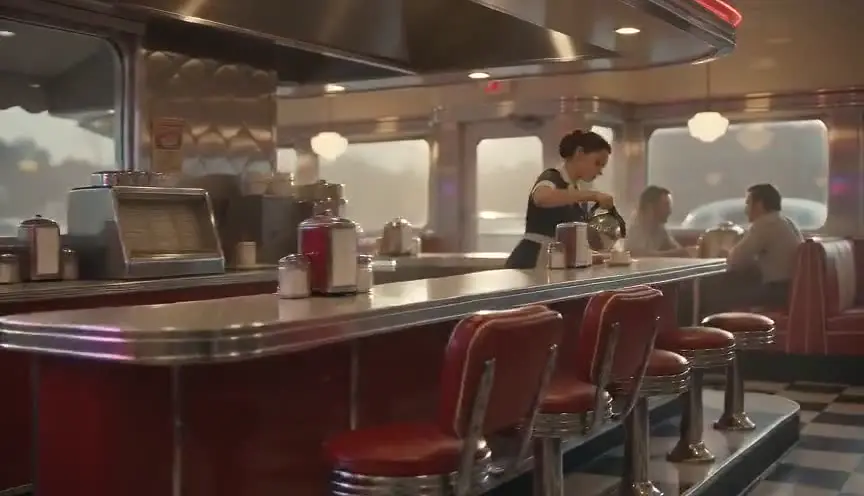
Floating camera
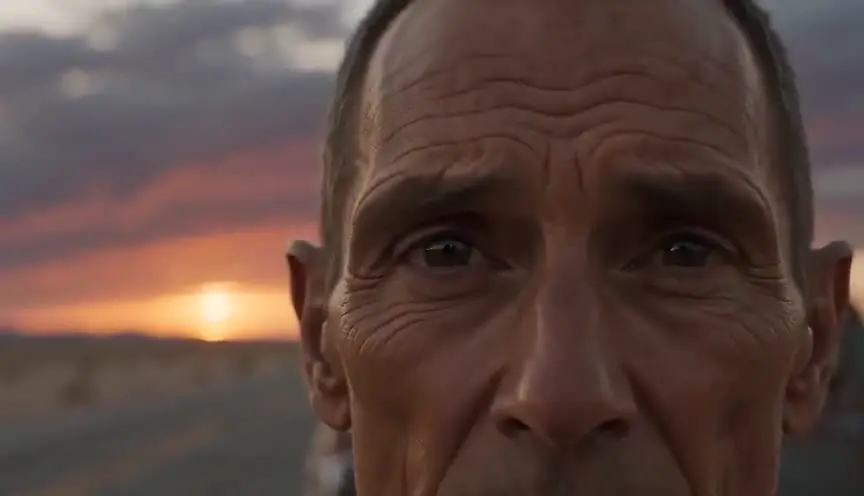
Zoom into the eye
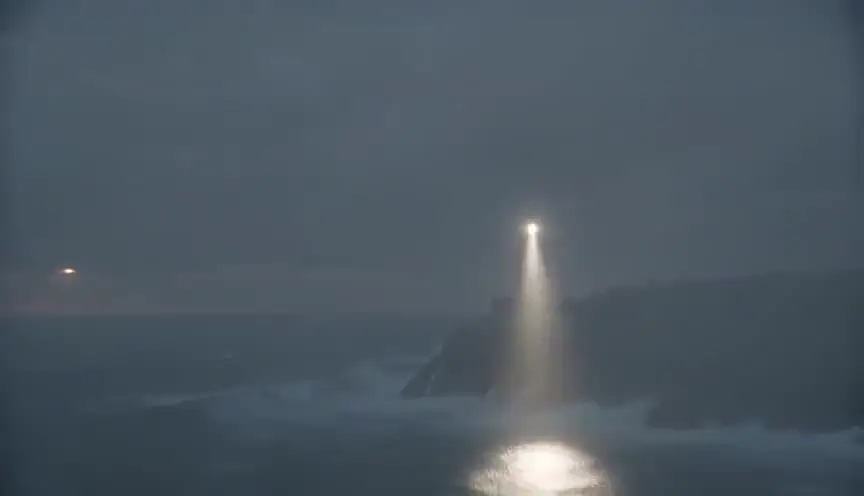
Earth zoom
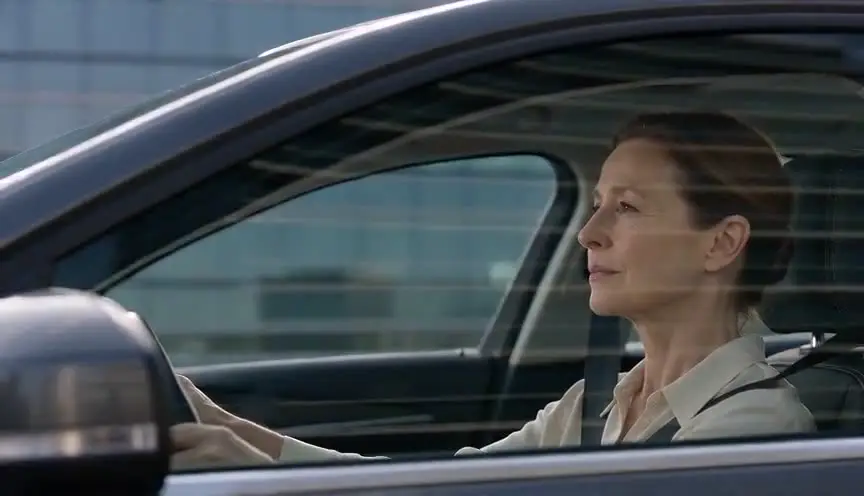
Car mount shot
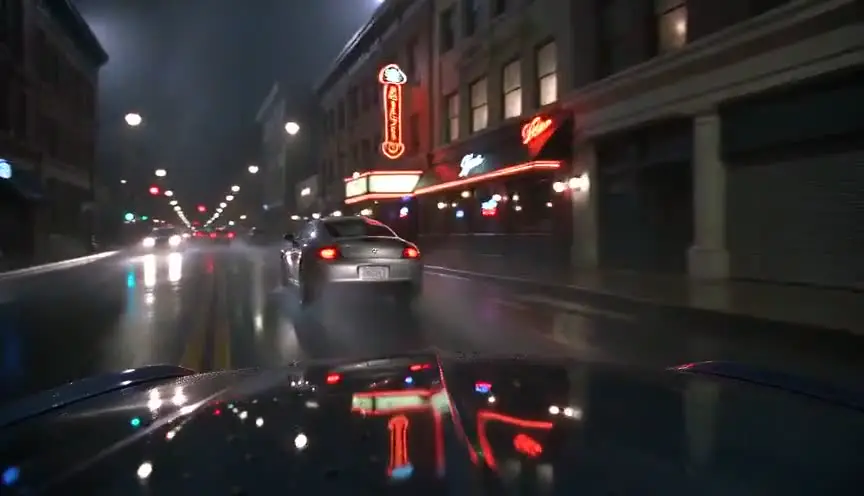
Chase car shot
Shot sizes
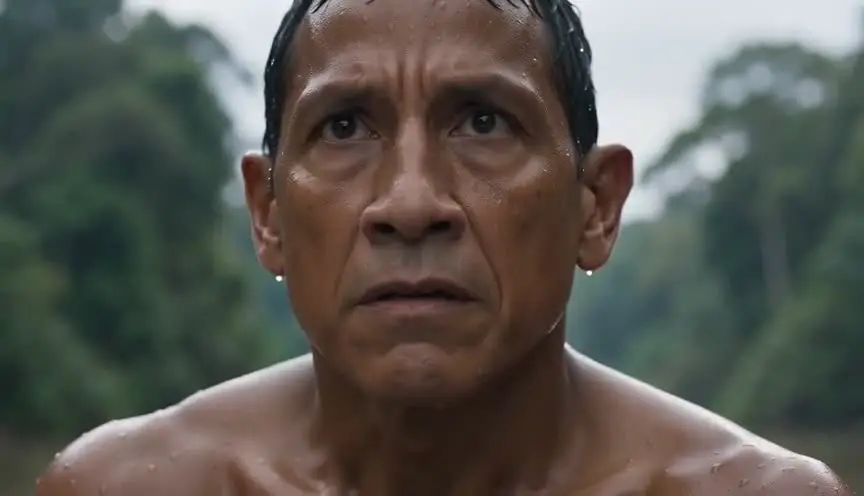
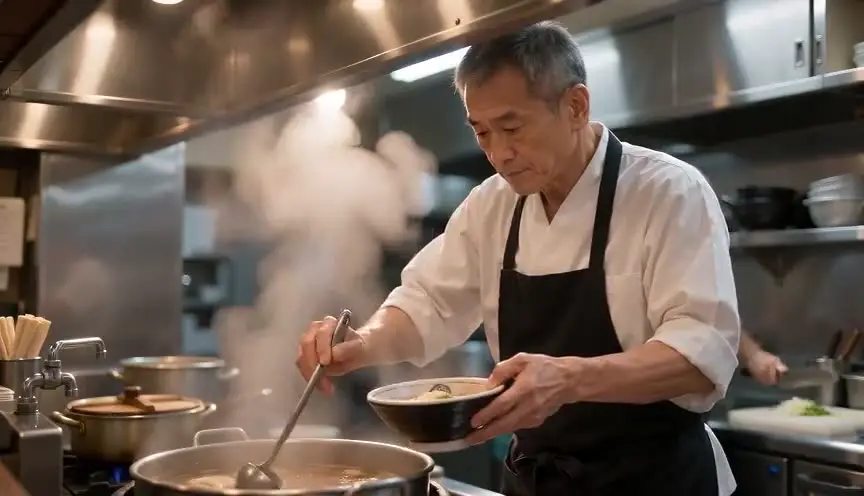
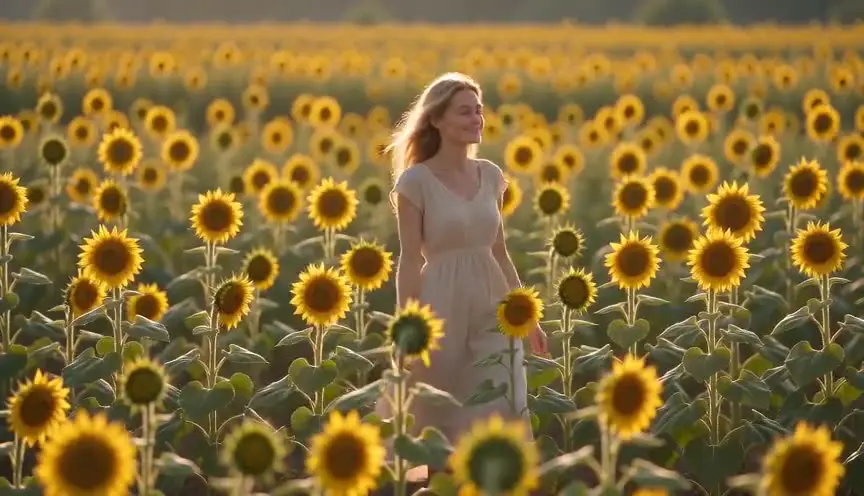
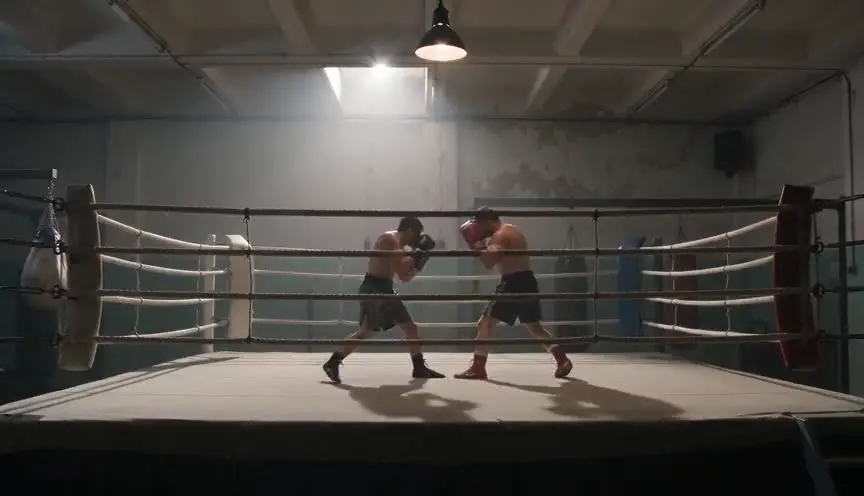
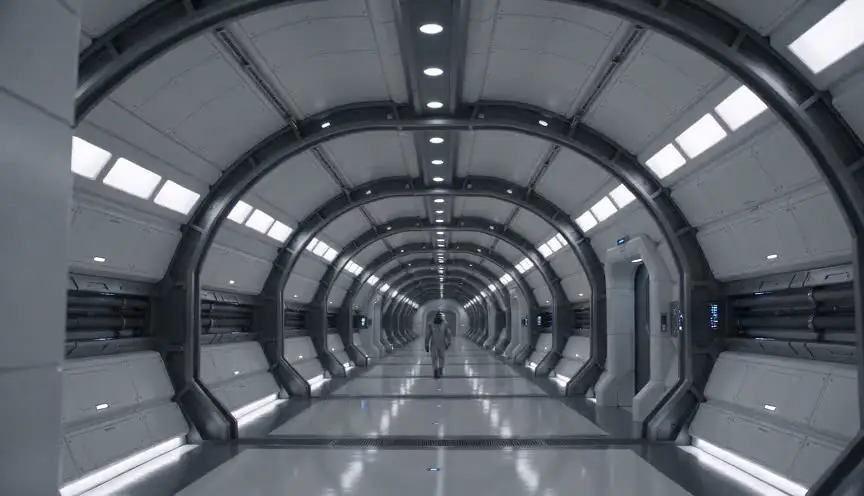
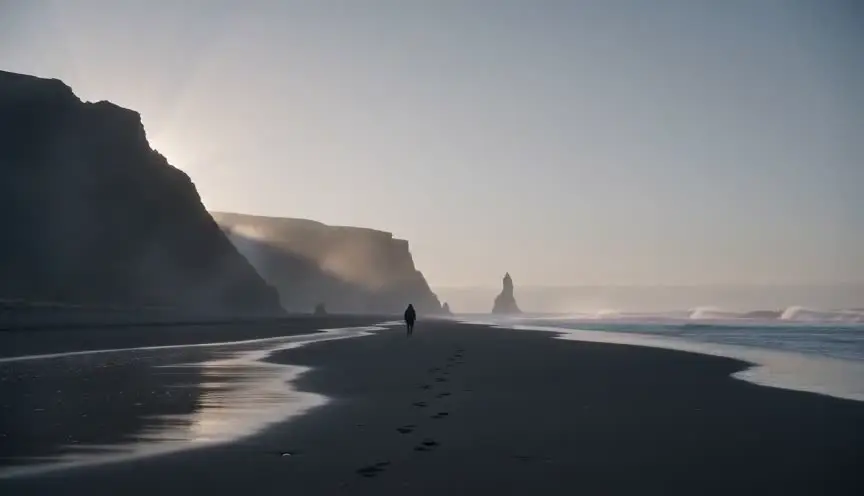
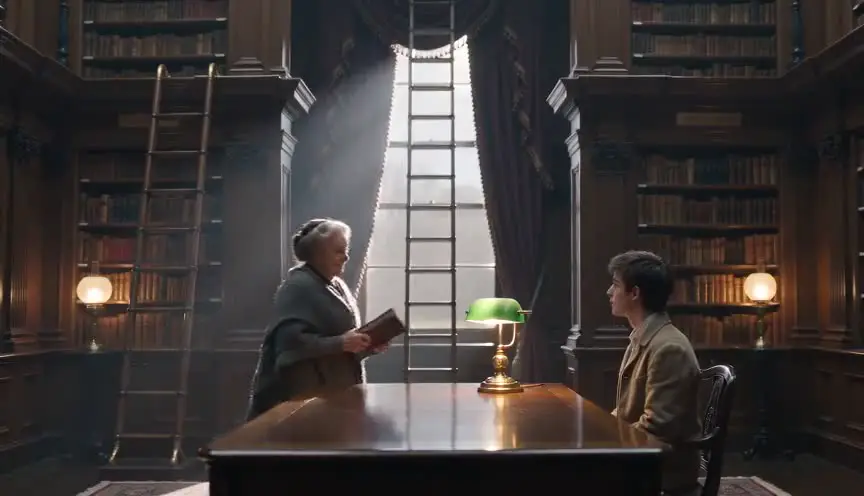
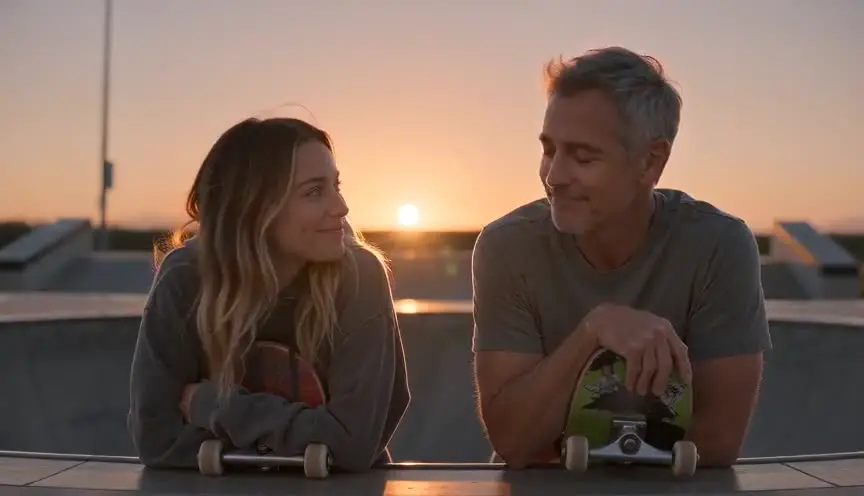
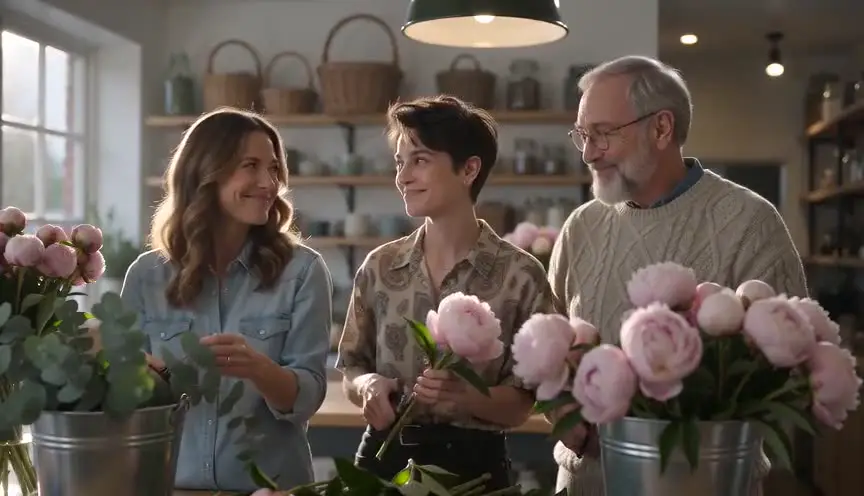
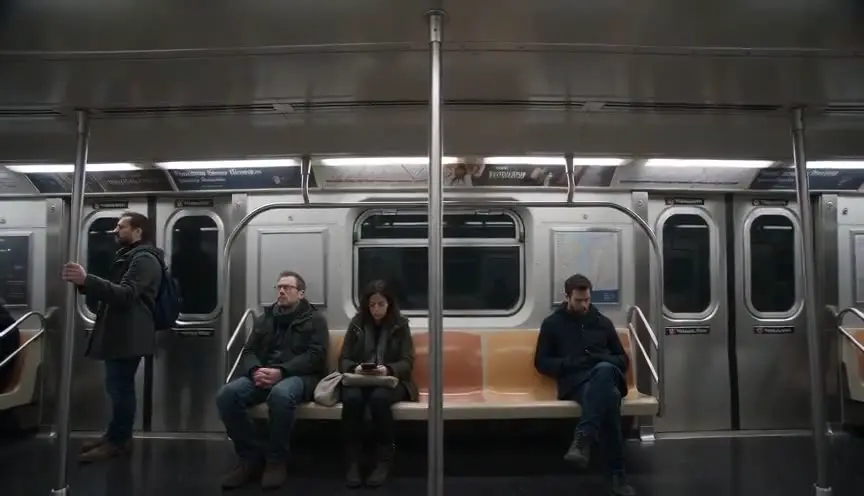
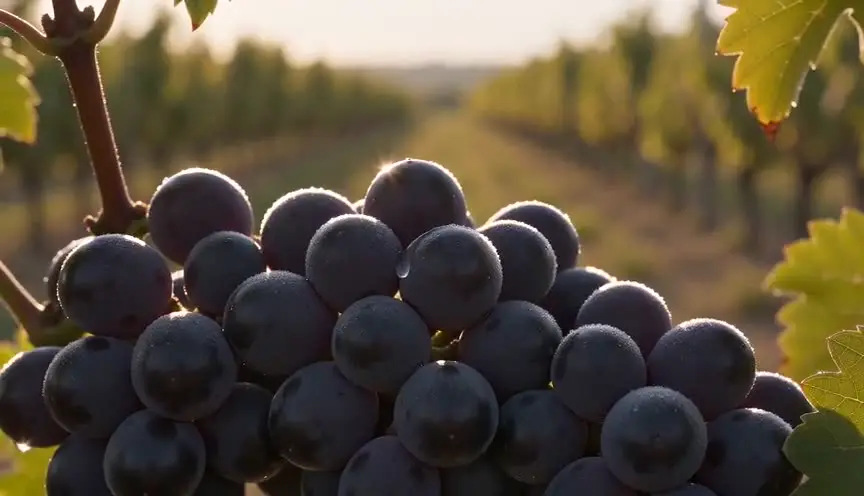
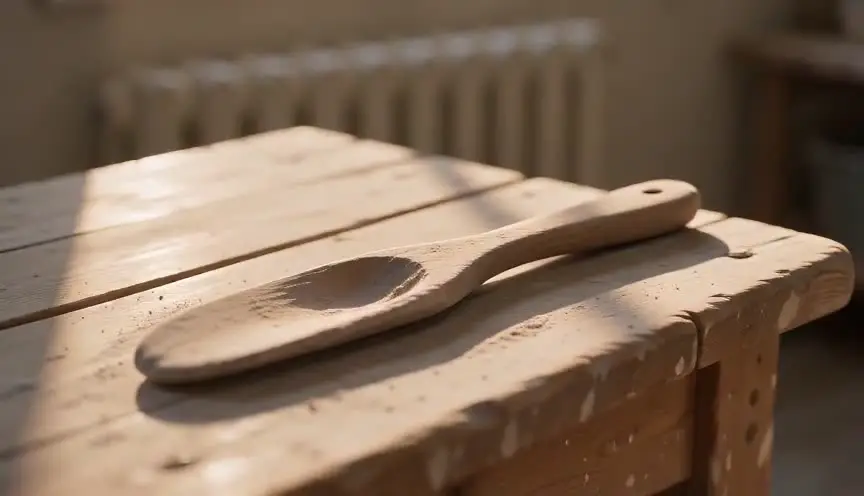
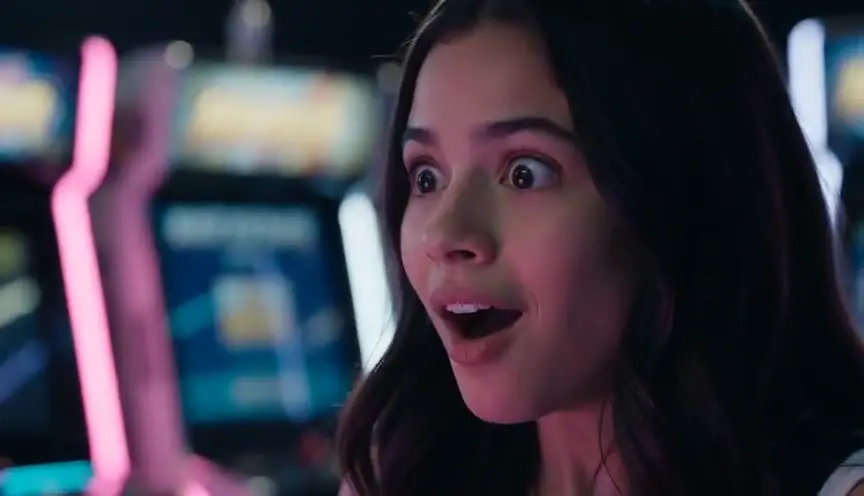
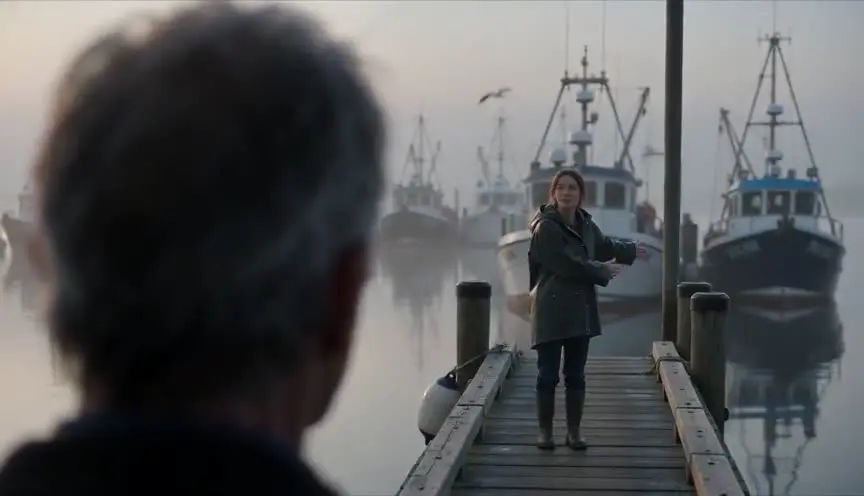
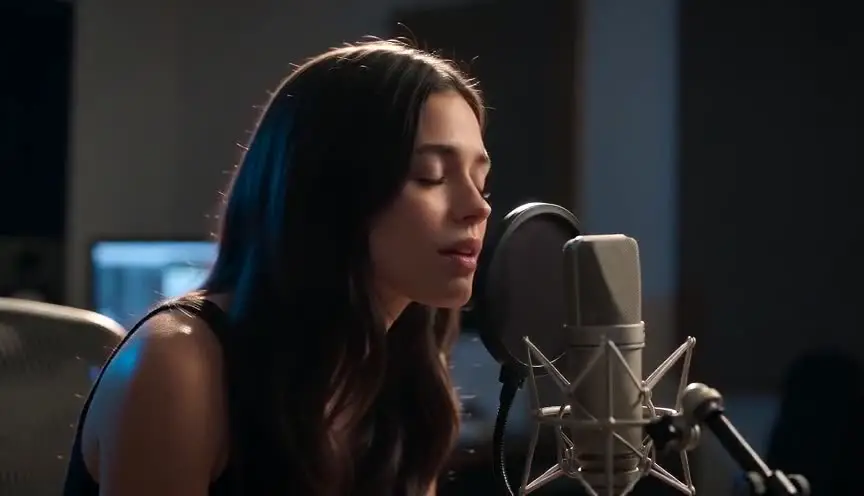
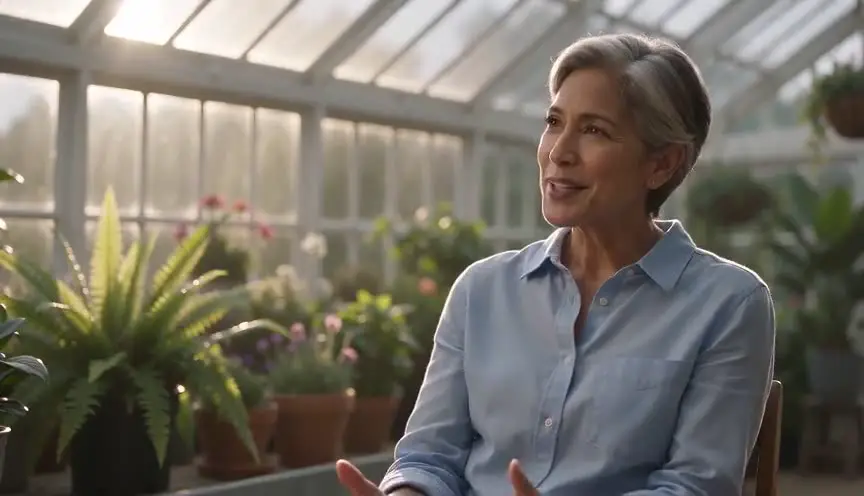
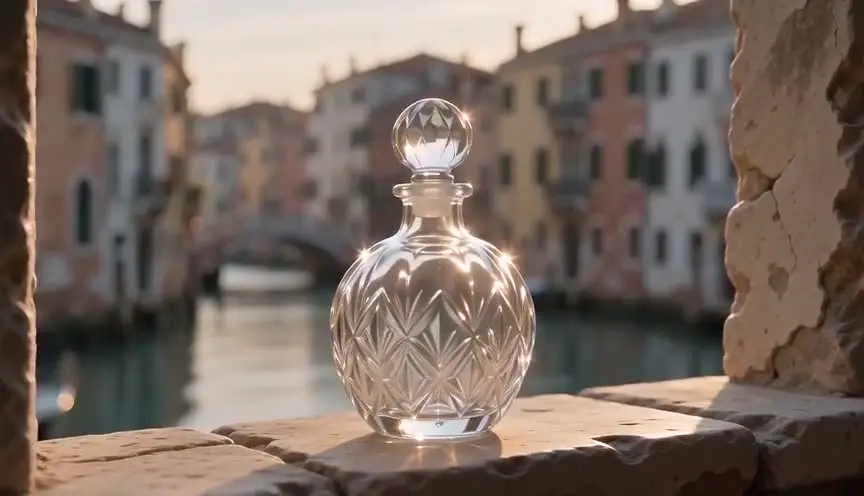
Shot size is distance, and distance is emotion. A wide shot puts a character inside a world, a close-up puts the audience inside the character. Cutting between sizes is how a scene breathes.
See all 20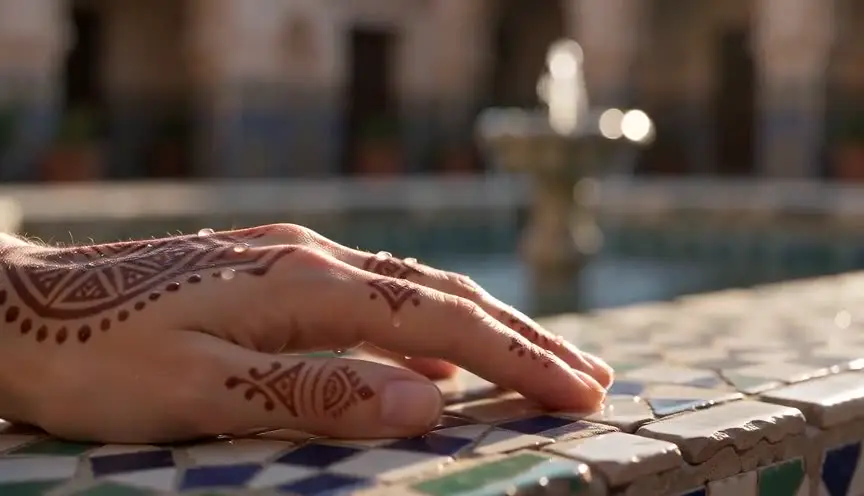
Camera angles
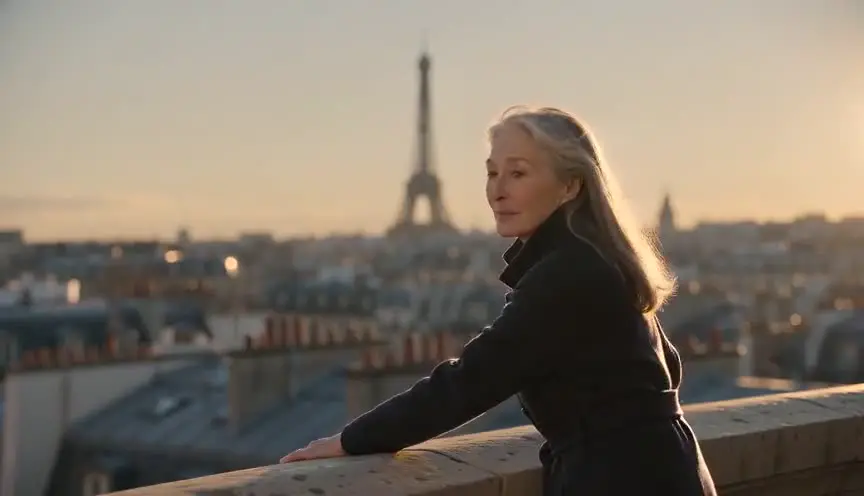
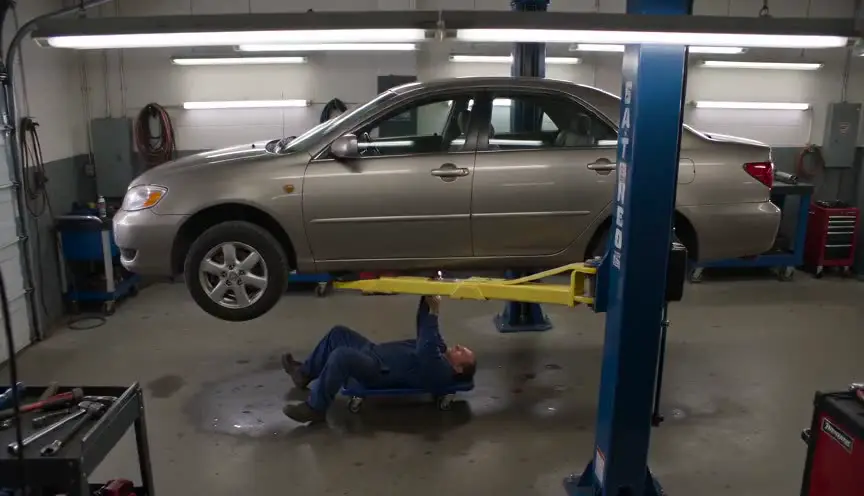
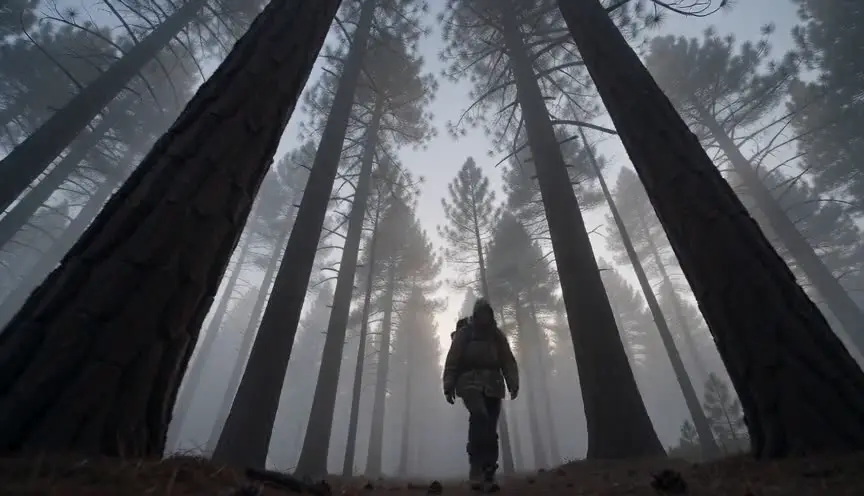
An angle is a point of view with an opinion. Looking up at a character grants them weight, looking down takes it away, tilting the horizon says something is off. The audience feels it before they notice it.
See all 17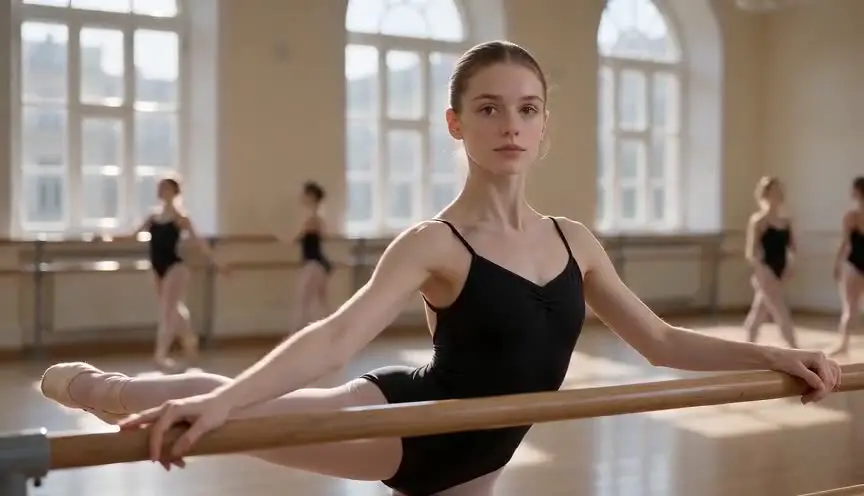
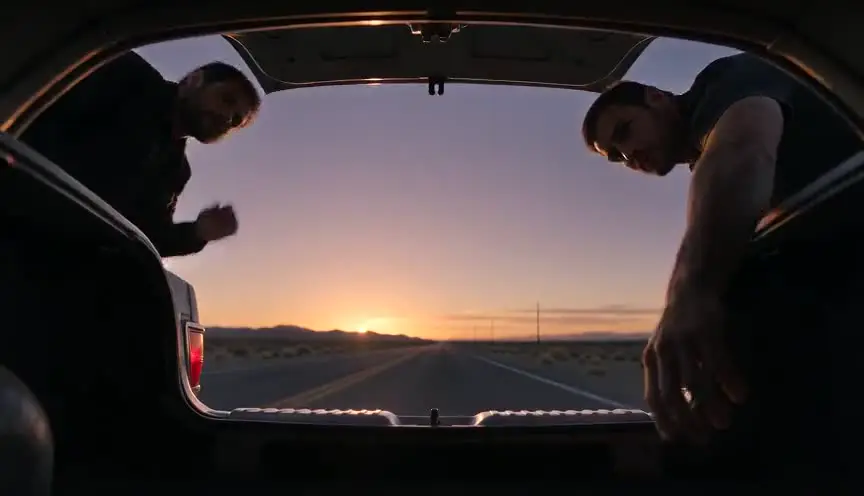
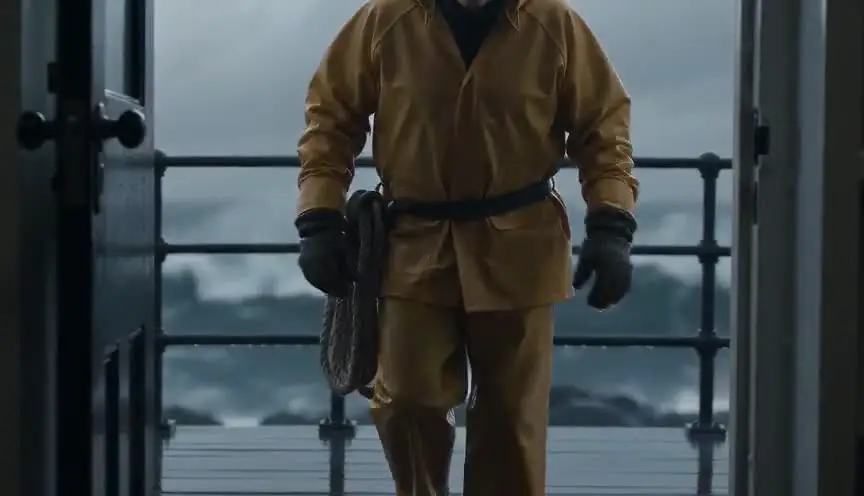
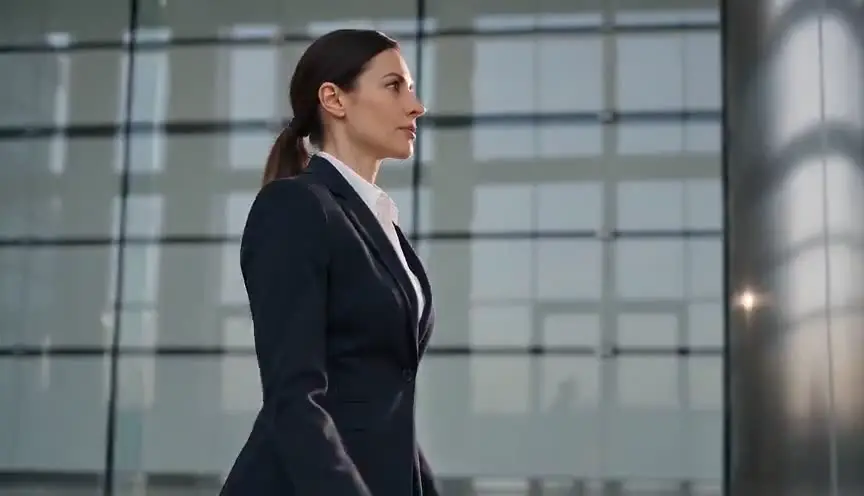
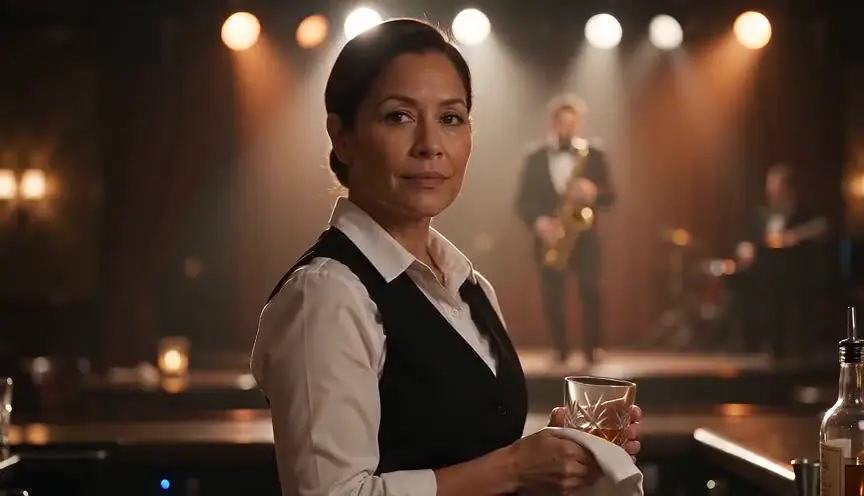
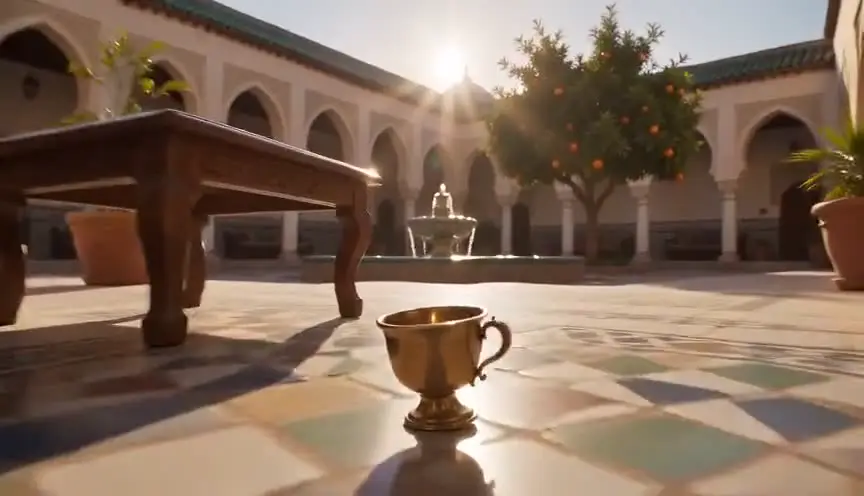
Lighting
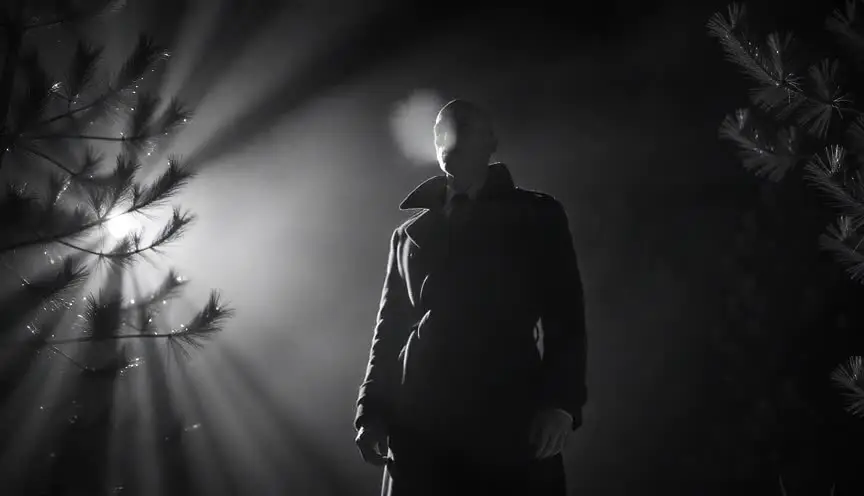
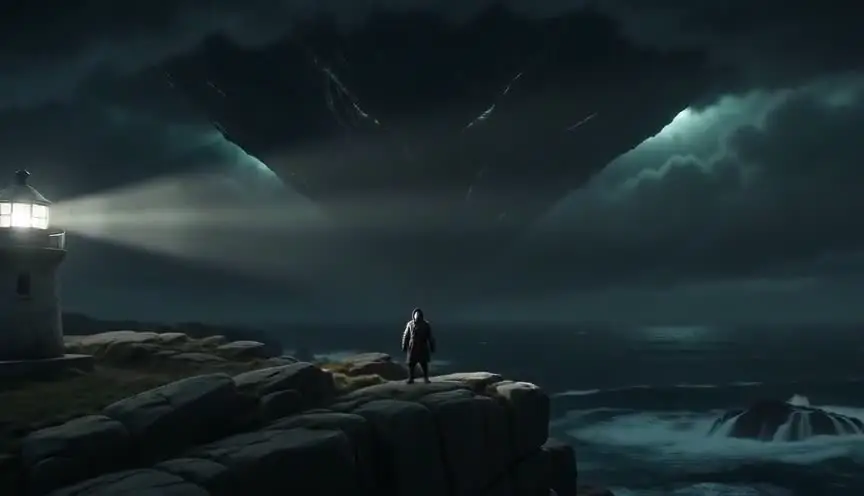
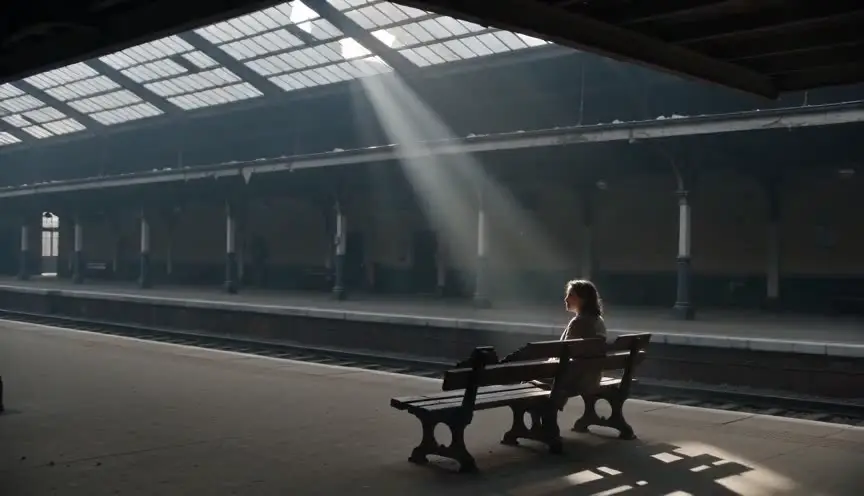
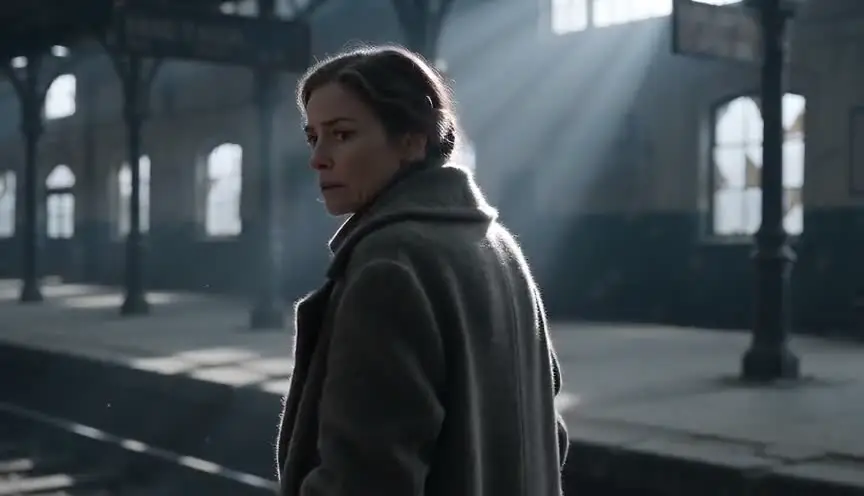
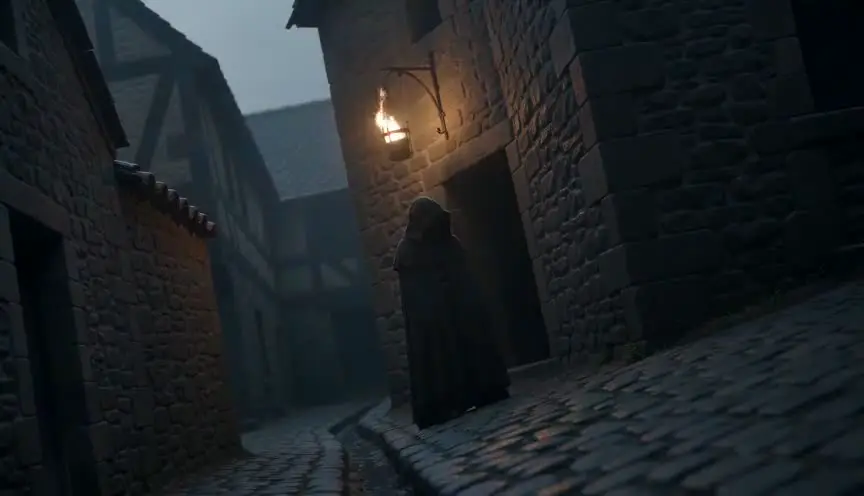
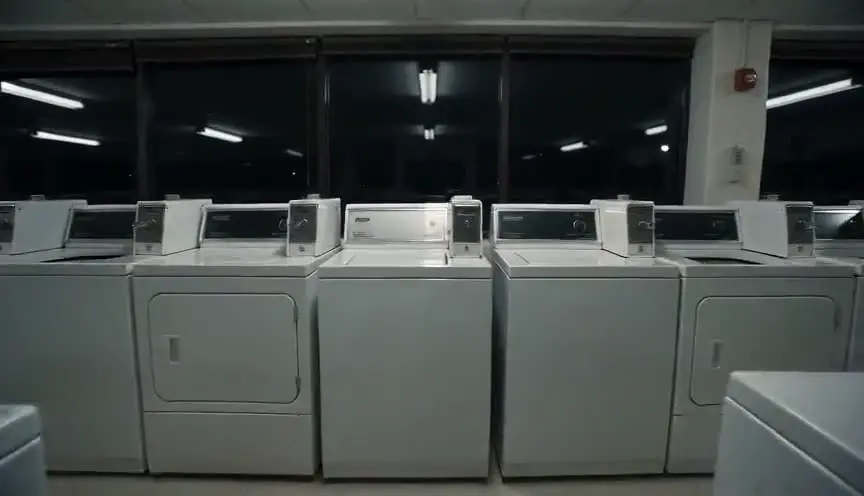
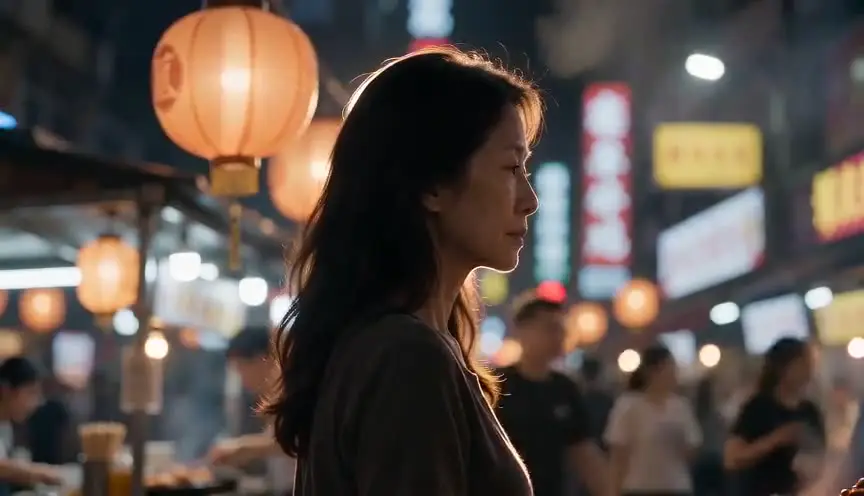
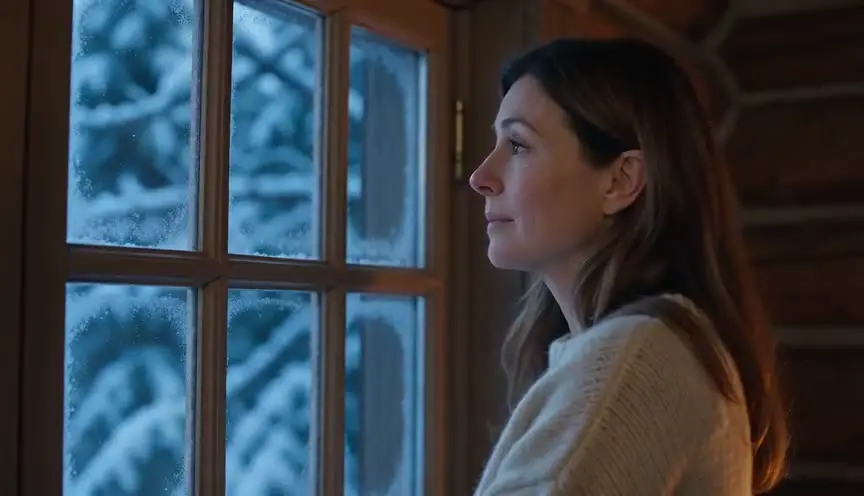
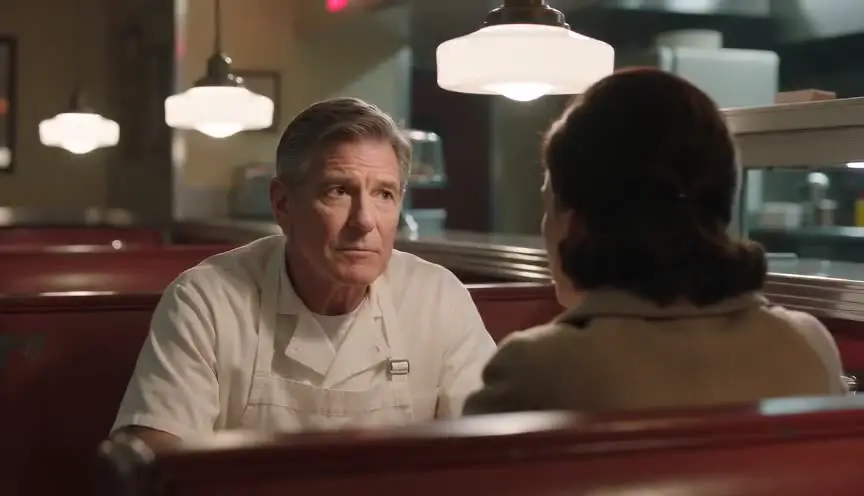
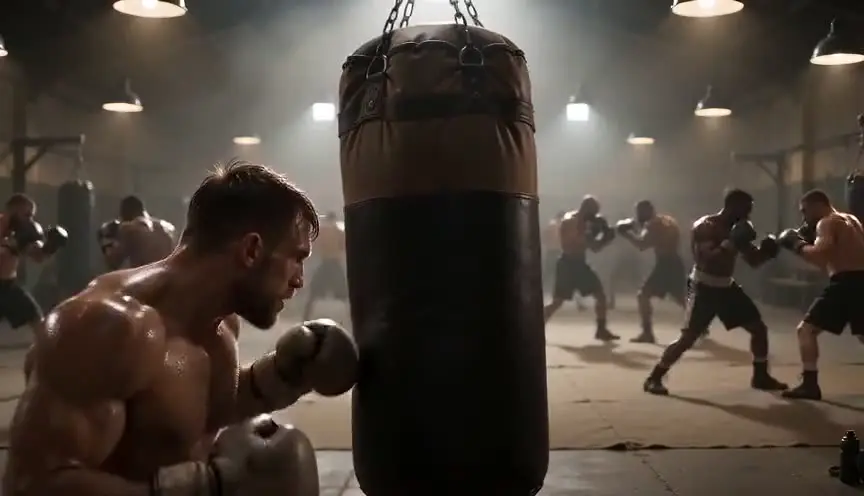
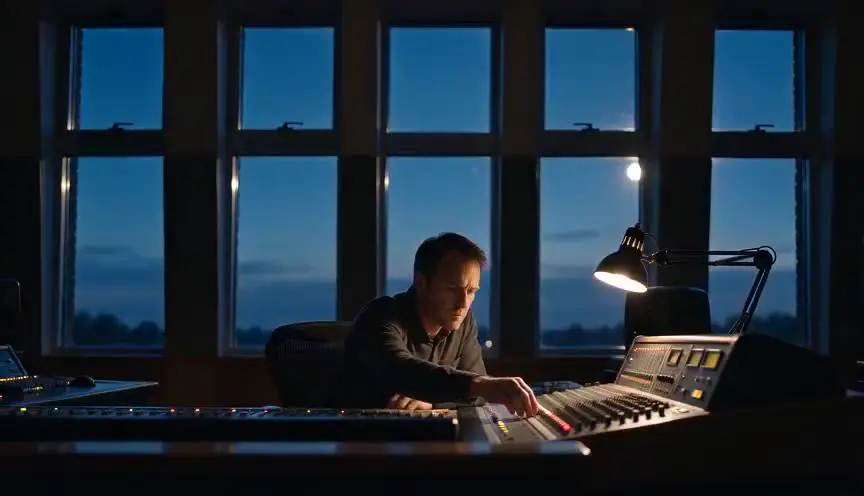
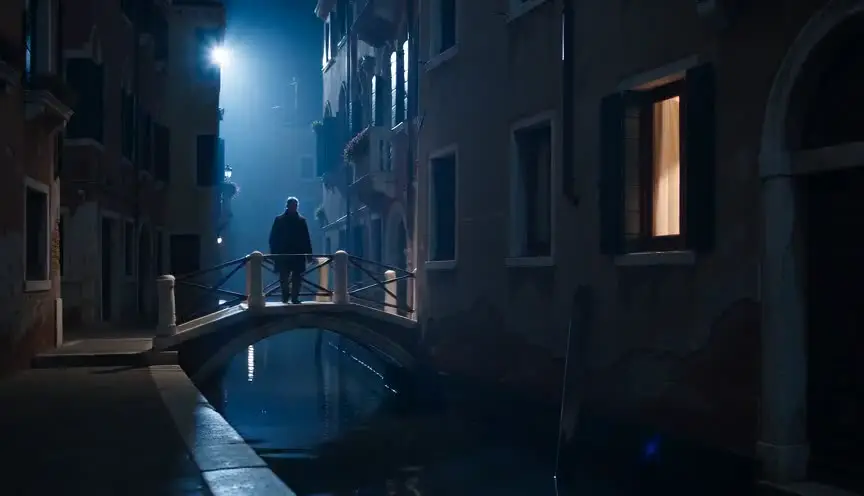
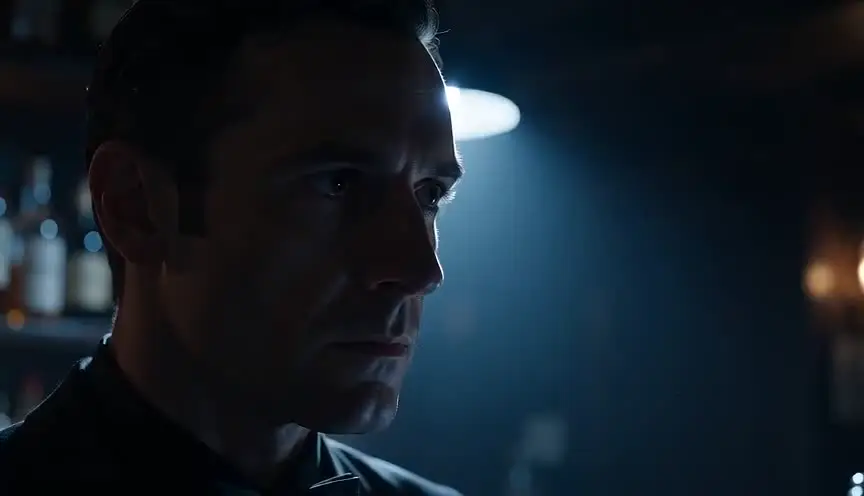
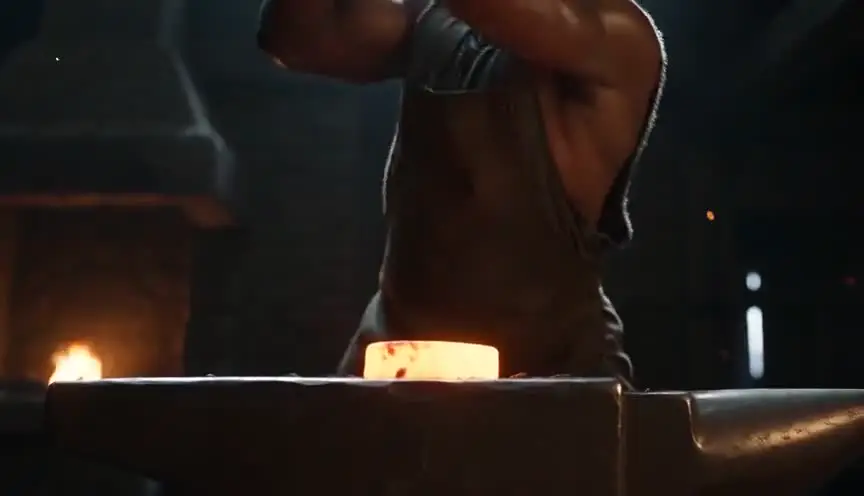
Light tells the audience how to feel before anyone speaks. Hard light and deep shadow bring tension, soft light brings intimacy, a single practical lamp brings loneliness. Most of a film's mood is decided here.
See all 38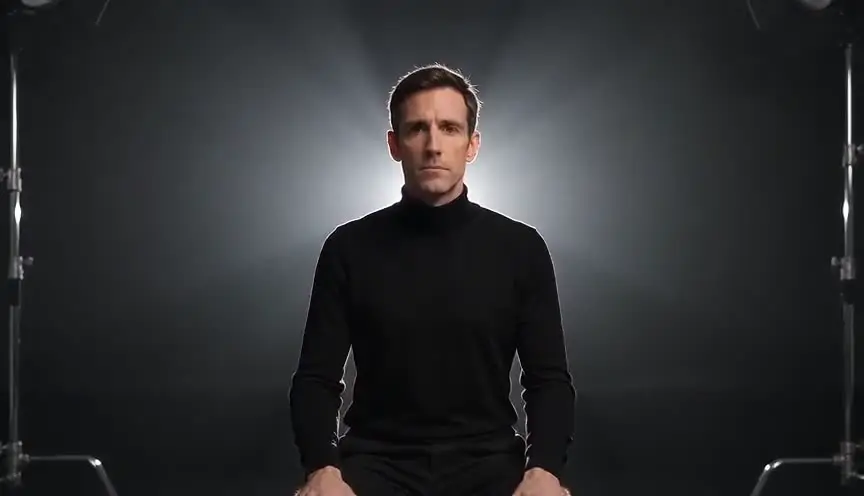
Three-point lighting
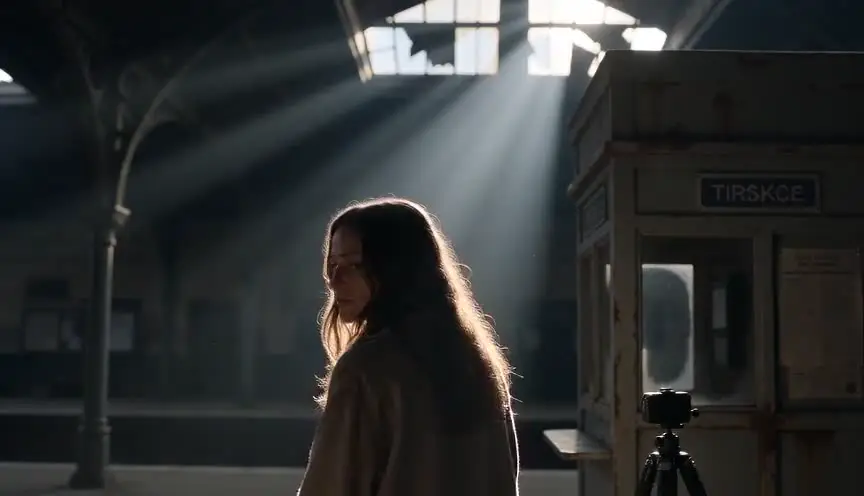
Key light
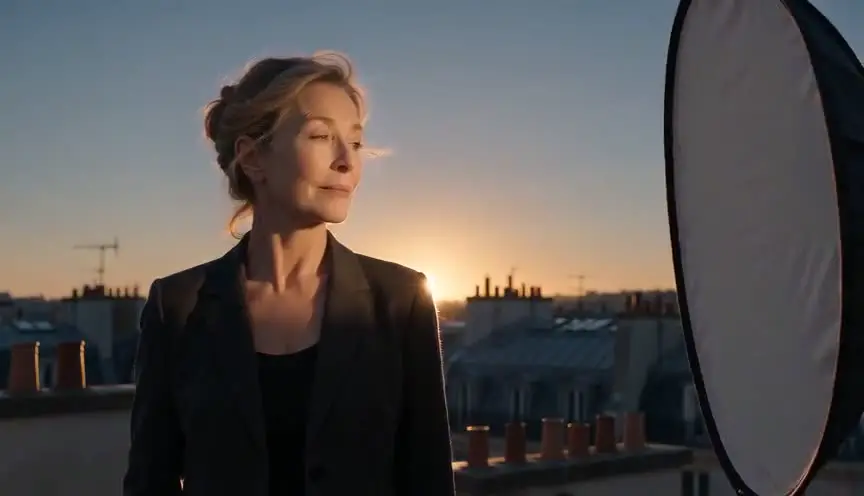
Fill light
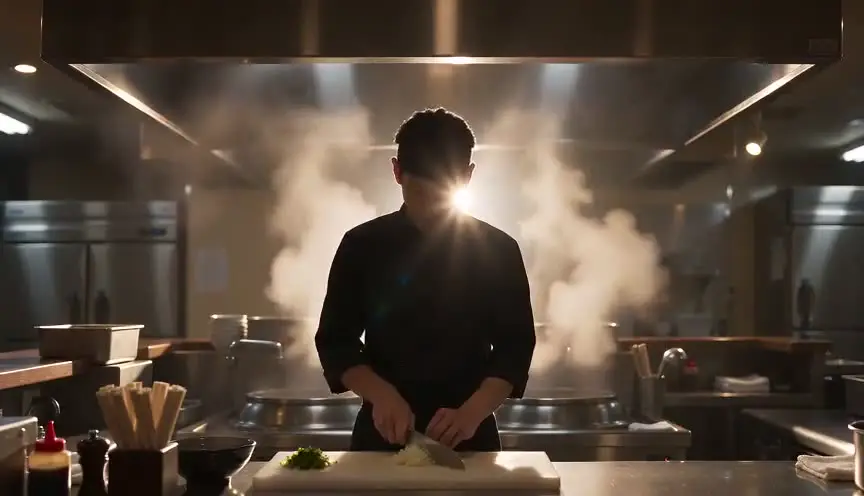
Backlight
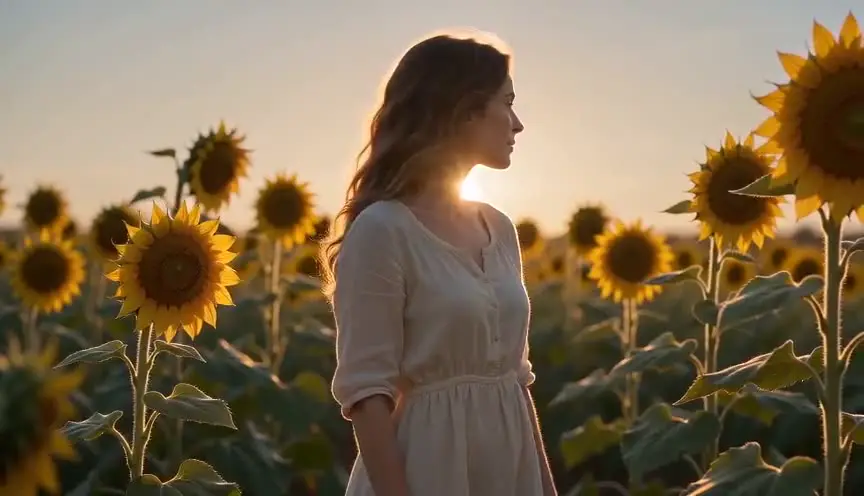
Rim light
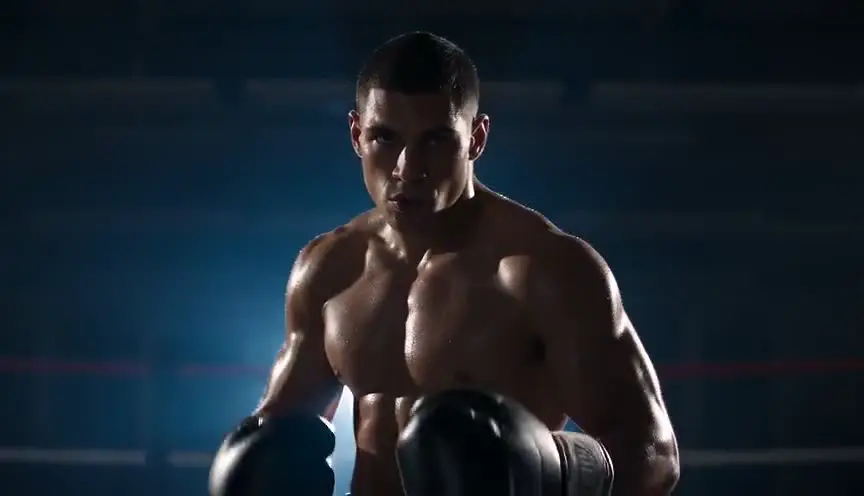
Kicker light
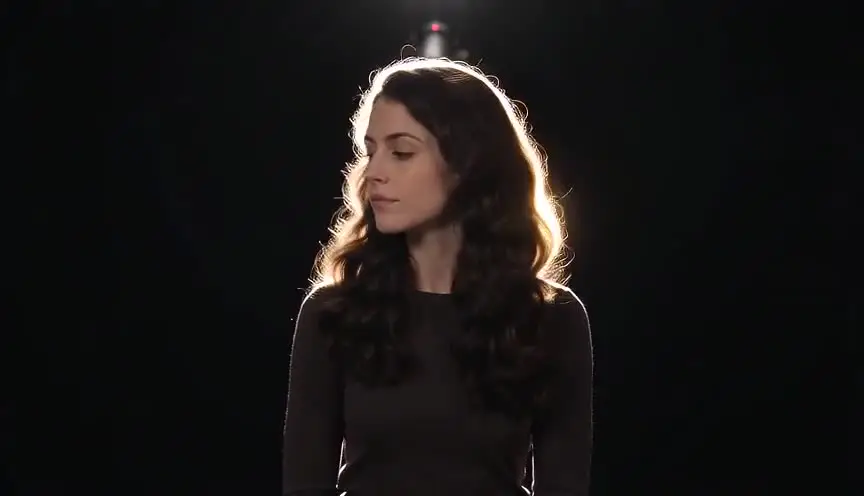
Hair light
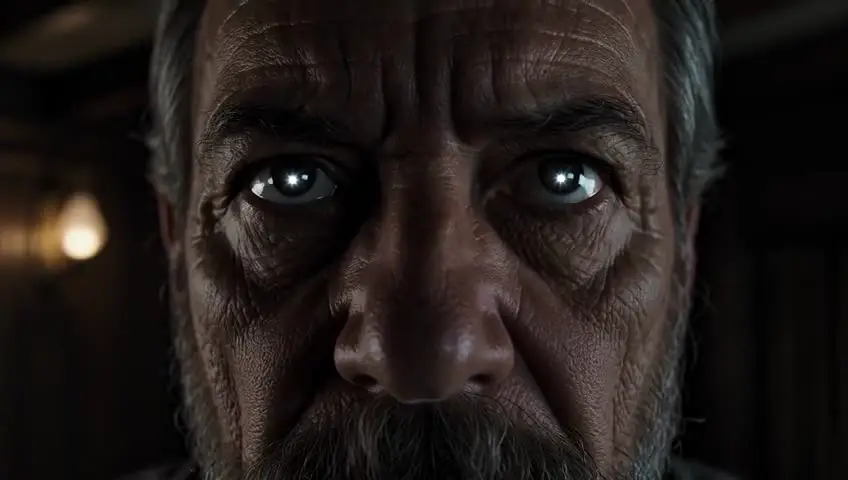
Eye light
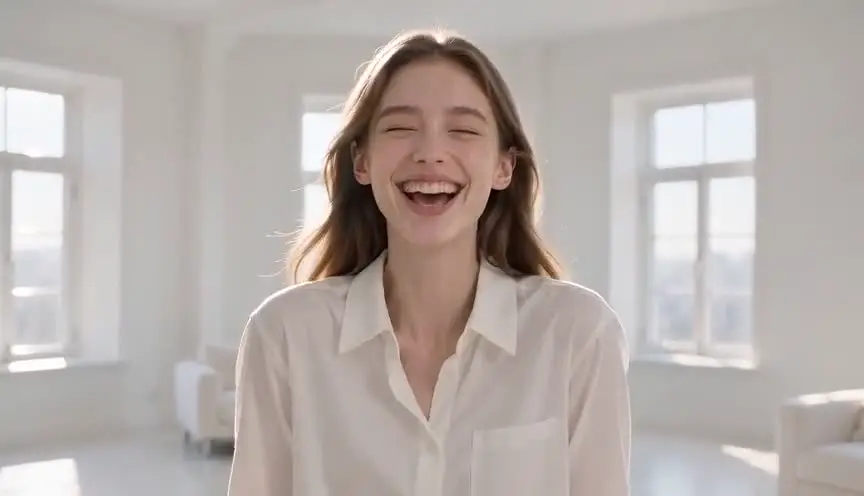
High-key lighting
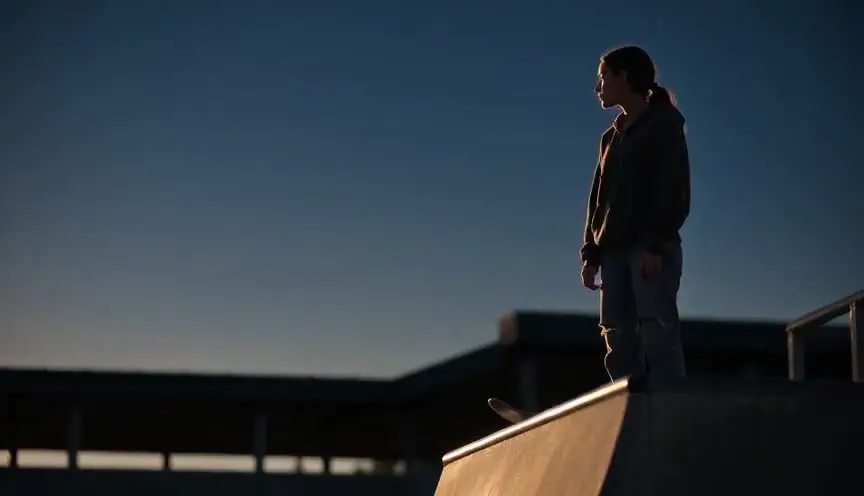
Low-key lighting
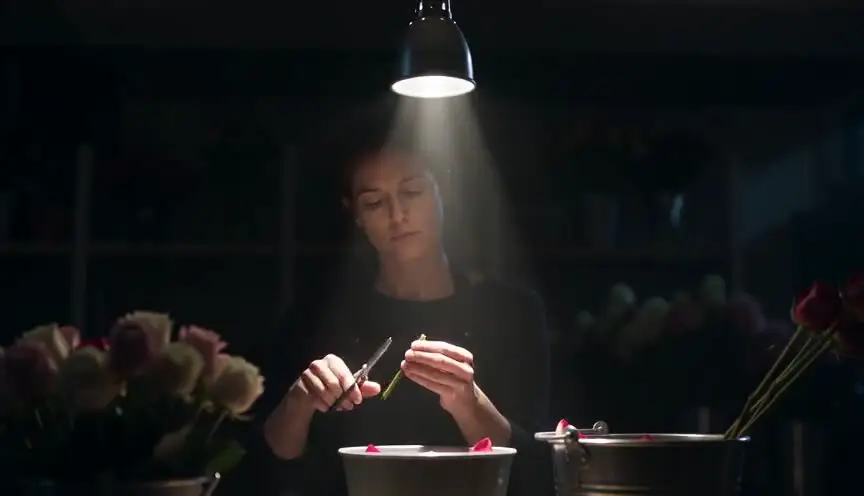
Chiaroscuro
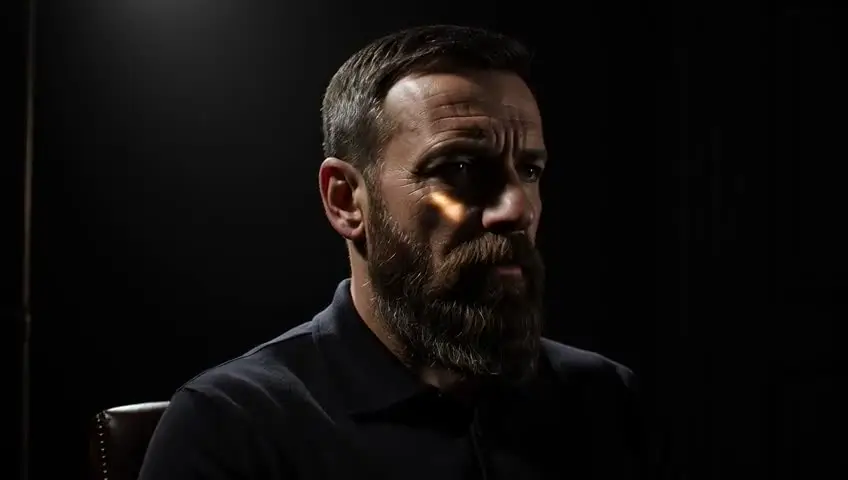
Rembrandt lighting
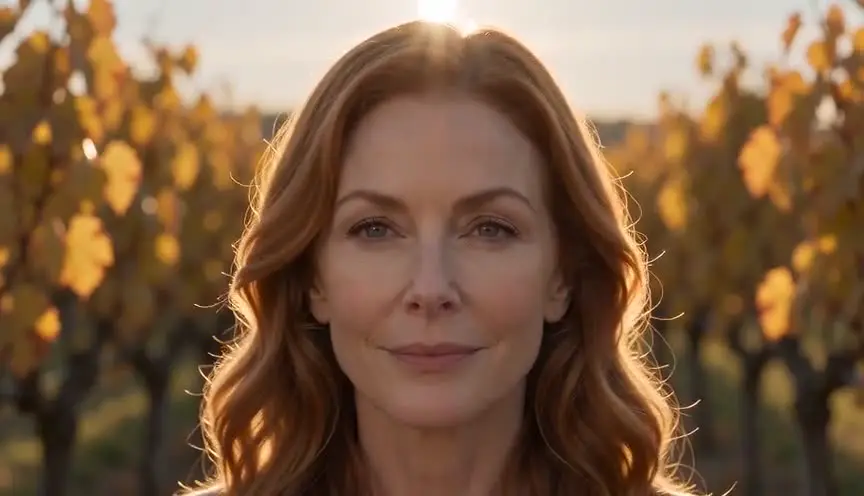
Butterfly lighting
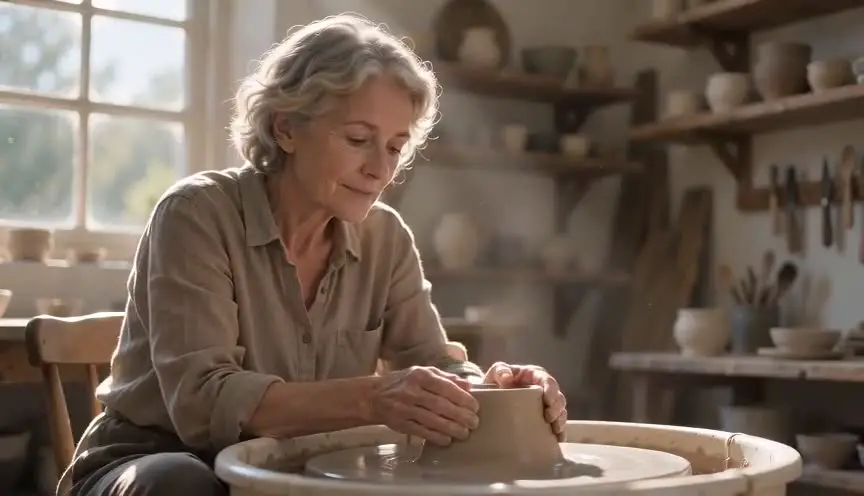
Loop lighting
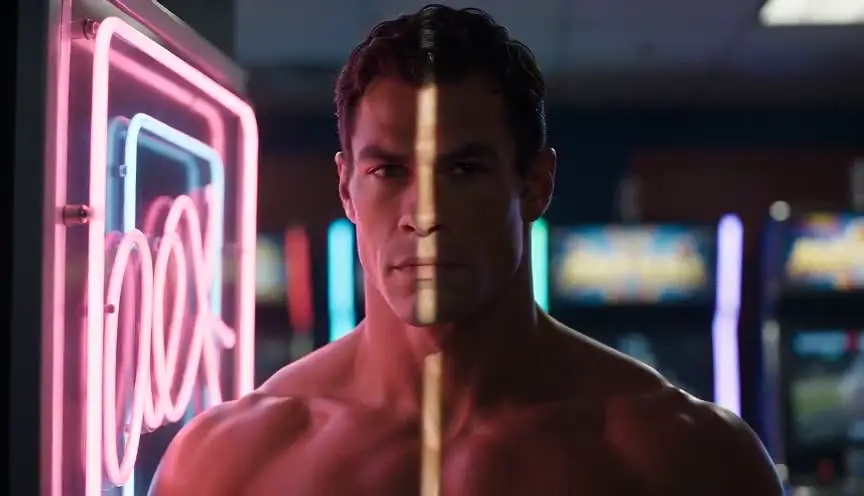
Split lighting
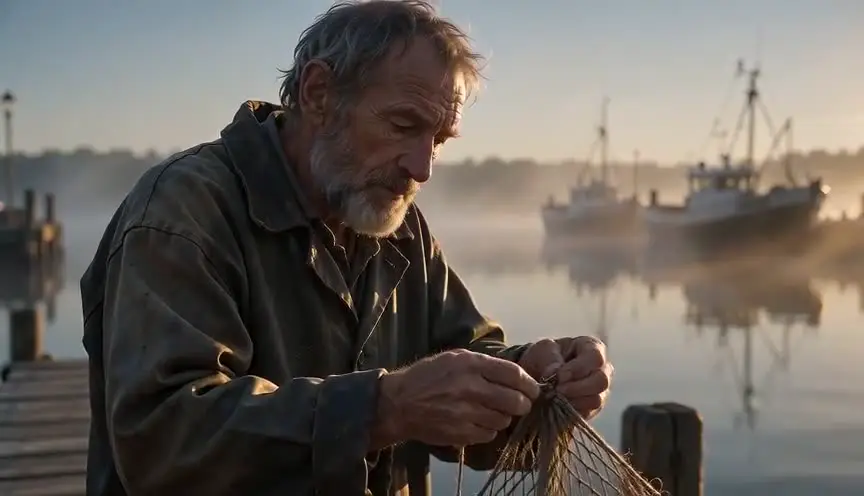
Short lighting
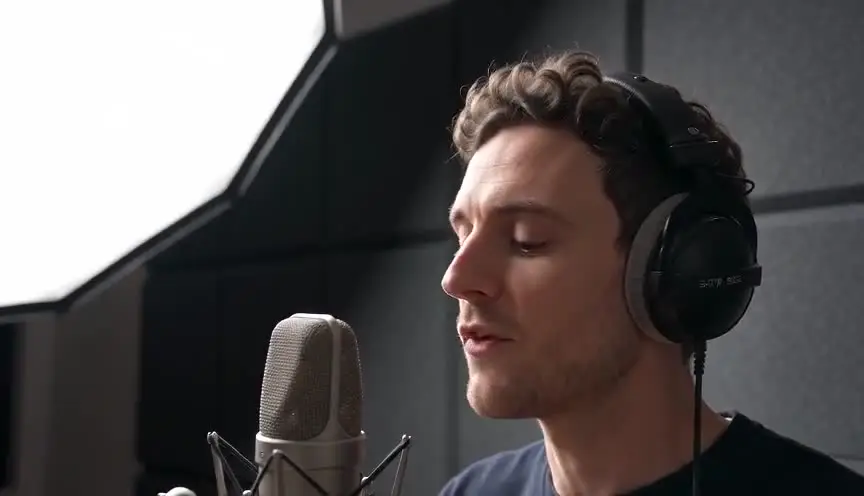
Broad lighting
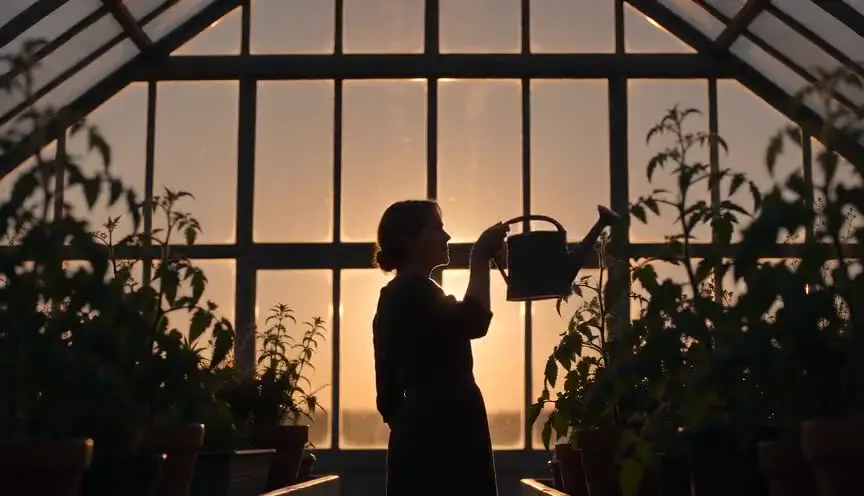
Silhouette
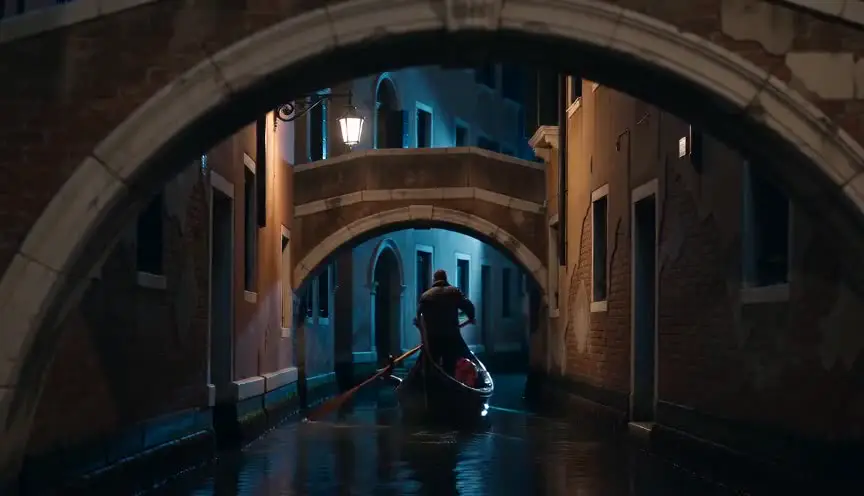
Motivated lighting
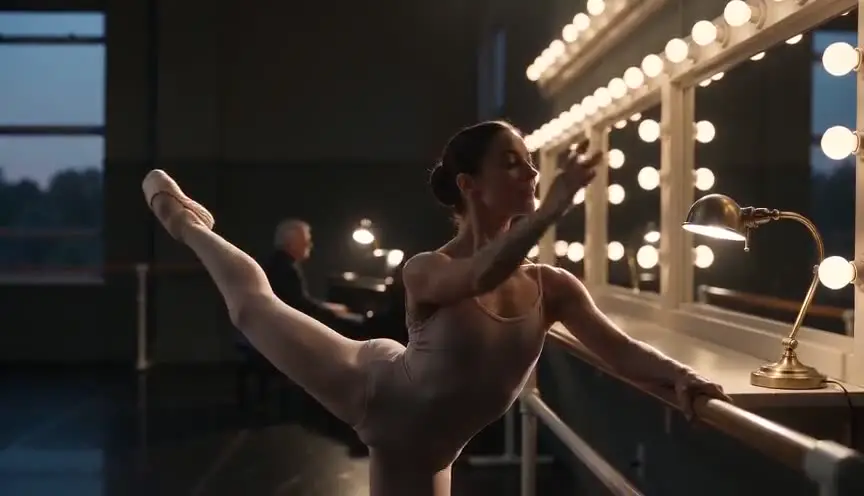
Practical lighting
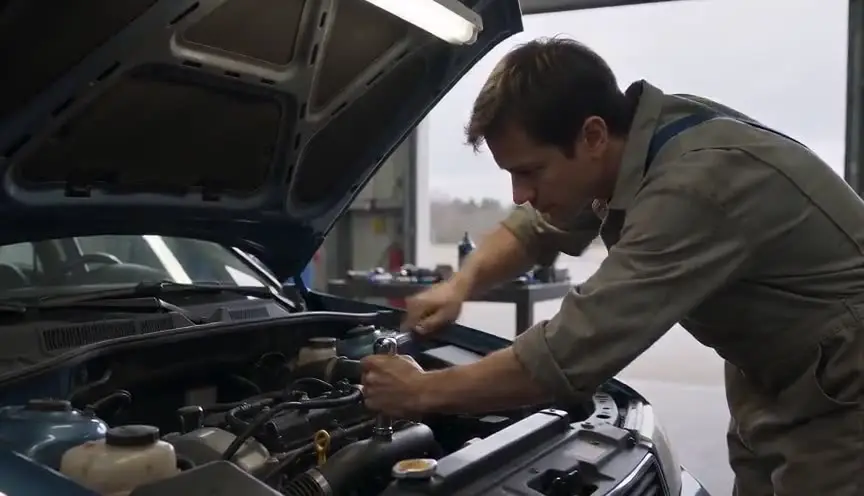
Available light
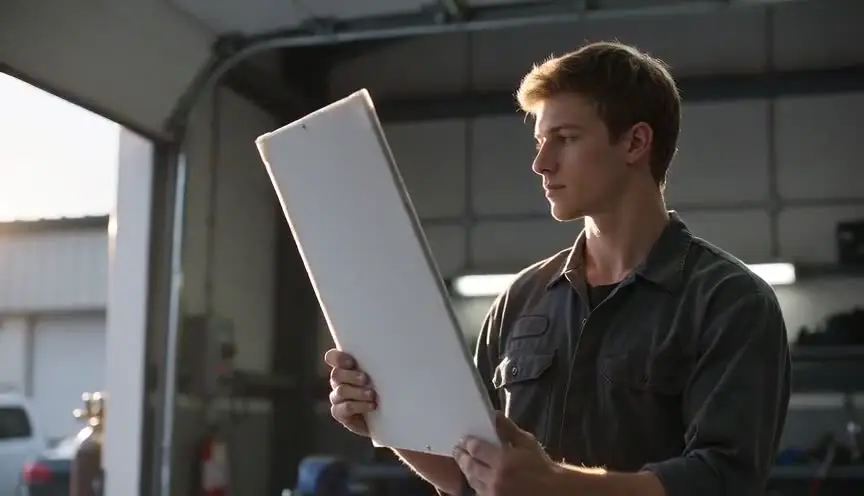
Bounce light
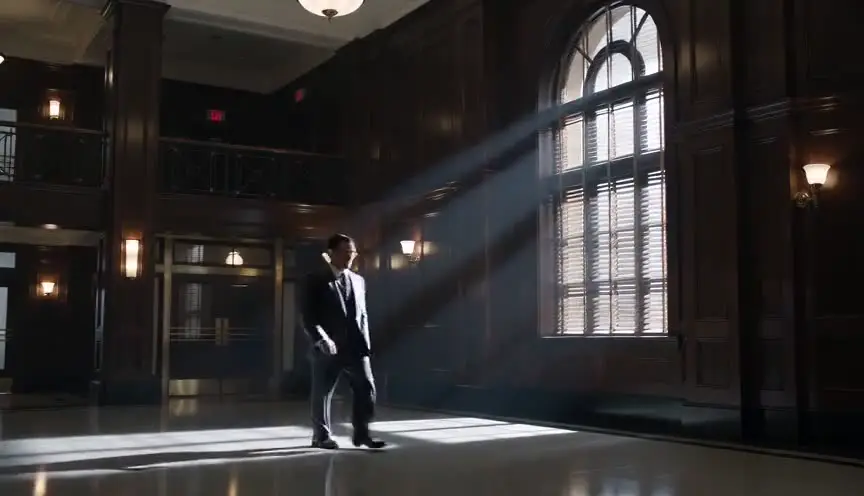
Hard light
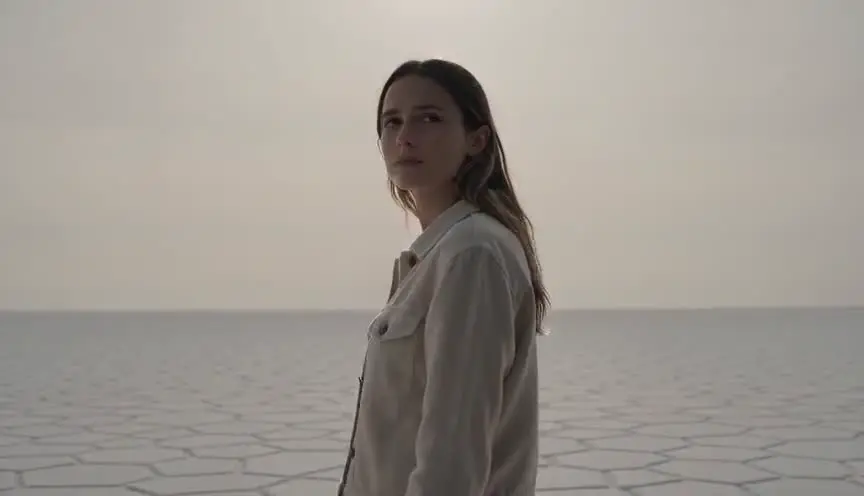
Soft light
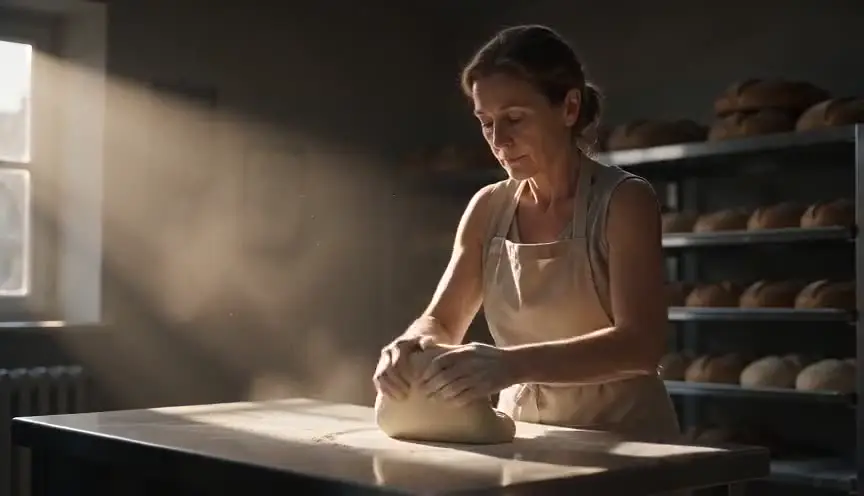
Side lighting
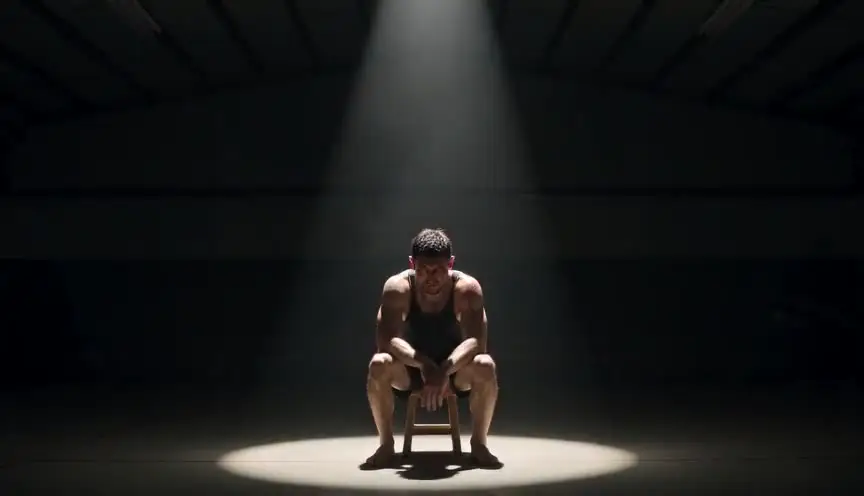
Top light
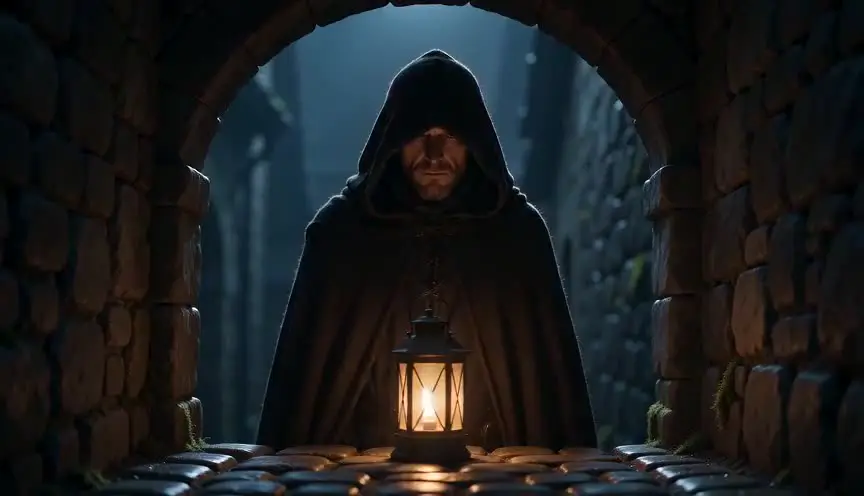
Underlighting
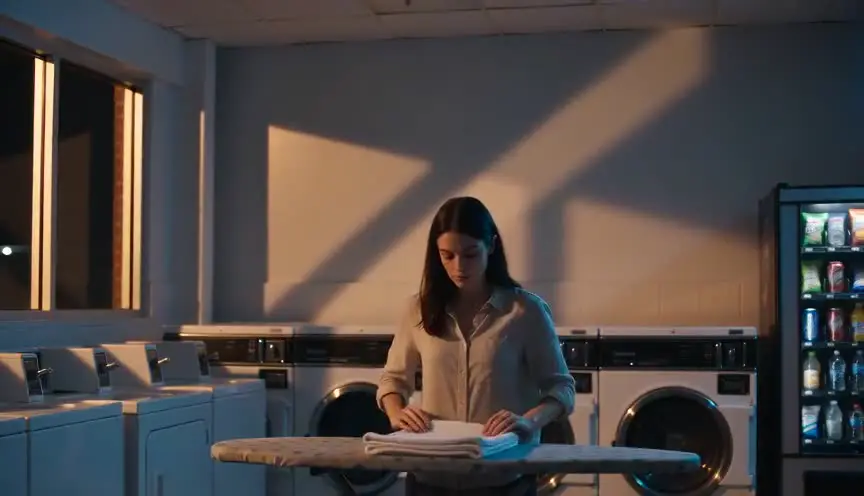
Cross lighting
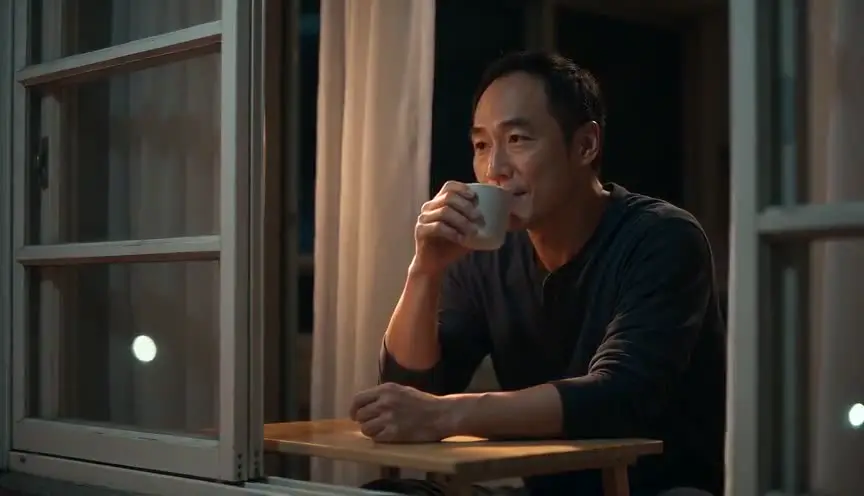
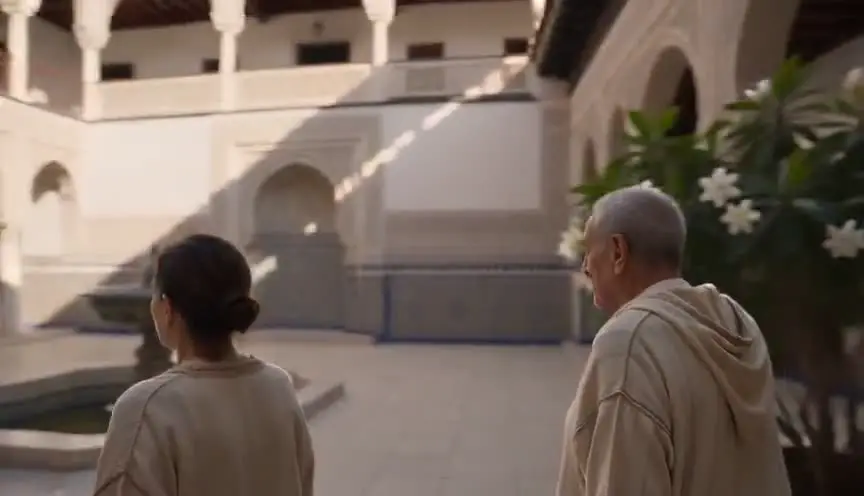
Window light
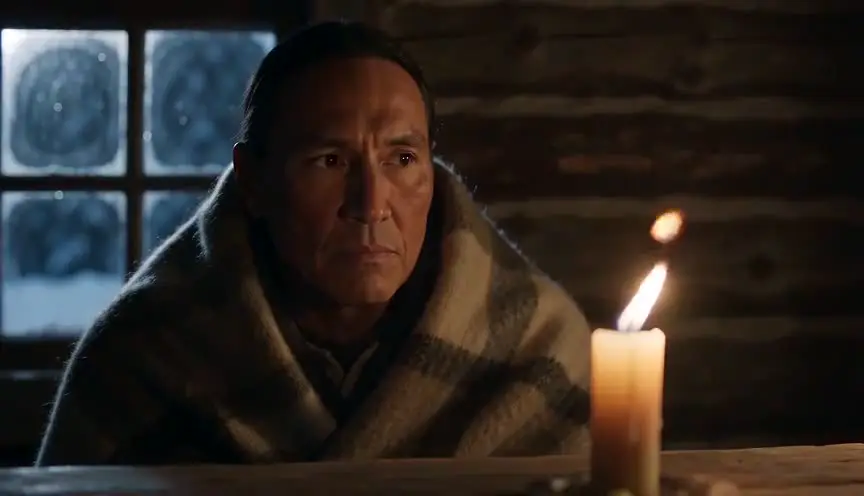
Candlelight
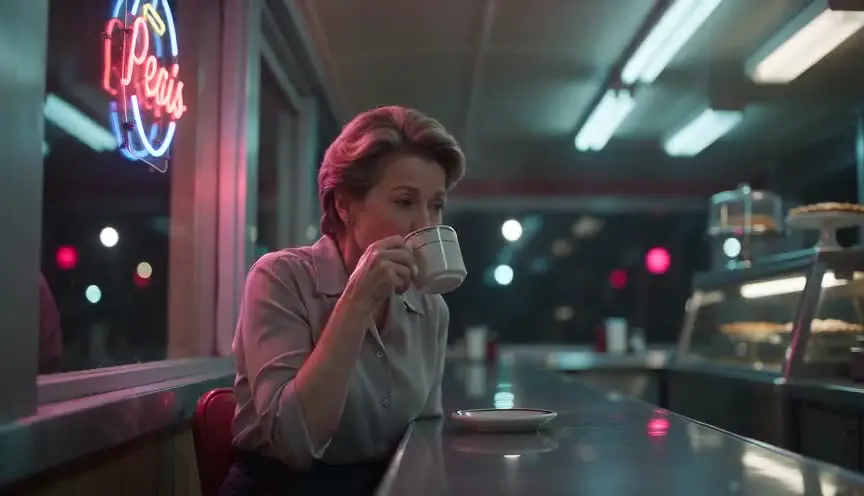
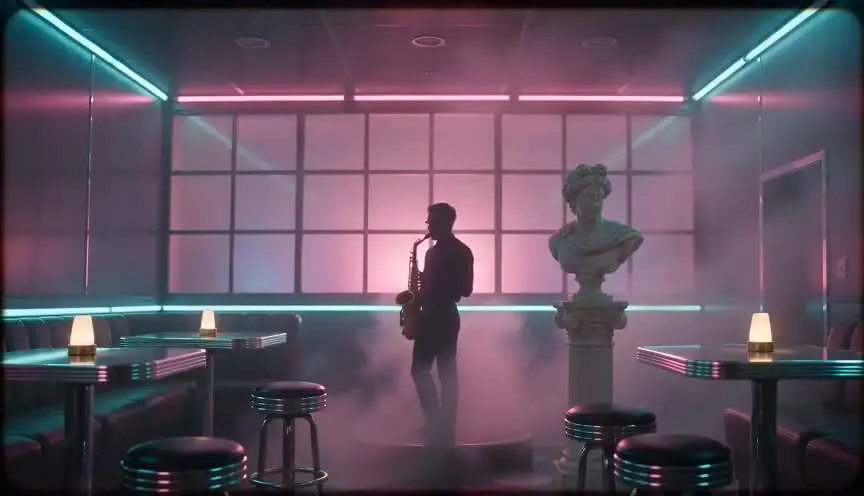
Neon lighting
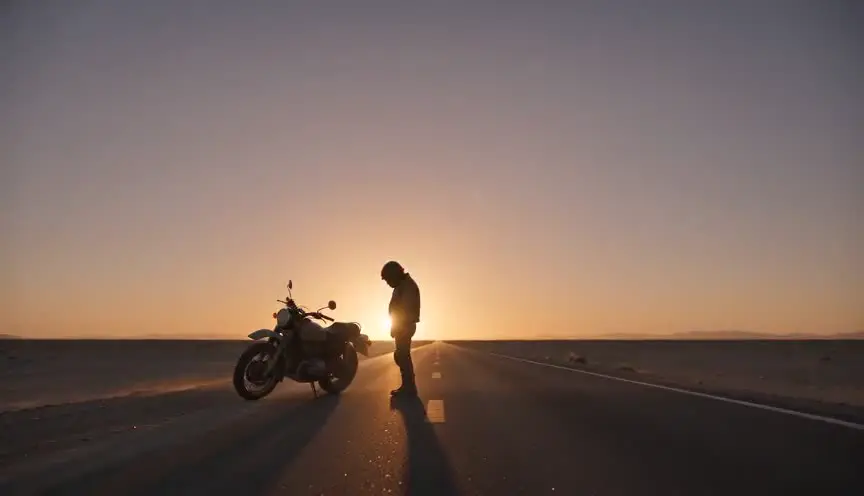
Golden hour
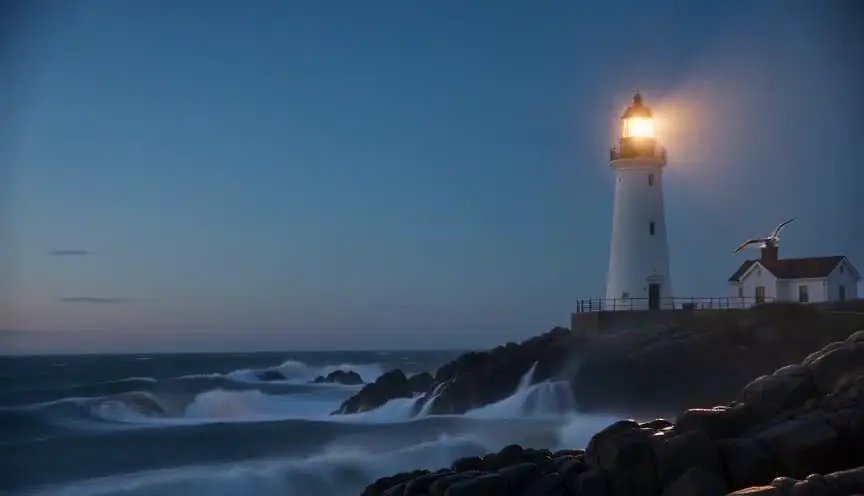
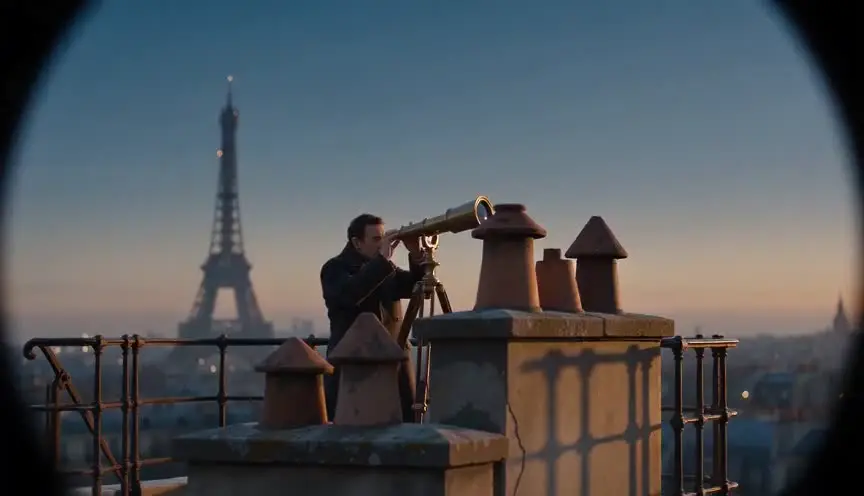
Blue hour
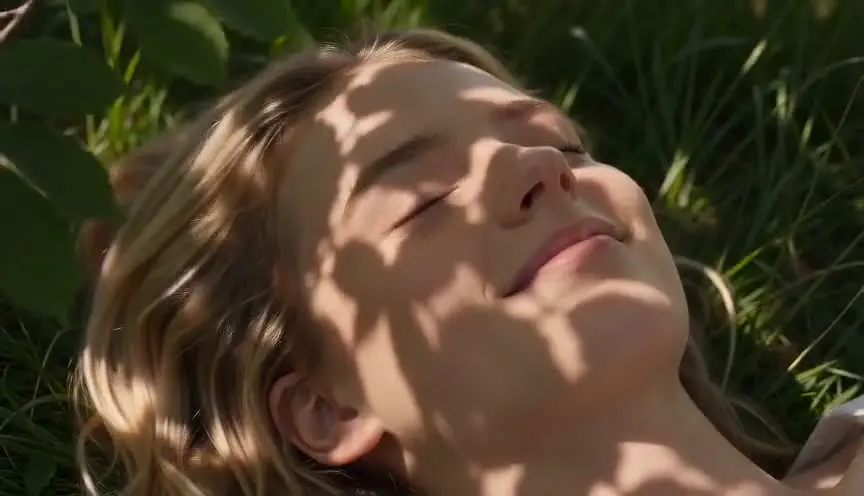
Dappled light
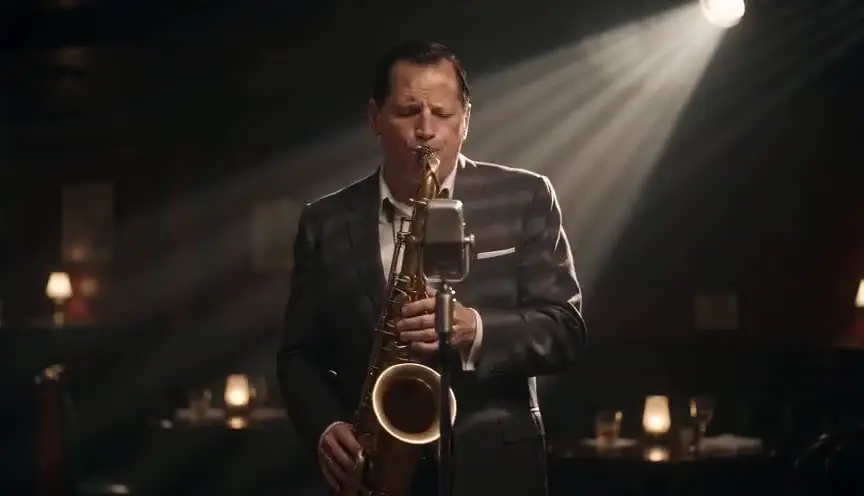
Gobo lighting
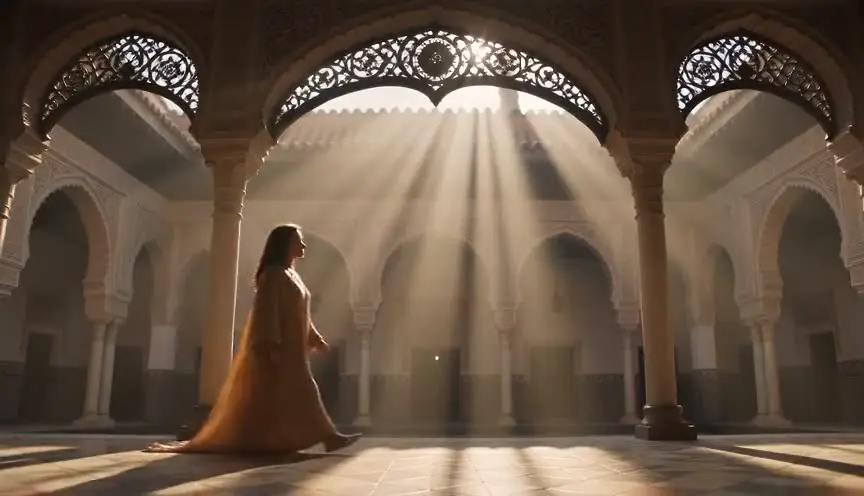
Volumetric light
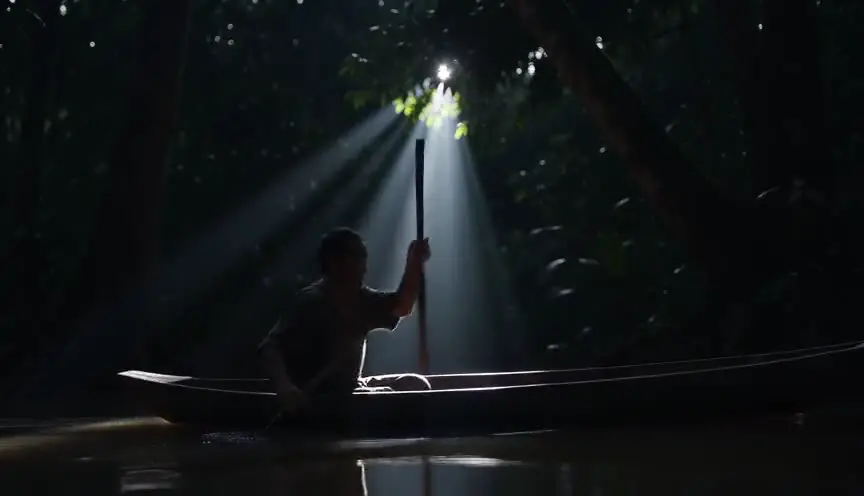
Cameo lighting
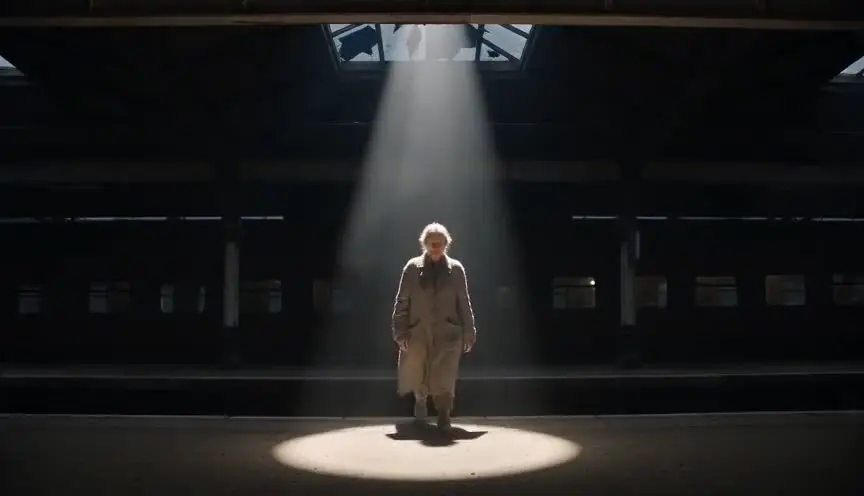
Spotlight
Composition
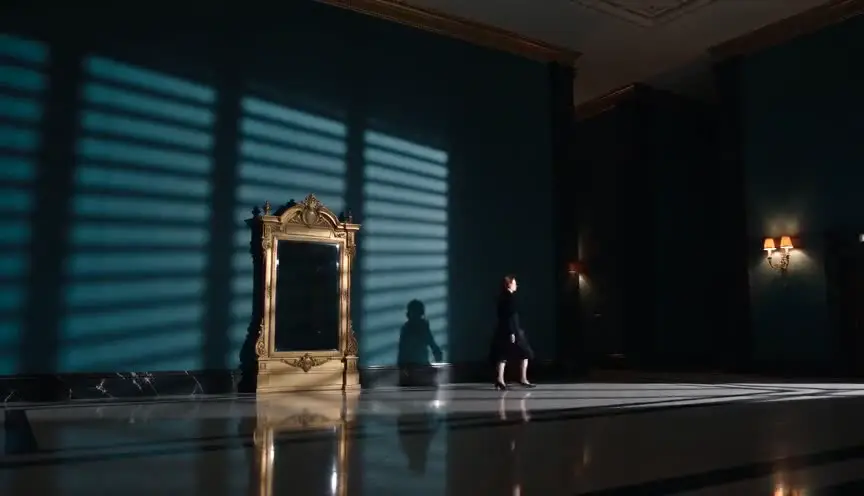
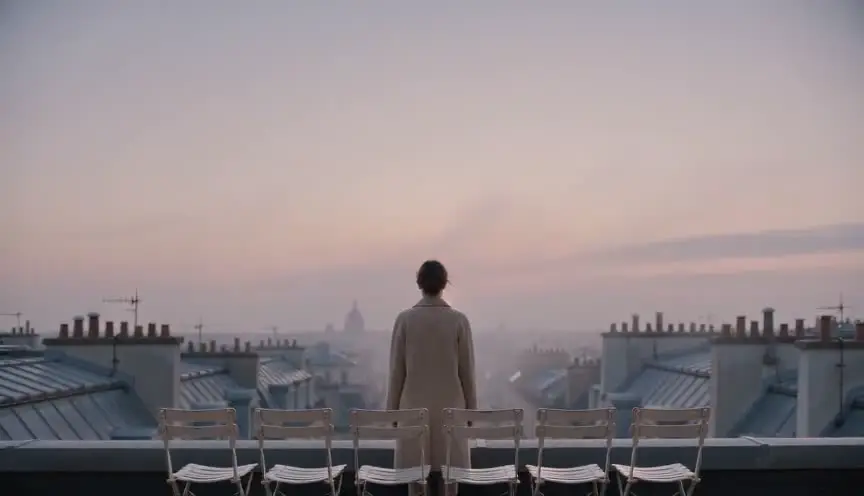
Composition is the grammar of a single frame: who is big, who is small, who is centered, who is pushed to the edge. It tells the audience where to look and what the relationship between people and places is.
See all 25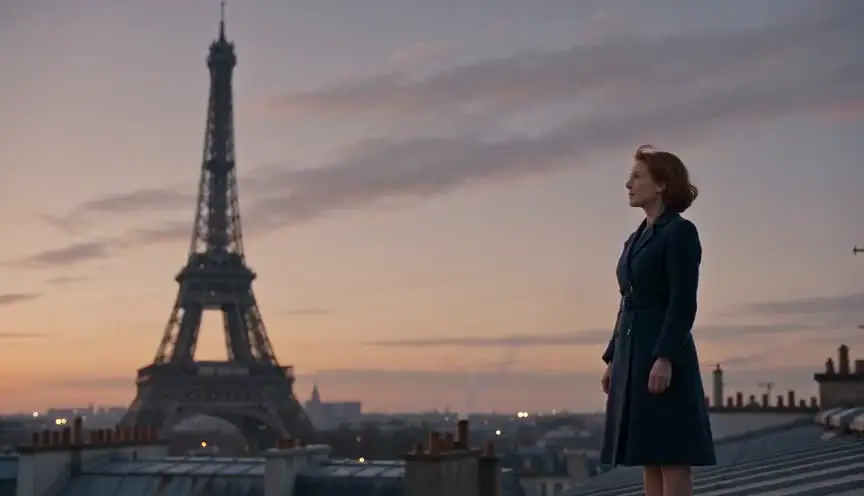
Rule of thirds
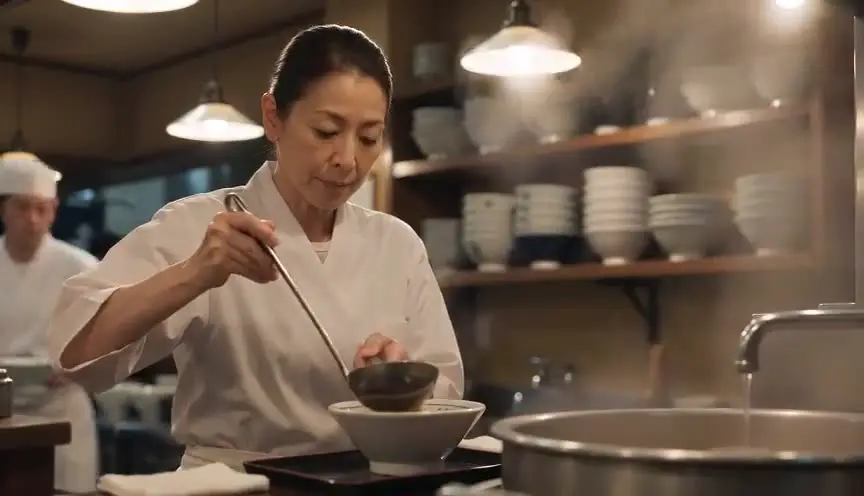
Golden ratio
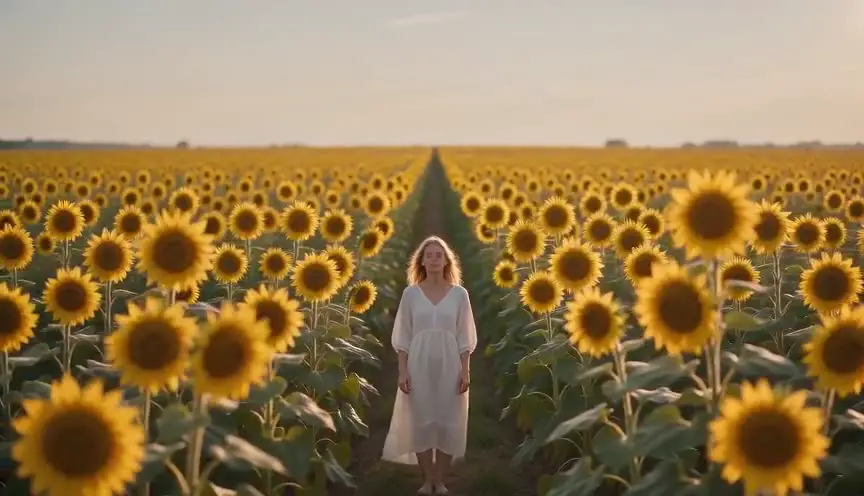
Centered composition
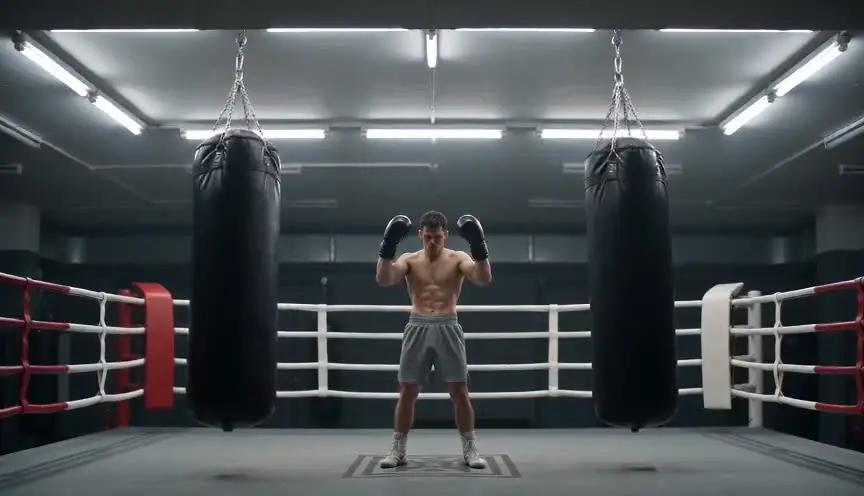
Symmetry
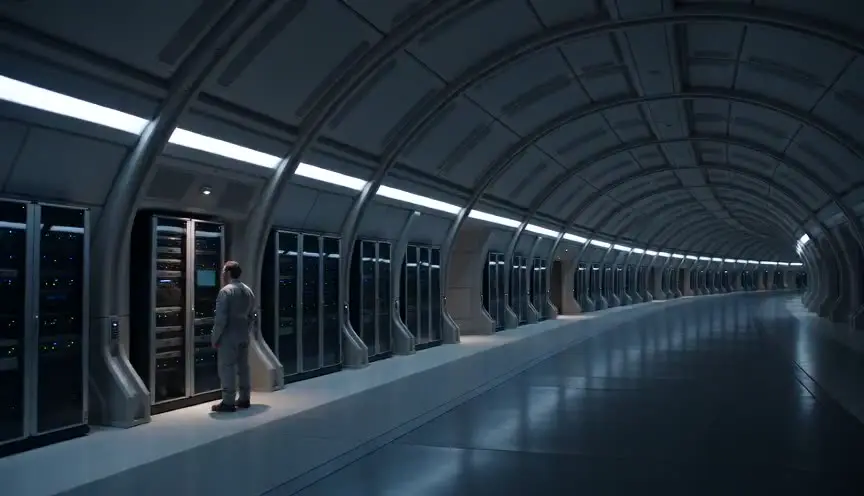
Asymmetry
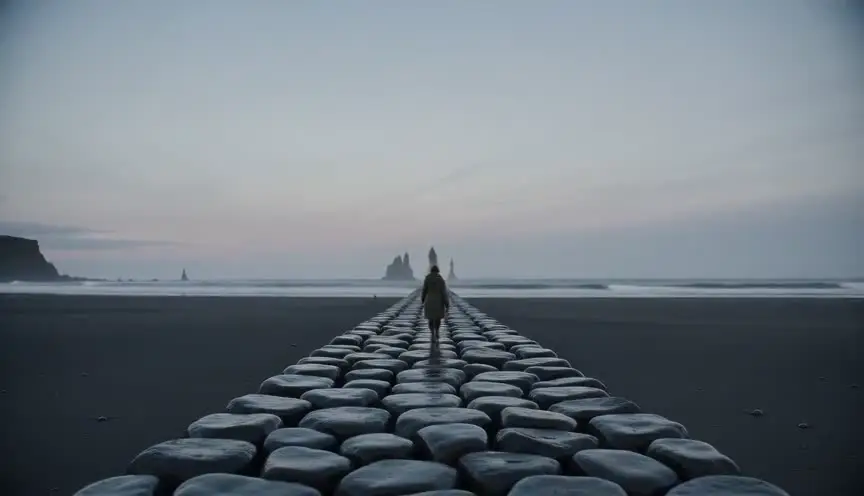
Leading lines
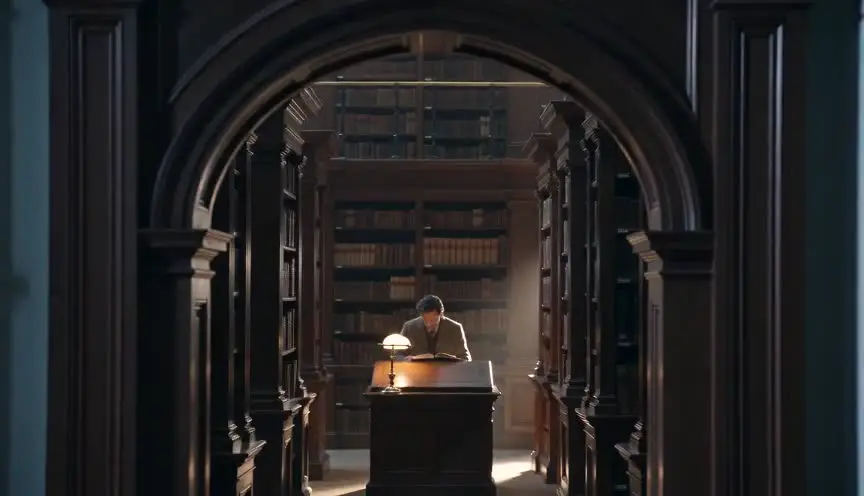
Frame within a frame
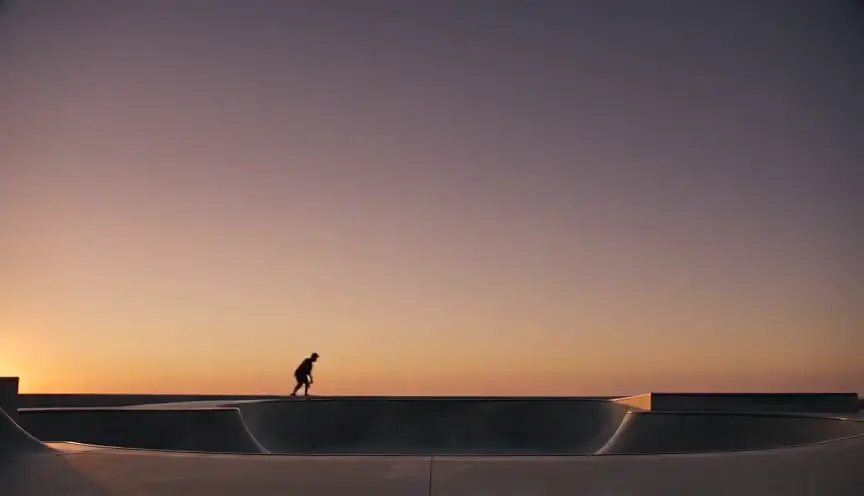
Negative space
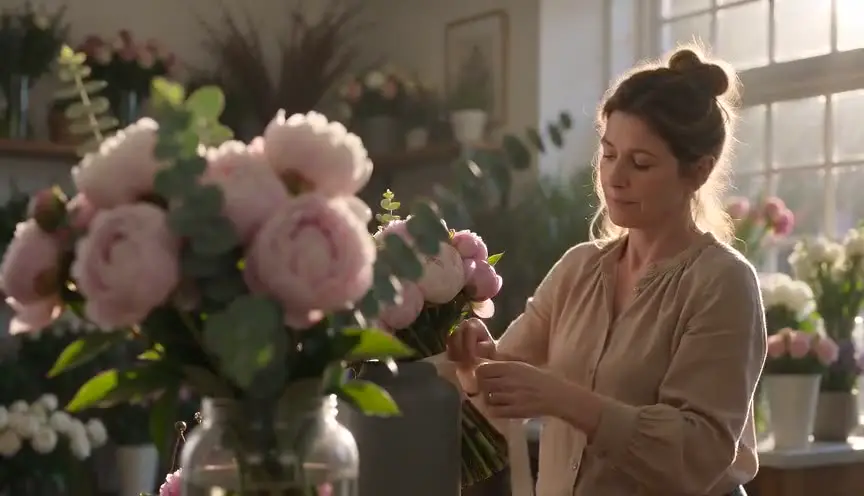
Foreground interest
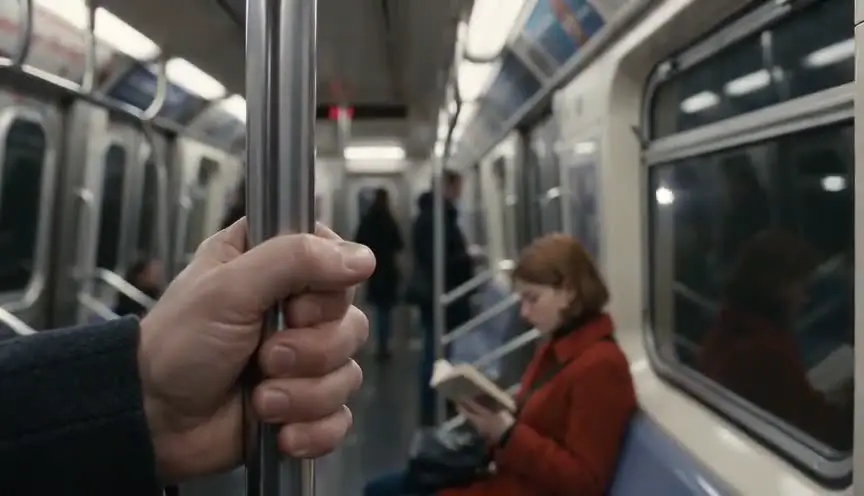
Layered depth
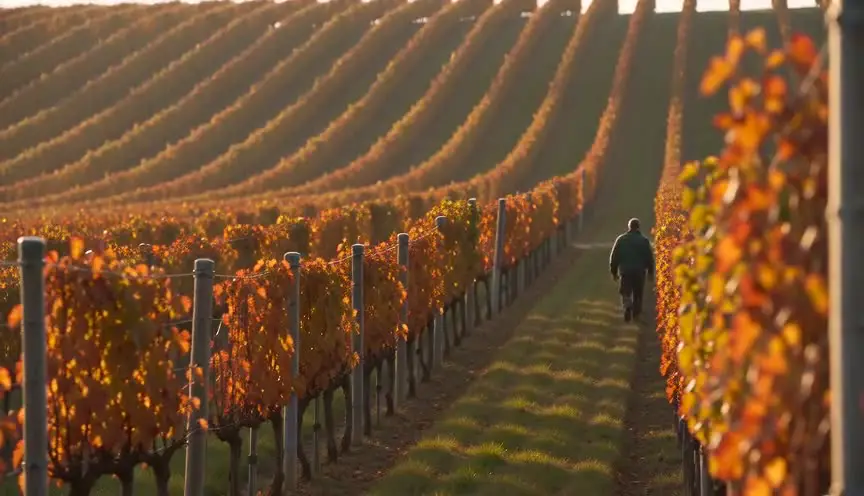
Diagonal composition
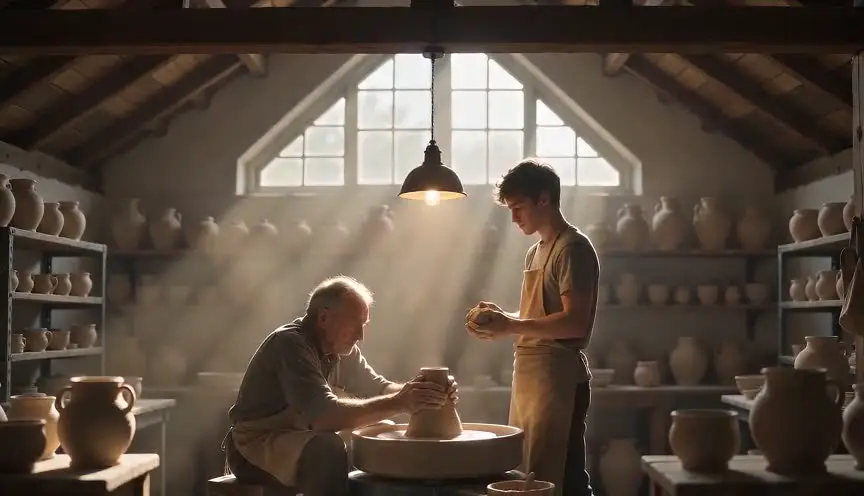
Triangular composition
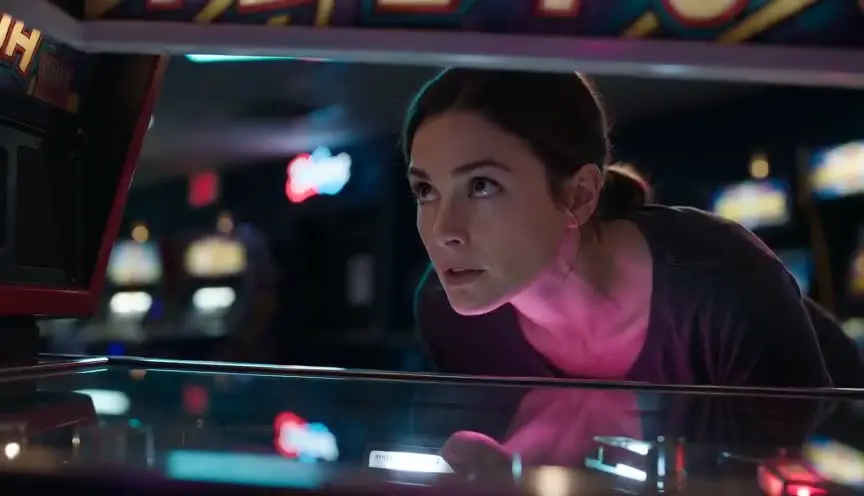
Headroom
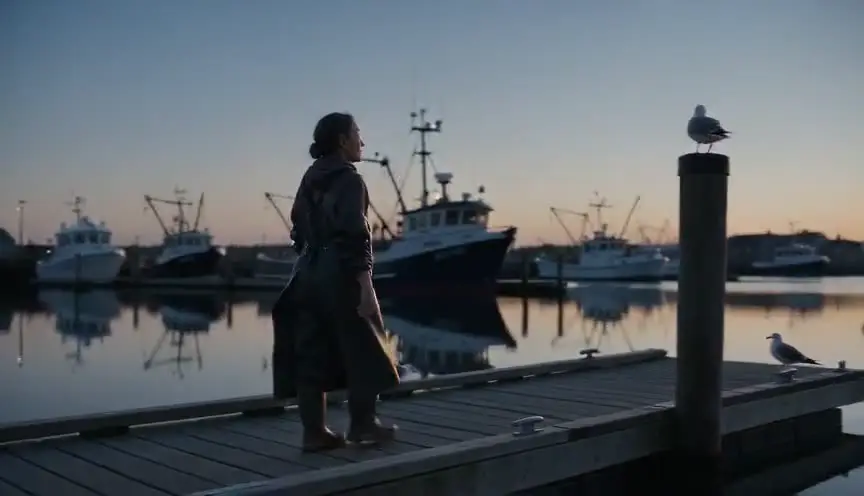
Lead room
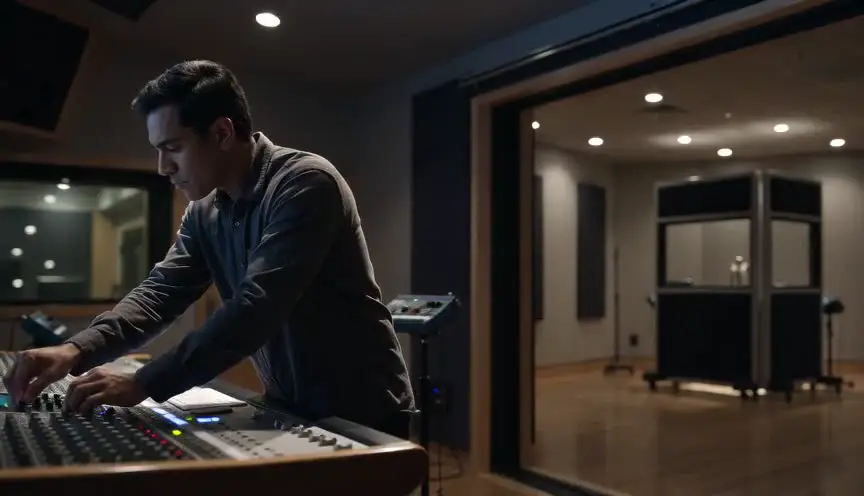
Short siding
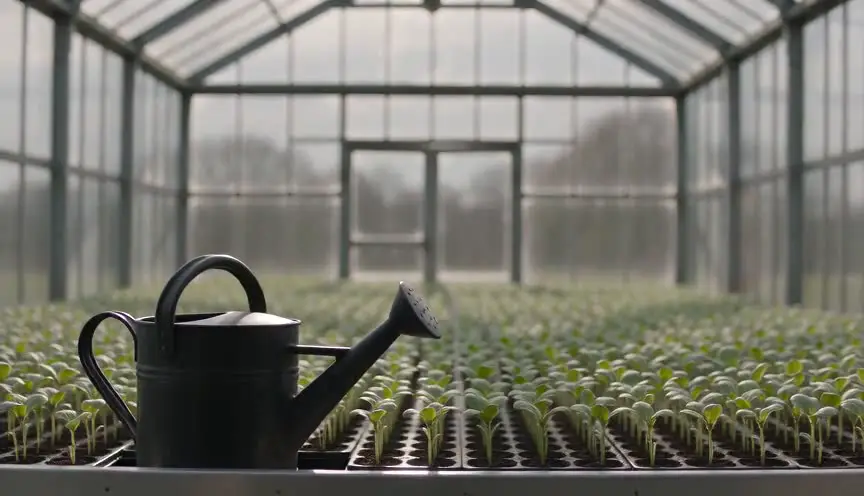
Visual weight
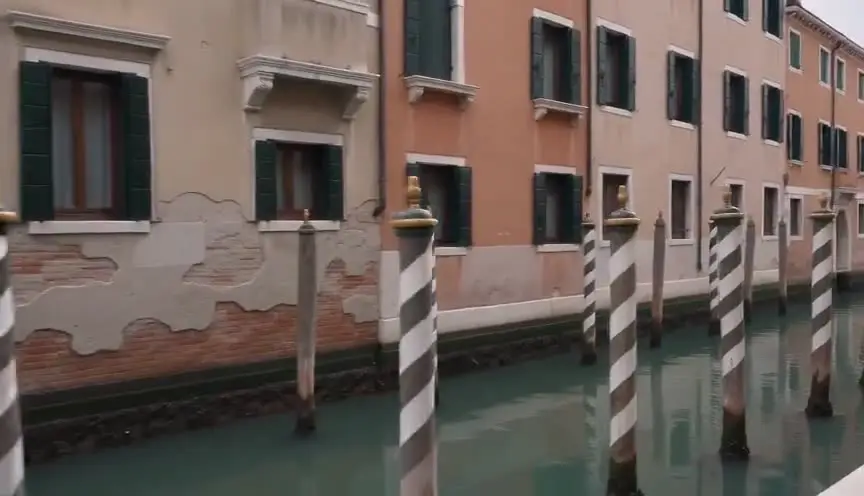
Repetition and pattern
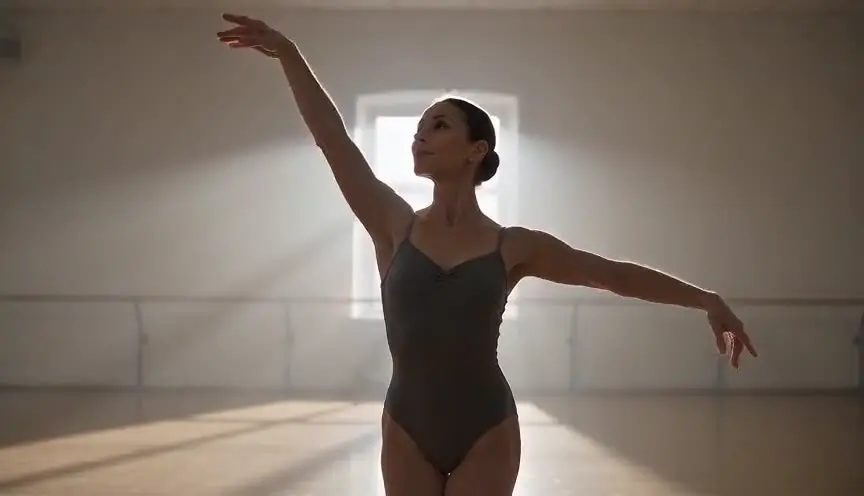
Figure-ground
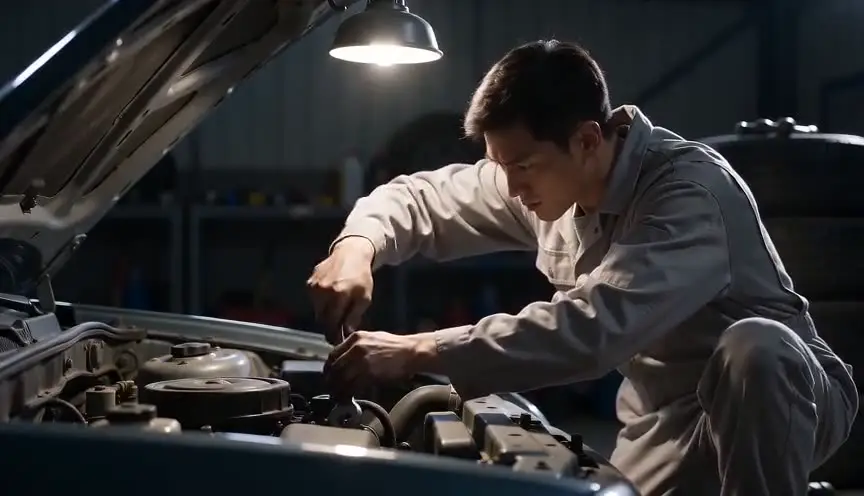
Tonal contrast
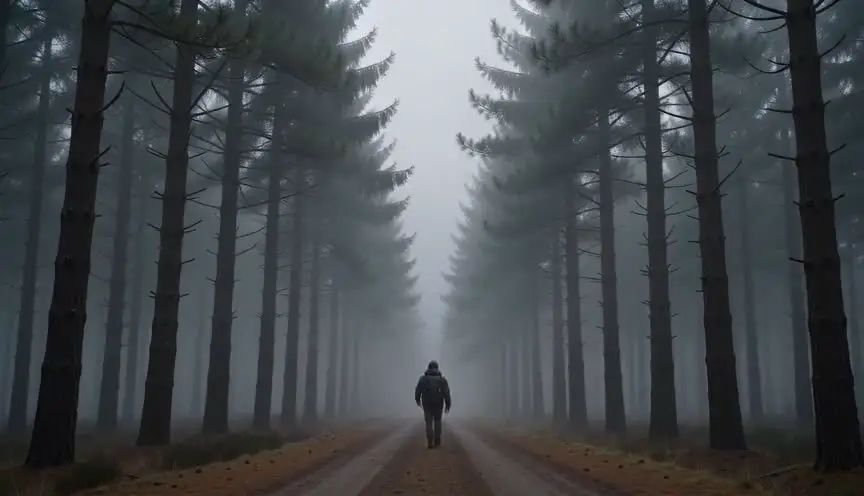
One-point perspective
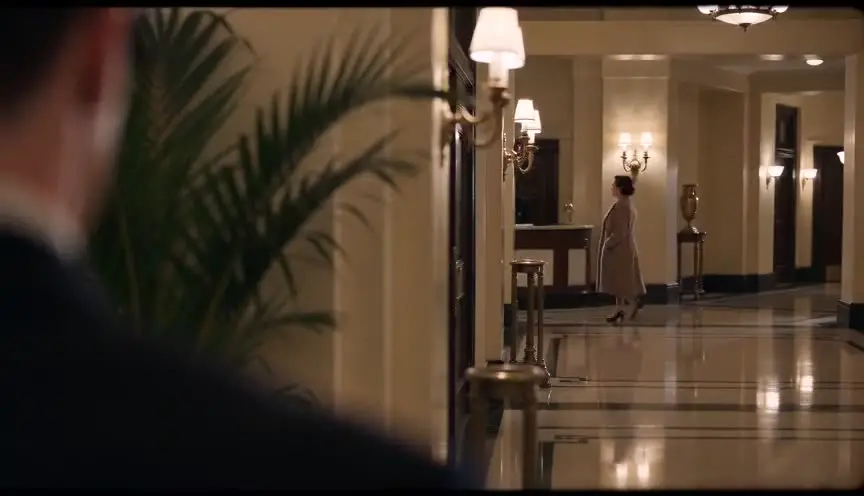
Dirty frame
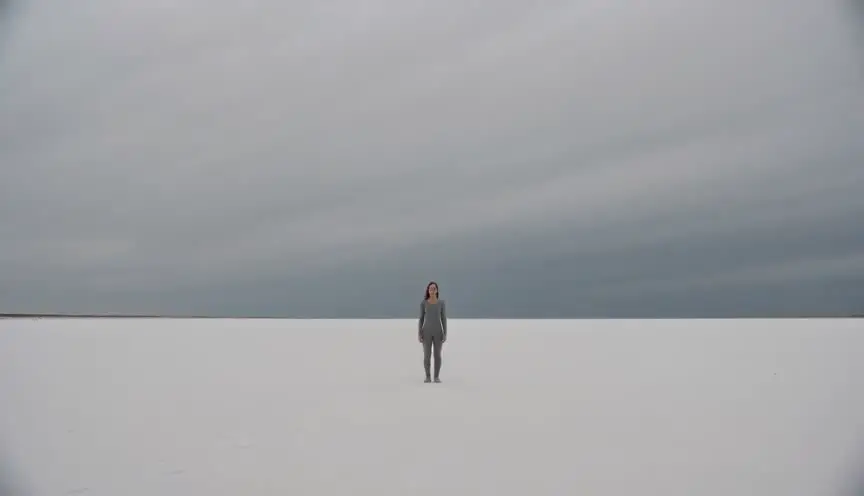
Clean frame
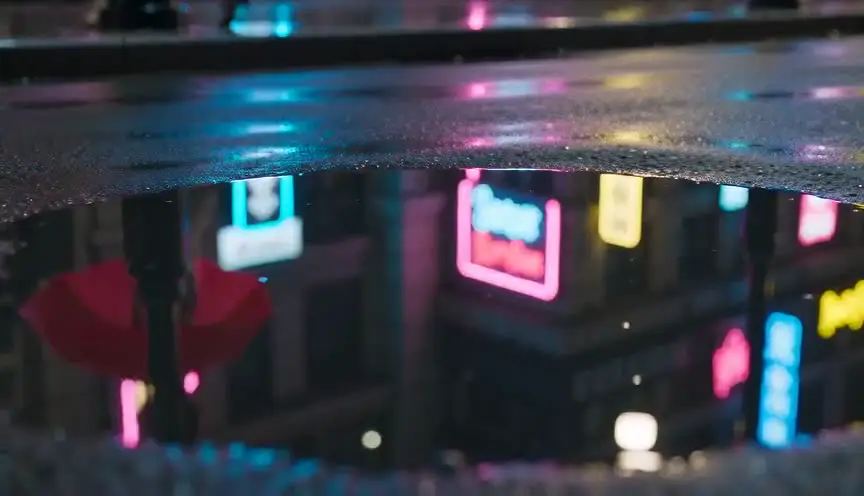
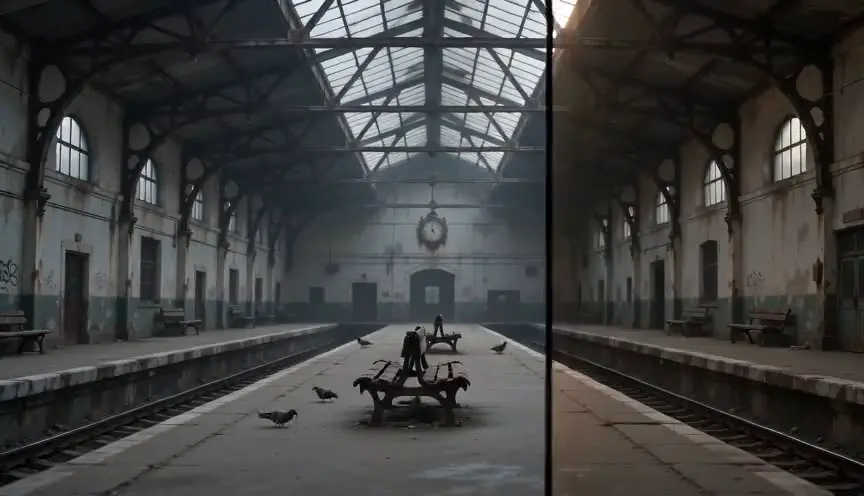
Reflection shot
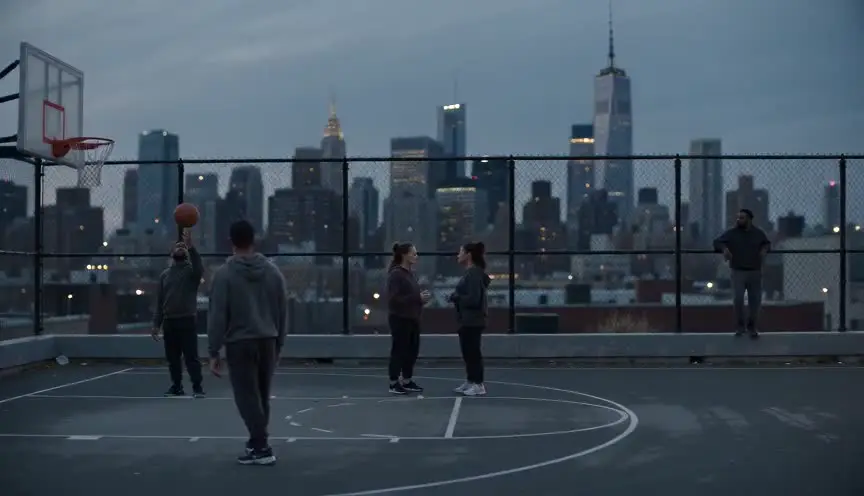
Tableau shot
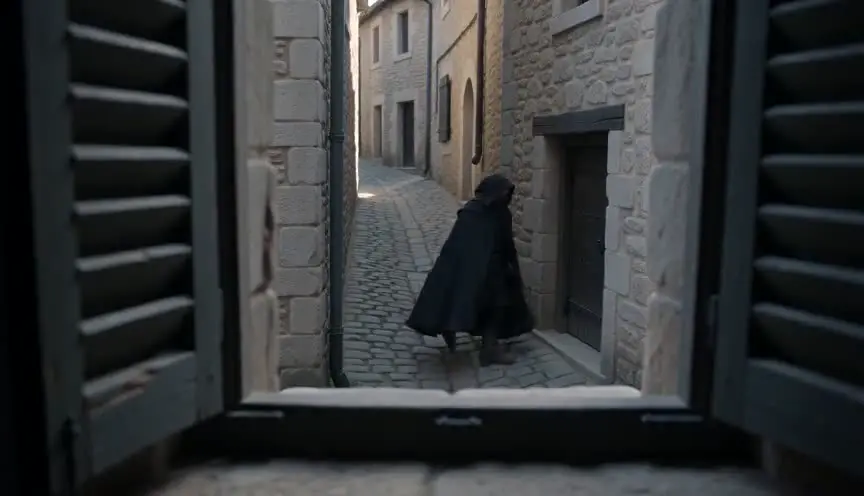
Voyeur shot
Lenses and optics
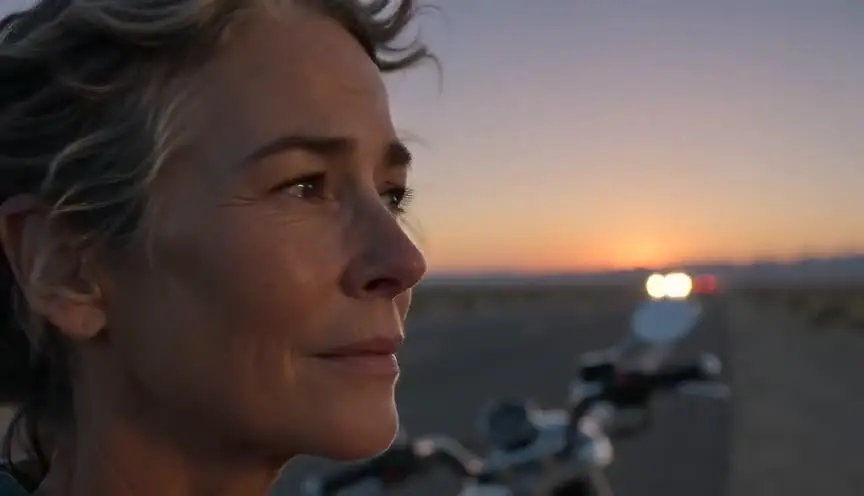
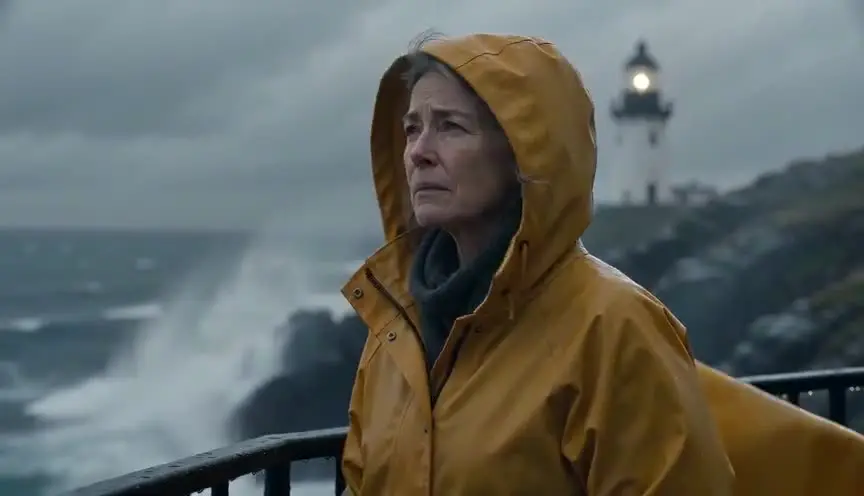
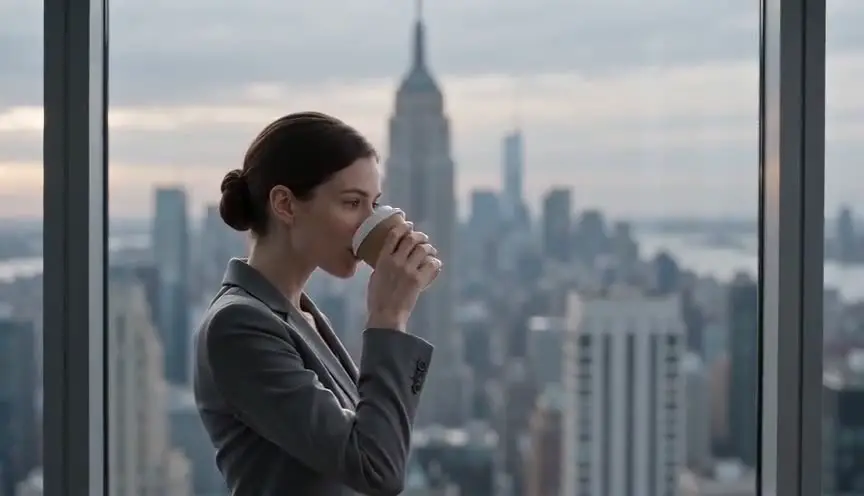
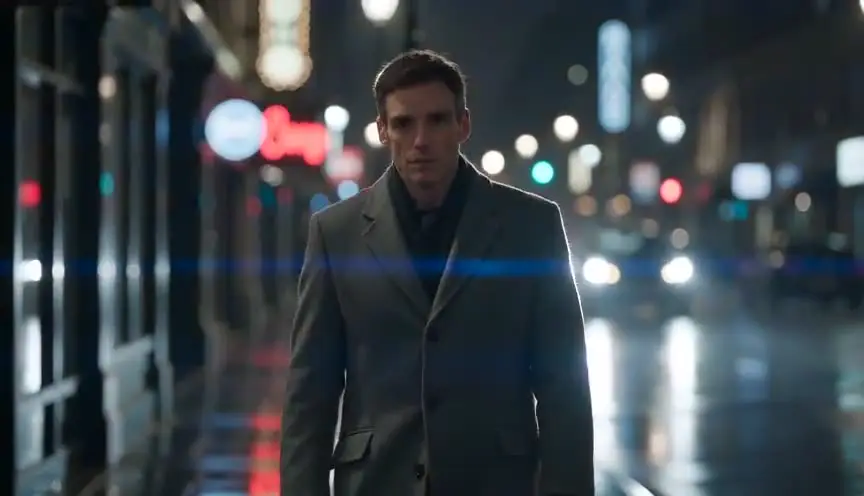
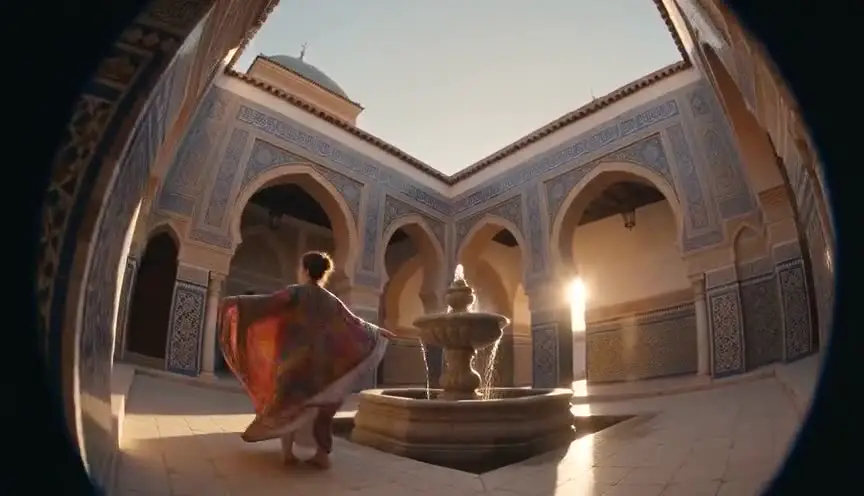
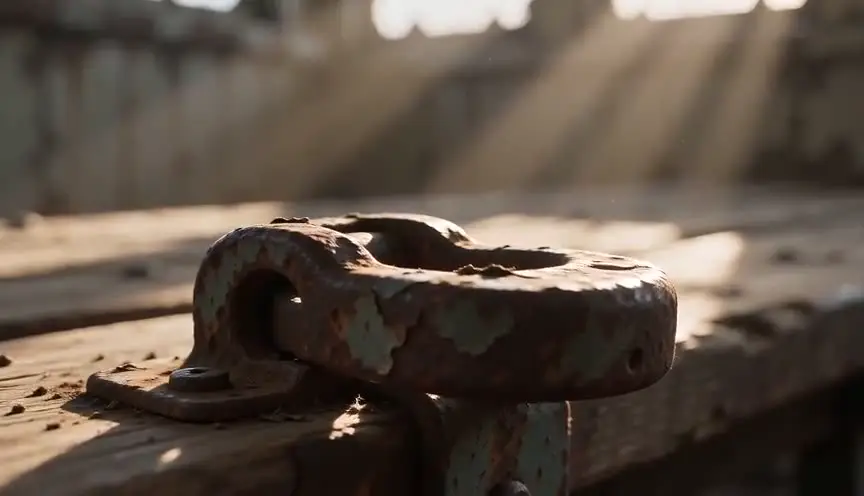
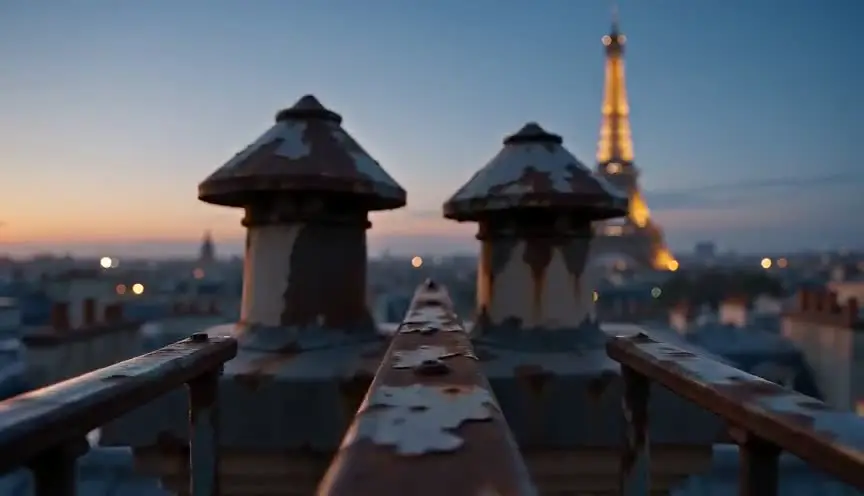
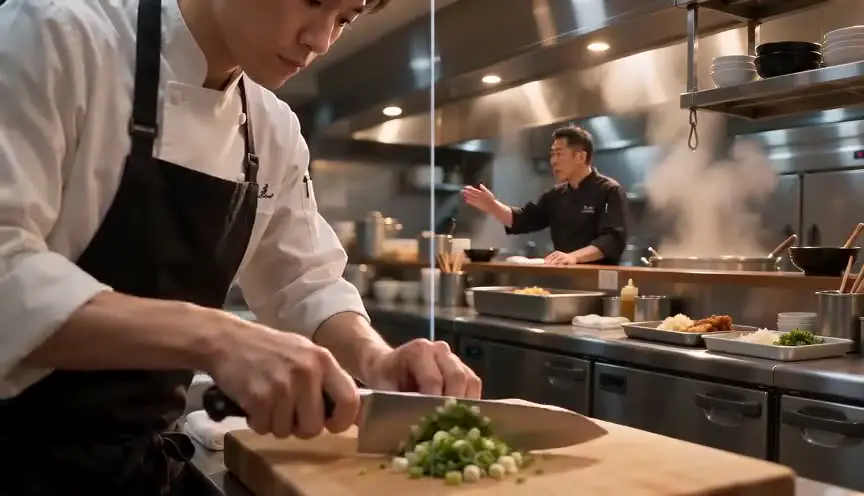
Focal length decides how space feels. Wide lenses stretch distance and pull the audience close to the action, long lenses compress depth and turn the audience into a watcher. The same actor reads differently through each.
See all 15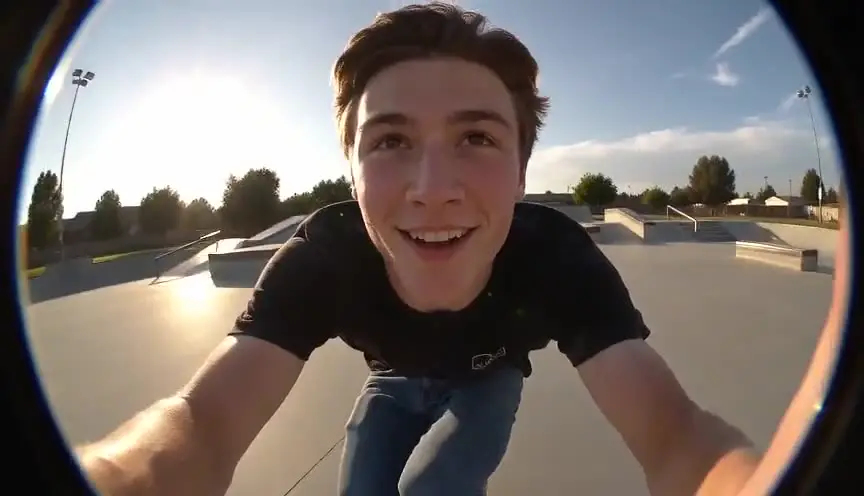

Color and film look
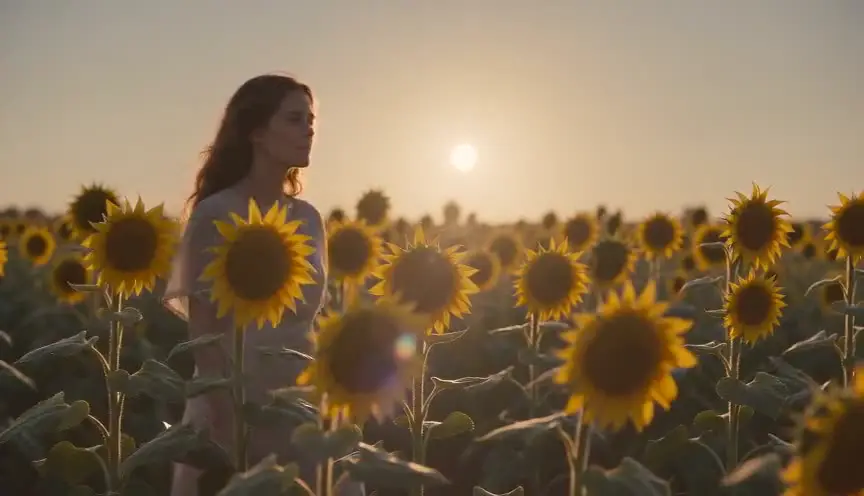
Color is the tone of a film made visible. A warm amber past, a cold blue present, a desaturated war: audiences read these signals instantly. Consistent color also holds a story together across locations.
See all 15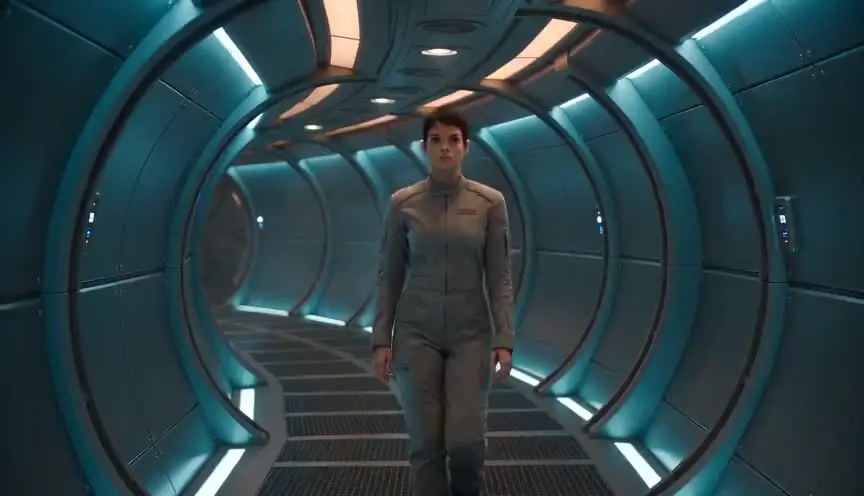
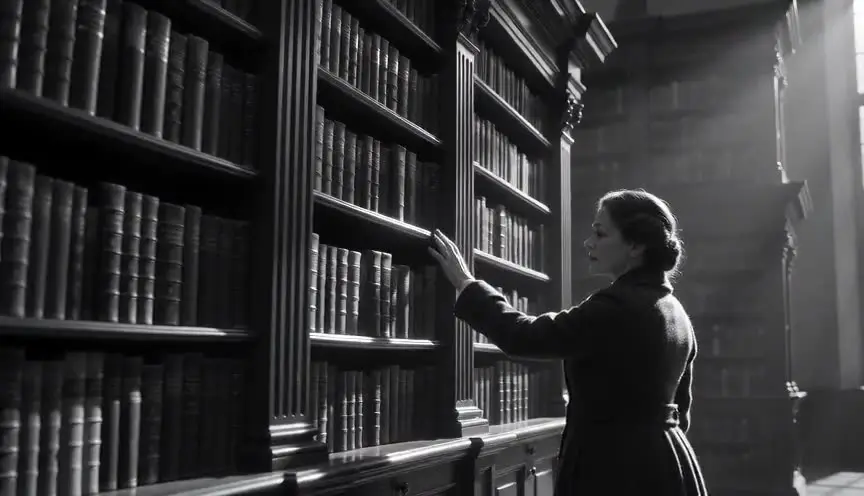
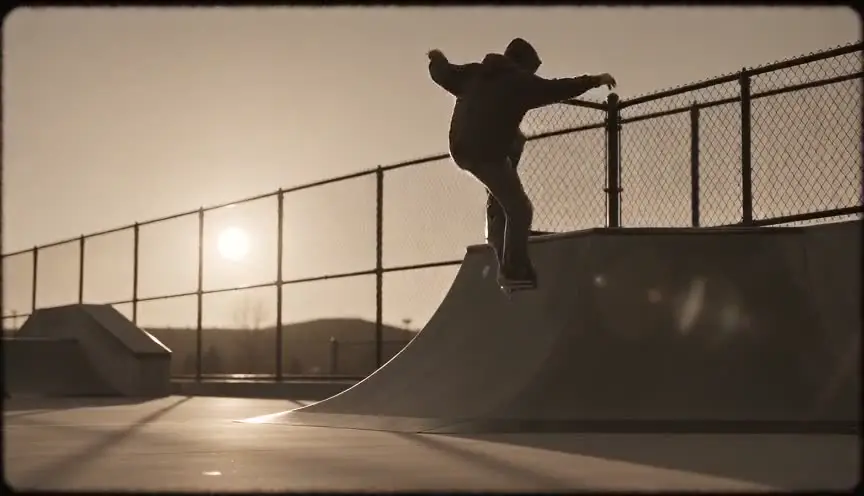
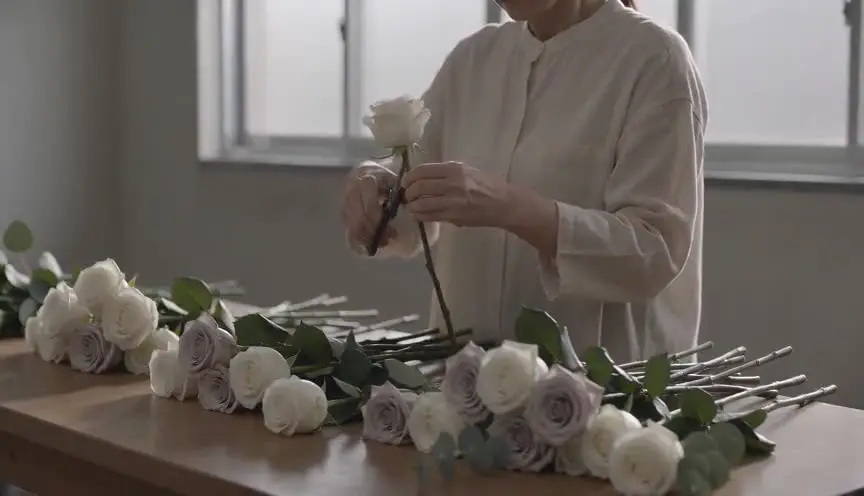
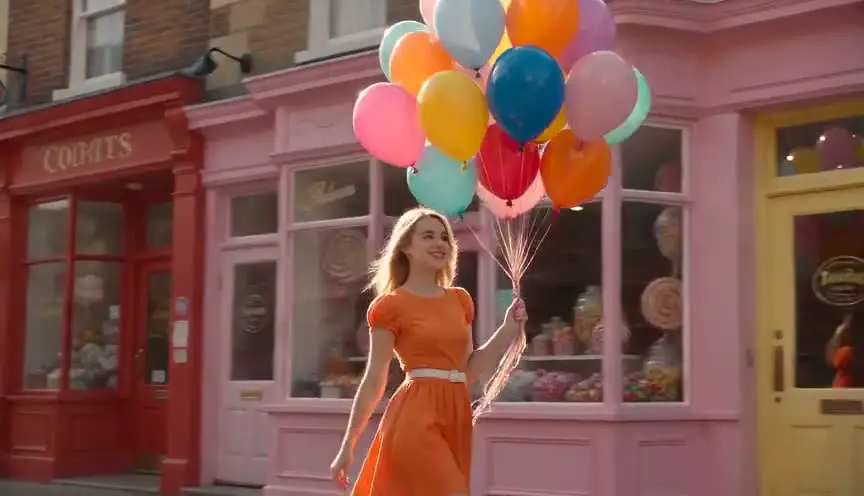
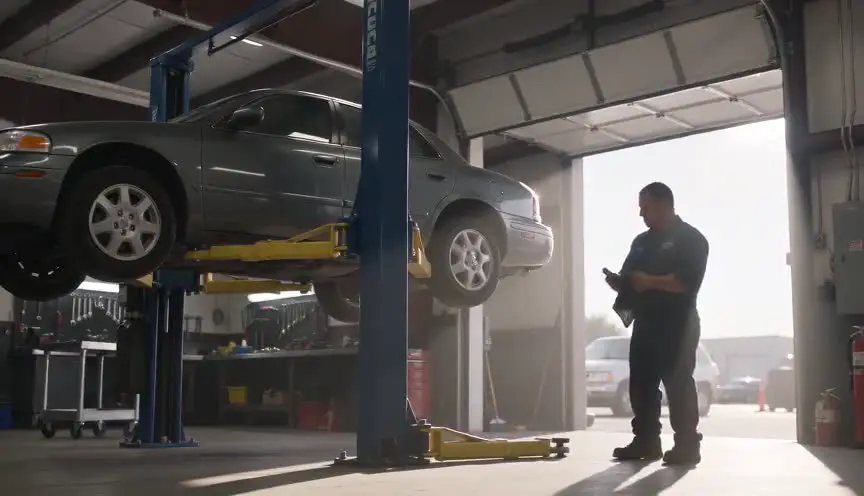
Time and motion
Film time is elastic. Slow motion lets a moment last, a time-lapse crushes a day into seconds, a freeze frame stops the story on a single image. These techniques tell the audience what deserves their attention.
See all 14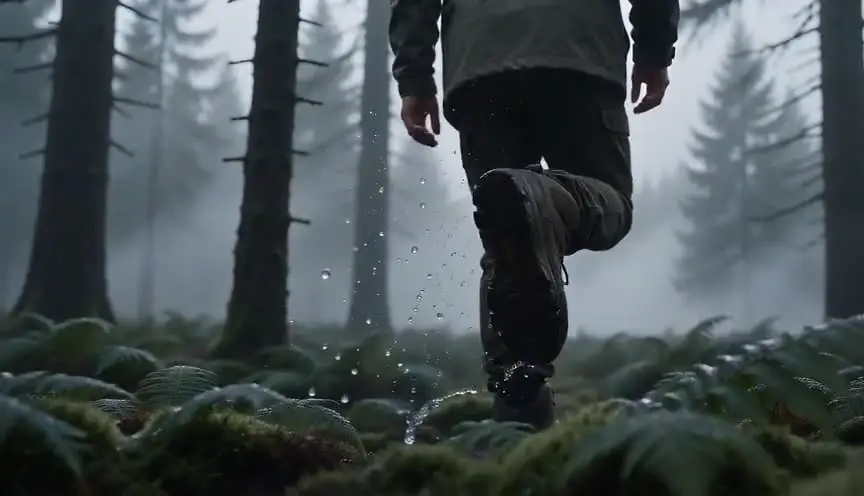
Optical effects
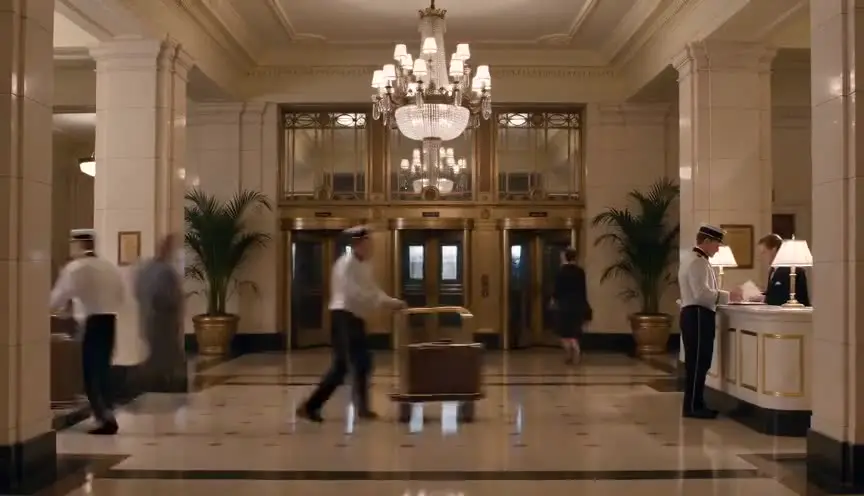
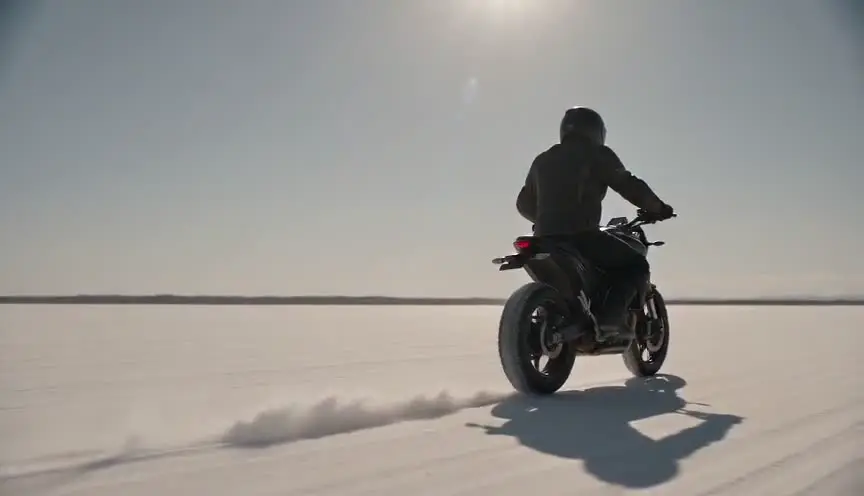
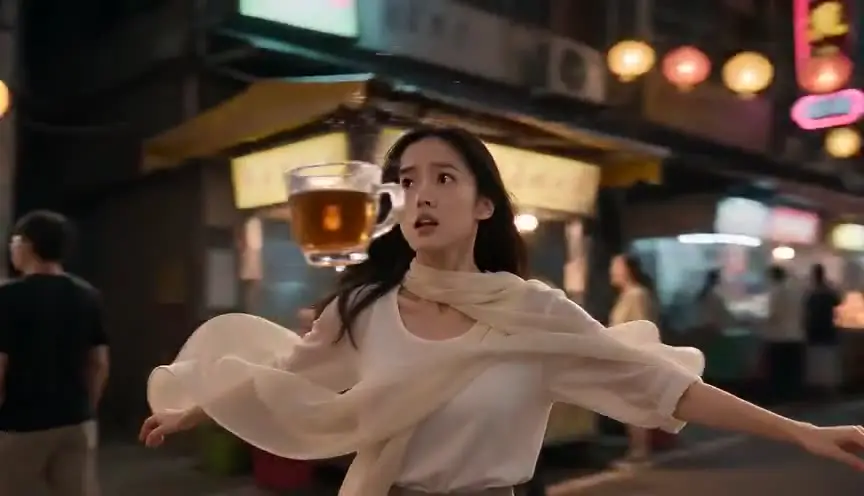
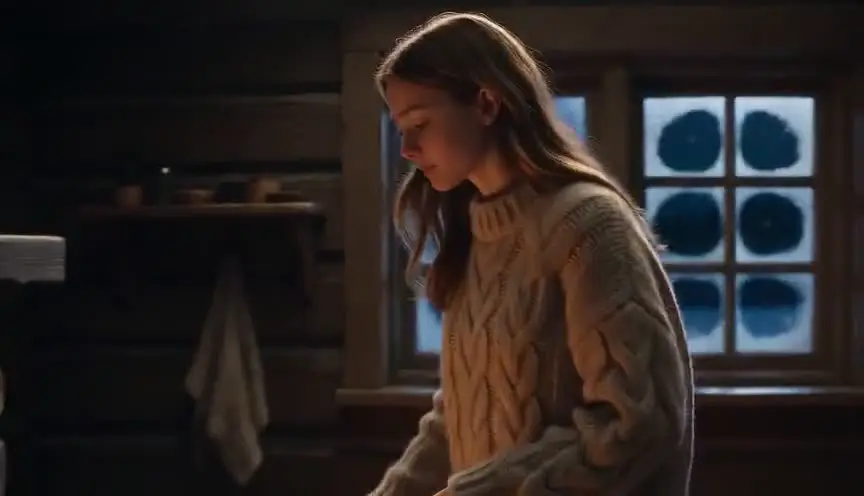
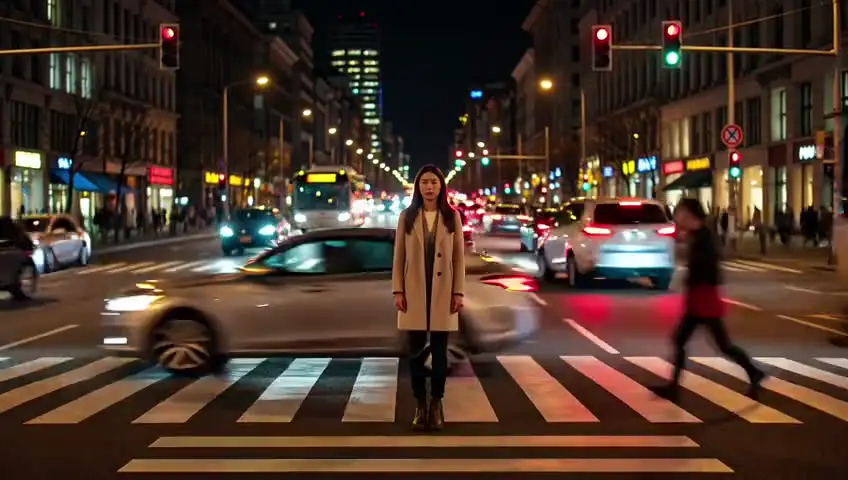
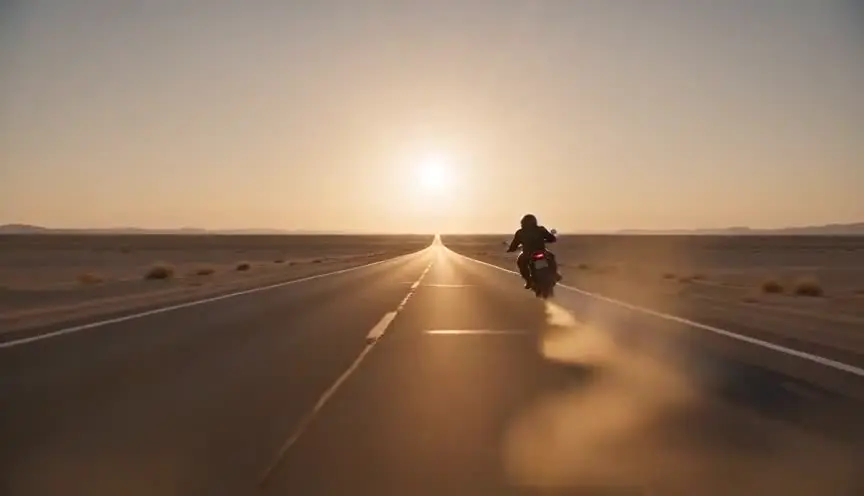
Optical effects happen in the glass or on the sensor: focus that shifts, light that flares, two images laid on top of each other, a scale that lies. Used well, they turn a technical accident into meaning.
See all 29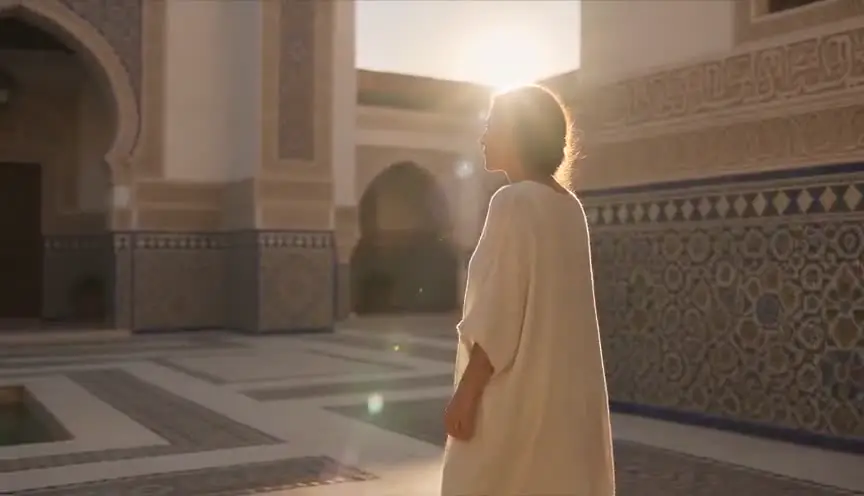
Lens flare
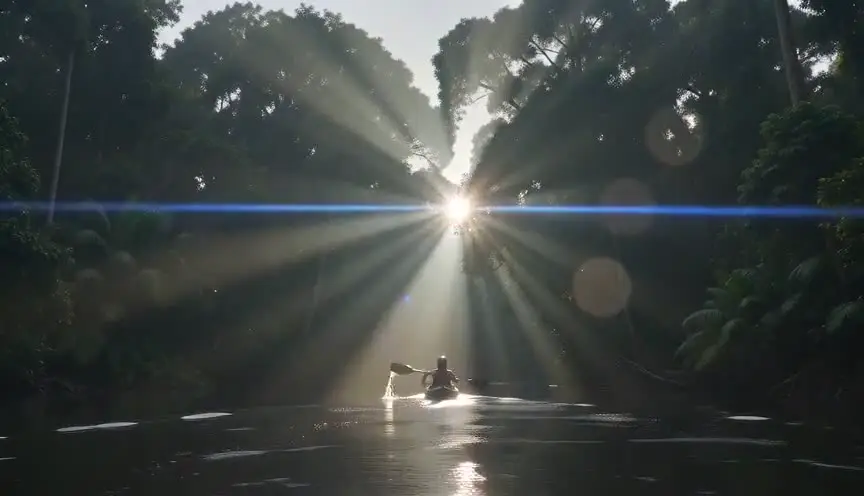
Anamorphic flare
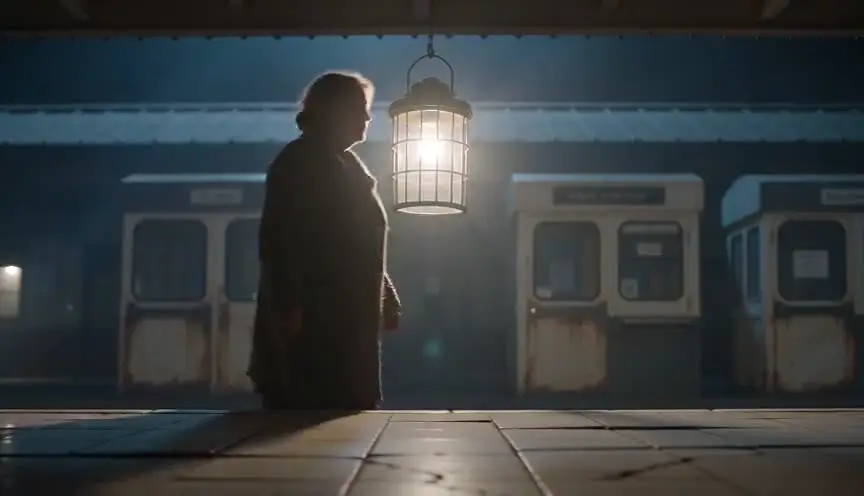
Halation
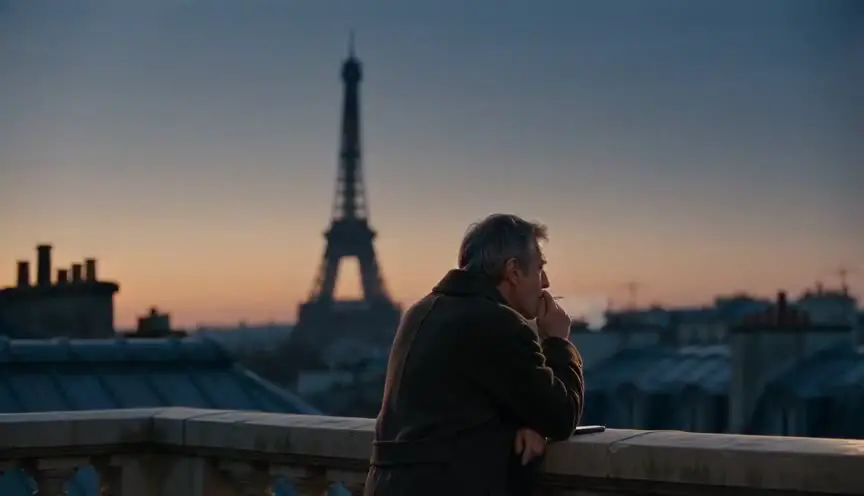
Film grain
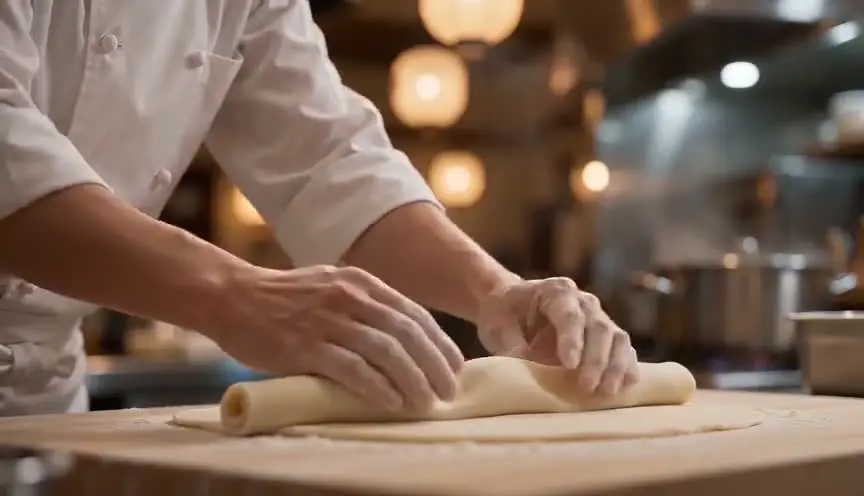
Bokeh
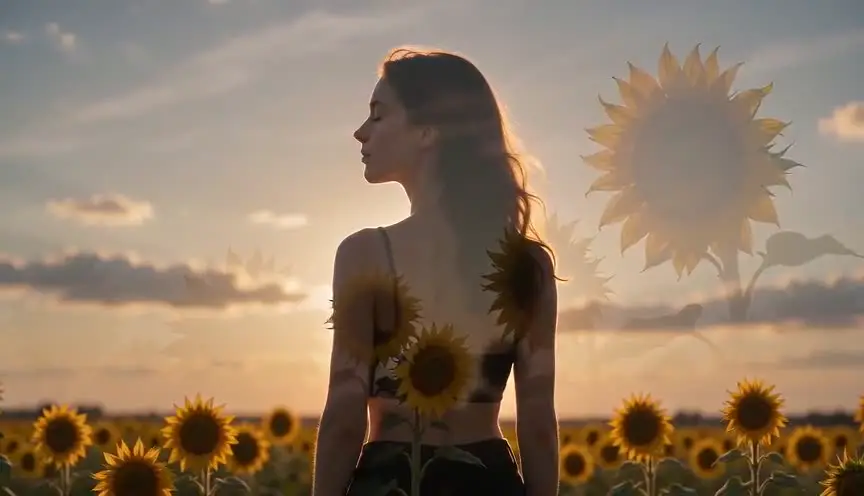
Double exposure
Rack focus
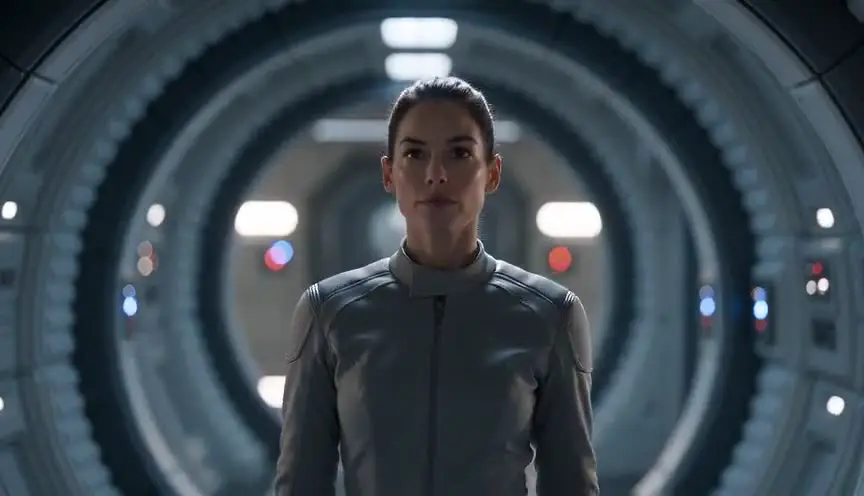
Shallow depth of field
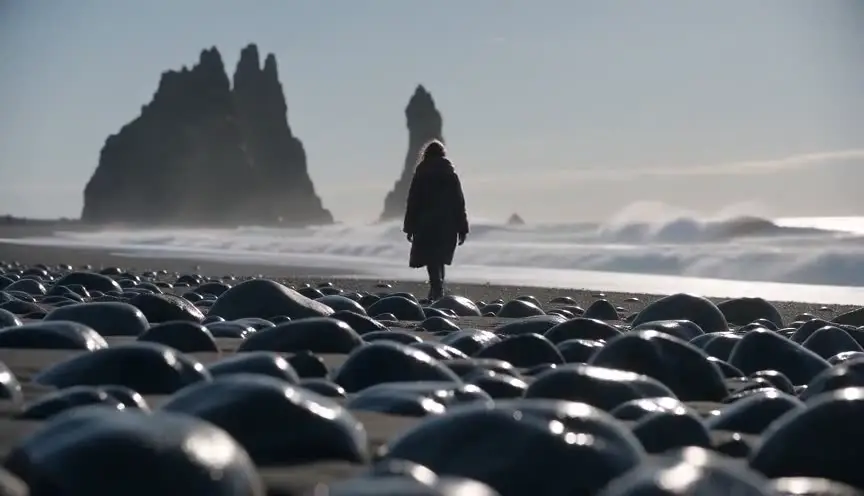
Deep focus
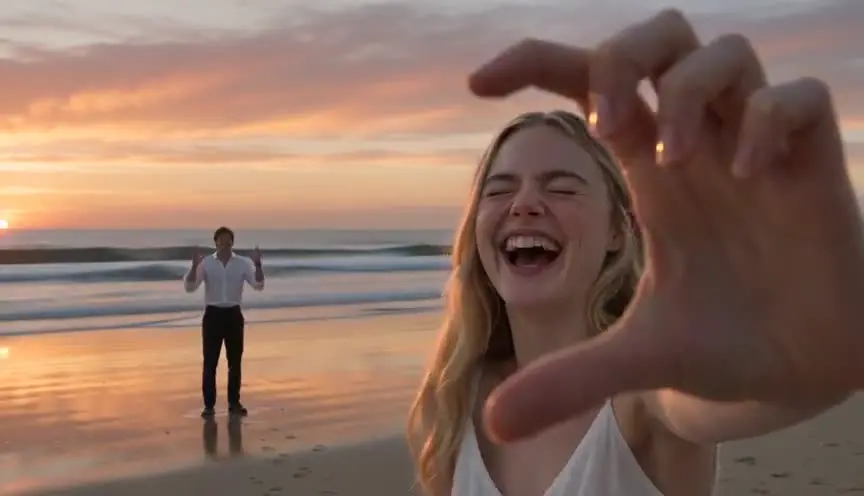
Forced perspective
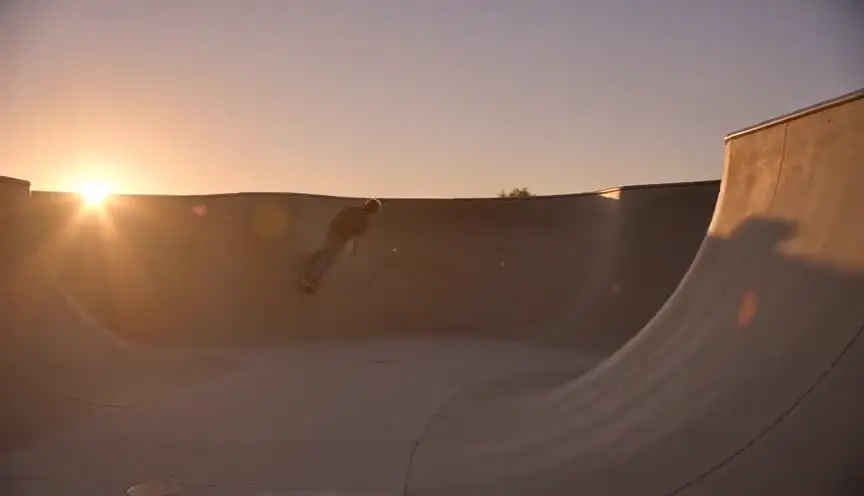
Light leak
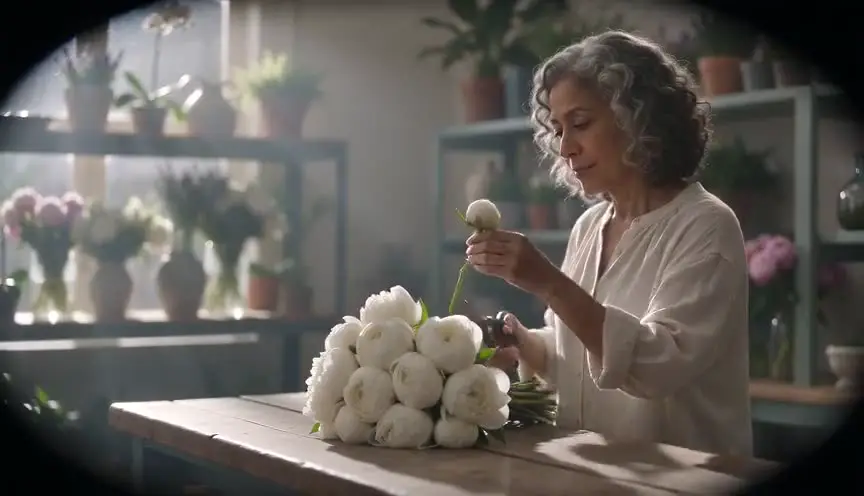
Vignette
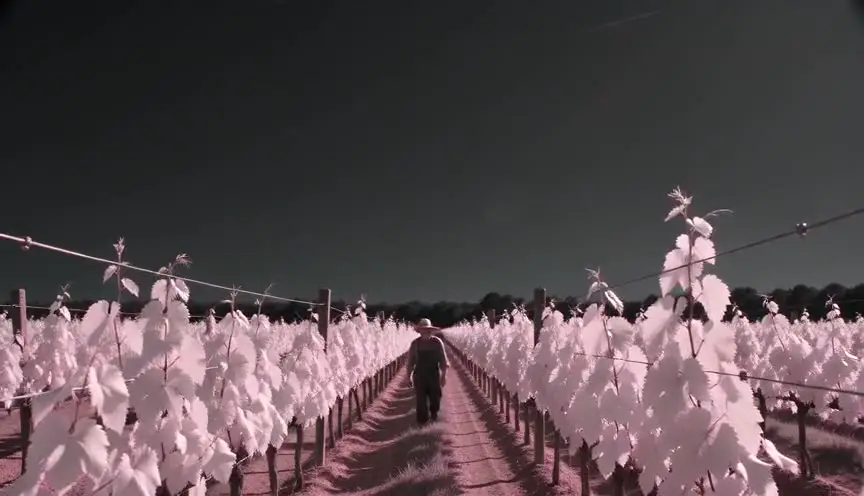
Infrared film look
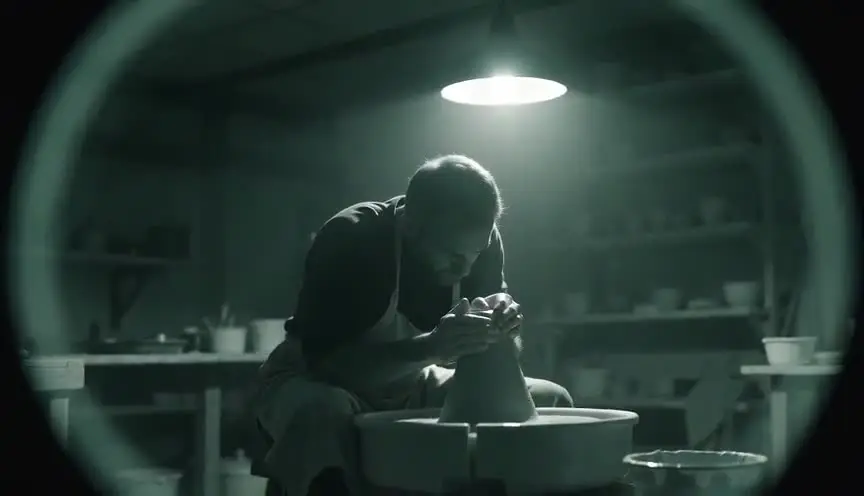
Night vision
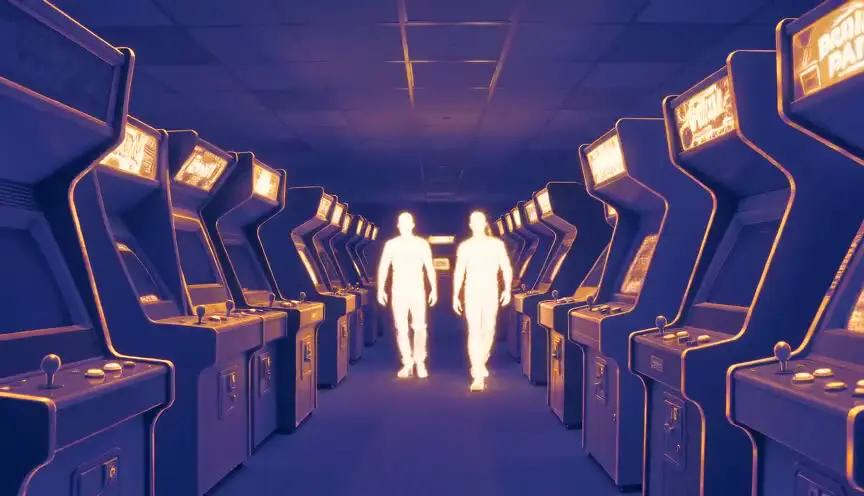
Thermal vision
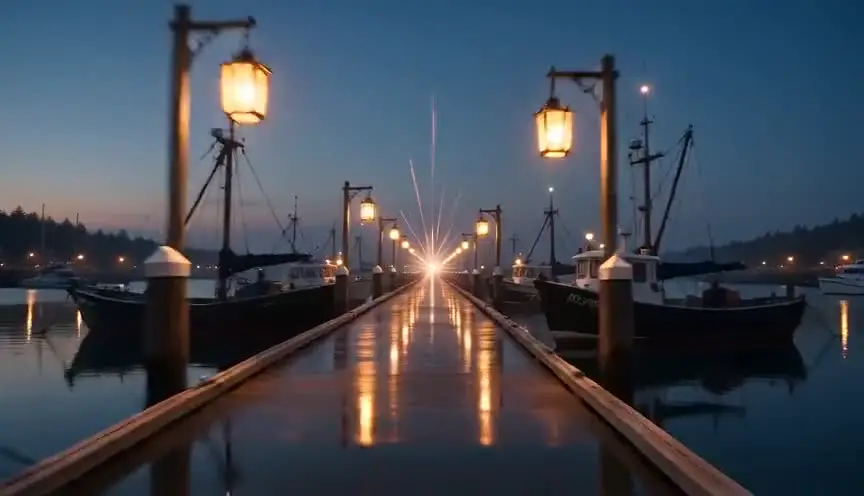
Slit-scan
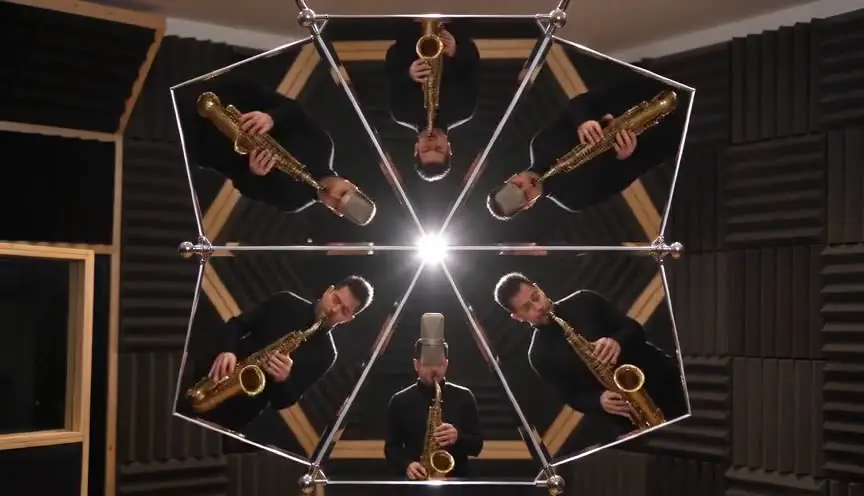
Kaleidoscope effect
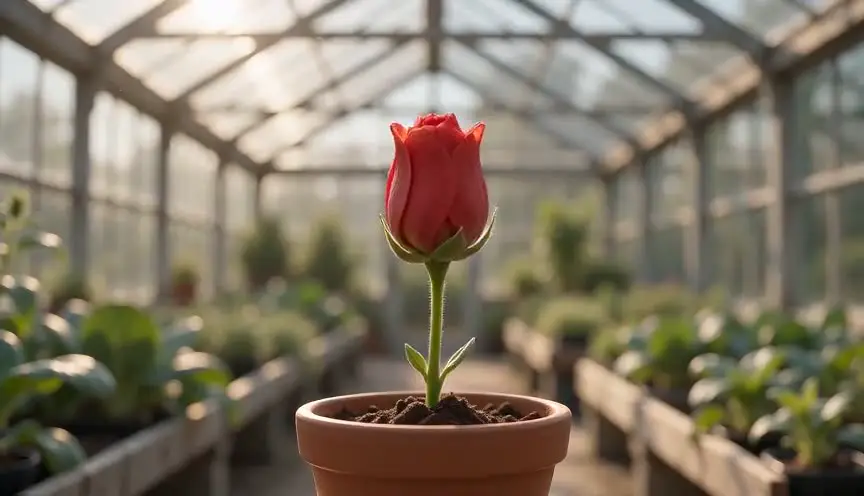
Morphing
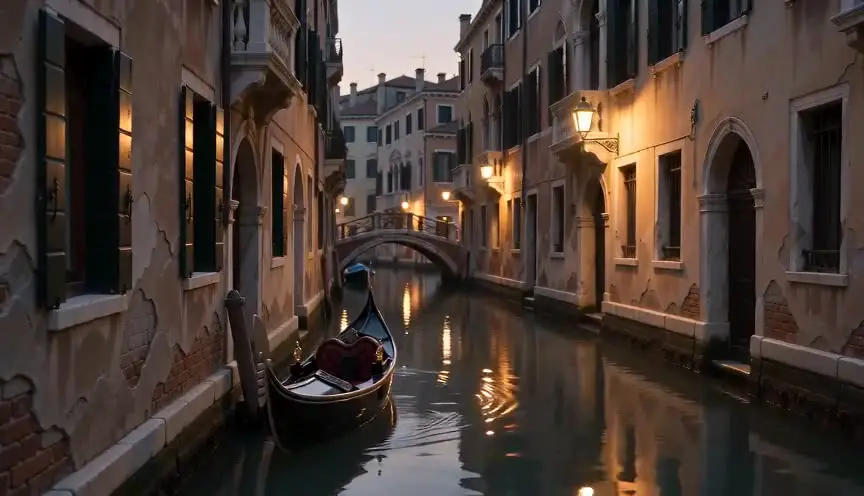
Cinemagraph
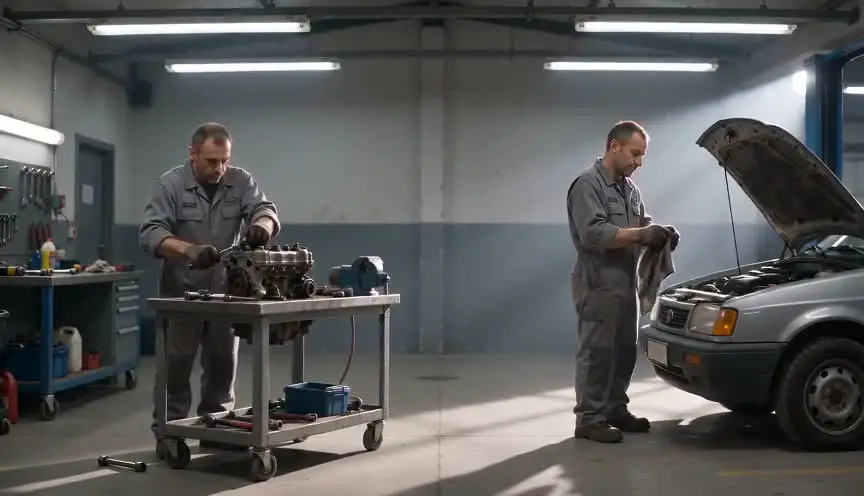
Duplication
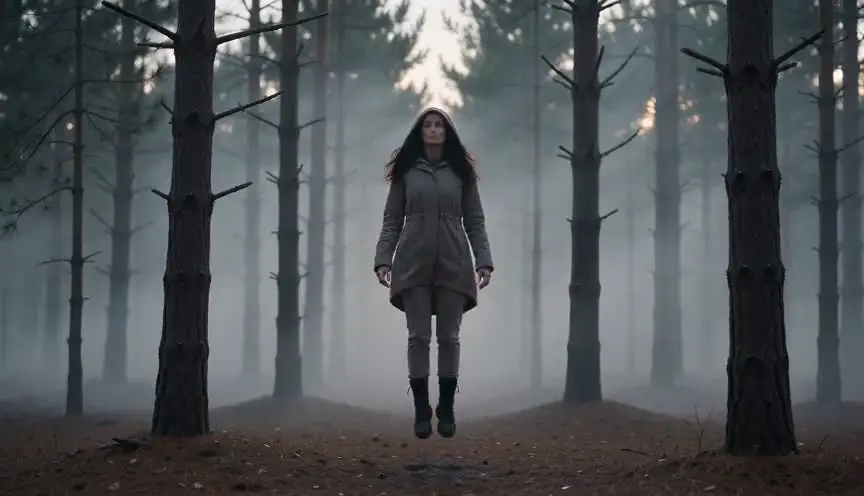
Levitation
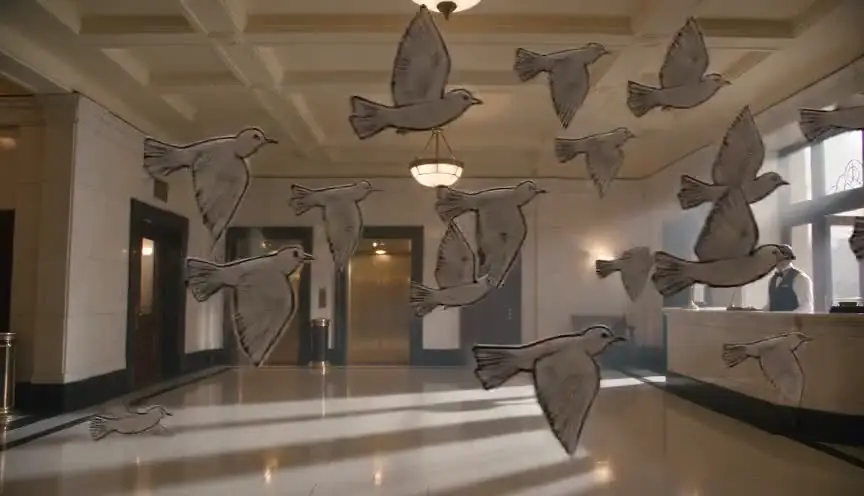
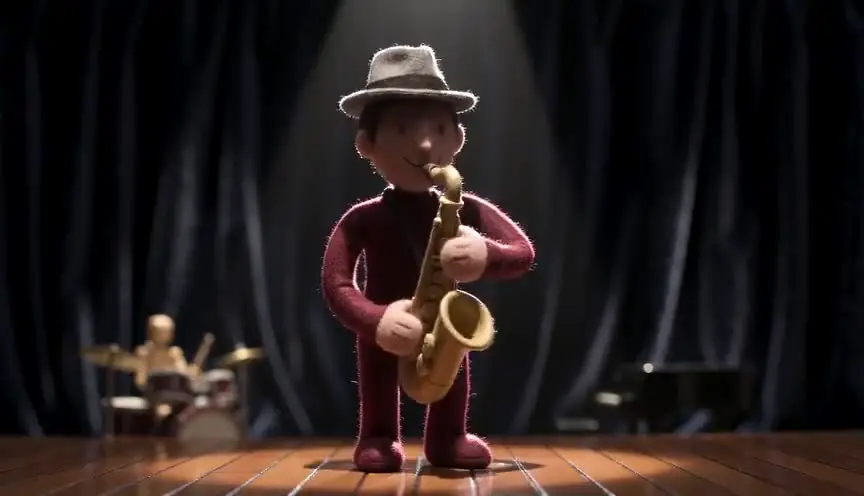
Mixed media
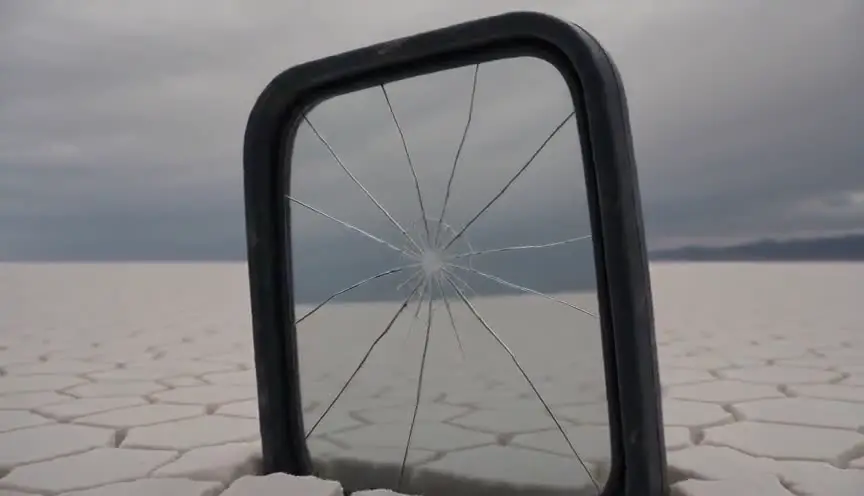
Object portal
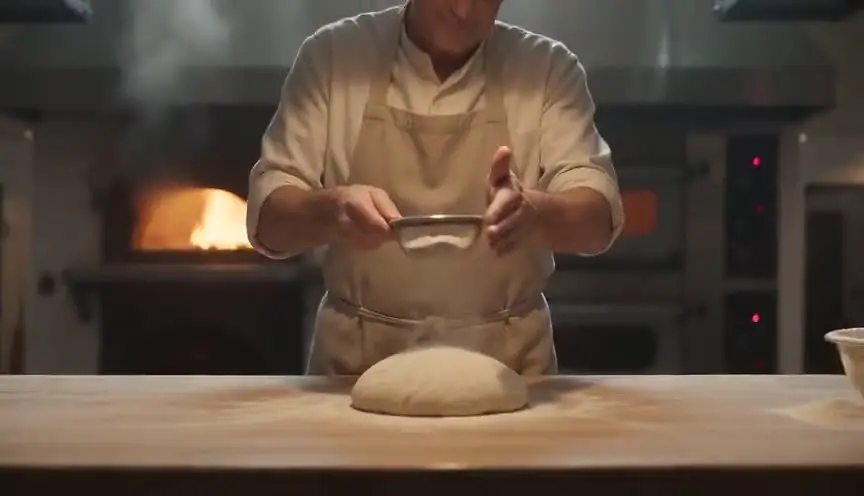
Aspect ratio switch
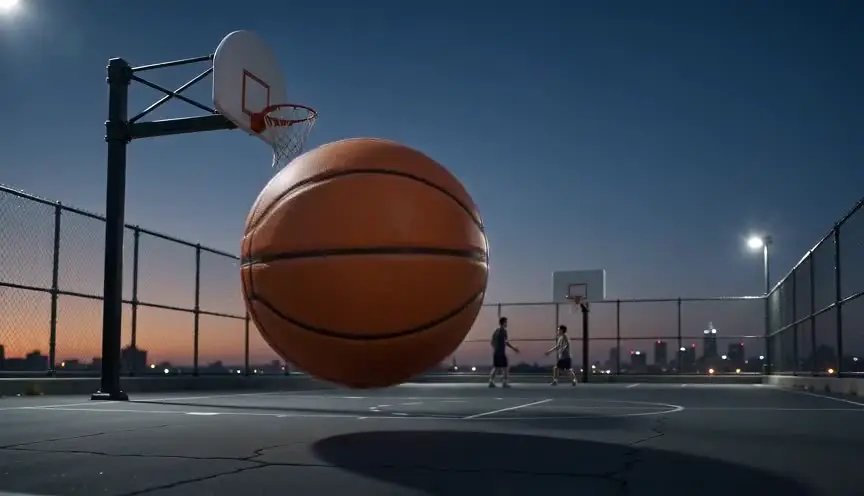
Scale shift
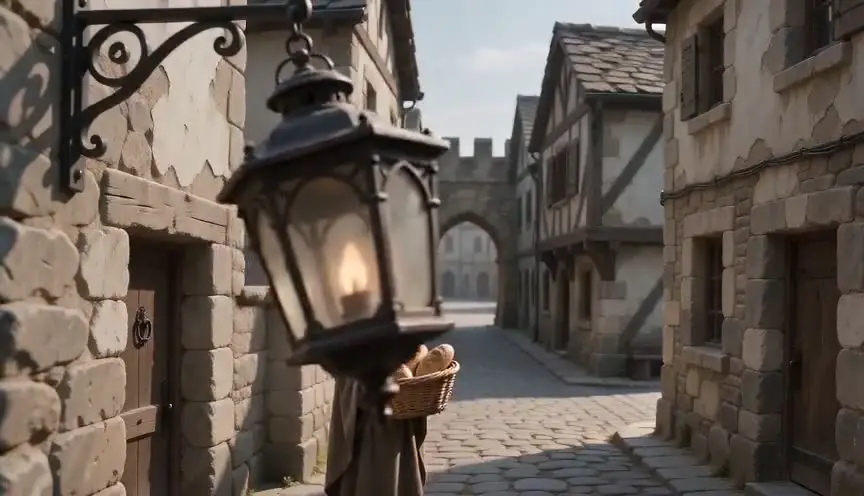
Wigglegram
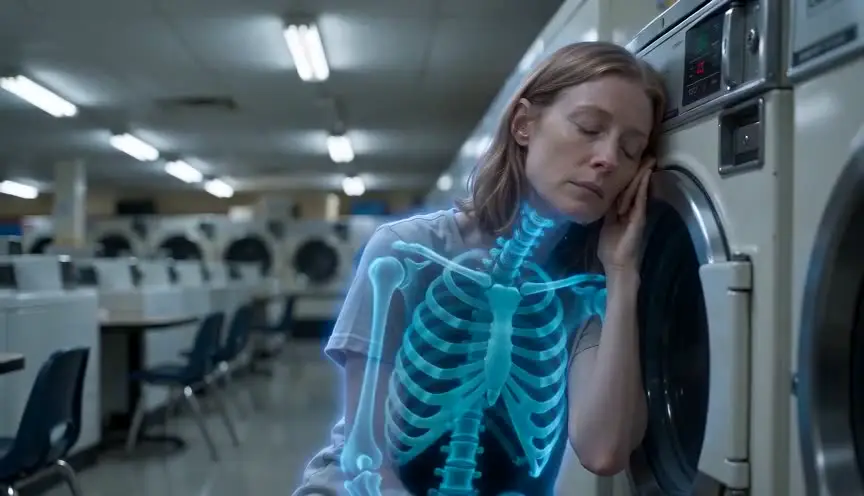
X-ray effect
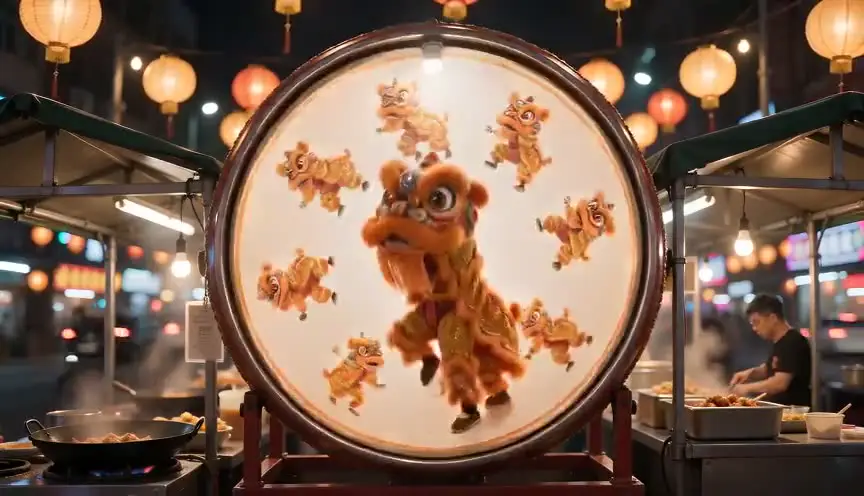
Zoetrope
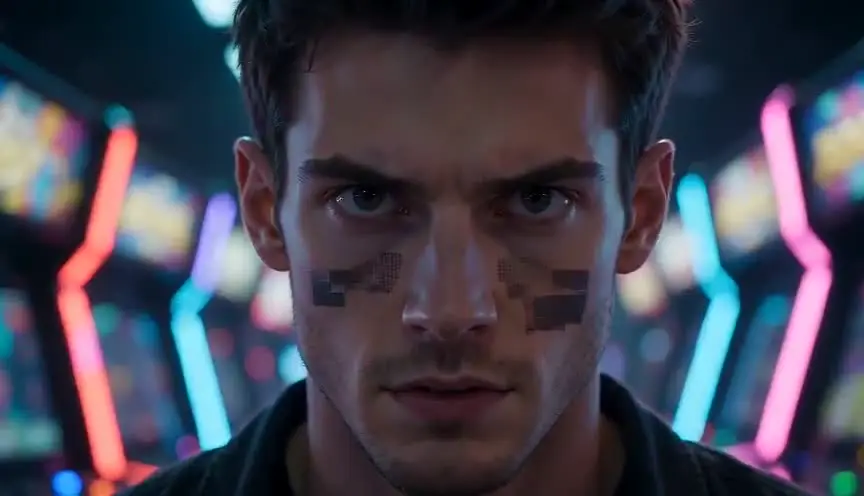
Glitch effect
Editing and transitions
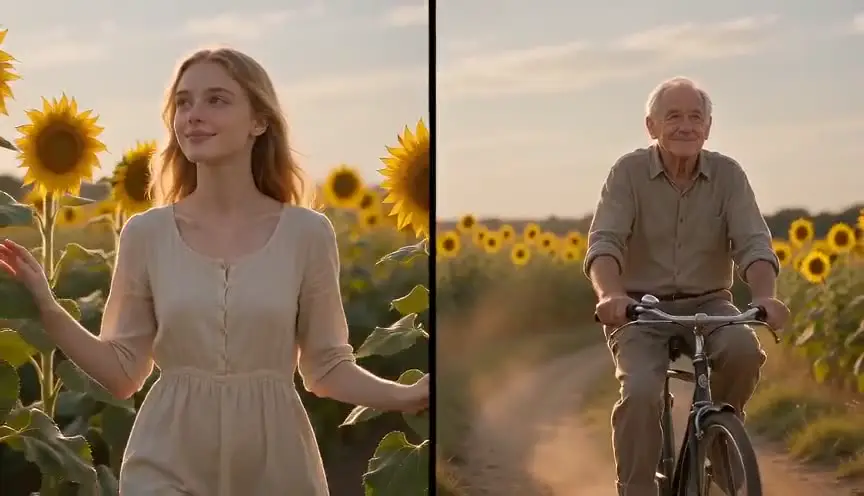
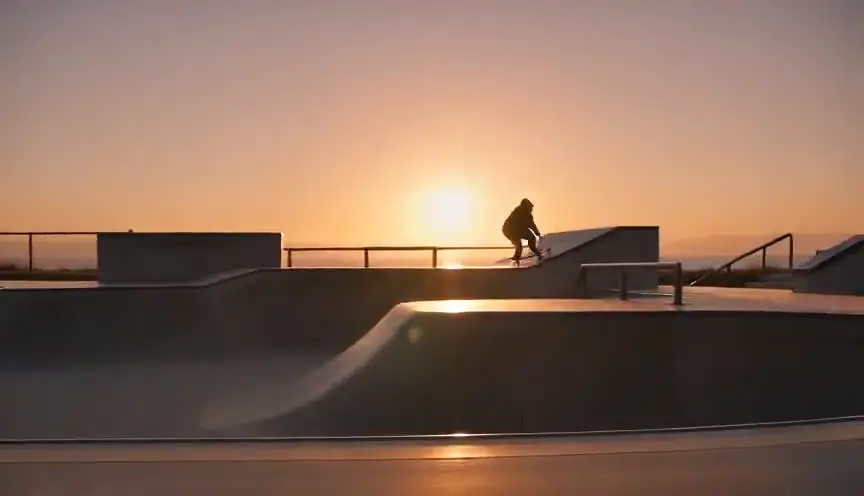
Editing is where a film finds its rhythm. A cut can link two ideas, jump through time, shock, or let two stories race each other. The space between shots is as expressive as the shots themselves.
See all 16

Atmosphere and weather
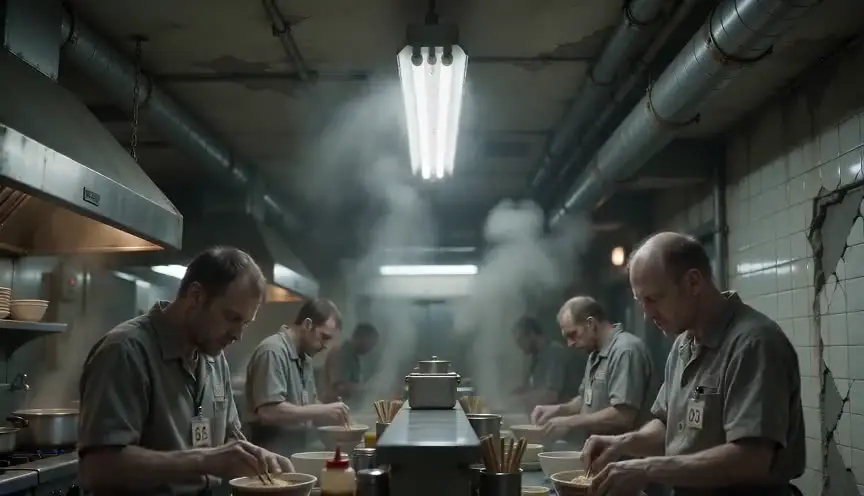
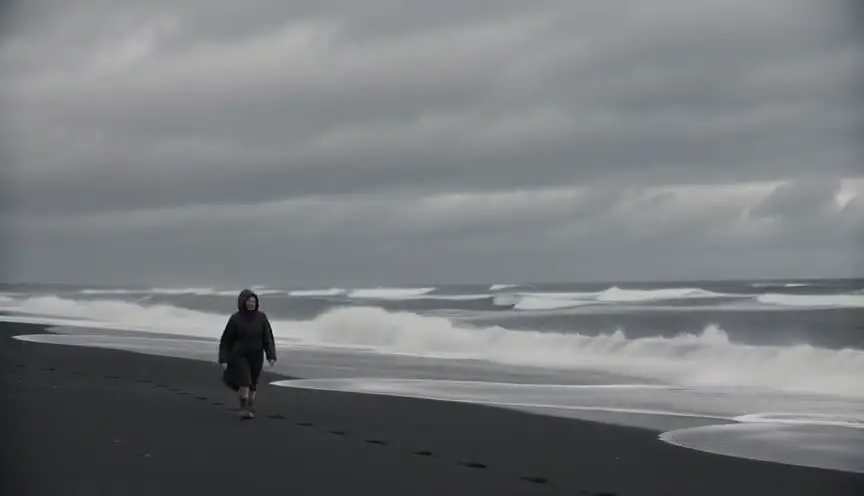
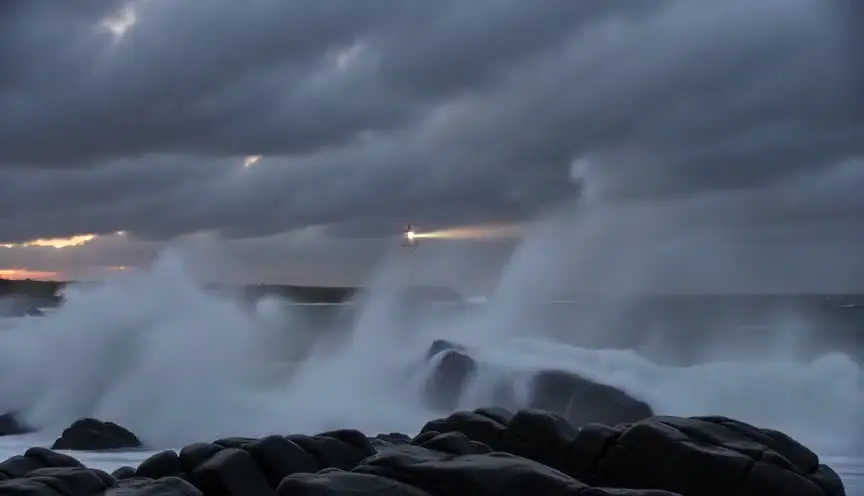
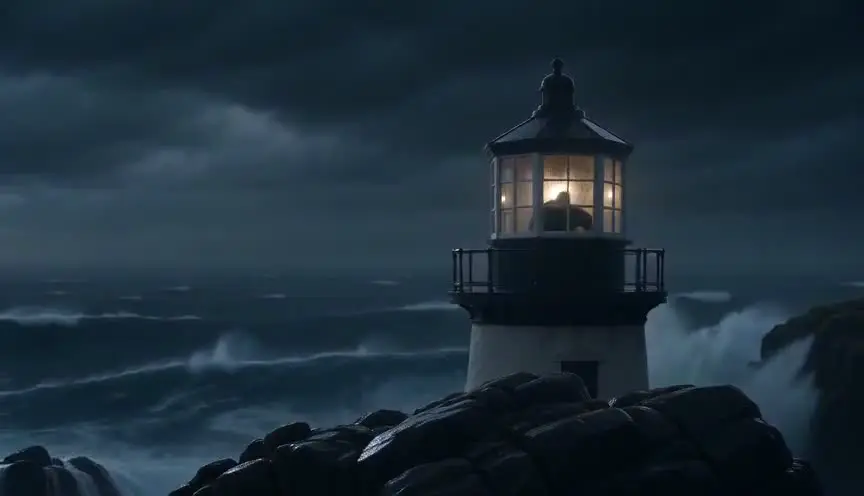
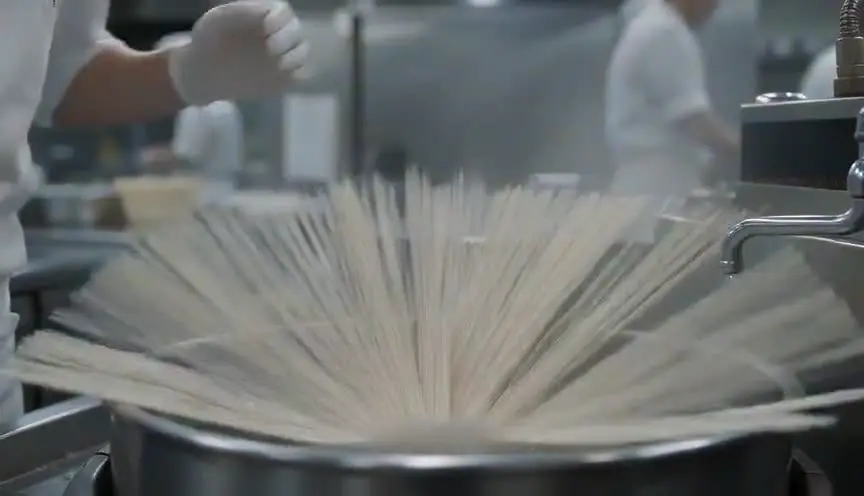
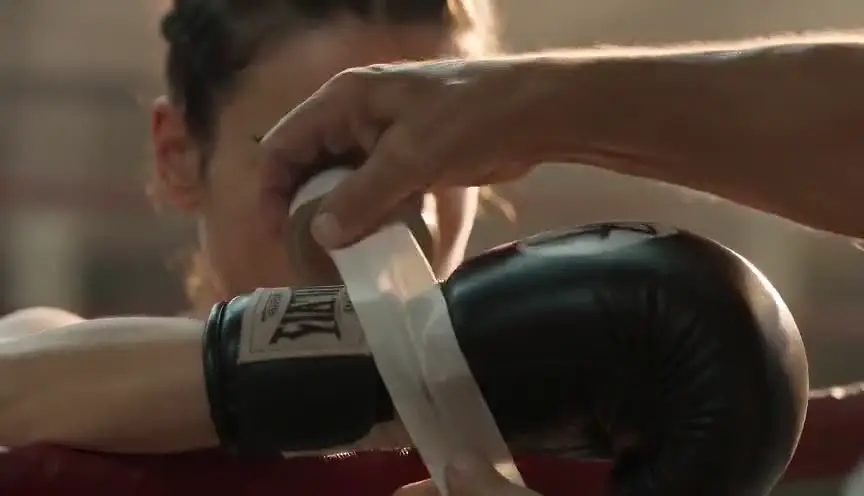
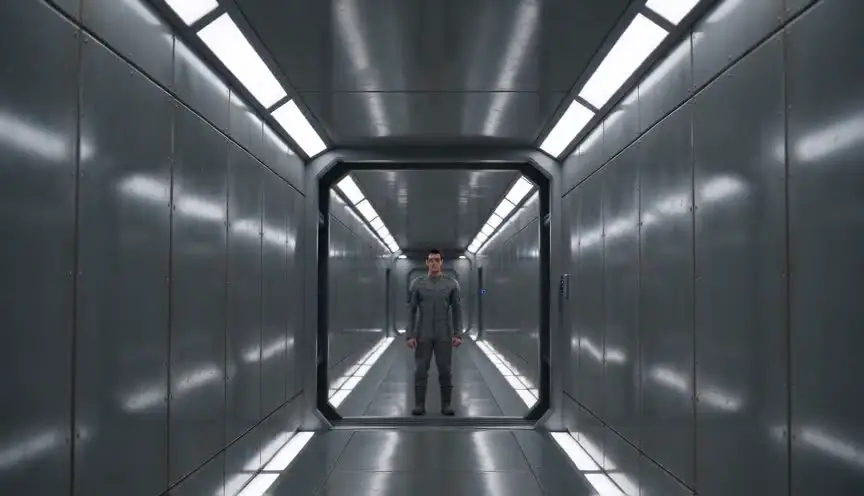
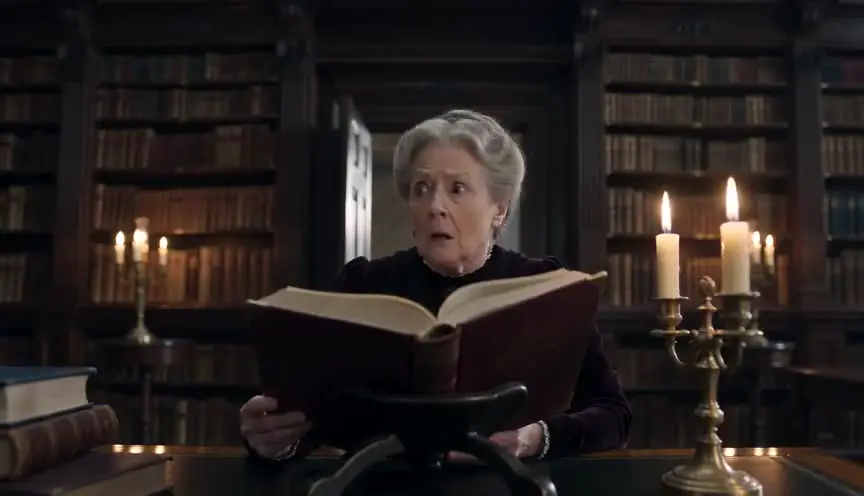
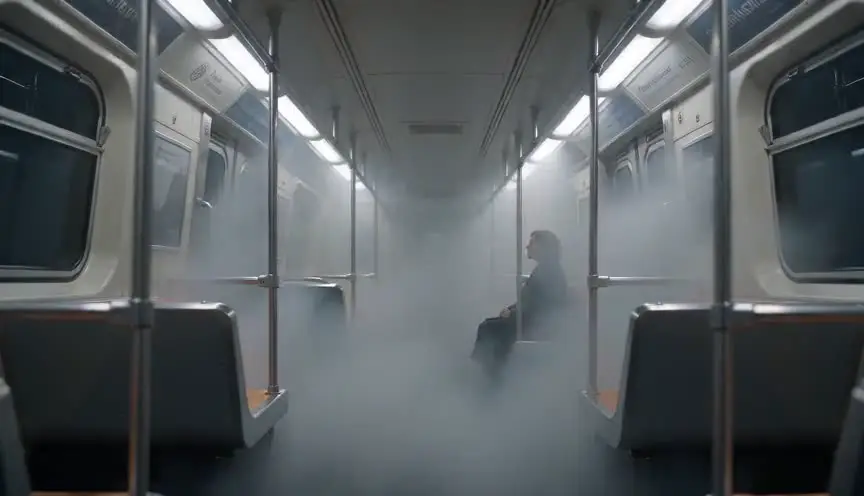
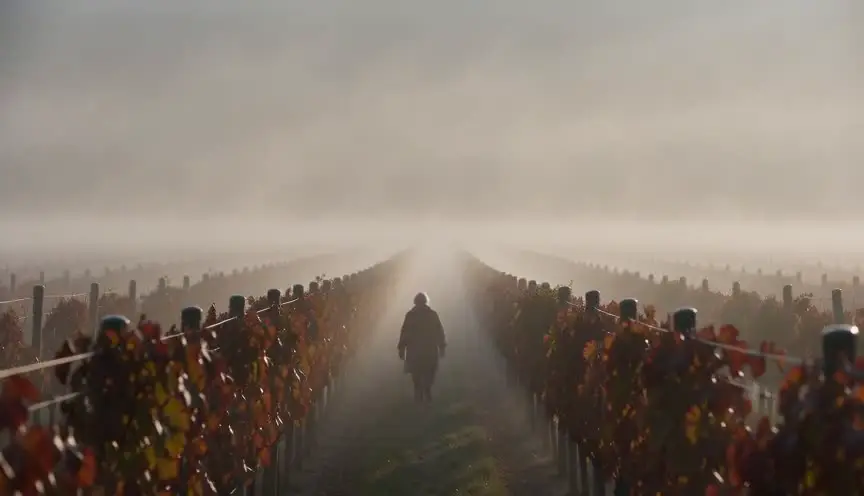
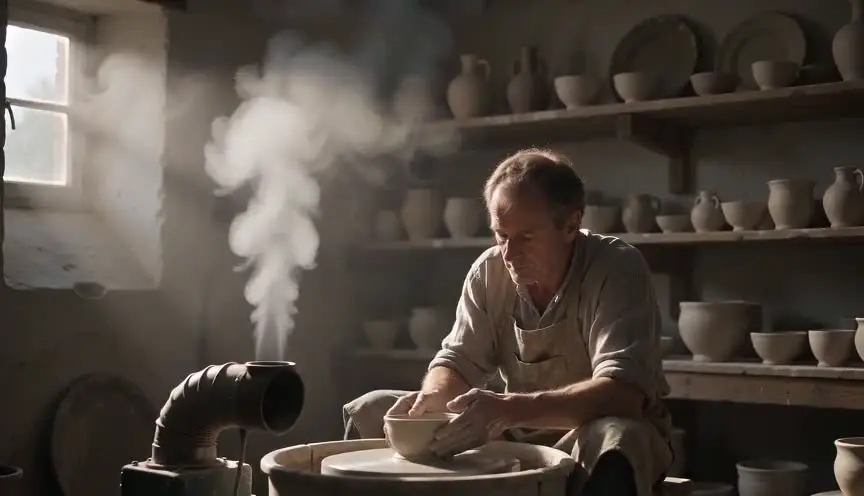
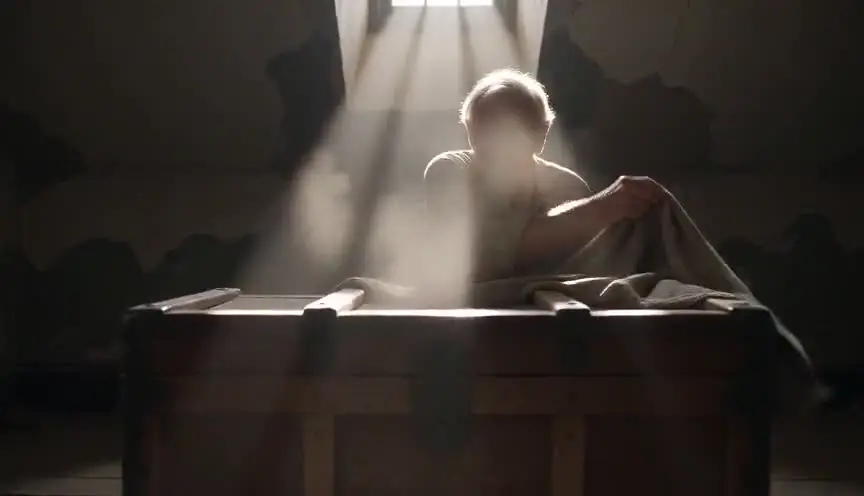
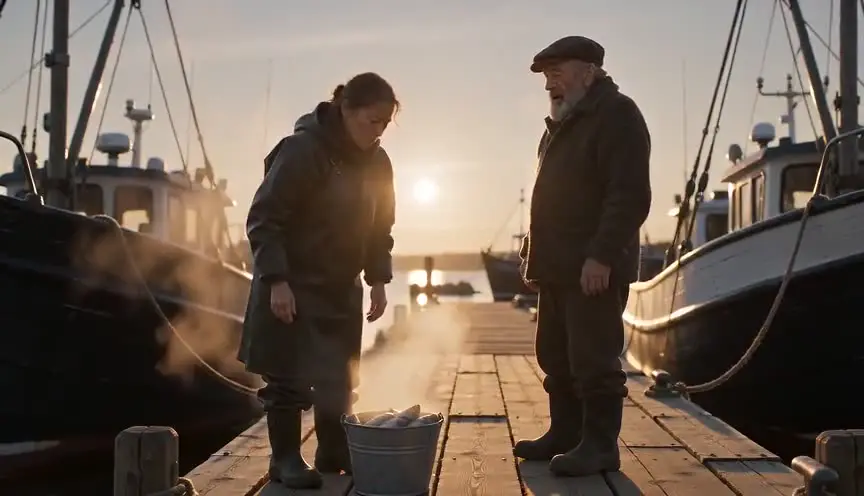
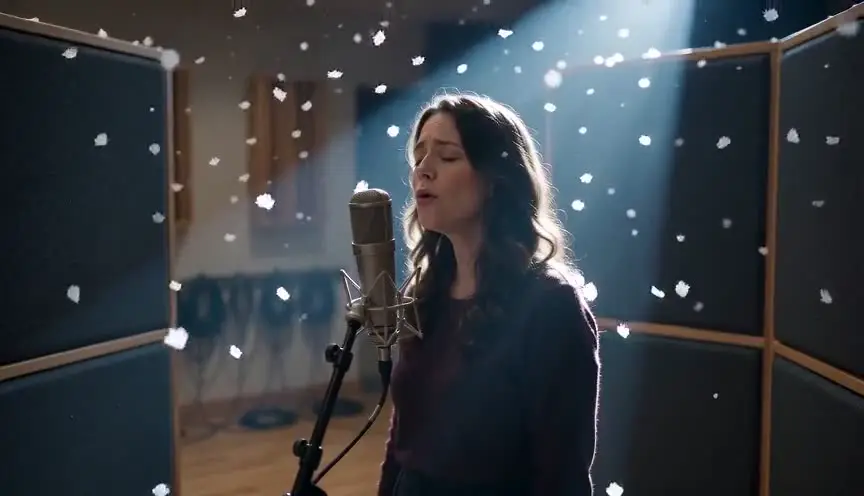
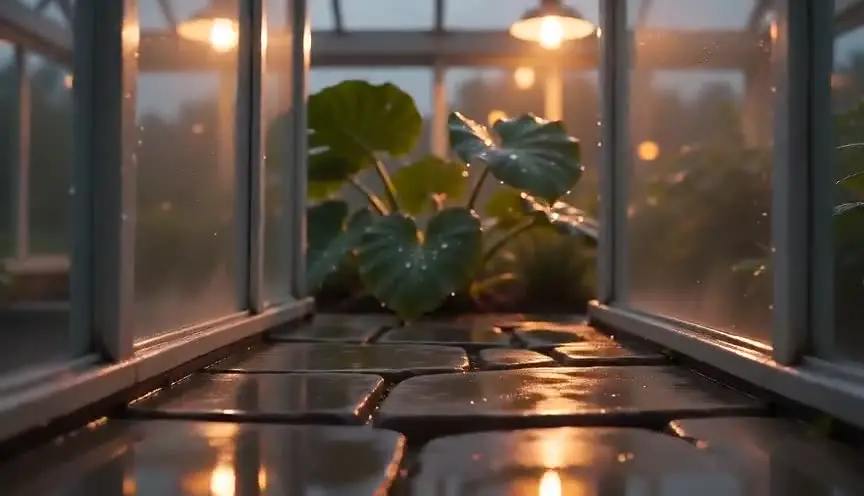
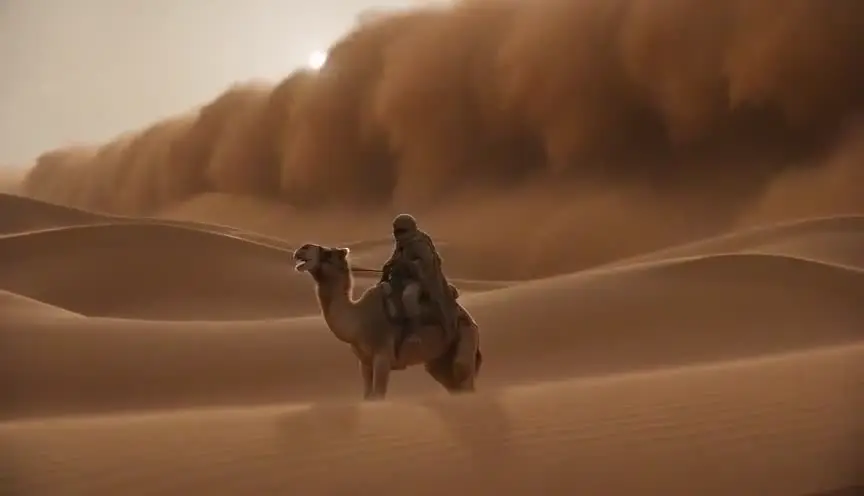
Weather and atmosphere give a scene texture. Rain makes a farewell heavier, fog hides what is coming, haze lets light draw shapes in the air. They also make images feel real, because air on camera is rarely empty.
See all 11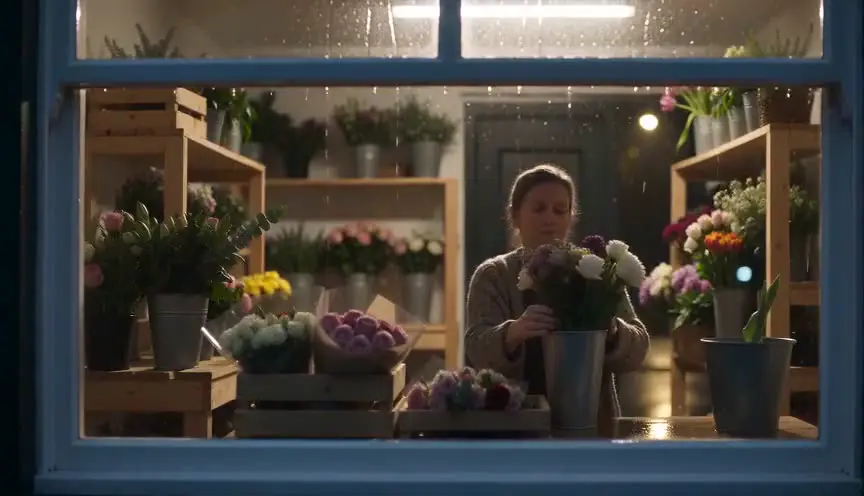
Genre looks
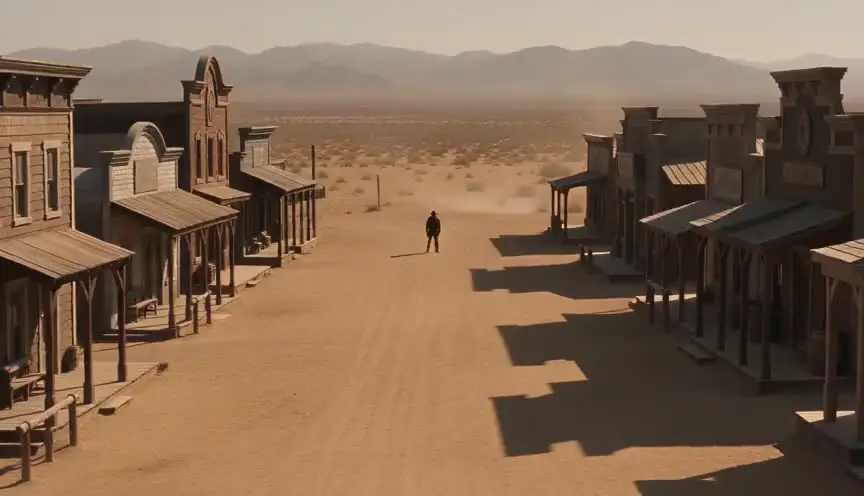
A genre look is a bundle of choices that audiences recognize at once: the shadows of noir, the saturated colors of giallo, the dusty close-ups of the spaghetti western. Borrowing one sets expectations in a single image.
See all 20