SmokeAir you can see and fear
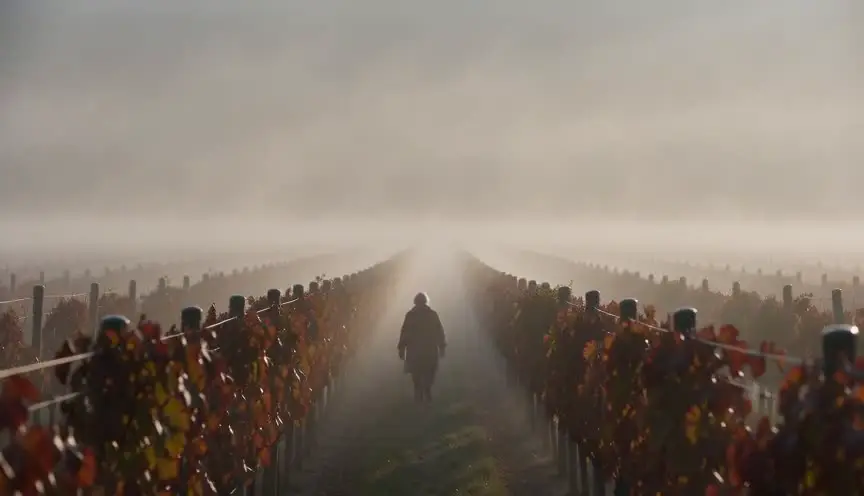
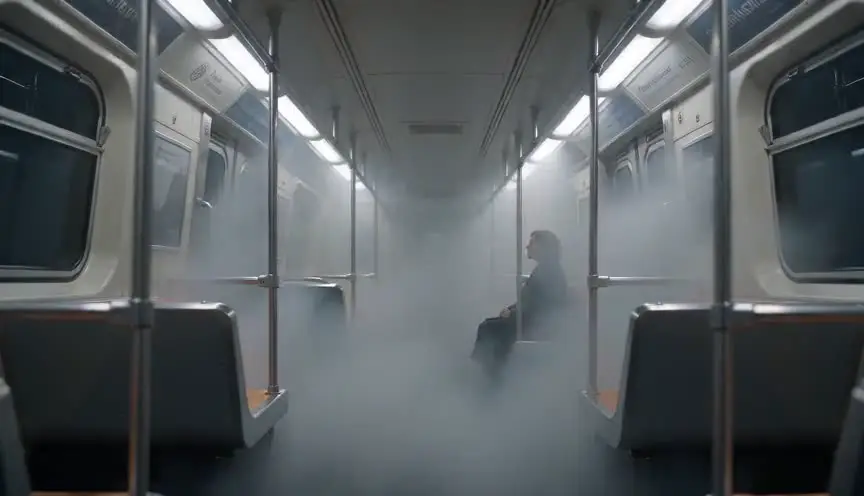
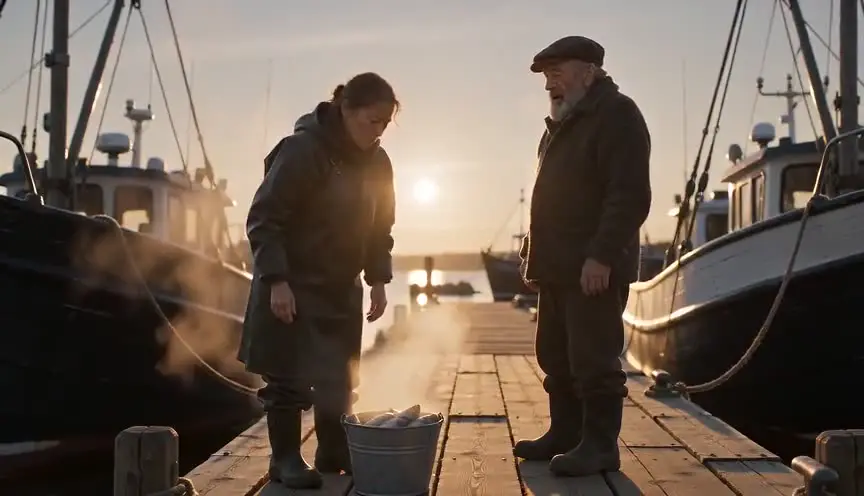
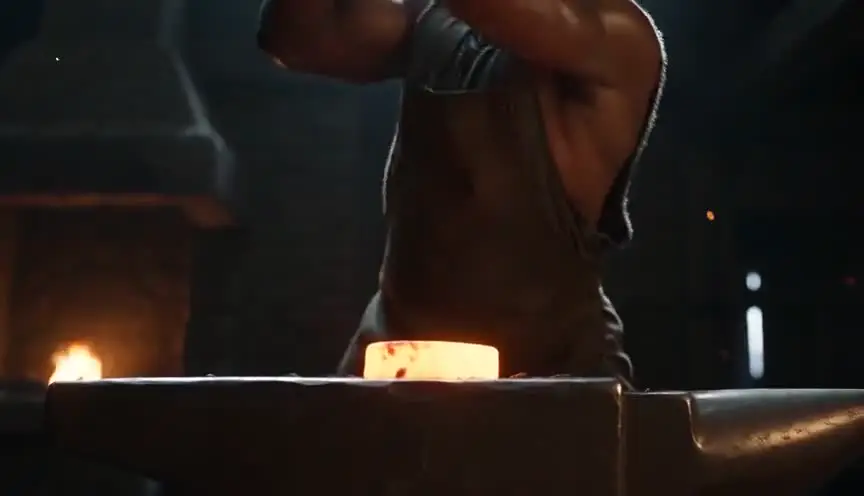
Smoke fills the air of a scene with a visible, moving layer that catches light and softens what lies behind it. The audience reads the room as heavy, secret or dangerous before anyone says a word.
Also calledPractical smokeSmoke atmosphereHaze effect
Atmosphere and weather
Why it works on screen
Smoke gives a scene an atmosphere with a history. A room full of cigarette smoke has been occupied for hours. A street full of smoke has just burned. It serves secrecy, menace, exhaustion, aftermath and the feeling that something is being hidden in plain sight. A scene earns it when the space itself should carry pressure: a negotiation that has gone on too long, a village after a raid, a kitchen where a family argument has been simmering. Smoke also slows the eye. Because it drifts, it makes a still frame feel alive, and it lets light become a shape the audience can follow.
The shot list line
- Size
- Medium two-shot
- Angle
- Eye level, slightly off the table axis
- Movement
- Static, the smoke provides the motion
- Lens
- 50mm, moderate depth so layers of smoke read in front of and behind the actors
- Duration
- 6 to 10 s
Backlight the smoke from a motivated source behind the actors and keep density even between takes so the cuts match.
Screenplay
On the page
Smoke is one of the few atmospheric choices a writer can put on the page without apology, because it usually has a source in the story: a cigarette, a grill, a fire, a censer. Write the source and what the smoke does to the people, not the density or the machine. "The room is blue with it" is enough. Leave the haze level, the fan, the backlight and the continuity of density to the director, the gaffer and the special effects crew in the shot list.
INT. BACK ROOM, GRILL HOUSE - BUSAN - NIGHT
Charcoal hisses under a grate no one is watching anymore.
The smoke has nowhere to go. It sits under the low ceiling, a gray lid over the table.
KANG MIN-JAE (50s, sleeves rolled) pushes an envelope across the table. It stops halfway.
His younger brother KANG DO-HYUN (40s) watches it through the haze and does not reach for it.
DO-HYUN
You always smell like this place.
Storyboard
In the storyboard
Draw the actors and the table with firm lines, then lay the smoke over them in soft, curved hatching, thicker near the ceiling and thinner at face height. Mark the source (grill, cigarette, fire) with a small label and an upward arrow for the drift. Put a lamp symbol behind the actors to show the backlight. Note the density as light, medium or heavy under the panel, and flag any shot that must match it.
Pairs well with
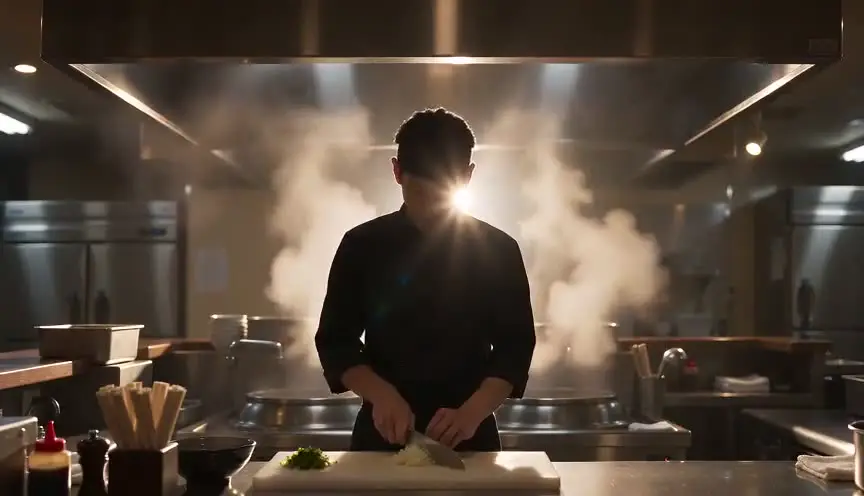
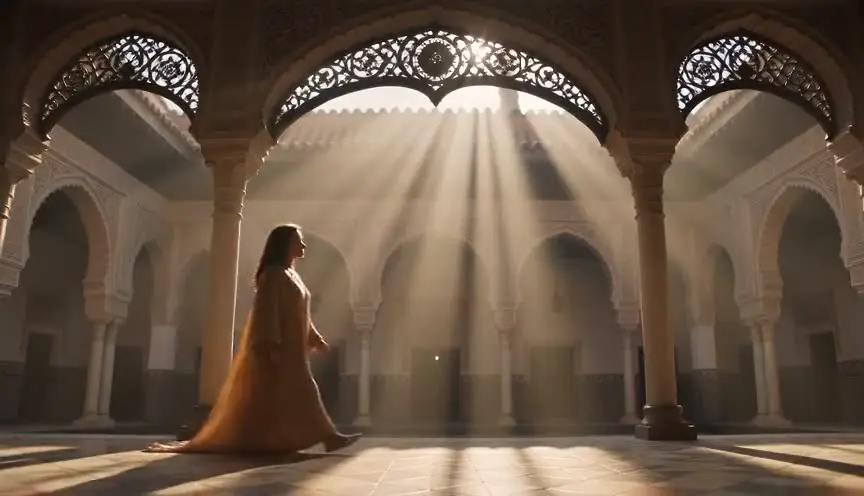
Smoke is almost invisible under front light. Put a backlight behind it and every ribbon turns bright against the dark, so the atmosphere becomes a readable shape rather than a gray veil.
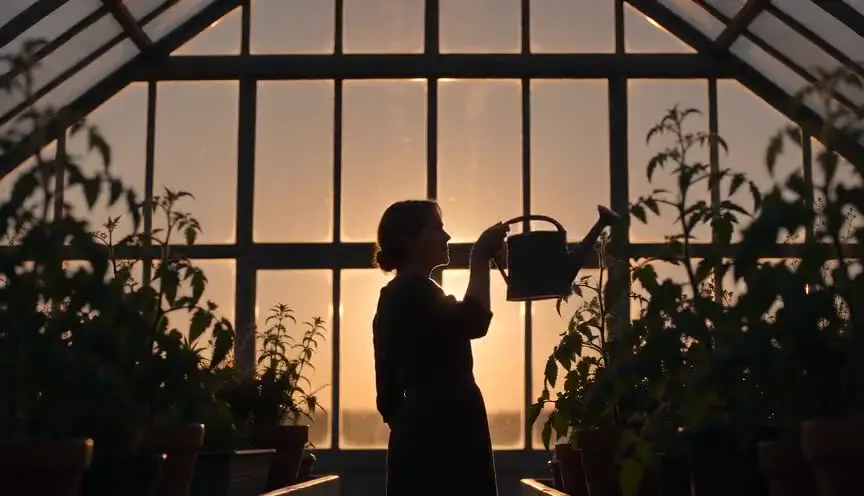
Once the smoke is thick and lit from behind, turn a character into a silhouette walking through it. The figure loses detail and gains menace, which suits an entrance or an exit.
Reference
Watch it in
Blade Runner (1982)
Haze and smoke hang in almost every space, inside and out, so hard beams of light cut through a city that feels old and rotting.
The Godfather (1972)
Gordon Willis lets cigar and cigarette smoke settle in dim rooms, which gives the family's private meetings a heavy, closed-door weight.
Apocalypse Now (1979)
Fires and signal flares send smoke across the jungle frames, and the colored air becomes a presence of its own in the battle scenes.
ScreenWeaver
Set it up in ScreenWeaver
Name the source of the smoke in your action lines, and ScreenWeaver breaks the scene down into shots automatically. Open each shot of the scene and note the smoke density in its description, so the atmosphere stays consistent across coverage. Set framing, angle, a static or slow movement, and a duration long enough for the drift to read. The location carries from shot to shot, and the AI previsualization lets you judge how much smoke the frame can take before faces disappear.
Start writing for freeThe prompt behind this clip
This is the exact prompt that rendered the clip at the top of the page. Keep the description of the camera and the light, change the subject and the place.
Smoke drifts in slow curling ribbons across a dim pottery workshop as pale kiln smoke rises from a vent beside a potter's wheel. Backlit by a single window, the smoke turns silver white, swirling and thinning as it climbs and catching shafts of light, while a middle-aged man in a clay-streaked apron shapes a bowl in the foreground, unaffected by the haze. The camera holds completely static, the smoke thickens briefly then disperses, texture and depth shifting while the framing and light never move. No text.
Common mistakes
- 01
Density that jumps between cuts
Smoke thins and thickens constantly on set. If the wide shot is heavy and the close-up is clear, the edit feels broken. Refresh the smoke before every take and check it against the previous setup.
- 02
Lighting it from the front
Front light turns smoke into a flat milky wash that lowers contrast without adding shape. Place the key or a backlight behind or beside the smoke so it glows and separates the layers.
- 03
Smoke without a story source
Thick smoke in a clean office with no fire or cigarette reads as a music video. Give it a reason in the scene, even a small one, so the audience accepts it without thinking.