High-key lightingBright rooms with nothing to hide
High-key lighting fills the frame with soft, even light and keeps shadows thin and pale, so faces and sets read clearly from edge to edge. The audience relaxes, or, when the brightness feels too perfect, starts to suspect it.
Also calledFlat lightingLow-contrast lightingBright lighting
Lighting
Why it works on screen
Use it when the world of the scene should feel open, safe or cheerful: a musical number, a family comedy, a morning in a place where everyone is fine. Bright, even light tells the audience there are no secrets in the corners. That is also its darker power. Push the brightness until nothing casts a shadow and the place starts to feel manufactured, sterile or watched, like a showroom or a clinic. A scene earns it when its surface is the point, either because the joy is real or because the perfection is a lie the story will crack later.
The shot list line
- Size
- Medium wide shot
- Angle
- Eye level
- Movement
- Static or gentle dolly across the room
- Lens
- 35mm
- Duration
- 4 to 6 s
Keep the key-to-fill ratio near 2:1, wrap the key in large diffusion and bounce the walls so no shadow falls hard behind the actors.
Screenplay
On the page
Leave the words "high-key" out of a spec script. A reader wants the world, not the lighting plan. You can suggest the look through the place itself: white walls, big windows, a sunlit shop floor, a room so clean it hums. If the brightness is a story point, say so in action (nothing here casts a shadow). The ratio, the diffusion and the fill level go in the shot list and the lighting notes, decided with the cinematographer.
INT. BRIDAL SALON - LAGOS - DAY
White carpet, white walls, a skylight the size of a swimming pool. Every mirror is spotless.
ADAEZE NWOSU (29) steps out of the fitting room in a gown that fits too well.
Her three aunts rise from a white sofa at once, clapping.
The saleswoman, FOLAKE (50s), smiles like she has seen this a thousand times.
ADAEZE
Why does everyone look so happy?
Storyboard
In the storyboard
Draw the room almost empty of shading: leave the walls white and add only light gray under chins and furniture. Write "high-key, ratio 2:1" in the margin. Mark the big sources with open circles outside the frame (skylight, bounce boards, overhead soft boxes) and a few arrows showing light coming from several sides at once. If the brightness should feel false, add a note on the one detail that will later break it.
Pairs well with
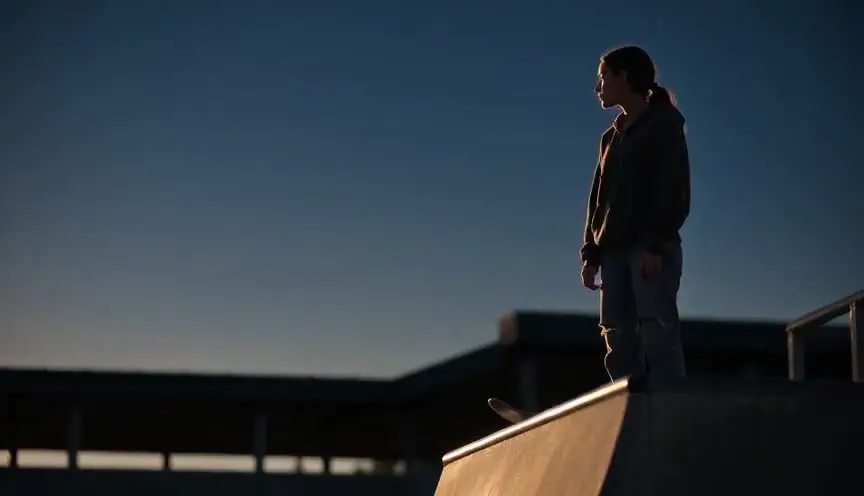
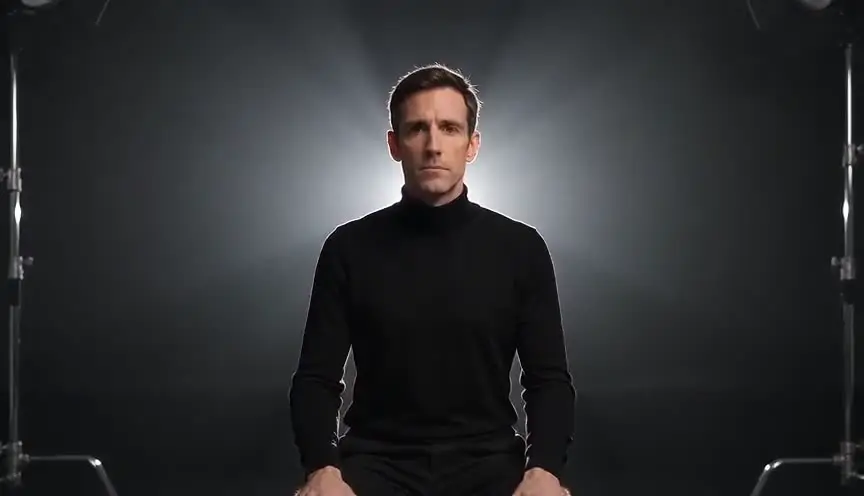
Cut from a bright high-key scene to a low-key one when the story turns. The contrast makes the drop into shadow feel like a fall, and the audience remembers how safe the earlier room felt.
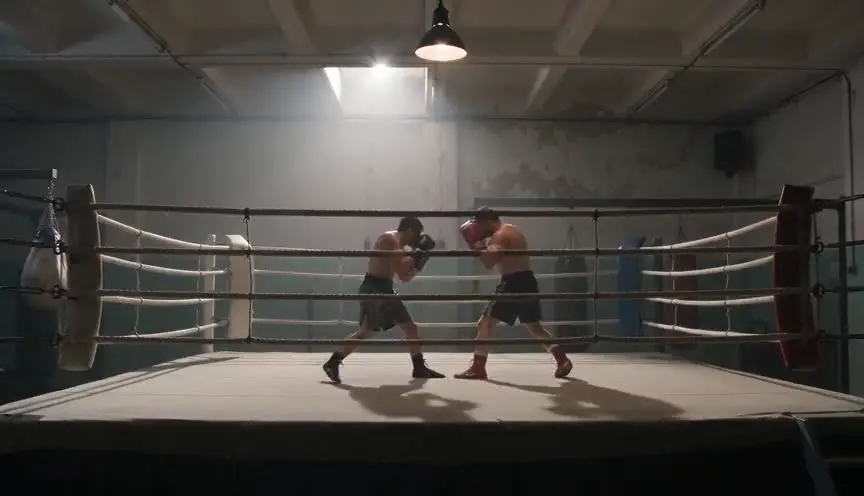
A wide shot shows off the even light across a whole set, so the audience reads the space as open and clean before you move in on faces that may not match it.
Reference
Watch it in
The Truman Show (1998)
Truman's hometown glows with even, shadow-free light, a look that makes his perfect life feel staged and supervised from above.
Singin' in the Rain (1952)
Bright, even studio light keeps every face, costume and painted set clear and cheerful through the song-and-dance numbers.
THX 1138 (1971)
The prison is pure white light with almost no shadow, so the space seems endless, clinical and stripped of anything human.
ScreenWeaver
Set it up in ScreenWeaver
Describe the place in bright, concrete terms in your action lines, and ScreenWeaver breaks the scene down into shots automatically. Open a wide or medium shot, set the framing and an eye-level angle, choose a static or gentle movement, and give it enough duration to take in the room. Add a high-key note on the shot. The location and characters carry to the next shots, so the look stays consistent, and the AI previsualization shows whether the brightness reads as joy or as something colder.
Start writing for freeThe prompt behind this clip
This is the exact prompt that rendered the clip at the top of the page. Keep the description of the camera and the light, change the subject and the place.
High-key lighting. A young woman in a white shirt laughs in a bright white room with white walls, white furniture and big windows. The whole image is bright, soft and almost shadowless, faces and background glowing in pale tones, clean and airy like a skincare commercial. Slow gentle push in. No text.
Common mistakes
- 01
Flat means lifeless
Even light can erase every form in the face. Keep a gentle direction on the key and a little separation from the background, or the actors look pasted onto the set.
- 02
Blown highlights
Bright is not the same as overexposed. White walls and pale costumes clip fast. Check skin and whites on the monitor so detail survives in the brightest parts of the frame.
- 03
No reason for the look
High-key used by default feels like a sitcom. Decide whether the brightness means safety, joy or artificial perfection, and let that choice guide the ratio and the set dressing.