Reflection shotThe character meets themselves
A reflection shot frames a character, or part of the scene, through a mirror, a window, a puddle or any reflective surface. The image splits a person in two, and the audience reads the double as a question about who they really are.
Also calledMirror shotReflective framingMirror composition
Composition
Why it works on screen
Mirrors are where characters check, rehearse and confront themselves. A reflection shot serves identity, self-deception, transformation, guilt and the split between public and private faces. It also layers two spaces in one image: the street in a shop window over a face inside, a room behind a character in the glass. Use it when a person prepares for a role, looks at who they have become, or realizes that someone else is watching. A scene earns a reflection when a character's inner conflict is the real subject, or when two worlds meet on one surface.
The shot list line
- Size
- Medium shot in the mirror
- Angle
- Eye level, slightly off axis to the mirror
- Movement
- Static or slow push
- Lens
- 35mm to 50mm
- Duration
- 4 to 8 s
Angle the camera just off the mirror's perpendicular so the lens and crew stay out of the reflection, and decide which image, real or reflected, holds focus.
Screenplay
On the page
Mirrors, windows and water are part of the world, so you may write them. Have the character look at their reflection, speak to it, avoid it or notice someone else in it. That is action, not camera direction. Keep it rare: one mirror scene can define a character, while five become a habit. The camera angle, the mirror placement and how to hide the crew belong to the shot list and the storyboard.
INT. BARBERSHOP - ATLANTA - CLOSING TIME
Chairs empty. Clippers still warm on the counter. A long mirror covers one wall.
DARNELL WEBB (60s, owner) sweeps hair from the floor.
In the mirror, his grandson JAMAL (19) sits in the first chair, in a borrowed suit, staring at himself.
JAMAL
Do I look like a lawyer?
Darnell looks at the reflection, not at the boy.
DARNELL
You look like your mother.
Storyboard
In the storyboard
Draw the mirror's edge as a clear frame inside the panel, then sketch the reflection inside it and the real subject, if visible, outside it. Label which figure is the reflection with an R. Add a small overhead diagram showing camera, mirror and actor, with the angle that keeps the camera out of the glass. Mark focus on the real or reflected image, and any rack between them with an arrow.
Pairs well with
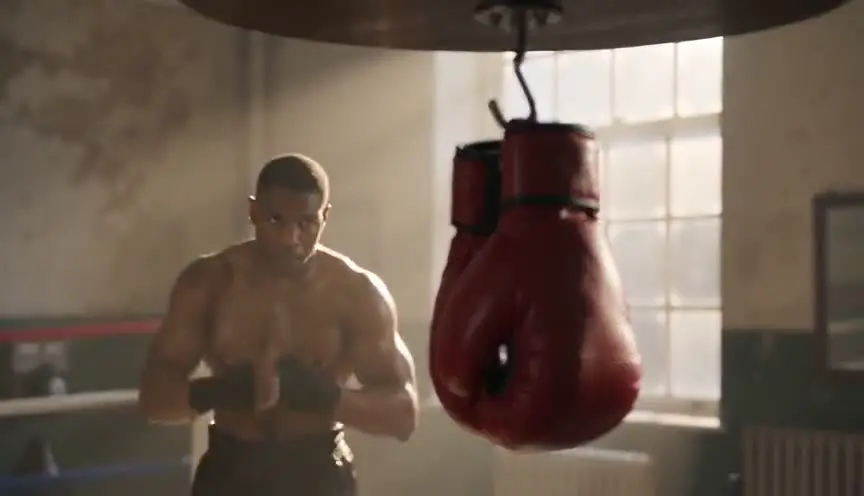
Rack focus between a character and their reflection, which sit at different focal distances. The shift makes the audience move from the person to their image, or back.

After a reflection, cut to a direct close-up of the real face. The audience compares the mirrored self with the actual person, and the difference becomes the point.
Reference
Watch it in
Taxi Driver (1976)
Travis Bickle talks to himself in the mirror, and the frame becomes a face-off between the man and a broken picture of who he wants to be.
Black Swan (2010)
Mirrors fill the apartment and the rehearsal room, multiplying Nina's image so her split sense of self becomes visible.
Blade Runner (1982)
Reflections in eyes, wet glass and neon windows overlay human and replicant images, feeding the film's doubts about identity.
ScreenWeaver
Set it up in ScreenWeaver
Write the mirror and what the character does with it into your action lines, and ScreenWeaver breaks the scene down into shots automatically. Open the shot, set a medium shot at eye level on the reflection, static or a slow push, with a duration that lets the double register. Add the mirror to the location references so it carries from shot to shot along with the characters. The AI previsualization helps you test the angle before planning how to keep the camera out of the glass.
Start writing for freeThe prompt behind this clip
This is the exact prompt that rendered the clip at the top of the page. Keep the description of the camera and the light, change the subject and the place.
Reflection shot. After the rain, a large puddle on a city street at night reflects, upside down and perfectly clear, a woman with a red umbrella walking past under neon signs. The camera sees only the puddle and the reflection; a drop falls into the water and ripples the image. Low angle close to the ground, cinematic, realistic. No text.
Common mistakes
- 01
The camera in the mirror
Shooting straight into a mirror shows the lens and the crew. Angle the camera or the mirror, or plan a clean-up in post before the shoot.
- 02
Focus on the wrong image
The reflection sits at the distance from the lens to the mirror plus the distance to the actor. Measure focus for the reflected image, not the glass.
- 03
A mirror for every mood
Reflection shots are loaded with meaning. Used in every scene, they turn into a gimmick. Keep them for the beats about identity or doubling.