Shoulder level shotWalk among the characters
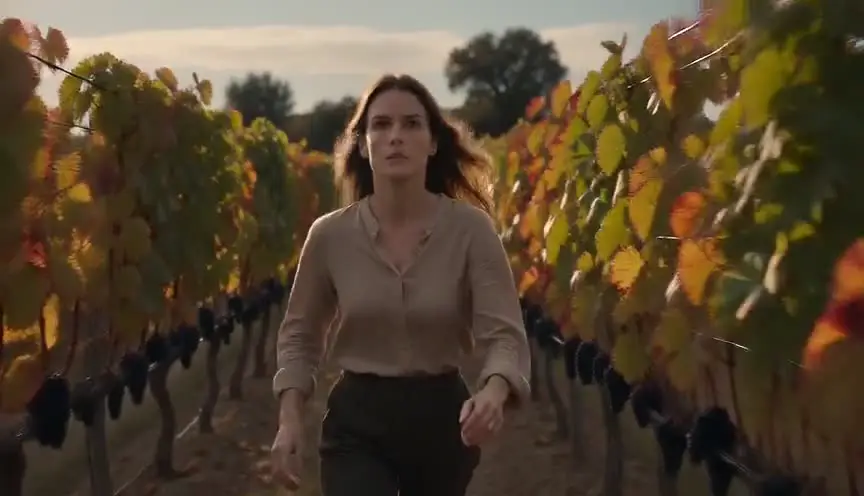
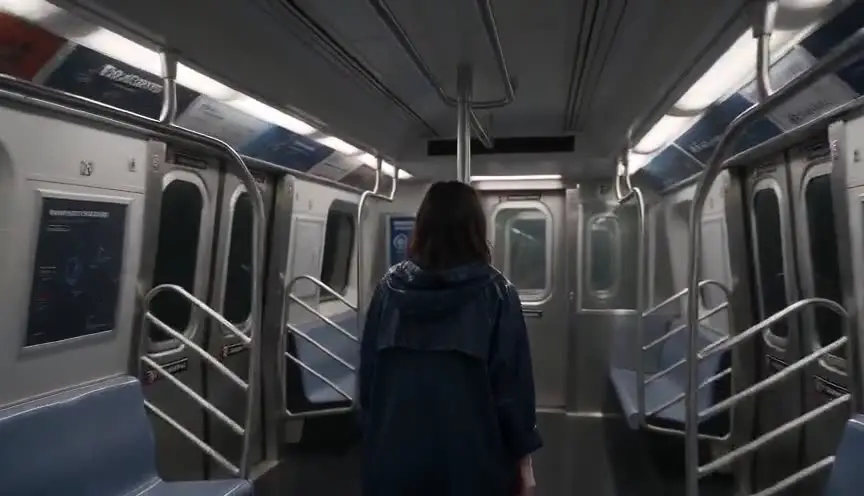
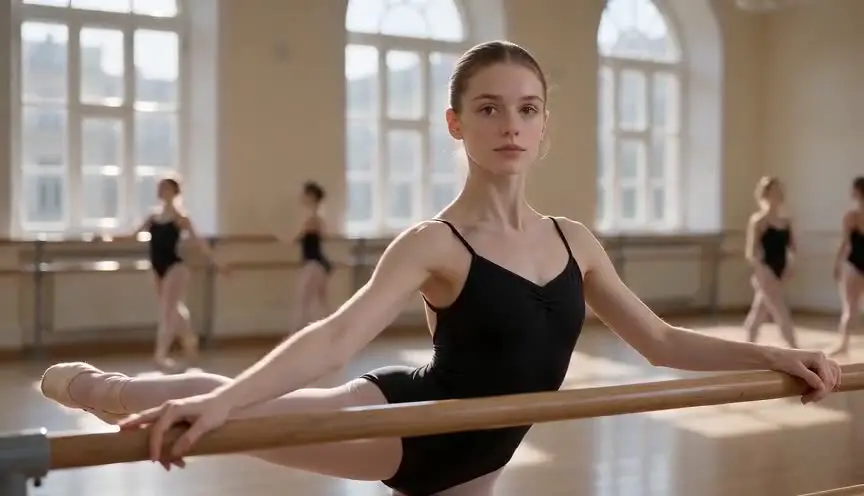
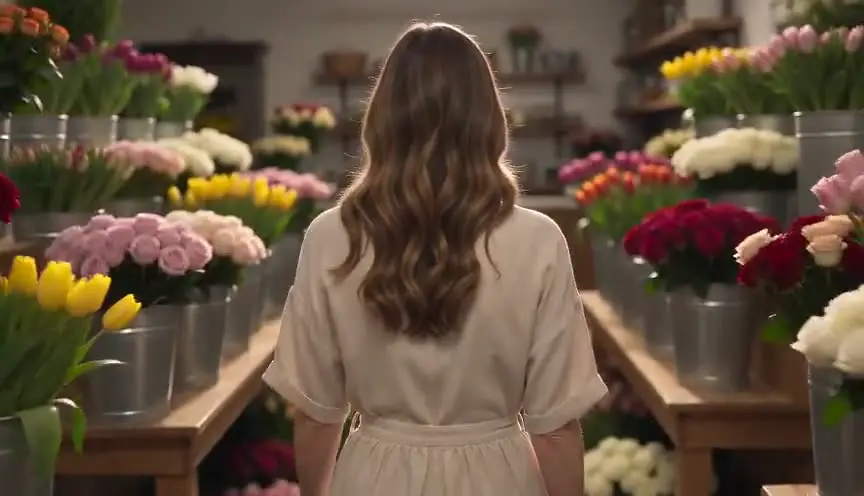
A shoulder level shot holds the camera at the height of a standing person's shoulders, just below the eyes. The characters look slightly taller than neutral, and the audience feels like one more person in the room, moving at the same height as everyone else.
Also calledShoulder height shotShoulder-level angleShoulder-mounted height
Camera angles
Why it works on screen
Shoulder height is where a handheld camera naturally rides, so the angle carries the feeling of being there. It serves immersion, urgency, crowds, chaos and following a character through a space. Because it sits a little under the eyes, it gives people a quiet presence without the heroic lift of a true low angle. It is ideal for long takes that move between rooms, for crowds where the camera must not tower, and for scenes where the audience should feel carried along. A scene earns it when the story wants the viewer embedded rather than observing from outside.
The shot list line
- Size
- Medium shot
- Angle
- Shoulder level, just below eye height
- Movement
- Handheld or Steadicam, moving with the character
- Lens
- 24mm to 35mm
- Duration
- 5 to 30 s
Keep the lens steady at the actors' shoulder height through the whole move, adjusting when they stoop or when the operator walks on stairs.
Screenplay
On the page
There is no reason to write "shoulder level" in a spec script. Write the movement and density of the scene instead: a character pushing through a crowded kitchen, a group running through a station, a conversation that walks from one room to the next. That tells the director the camera should move with people at their height. The rig, handheld or Steadicam, and the lens height belong in the shot list.
INT. RESTAURANT KITCHEN, NEW ORLEANS - FRIDAY DINNER RUSH
Steam, shouting, ticket printer chattering nonstop.
DESHAWN MOREAU (19), first night on the line, carries a tray of gumbo bowls between the stoves.
Cooks spin around him. A pan flares. Someone yells "Behind!"
He ducks under a shelf, sidesteps a dishwasher, and reaches the pass without spilling a drop.
CHEF ANNETTE (50s) does not look up.
CHEF ANNETTE
Table nine. Go again.
Storyboard
In the storyboard
Draw figures cut at mid-thigh or waist, their heads close to the top of the frame, with the camera line just under their eyes. Show other people in the foreground and background to suggest density. For a moving shot, draw a floor plan with the path of the character and of the camera following at a set distance. Note the rig, the lens, the operator's path and each point where the character turns or stops.
Pairs well with
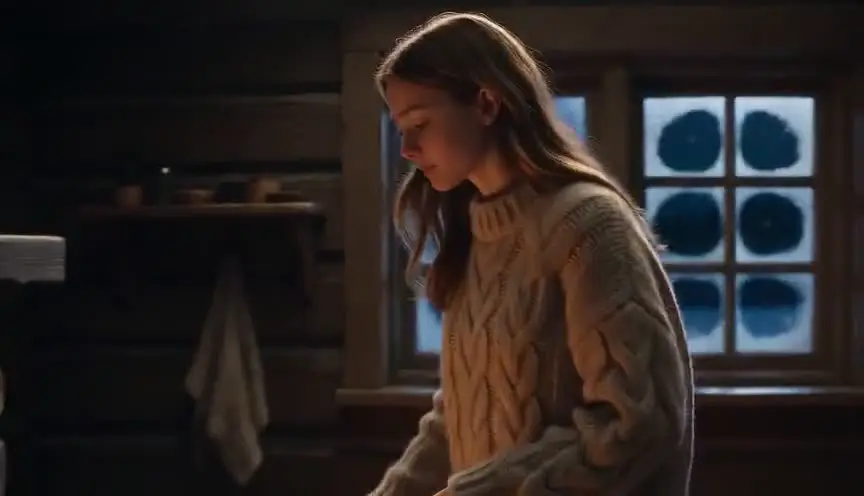
Shoulder height is the natural level for a long take that follows characters through a space. The unbroken shot and the embedded height together make the audience feel they walk with the characters.
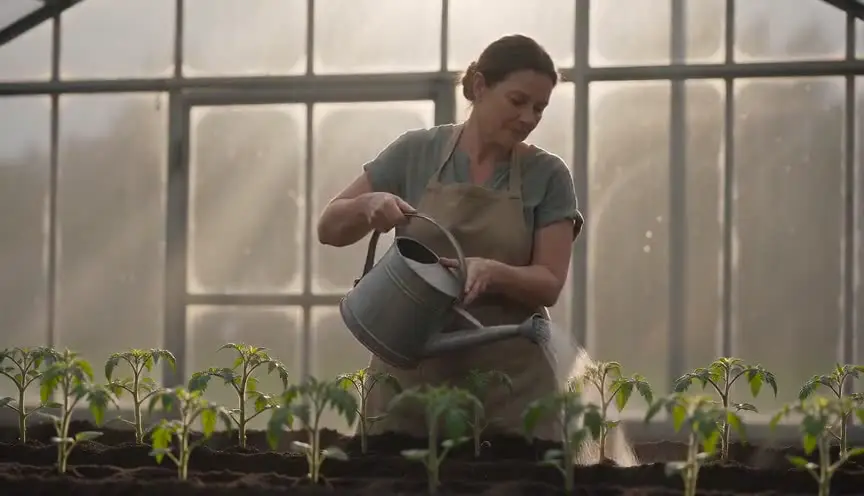
After a moving shoulder level sequence, a locked-off frame lets the scene breathe. The sudden stillness makes the audience notice the chaos they just passed through.
Reference
Watch it in
Children of Men (2006)
Long handheld takes often stay at shoulder height as the camera moves with characters through crowds and vehicles, keeping us inside the chaos.
Birdman (2014)
The Steadicam journeys through backstage corridors mostly at shoulder height, feeding the illusion of one continuous, embedded viewpoint.
ScreenWeaver
Set it up in ScreenWeaver
Write the character's path through the space, and ScreenWeaver breaks the scene down into shots automatically. Open the shot, set the framing to a medium shot, choose a shoulder level angle, set the movement to handheld or following the character, and give the duration the length of the walk. The characters and the location carry from shot to shot, so the space stays coherent along the path. Use the AI previsualization to check the route and the timing before blocking the actors.
Start writing for freeThe prompt behind this clip
This is the exact prompt that rendered the clip at the top of the page. Keep the description of the camera and the light, change the subject and the place.
Shoulder level shot, camera height locked at the shoulders of a woman in her thirties walking briskly through a modern glass office tower lobby, gimbal rig moving beside her at matching walking speed, 35mm lens, frame holding steady at that height with no tilt up or down, reflective glass walls and steel columns sliding past in the background, soft daylight through floor-to-ceiling windows, her stride and the camera's lateral glide perfectly synced for four seconds. No text.
Common mistakes
- 01
Height that wanders
A handheld camera drifting from chest to eye height makes the viewpoint feel unsteady in the wrong way. Keep a consistent height, especially in long takes.
- 02
Too much shake
Shoulder level suggests a person, not a disaster. Unless the scene is chaotic, keep the handheld controlled so the audience watches the action, not the camera.
- 03
Overlooking the background
At this height, the lens sees the room behind the actors. Dress and light the whole space, since a moving camera will reveal it.