Macro lensThe small thing that holds the story
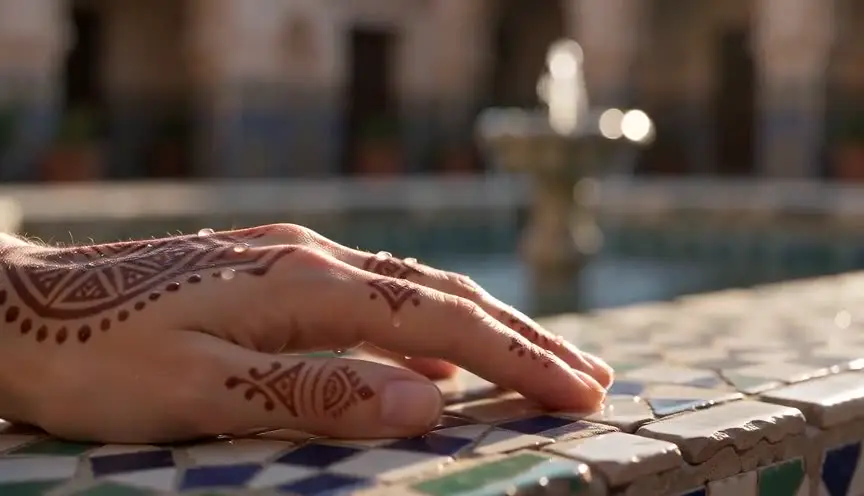
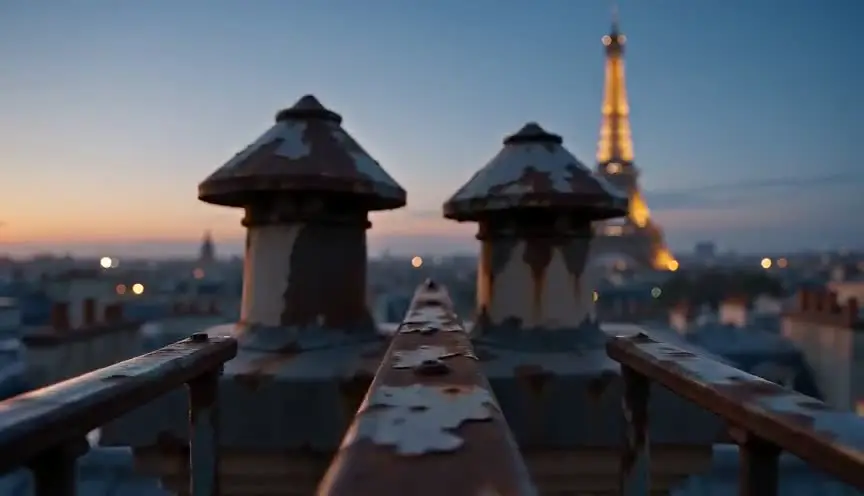
A macro lens focuses very close and magnifies small subjects until they fill the frame at life size or larger, with only a few millimeters in focus. The audience enters a world it normally never notices, where a drop of water or a grain of rust has weight.
Also calledMacro photographyMacro shotExtreme magnification lens
Lenses and optics
Why it works on screen
Macro makes the tiny matter. It can reveal a clue, like a hair on a collar or a scratch on a lock. It can show a ritual in detail, such as coffee blooming, a needle entering skin, ink spreading on paper. It can give insects, seeds and machines an epic scale. It serves obsession, sensory memory, suspense and wonder. A scene earns it when the story depends on something the characters handle but do not look at, or when a character's focus narrows to a single object. Cut in at the right moment, one macro shot can say what a page of dialogue cannot.
The shot list line
- Size
- Extreme close-up
- Angle
- Straight on or slightly above the object
- Movement
- Static, or a slider creep of a few millimeters
- Lens
- 100mm macro, 1:1 magnification
- Duration
- 2 to 5 s
Light is the bottleneck: stop down for more depth, raise the level on the object, and lock everything, since a one millimeter bump wrecks focus.
Screenplay
On the page
A spec script should not say "macro". It can, however, point to the detail. The accepted tool is INSERT: a short heading followed by the object, used when the reader must see a specific thing to follow the story. Use it sparingly, once or twice a scene at most, and only for details that drive the plot or the emotion. The lens, the magnification and the lighting of the insert are then worked out in the shot list with the cinematographer.
INT. WATCH REPAIR STALL - NIGHT
A cupboard-sized shop on a market lane. One lamp on a bent arm.
ARUNDHATI SEN (40s) opens the back of her late father's wristwatch with a blade.
INSERT - THE MOVEMENT
A hair-thin spring, snapped. Beside it, scratched into the brass, two tiny letters: A.S.
BACK TO SCENE
Arundhati sets the blade down and does not breathe for a moment.
Storyboard
In the storyboard
Draw the object so large that it breaks the frame edges, with fine texture on the sharp area and soft blobs for everything else. Mark the plane of focus with a thin line and write the magnification. If the camera moves, draw a tiny arrow with the distance in millimeters, not feet. Label the panel as an insert, reference the scene it belongs to, and note what the audience must read in the detail.
Pairs well with
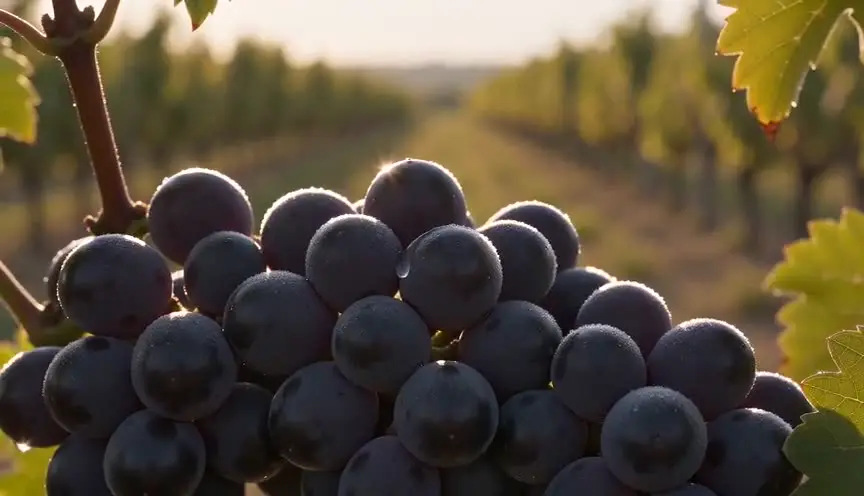
The macro is often the insert itself. Cut from the character's hands in a medium shot to the magnified detail, and the audience knows exactly what the character has discovered.

After a macro reveal, return to the face. The contrast between an enormous small detail and a human reaction tells the audience how much that detail means.
Reference
Watch it in
Microcosmos (1996)
Filmed entirely with specially built macro rigs, the documentary turns insects and drops of dew into characters with full cinematic drama and texture.
Phase IV (1974)
Ken Middleham's macro footage makes ants look enormous, recording their signals, work and attacks with a cold, scientific precision that feels unsettling.
ScreenWeaver
Set it up in ScreenWeaver
Write the detail into your screenplay with an INSERT heading, and ScreenWeaver breaks the scene down into shots automatically, giving the insert its own shot. Set the framing to an extreme close-up, choose the angle on the object, keep the movement static or a tiny creep, and set a short duration. The object carries as a reference from shot to shot, so it looks the same in the wide coverage, and the AI previsualization shows whether the detail reads.
Start writing for freeThe prompt behind this clip
This is the exact prompt that rendered the clip at the top of the page. Keep the description of the camera and the light, change the subject and the place.
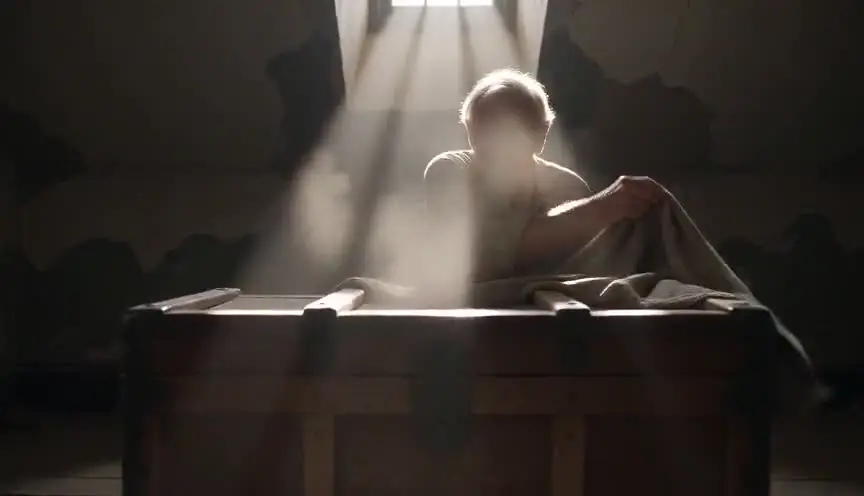
Macro lens shot of a corroded metal latch and flaking paint on an abandoned train station bench, camera locked at extreme close focus with life-size magnification, depth of field only a few millimeters so the wood grain behind dissolves into soft blur, dust motes drifting through a low shaft of window light, the lens creeping forward barely a centimeter over four seconds to reveal deeper rust texture, warm side light raking across the metal surface. No text.
Common mistakes
- 01
Not enough light
Macro work eats light. Stopping down for depth of field needs strong, controlled light on a tiny area. Plan small LED sources or a ring light before the shoot.
- 02
Too many inserts
Every insert slows the scene and asks the audience to pay attention. If several details compete, none of them feels important. Pick the one that matters.
- 03
Moving too fast
At high magnification a slow move on screen is a tiny move on set. A normal slider speed turns into a blur. Measure moves in millimeters.