Chase car shotRacing alongside the danger
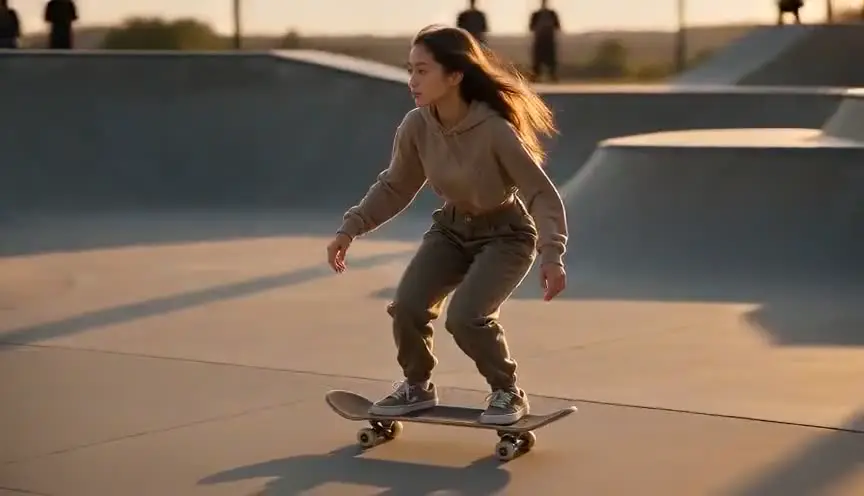
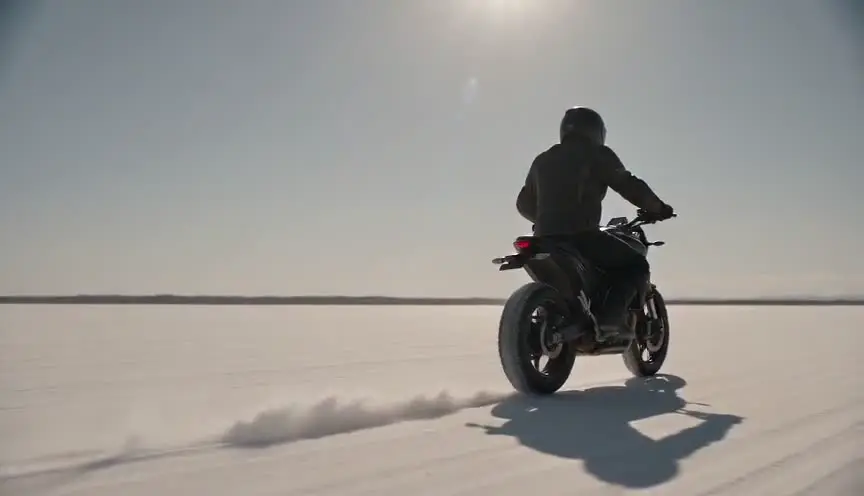
A chase car shot is filmed from a camera vehicle that drives beside, ahead of or behind the action, keeping a moving car, bike or runner in frame at speed. The audience feels the road rush under them and the gap between pursuer and prey shrink or grow.
Also calledCar chase shotPursuit shotCamera car chaseTracking vehicle shot
Camera movement
Why it works on screen
Use it when the story becomes a race. A getaway, a pursuit, a desperate attempt to catch a bus, a rival about to overtake. The chase car shot measures distance: how close the danger is, how much road remains. It serves adrenaline, desperation, skill and the thrill of motion. It also lets the audience see the characters' faces at speed. A scene earns it when the stakes are clear before the chase starts, so every meter gained or lost matters, and when the pursuit changes something: a relationship, a secret, a life.
The shot list line
- Size
- Medium shot of the rider and vehicle
- Angle
- Low angle, near road level
- Movement
- Camera vehicle tracking alongside at matched speed
- Lens
- 24mm to 50mm on a stabilized arm
- Duration
- 3 to 6 s per shot
Close the route, brief every driver with the stunt coordinator, and set a maximum speed the camera vehicle can hold safely while keeping the subject in frame.
Screenplay
On the page
Write the chase as story beats, not camera positions. Who is chasing, what they want, what goes wrong on the road: a red light, a market stall, a truck backing out. Short lines keep the rhythm fast. Never write "the camera car pulls alongside". The director, the stunt coordinator and the second unit decide the vehicles, the arm and the speeds, and the shot list and the stunt breakdown hold those details.
EXT. VIA MAQUEDA - PALERMO - DAY
A city bus pulls away from the stop. In its back window, a green schoolbag, forgotten.
GIUSEPPE LO CASCIO (16) kicks his scooter into life and gives chase, helmet unbuckled.
He weaves between a delivery van and a fruit cart. Oranges tumble.
The bus brakes. Giuseppe does not. He swerves, pulls level with the driver's window, and bangs on the glass.
GIUSEPPE
My grandmother's pills are in that bag!
Storyboard
In the storyboard
Draw a top-down road diagram with the subject vehicle and the camera vehicle as arrows, showing their relative positions: beside, ahead or behind. Number each camera position. For each number, draw one panel with speed lines and the background blurred. Note the speed, the lens and the distance between vehicles. Mark obstacles and stunt beats on the diagram with small stars.
Pairs well with
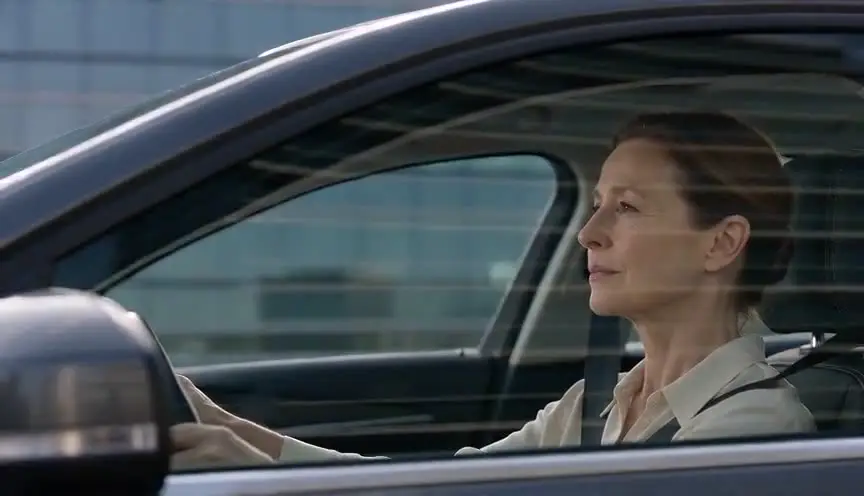
Cutting from the exterior chase car view to a mount inside the vehicle puts the audience back at the wheel. The outside shows the danger, the inside shows the fear.
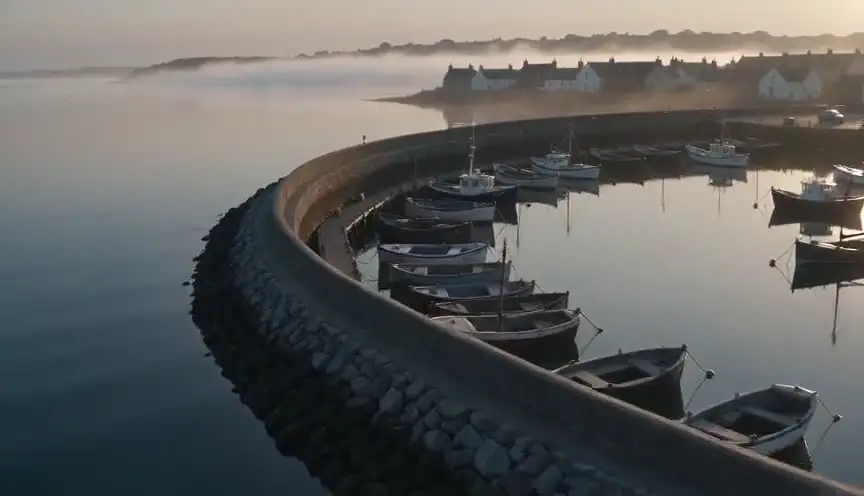
A high aerial view between chase car shots reveals the geography of the pursuit: the streets, the gap and the obstacle ahead. It lets the audience anticipate the next move.
Reference
Watch it in
Bullitt (1968)
Cameras placed low in the pursuing car during the San Francisco chase created the realistic hood-level view that later chases copied.
Ronin (1998)
Cameras rigged in and around speeding cars through Paris keep hunter and prey locked together in dangerous street-level movement.
ScreenWeaver
Set it up in ScreenWeaver
Write the chase as quick action beats, and ScreenWeaver breaks it down into shots automatically. Open each shot, set a medium framing at a low angle, choose a tracking movement alongside or behind the subject, and keep the durations short. The characters, the vehicles and the streets carry from shot to shot, so the scooter and the bus stay consistent through every angle. Use the AI previsualization to test the order and rhythm before planning the stunt day.
Start writing for freeThe prompt behind this clip
This is the exact prompt that rendered the clip at the top of the page. Keep the description of the camera and the light, change the subject and the place.
Chase car shot: camera mounted low on the hood of a dark sedan racing down a rain slick city street at night, matching speed with a silver coupe just ahead as it passes a jazz club with glowing neon signage and warm light spilling from tall windows. The frame stays locked to the pursuing car while streetlights and the club facade streak into horizontal motion blur, the gap to the target car tightening from fifteen feet to eight feet across the shot, tires throwing thin sprays of water, engine vibration reads as a faint constant shake in the image. No text.
Common mistakes
- 01
Unclear geography
If the audience cannot tell who is ahead, the chase becomes noise. Keep direction consistent on screen and include a few wider views that show the gap between vehicles.
- 02
Every shot the same speed
A chase at constant pace becomes monotonous. Vary distance, angle and rhythm, with near misses, slowdowns and bursts, so the pursuit has a shape. Build it like a piece of music, with a climax.
- 03
Safety planned last
Chase shots involve real vehicles at speed. Plan road closures, stunt drivers and camera vehicle limits from the start, and let them shape the shot list.