AsymmetrySomething is missing from the picture
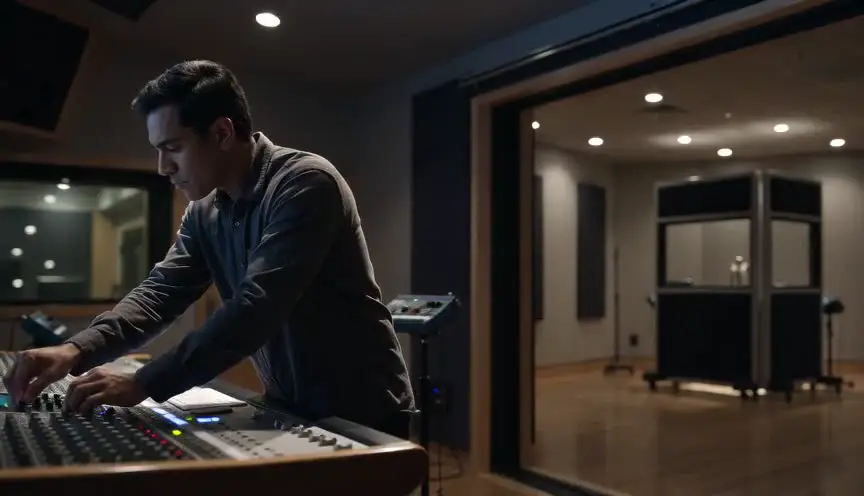
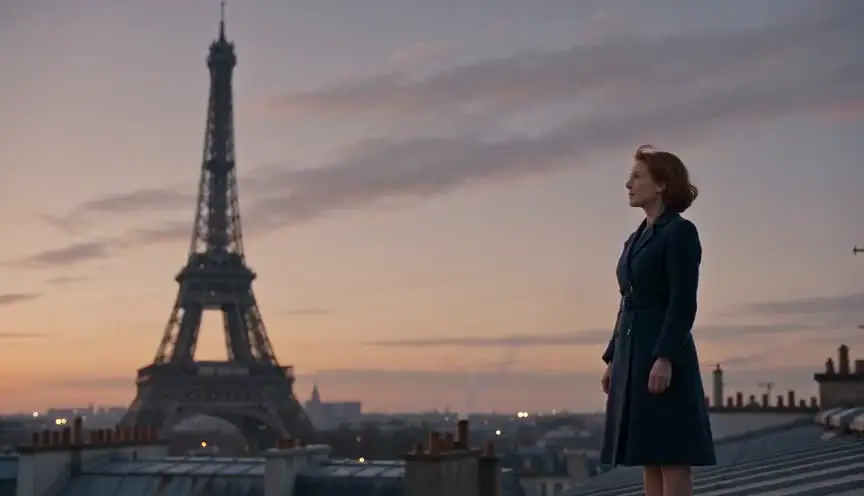
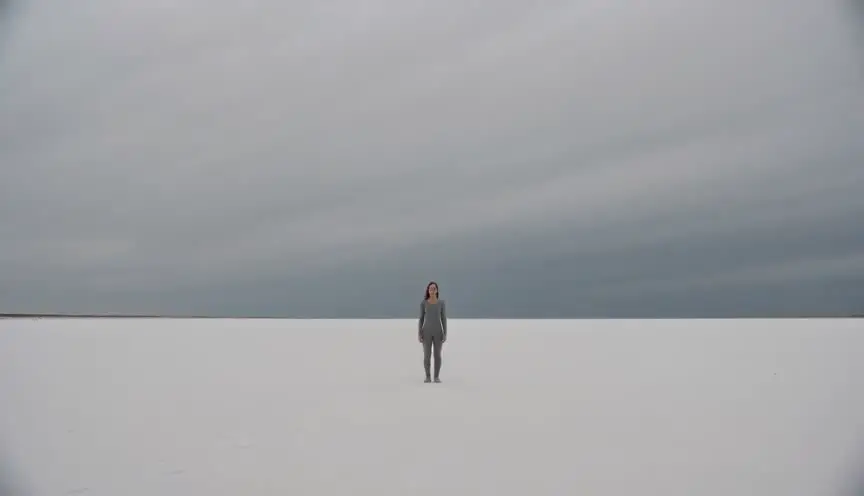
Asymmetrical composition gives one side of the frame much more weight than the other, through size, tone, people or empty space. The audience senses imbalance, and their eye keeps searching the lighter side for what should be there.
Also calledAsymmetrical compositionOff-balance framingUnbalanced framing
Composition
Why it works on screen
Asymmetry is the frame of loss, tension and instability. A person pressed to one side of a wide room, a couple where one partner fills the frame and the other is a sliver, a chair on the left with no one in it: each image says the balance of a life has changed. It serves grief, estrangement, suspense and the quiet before danger. A scene earns it when the relationship between a character and their world has tipped, or when the audience should suspect that something is about to enter the empty side.
The shot list line
- Size
- Wide shot
- Angle
- Eye level
- Movement
- Static
- Lens
- 28mm or 32mm
- Duration
- 5 to 8 s
Push the subject against one frame edge and let the rest of the room stay open and lighter; do not fill the empty side with props.
Screenplay
On the page
Asymmetry is a framing decision, so keep the word out of your screenplay. You can still write the imbalance into the scene: an apartment half emptied, one side of a bed still made, a person standing far from everyone else. Give the missing thing weight in the action lines, and the director will leave room for it in the frame. The exact placement and proportions go in the shot list and on the storyboard.
INT. APARTMENT - LIVING ROOM - DAY
Half the furniture is gone. Pale rectangles on the floor where a sofa and shelves used to be.
NADIA BÉLANGER (41) sits on a moving box against the far right wall, a coffee going cold in her hands.
The left side of the room is bare boards and a window full of snow.
Her phone buzzes on the floor. She lets it.
NADIA
(quiet)
You took the good lamp.
Storyboard
In the storyboard
Draw the frame and push the subject hard to one side, small or large depending on the beat. Shade the heavy side darker and leave the other side light, then label what the empty area holds: a window, a missing sofa, a door someone may open. Add a small balance mark, like a tipped scale, in the corner. Note the lens, the camera height and how long the imbalance should hold before the cut.
Pairs well with

Show a space in perfect balance early, then return to it asymmetrical after a loss. The audience feels the change without being told, because the same room no longer holds its shape.
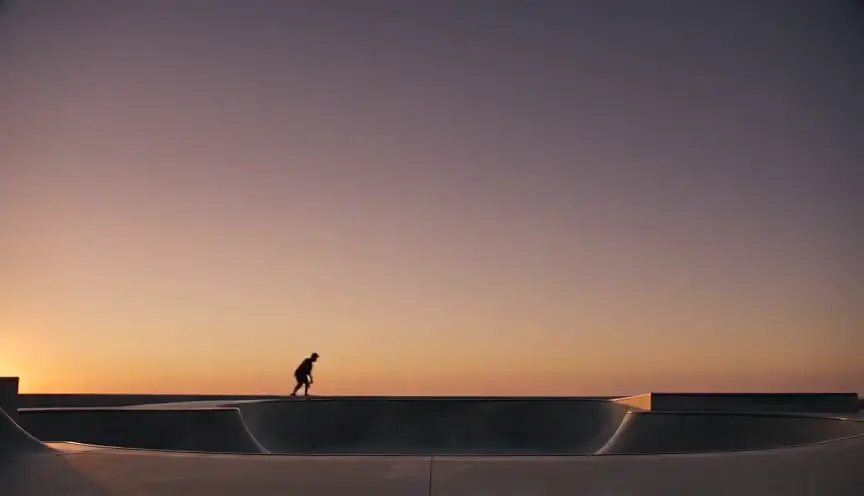
Asymmetry often relies on a large empty area. Holding that negative space for a beat before or after lets the absence become the subject of the shot.
Reference
Watch it in
There Will Be Blood (2007)
Paul Thomas Anderson keeps setting Plainview away from center against bare land and sky, so he looks cut off from everything around him.
No Country for Old Men (2007)
The Coens use lopsided frames in open desert and quiet rooms, so the viewer keeps worrying about what the empty side is hiding.
ScreenWeaver
Set it up in ScreenWeaver
Write the imbalance into the place and the action, and ScreenWeaver breaks the scene down into shots automatically. Open the shot, set the framing to a wide shot at eye level, static, with a duration long enough for the empty side to register. In the storyboard frame, place the character near one edge. The character and the location carry to the next shots, so the same room keeps its lopsided weight, and the AI previsualization lets you judge the tension.
Start writing for freeThe prompt behind this clip
This is the exact prompt that rendered the clip at the top of the page. Keep the description of the camera and the light, change the subject and the place.
Asymmetry: a static wide shot inside a curved space station corridor, lit by cool blue overhead strips. A lone engineer in a gray jumpsuit stands far to the left third of the frame, dwarfed by a tall bank of humming server racks beside her, while the right two-thirds of the frame remain an empty stretch of corridor fading into shadow. The camera does not move. Nothing enters the empty side. The uneven weight between the crowded left and the vacant right stays constant for the full four seconds. No text.
Common mistakes
- 01
Imbalance by accident
An unbalanced frame reads as intentional only when the rest of the film is controlled. If your coverage is loose everywhere, asymmetry looks like sloppy operating.
- 02
Filling the empty side
Adding set dressing to the open side to make it look nicer cancels the effect. The lighter side must stay light, or the frame simply rebalances itself.
- 03
Holding it for every beat
An entire scene in lopsided frames tires the eye. Build toward it, or cut away and return, so the imbalance lands on the moments that need it.