Visual weightWho owns the frame
Visual weight is the pull each element of a frame has on the eye, through its size, brightness, color, sharpness, position and whether it is a human face. The heaviest element wins attention, and the audience reads power and importance from that balance.
Also calledCompositional weightEye weightBalance of interest
Composition
Why it works on screen
Every frame is a contest for attention, and visual weight decides who wins. A small figure in a red coat can outweigh a crowd in grey. A face in focus outweighs three blurred ones. A standing man in the light outweighs a seated woman in shadow, until she speaks. Use weight to show power, to hide or reveal a character, to move the audience's attention from one person to another without a cut. A scene earns careful weighting when status shifts inside it, or when the most important person is not the one talking.
The shot list line
- Size
- Wide shot of the room
- Angle
- Eye level
- Movement
- Static
- Lens
- 28mm to 35mm
- Duration
- 5 to 8 s
Give the dominant character the strongest contrast in the frame, through light, color or focus, even if they are small and far from the lens.
Screenplay
On the page
A writer controls weight through what they emphasize, not through frame language. Describe who stands and who sits, who is in the light, what color someone wears if it matters, and who everyone else watches. Keep the heavy element in its own sentence. A director will translate that into size, tone and focus. Do not write about balance or weight on the page. The actual distribution belongs in the shot list and on the storyboard.
INT. BOARDROOM - LAGOS - DAY
Twelve executives in dark suits around a glass table. Grey sky behind the windows.
At the far end, in a yellow gele and wrapper, CHIEF ADAEZE NWOSU (70s) says nothing. Everyone keeps glancing at her.
The CEO, OBINNA (40s), stands at the screen, clicking through figures.
OBINNA
So, in short, we're sound.
Adaeze sets her pen down. The room goes quiet.
Storyboard
In the storyboard
Sketch the frame, then shade the heaviest element with the darkest tone or mark its color with a strong note. Draw the other elements lighter. Add a small balance scale in the corner showing which side outweighs the other. If attention moves during the shot, draw arrows from the first heavy element to the second, with the cue that shifts it, such as a line of dialogue or a rack focus. Note lens and duration.
Pairs well with
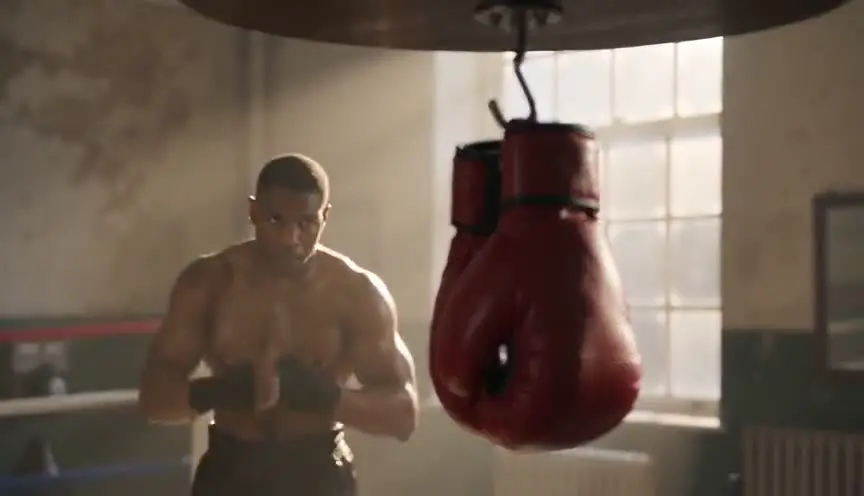
A rack focus transfers visual weight from one character to another in the same frame. Use it after a static, balanced setup, when attention must move without a cut.
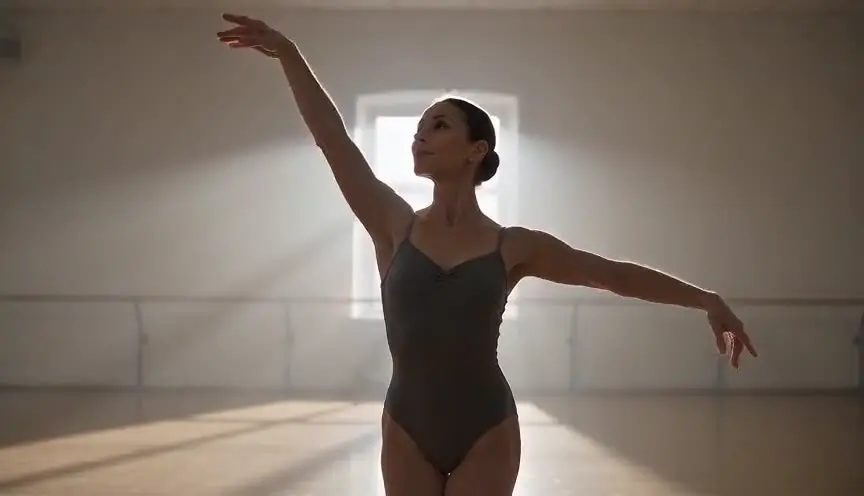
Clear figure-ground separation gives the heaviest element its full pull. Combine them when a single person must stand out from a busy background.
Reference
Watch it in
Citizen Kane (1941)
Gregg Toland places characters at very different distances and sizes in one deep focus frame, so power and loneliness read without cutting.
There Will Be Blood (2007)
Paul Thomas Anderson sets one dark figure against wide pale land, so scale and contrast let a single man dominate the whole frame.
ScreenWeaver
Set it up in ScreenWeaver
Write who everyone watches, and what sets that person apart, into your action lines, and ScreenWeaver breaks the scene down into shots automatically. Open the shot, set a wide framing at eye level, static, with a duration that lets the eye settle. Place the heaviest element in the storyboard frame and keep the others lighter. Characters, locations and costume references carry from shot to shot, so the key color or detail stays consistent. Use the AI previsualization to check where the eye lands first.
Start writing for freeThe prompt behind this clip
This is the exact prompt that rendered the clip at the top of the page. Keep the description of the camera and the light, change the subject and the place.
Visual weight, a static locked-off wide shot inside a glass greenhouse full of pale green seedlings under soft diffused daylight. A single large dark iron watering can sits in sharp focus in the left foreground, its heavy black silhouette contrasting against the bright, softly blurred wall of plants filling the rest of the frame. A woman in light beige clothing walks in slowly from the right background, small and pale against the glass, her figure acting as a light counterweight to the dark can. Camera does not move. No text.
Common mistakes
- 01
Two heavy elements fighting
A bright window and the lead's face competing for attention split the audience. Reduce the weight of one through exposure, framing or focus.
- 02
Forgetting faces
Human faces carry huge weight. An extra facing the lens in the background can steal a scene. Turn extras away or soften them when the lead speaks.
- 03
Weight with no reason
A random red object pulls the eye as strongly as a character. Keep strong colors and bright highlights for elements that serve the story.