Southern gothicHeat, rot and family secrets
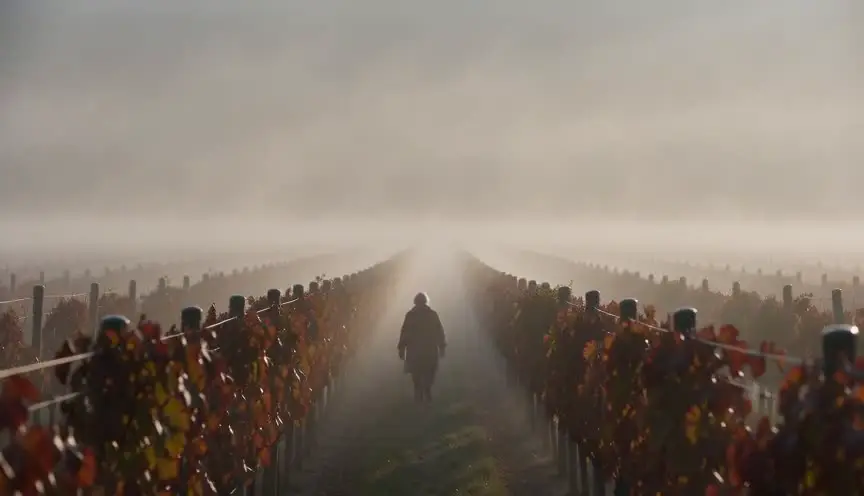
Southern gothic is a style rooted in the American South: decaying houses, humid landscapes, religious fervor, grotesque characters and violence beneath politeness. The audience feels something rotten under the lace and the hymns.
Also calledSouthern Gothic lookGothic AmericanaBayou noir
Genre looks
Why it works on screen
Southern gothic stories dig into families, communities and histories that hide their sins. A preacher who is not what he seems, a mansion falling apart around its last heir, a child who knows too much. The style serves secrecy, guilt, decay, faith and menace. It works when the past refuses to stay buried and when the land itself feels haunted by what happened on it. A story earns this look when its horror is human and social more than supernatural, and when beauty, a porch at sunset, a church choir, sits right next to cruelty.
The shot list line
- Size
- Wide shots of houses and landscapes, medium shots on porches
- Angle
- Eye level, sometimes low toward looming houses or trees
- Movement
- Static or slow, patient moves
- Lens
- 35mm to 50mm
- Duration
- 5 to 10 s
Use humid haze, warm low sunlight or candlelight, and let decay show in the set dressing: peeling paint, moss, rust.
Screenplay
On the page
Southern gothic lives in texture and voice, and the page can carry both. Write the heat, the insects, the peeling paint, the Bible on the table, the way people speak around what they mean. Let one grotesque or eerie detail per scene hint at the rot. Keep lighting and lens choices out of the script. The humid haze, the candlelight and the palette are for the cinematographer, planned in the shot list.
EXT. PORCH, BOUDREAUX HOUSE - ST. MARTIN PARISH, LOUISIANA - DUSK
The funeral lunch is over. Paper plates in the trash, flies on the ham.
AUNT CORINNE (70s, church hat still pinned) rocks in her chair, fanning herself with the program.
Her grandnephew LUCIEN (30s, city suit, sweating) sits on the step below.
Under the house, something scratches at the lattice.
AUNT CORINNE
Don't you go looking under there, baby. Your grandmother didn't.
Storyboard
In the storyboard
Draw the house or landscape heavy and sagging: crooked porches, Spanish moss, overgrown yards. Shade interiors dark with pools of warm light from lamps or candles. Add haze lines in the air. Place characters small against the house, or tight on a porch. Mark slow moves with short arrows. Note the time of day, the heat and one unsettling detail per panel.
Pairs well with
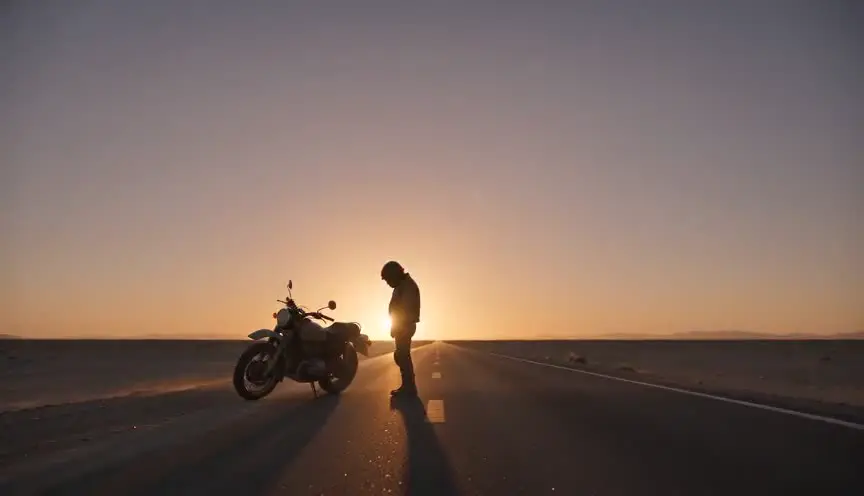
Warm, low sun over a decaying porch creates a deceptive beauty. It pairs with the genre's contrast between surface charm and hidden rot.
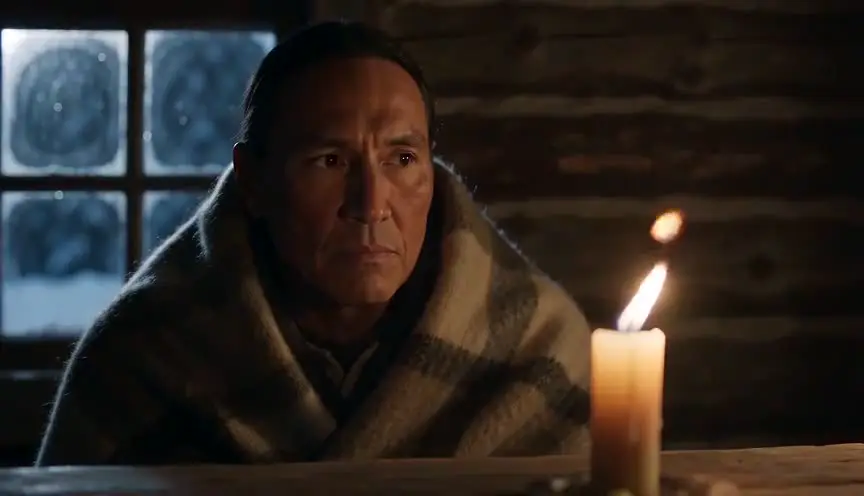
Candlelit interiors hide corners and deepen shadows. They suit scenes of confession, prayer and family secrets, bringing the darkness inside the house.
Reference
Watch it in
The Night of the Hunter (1955)
A predatory preacher chases children through shadowy river country, setting the genre's blend of folk imagery and threat.
A Streetcar Named Desire (1951)
Cramped New Orleans rooms, sticky night streets and fading gentility make Blanche's secrets and the violence around her feel physical.
Eve's Bayou (1997)
Moss-draped Louisiana land, candlelit rooms and Creole family secrets form a bayou noir about memory, belief and violence.
ScreenWeaver
Set it up in ScreenWeaver
Write the heat, the house and the unspoken tension in your screenplay, and ScreenWeaver breaks the scene down into shots automatically. Open each shot and set wide or medium framings, eye-level or low angles, static or slow movements and patient durations. Add notes on haze, light and decay. Characters, locations and references carry from shot to shot, so the house and its people stay consistent, and the AI previsualization lets you judge the mood of the sequence.
Start writing for freeThe prompt behind this clip
This is the exact prompt that rendered the clip at the top of the page. Keep the description of the camera and the light, change the subject and the place.
Southern Gothic mood on a storm-battered lighthouse at the edge of a rocky coast, its whitewashed tower streaked with rust and black mold, waves crashing against the base as heavy rain slants sideways in the wind. A weathered fisherman in an oilskin coat climbs the spiral stairs, lantern in hand, the flame throwing warm, unstable light across peeling paint and cracked windows. The camera holds a slow, static locked-off shot from below, low-key and desaturated toward olive and grey, thunder flashing far off on the horizon. No text.
Common mistakes
- 01
Caricatures instead of people
Grotesque does not mean cartoonish. Southern gothic characters are strange but human. Mocking them turns the style into parody and loses the dread.
- 02
Decay without history
Peeling paint and moss need a story behind them. The rot should point to a family history or a sin, not just an aesthetic.
- 03
Too dark all the time
The genre's power comes from contrast: sunlight and shadow, hymns and violence. Constant darkness loses the unsettling beauty.