BokehThe world melts into light
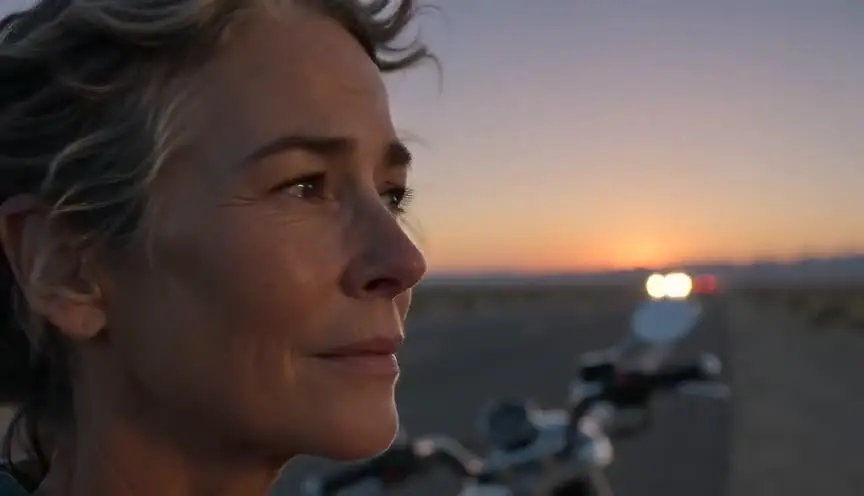
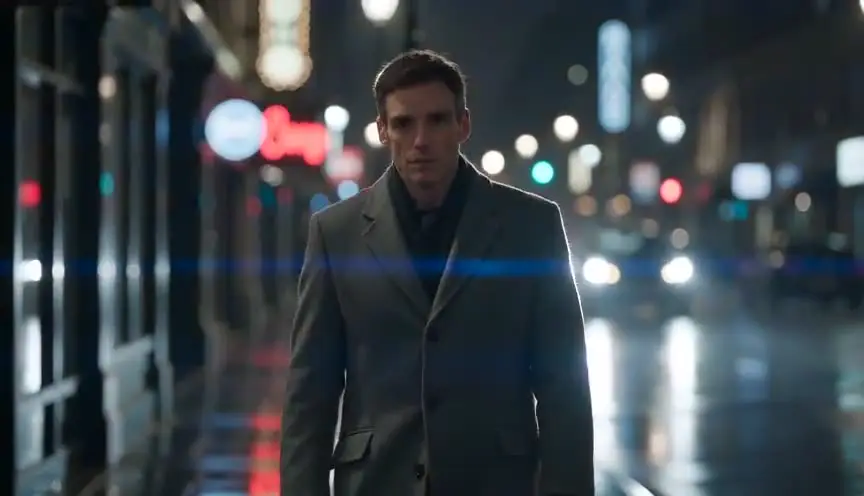
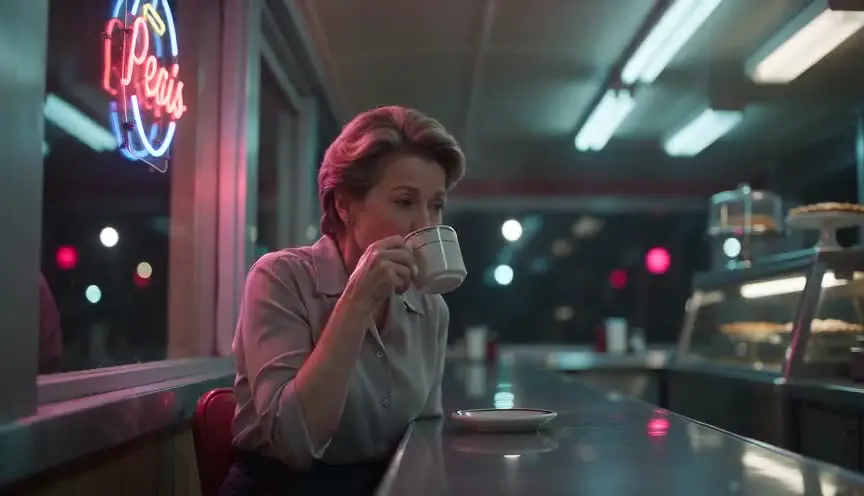
Bokeh is the quality of the blur in the out-of-focus parts of an image, most visible when small lights turn into soft discs of color. The audience reads it as intimacy and mood: the background stops being information and becomes atmosphere.
Also calledBackground blurOut-of-focus blurBokeh balls
Optical effects
Why it works on screen
Use it when the emotional state of a character matters more than the place around them. A city at night can melt into warm circles behind a driver who is alone in his head. A crowded party can become a soft glow behind two people who only see each other. Bokeh serves romance, loneliness, reverie, nostalgia and the quiet before a decision. A scene earns it when you want the audience to stop reading the background and to feel it instead. When the location carries clues or threat, or when the story needs us to see who is behind the character, heavy bokeh hides what matters.
The shot list line
- Size
- Medium close-up or close-up
- Angle
- Eye level
- Movement
- Static or very slow push
- Lens
- 85mm or 50mm, aperture f/1.4 to f/2
- Duration
- 4 to 8 s
Keep the actor close to the lens and far from the background lights, and use small point sources behind them to create round, even discs.
Screenplay
On the page
Bokeh is a lens and exposure choice, so it has no place as a term in a spec script. What the writer can give is the light that will become bokeh and the character's inner focus: the fairground lights blur behind him, she sees nothing but the letter in her hand. That signals a subjective, intimate moment. Lens, aperture, distance to the background and the shape of the blur belong in the shot list and camera notes.
EXT. RIVERSIDE FAIR, LYON - NIGHT
LÉON FAYARD (16, borrowed suit jacket, clip-on tie) waits by the carousel with two paper cones of candy floss.
Behind him, the fair is a swirl of lights and music.
He checks his phone. Nothing.
He checks it again.
The carousel turns behind him, its bulbs soft and far away, as if the fair were happening to someone else.
Storyboard
In the storyboard
Draw the subject in firm lines and fill the background with loose circles of different sizes, lightly shaded, to show the lights that will blur. Keep the circles soft and overlapping, with no detail behind the subject. Note the distance between subject and background, for example actor 1.5 m from camera, lights 15 m behind. Write the lens and aperture under the panel so the camera team knows the look you drew.
Pairs well with
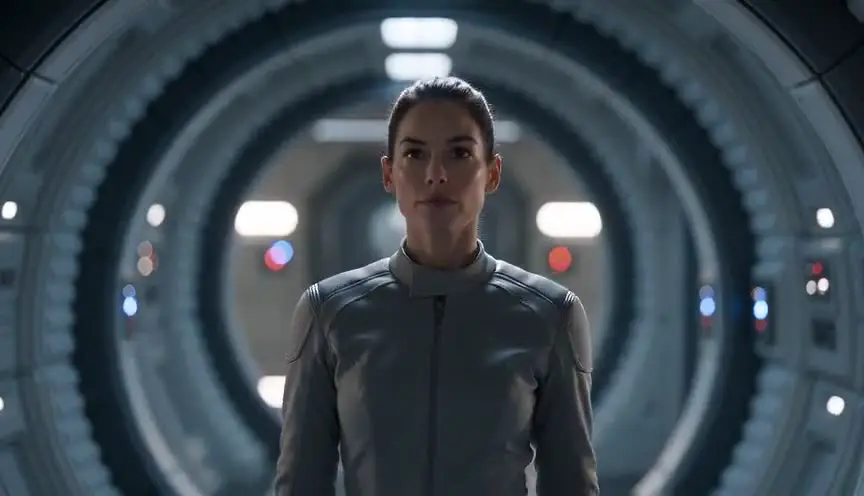
Bokeh is the texture of the blur, shallow depth of field is the thin plane of focus that produces it. Planning them together lets you control both what is sharp and how the rest dissolves.

A rack focus from a blurred light to a face, or the reverse, turns bokeh into a transition. The lights resolve into a place, or dissolve as the character withdraws into thought.
Reference
Watch it in
Drive (2011)
Night drives keep the driver in shadowed focus while Los Angeles streetlights behind him soften into warm glowing discs.
Blade Runner 2049 (2017)
Neon signs and wet streets dissolve into big colored blurs around characters held in sharp focus, making the city feel like weather.
In the Mood for Love (2000)
Lamps and corridor lights melt into haze behind the two neighbors in narrow hallways, closing them into a private world.
ScreenWeaver
Set it up in ScreenWeaver
Write the lights and the character's inner focus into your screenplay, and ScreenWeaver breaks the scene into shots automatically. Open the intimate shot, set a medium close-up or close-up at eye level, a static or slow push movement, and a duration of four to eight seconds. Characters and locations carry from shot to shot, so the lights behind the character stay coherent with the wider shots. Use the AI previsualization to check the composition, then note lens and aperture for the camera team.
Start writing for freeThe prompt behind this clip
This is the exact prompt that rendered the clip at the top of the page. Keep the description of the camera and the light, change the subject and the place.
Bokeh: a chef's hands folding noodles in sharp focus at the center of the frame, shot on an 85mm lens at f/1.4, while the busy ramen kitchen behind him dissolves into soft round blurs of orange flame, silver pots and hanging lanterns. The camera stays static, the shallow depth of field turns every distant light source into a smooth circular glow, and steam drifting through the frame catches the blur without ever sharpening. No text.
Common mistakes
- 01
Background too close
If the lights are near the actor, they never blur enough. Increase the distance between the actor and the background, or move the camera closer to the actor.
- 02
Busy, harsh blur
Some lenses produce nervous, ringed or cat's-eye blur that distracts from the face. Test lenses on similar lights before the shoot and choose the texture you want.
- 03
Hiding the story
Blurring the background when the audience needs to see who enters or what is happening behind the character removes information. Save bokeh for inward moments.