20 techniques
Genre looksBorrow a whole visual language
A genre look is a bundle of choices that audiences recognize at once: the shadows of noir, the saturated colors of giallo, the dusty close-ups of the spaghetti western. Borrowing one sets expectations in a single image.
It starts in the writing: the locations, the pace of the scenes, the way characters speak. Each page shows the look, the choices that build it and how to reference it without copying a specific film.
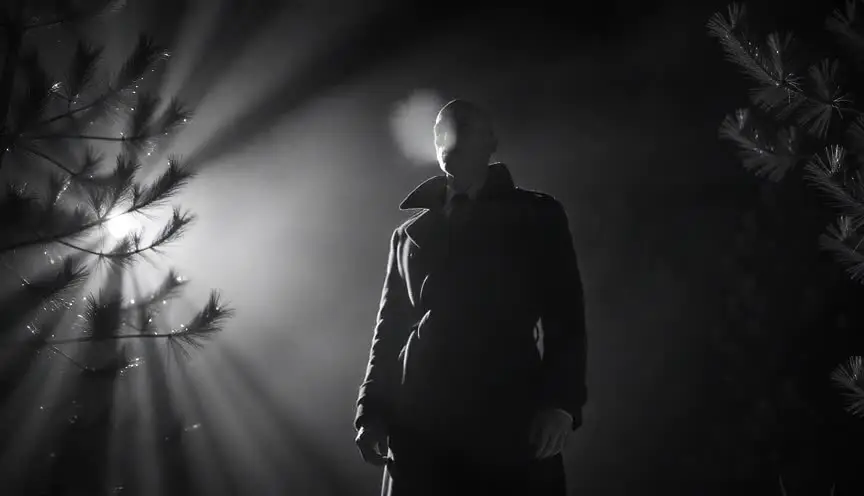
Film noir
Film noir is a black-and-white crime style built on hard low-key light, deep shadows, oblique angles and doomed characters. The audience feels that everyone is hiding something and that the trap closed before the story began.
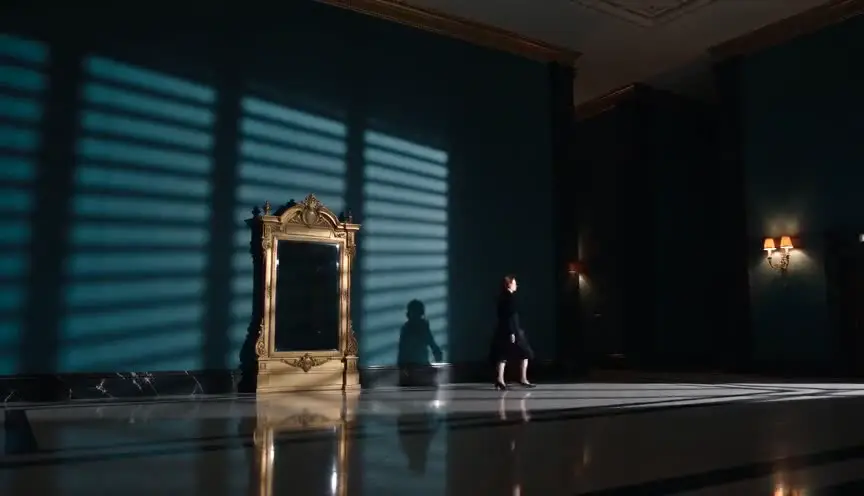
Neo-noir
Neo-noir carries the plots and moral darkness of classic noir into color, modern cities and often harsh daylight. The audience recognizes the trap and the corruption, but in a world that looks like their own.
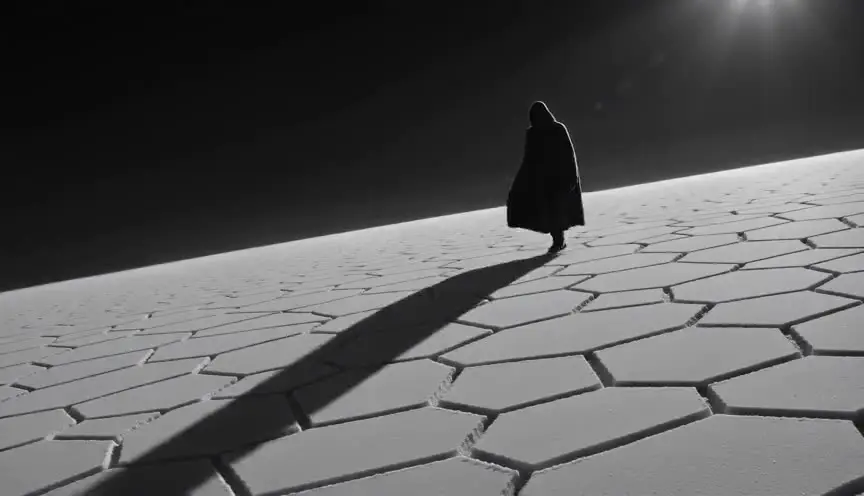
German expressionism
German expressionism is a 1920s style that bends sets, angles and shadows to express a character's inner state rather than reality. The audience sees fear and madness built into the walls, and a shadow can be scarier than the person who casts it.
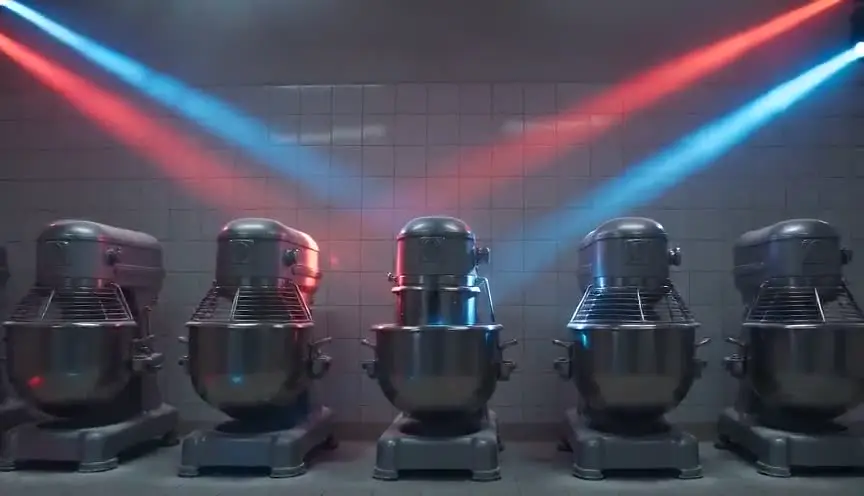
Giallo
Giallo is an Italian thriller and horror style of the 1960s and 1970s, built on saturated colored light, extreme close-ups, killer point of view shots and elaborate murder set pieces. The audience is invited to look at violence as a stylized, almost operatic spectacle.
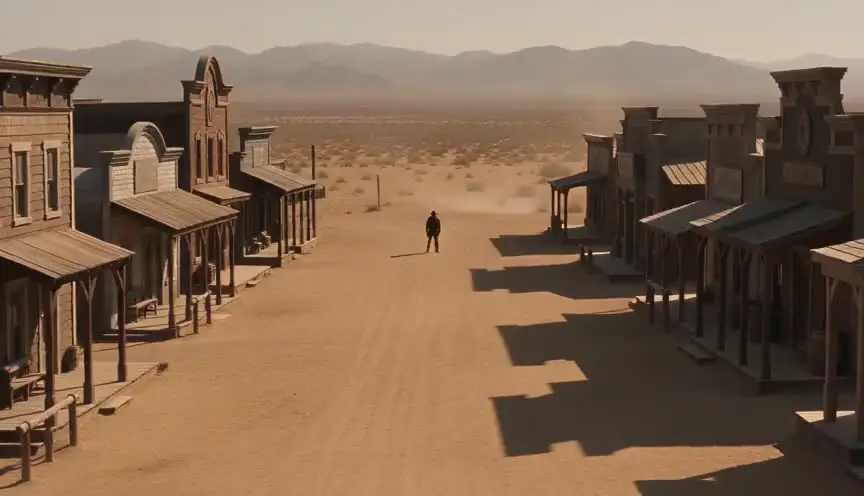
Spaghetti western
The spaghetti western is the Italian take on the western, known for sun-bleached landscapes, extreme close-ups on eyes and hands, long silences and operatic music. The audience waits, and the waiting becomes the drama.
Found footage
Found footage presents a film as recordings made by the characters themselves, discovered after the events. The audience sees only what those cameras caught, so every gap, glitch and blind corner feels like real evidence.
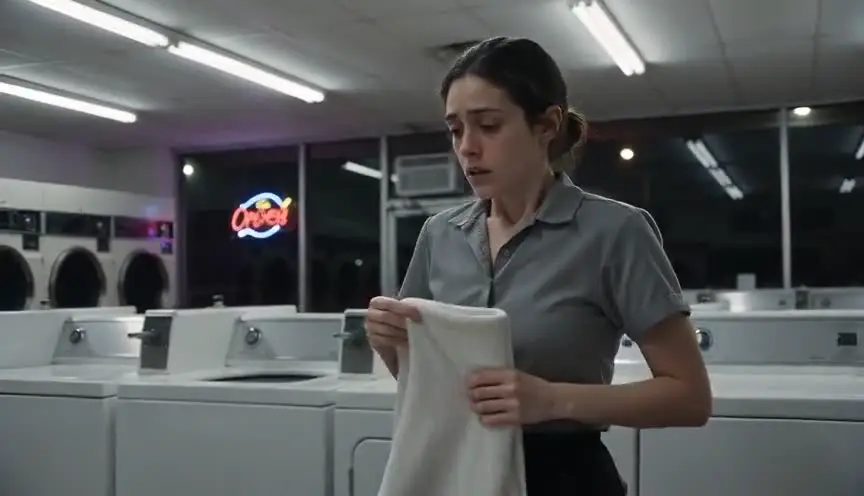
Cinéma vérité
Cinéma vérité is an observational style born in documentary: a light handheld camera with synchronized sound follows real people as events unfold, with little or no staging. The audience feels they are in the room, catching moments that no one planned.
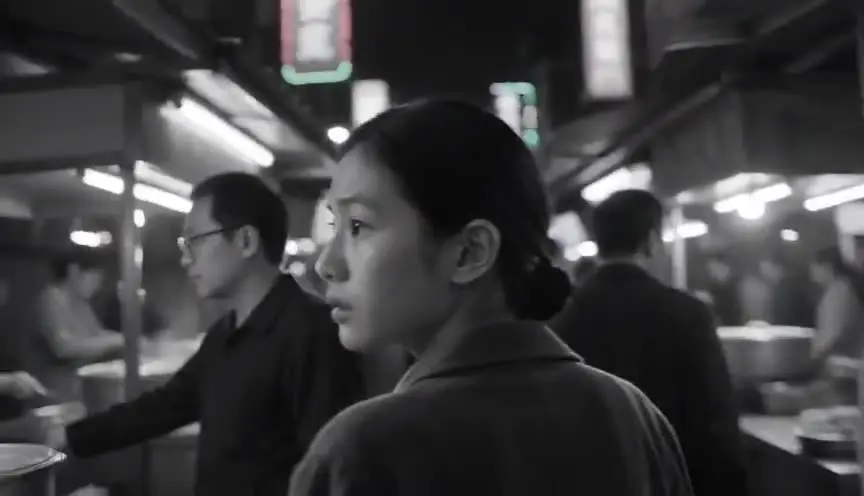
French New Wave
The French New Wave is a late 1950s and 1960s movement of young directors who shot on real streets with light cameras, natural light and playful editing that broke classical rules. The audience feels the freedom, impatience and improvisation of youth.
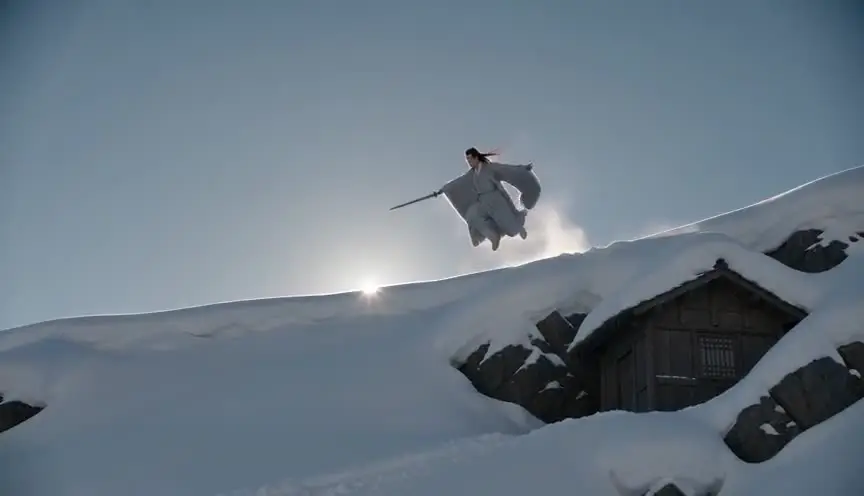
Wuxia
Wuxia is a Chinese genre of martial heroes, codes of honor and sword fights that defy gravity, filmed with wires, flowing fabric and landscapes full of wind. The audience watches a duel as a dance that carries feelings words cannot.
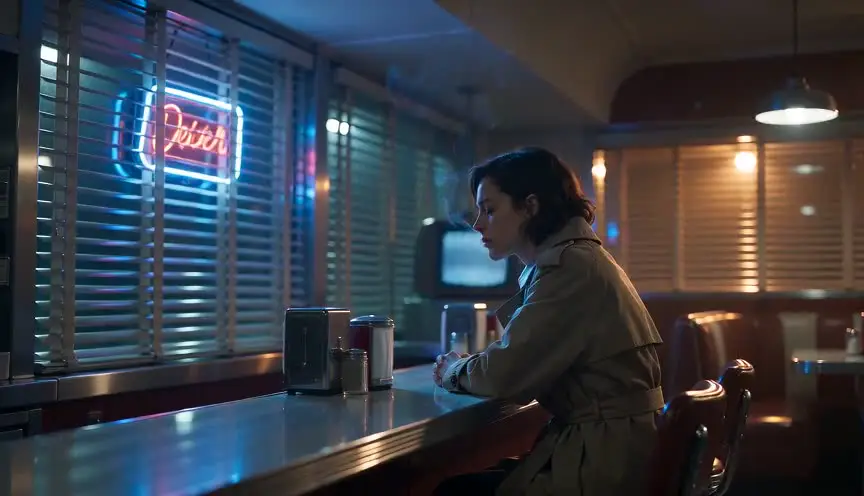
Tech noir
Tech noir blends the shadows and fatalism of film noir with technology: screens, machines, neon and cold artificial light. The audience feels that the danger now comes from the systems people built.
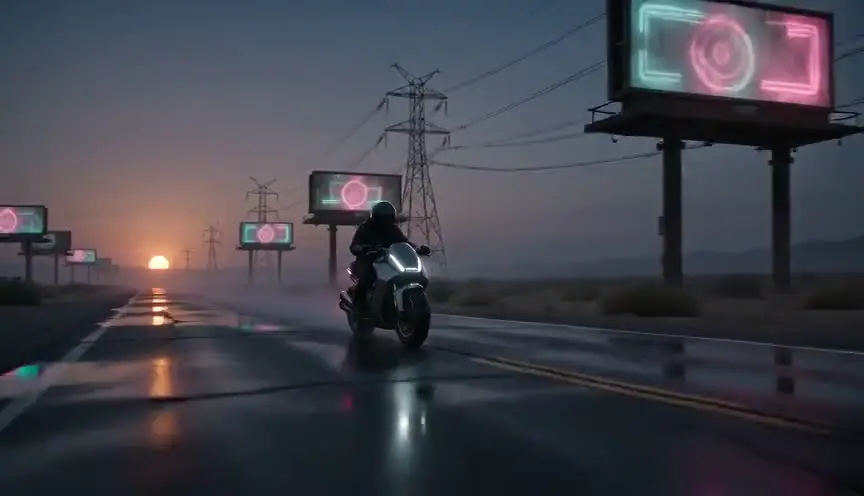
Cyberpunk
Cyberpunk shows a future of advanced technology and broken societies: megacities soaked in rain and neon, giant advertisements, crowded streets and bodies modified by machines. The audience feels the gap between dazzling technology and people struggling to survive underneath it.
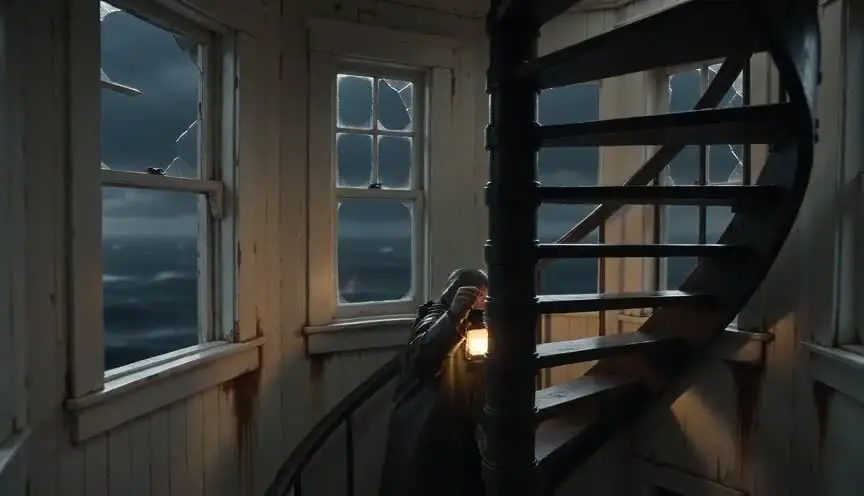
Southern gothic
Southern gothic is a style rooted in the American South: decaying houses, humid landscapes, religious fervor, grotesque characters and violence beneath politeness. The audience feels something rotten under the lace and the hymns.
Cosmic horror
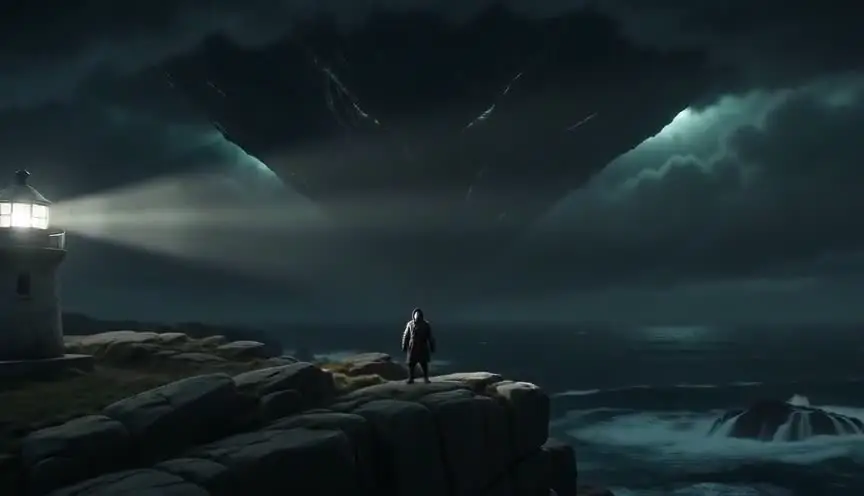
Cosmic horror is a style of fear built on forces too vast and alien for humans to understand, shown through wrong colors, impossible shapes and glimpses rather than full views. The audience feels insignificant, and the worst part is never fully explained.
Vaporwave
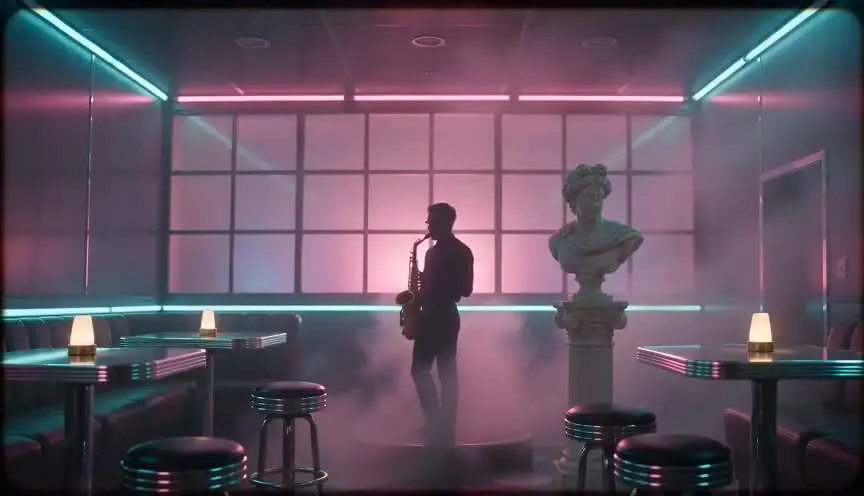
Vaporwave is a retro-futurist look drawn from 1980s and 1990s consumer culture: pink and teal gradients, VHS grain, empty malls, palm trees, marble statues and early computer graphics. The audience feels a dreamy, slightly sad nostalgia for a glossy future that never arrived.
Documentary look
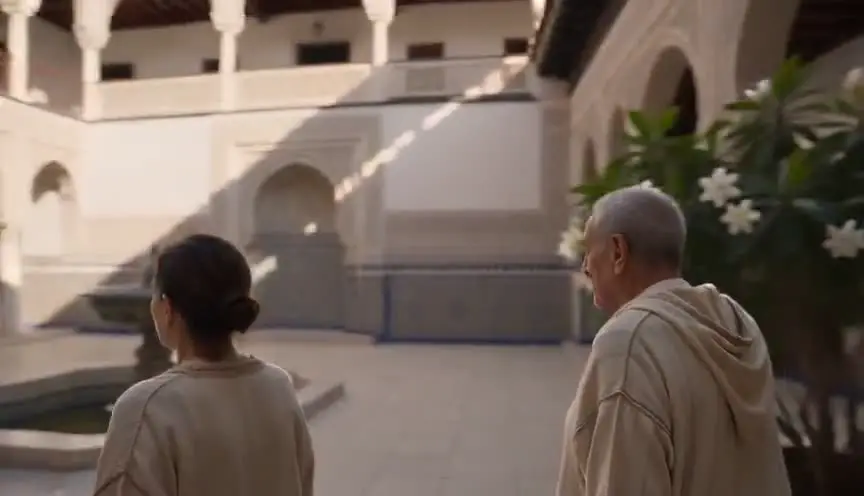
The documentary look gives fiction the texture of real reportage: handheld cameras, available light, reactive framing and imperfect focus. The audience believes they are watching events as they happen, not a scene designed for them.

Blockbuster look
The blockbuster look is the polished visual language of big studio films: sweeping camera moves, huge scale, saturated complementary colors, glossy light and constant motion. The audience feels carried along by a spectacle designed to impress.
Arthouse look
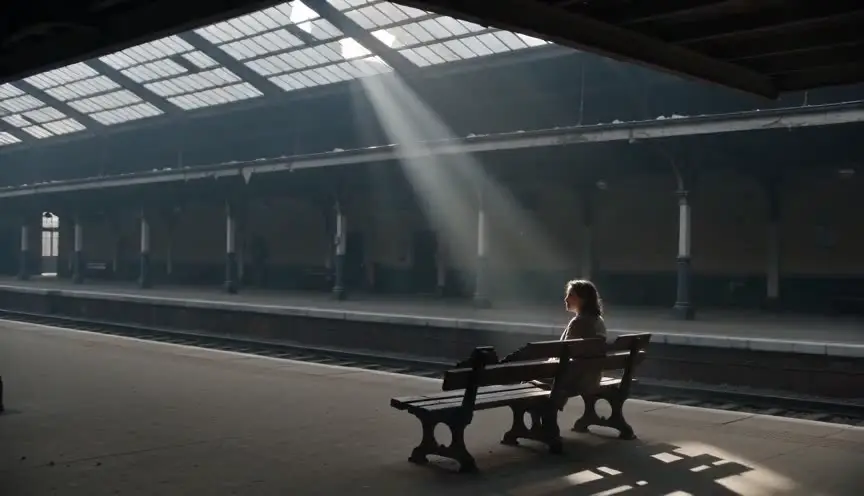
The arthouse look favors long takes, composed wide frames, natural light, silence and ambiguity over plot and explanation. The audience is asked to watch, wait and feel, and the meaning grows in the space between events.
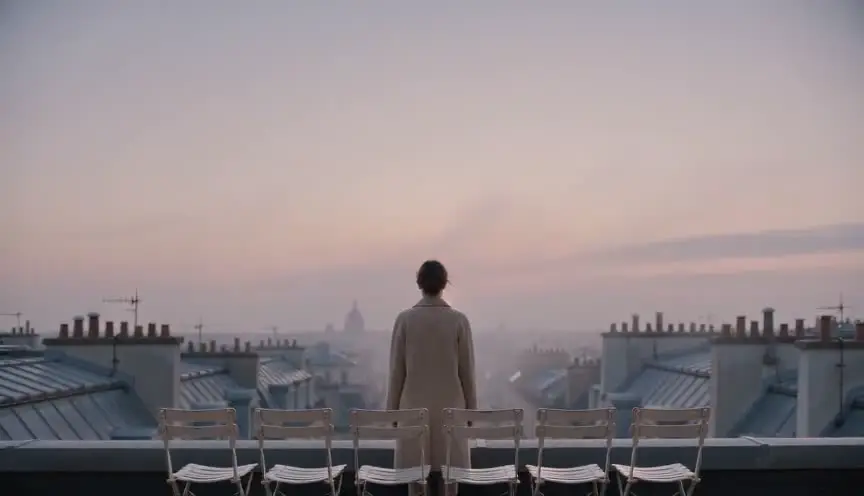
Dreamcore
Dreamcore is a look built from soft, washed-out light, empty liminal spaces and familiar places that behave with dream logic. The audience feels comforted and uneasy at once, as if remembering something that never quite happened.
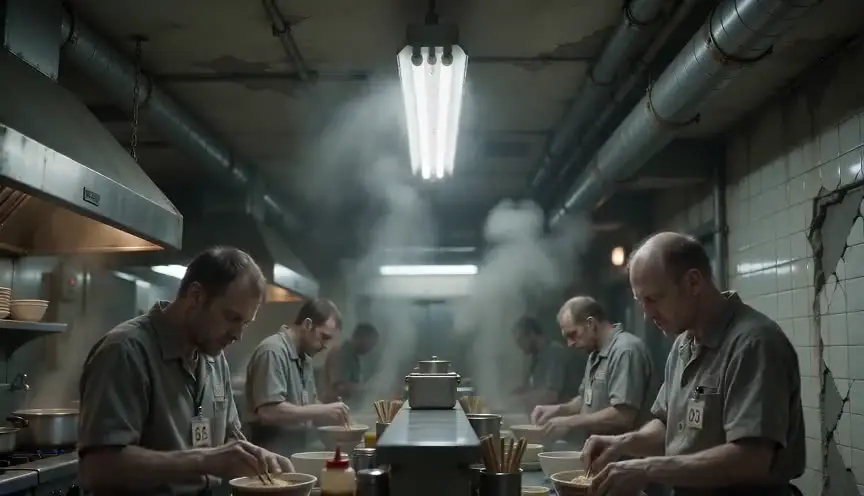
Dystopian look
The dystopian look shows an oppressive society through cold or bleached palettes, crushing architecture, surveillance, clutter or emptiness, and signs of decay. The audience feels the weight of a system that controls and diminishes its people.
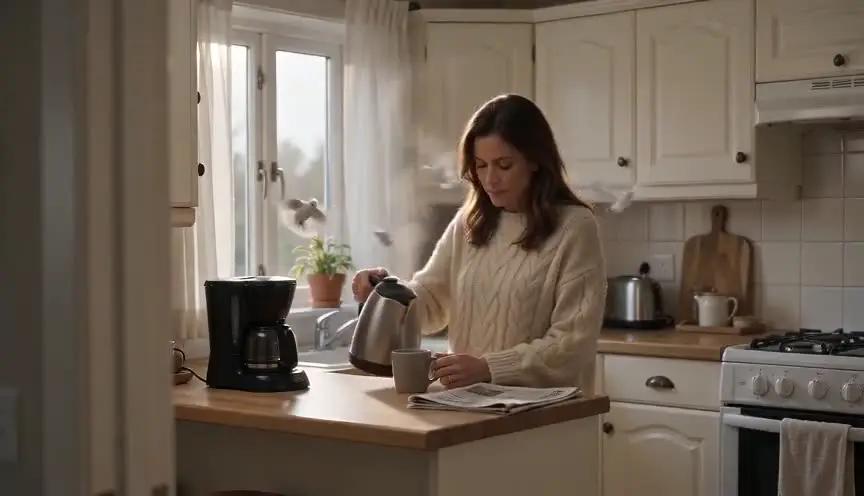
Magical realism
Magical realism places magical events inside a realistic world and films them with the same calm as daily life. The audience accepts the impossible because the characters do, and the magic reveals feelings and truths that realism alone could not.