Blue hourThe in-between of day and night
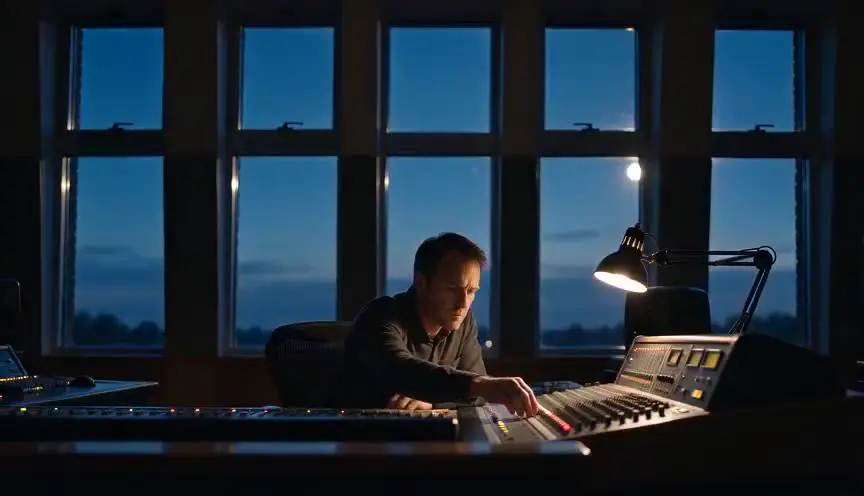
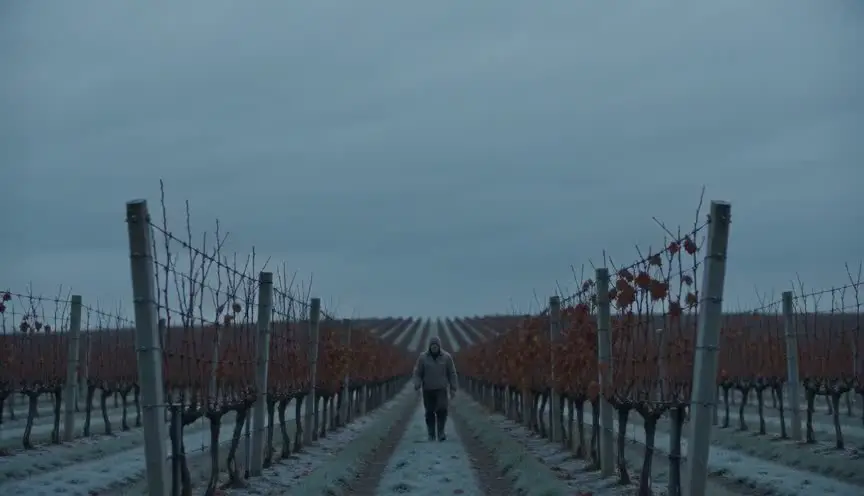
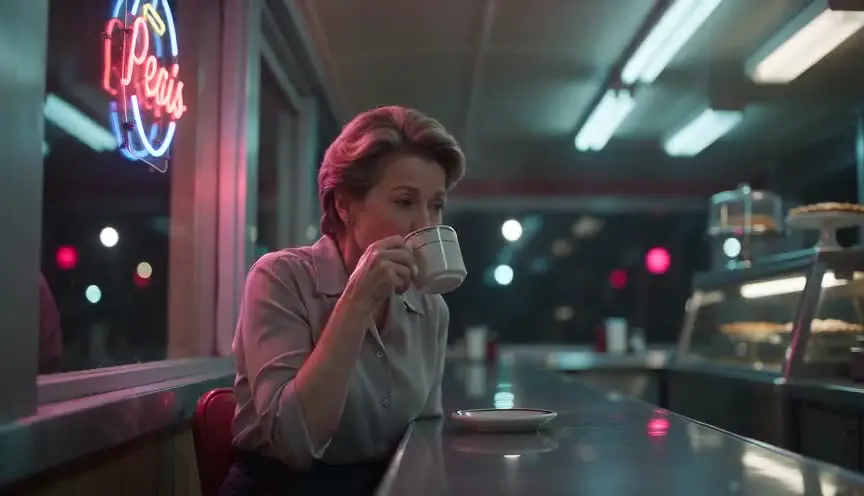
Blue hour is the short twilight before sunrise or after sunset when the sun is below the horizon and the sky turns a deep, even blue. Warm city lights and cool sky share the frame, and the audience feels suspended between one state and another.
Also calledTwilight lightCivil twilightL'heure bleue
Lighting
Why it works on screen
Blue hour is melancholy and possibility at once. Use it for endings that are also beginnings: a character leaving town at dawn, a couple walking home after a party, a worker starting the night shift, a decision made just before the city wakes. The blend of blue sky and warm windows says that two worlds meet. It suits romance, crime and quiet drama. A scene earns it when the character is between states, awake and asleep, together and apart, innocent and guilty, and when the audience should feel the hush before something changes.
The shot list line
- Size
- Wide shot
- Angle
- Eye level
- Movement
- Static or slow push in
- Lens
- 35mm to 50mm
- Duration
- 6 to 10 s
Roll during the 20 to 40 minutes after sunset, balance the canopy practicals so they read warm against the sky, and expose to hold detail in the blue.
Screenplay
On the page
Like golden hour, blue hour is set in the scene heading. Write DUSK or DAWN or TWILIGHT, and describe the sky or the first lights coming on if the moment needs it. Do not write "blue hour" as an instruction. Because the window lasts only twenty to forty minutes, keep scenes that depend on it short on the page. The exact timing, the exposure balance and any added lights go in the shot list.
EXT. GAS STATION - HIGHWAY 95, NEVADA - DUSK
The sky is dark blue now. Only the station's canopy lights and a red motel sign across the road.
DOLORES PIKE (50s), in a waitress uniform, fills the tank of a car with Oregon plates.
In the passenger seat, her son RAY (20s) watches her through the glass.
She hangs up the nozzle. She does not move toward the car.
DOLORES
Go on. I'll call you when it's dark enough to be brave.
Storyboard
In the storyboard
Shade the sky as a smooth dark gradient, deeper at the top, and draw the practical lights as bright spots with small glows. Leave faces mostly in the soft, cool fill of the sky, with warm edges from the nearest practical. Note "blue hour, sunset plus 15 to 35 min" and write the exact time window. Mark which panel must be shot first, before the sky goes too dark.
Pairs well with
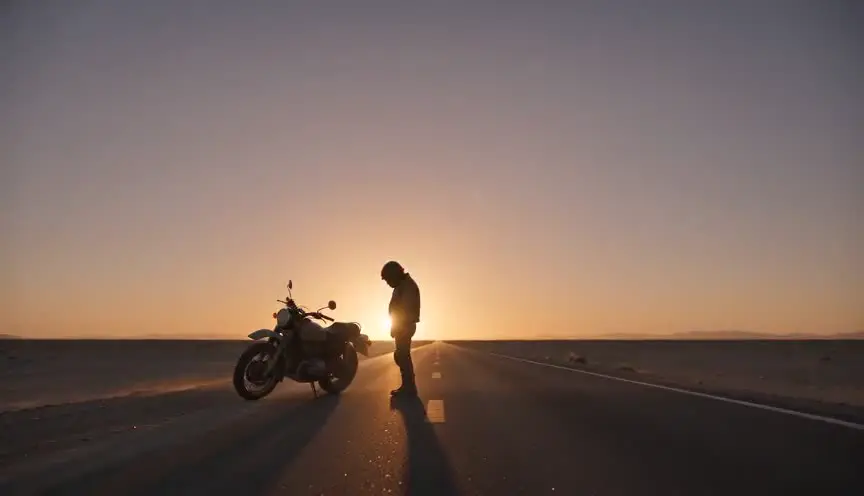
Blue hour follows golden hour. Shooting the warm scene first, then the cool one, lets a sequence move from glow to hush in real time, and the change of color tells the story.
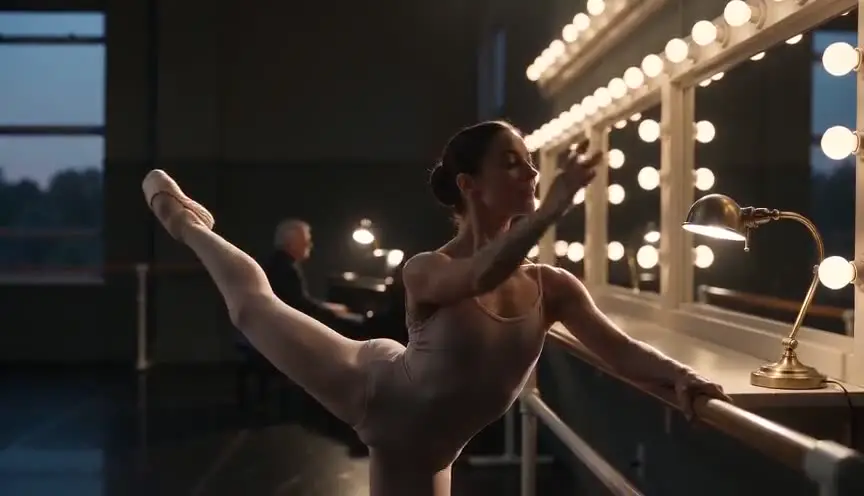
Blue hour needs warm practicals, signs, windows and street lamps, to create the contrast with the sky. Turn them on and balance them before the light goes.
Reference
Watch it in
Collateral (2004)
Michael Mann used early digital cameras to film Los Angeles at twilight and at night, keeping the blue sky and the city's own light.
La La Land (2016)
The hillside dance was shot in a narrow dusk window, a deep blue sky balanced against the warm lights of the city below.
Days of Heaven (1978)
Almendros and Haskell Wexler filmed many prairie scenes just after sundown, using the cool, short twilight for a soft blue air.
ScreenWeaver
Set it up in ScreenWeaver
Write DUSK or DAWN in your scene heading, and ScreenWeaver breaks the screenplay down into shots automatically. Open each shot, set framing, angle, movement and duration, and note "blue hour" plus the practicals that must be on. Characters and the location carry from shot to shot, so you can group the shots that share the same short window. The AI previsualization helps you pick the handful of shots worth scheduling in it.
Start writing for freeThe prompt behind this clip
This is the exact prompt that rendered the clip at the top of the page. Keep the description of the camera and the light, change the subject and the place.
Blue hour lighting on a rocky lighthouse coast, deep saturated twilight blue filling the sky and sea with no direct sun, the horizon still holding a faint fading glow. A wide static shot on a 35mm lens shows the white lighthouse tower against the cool sky, its lamp room glowing warm amber and its rotating beacon sweeping slowly across churning gray-blue waves. Wind pushes spray off the rocks, gulls cut low across the frame, the camera holds perfectly still while only the light, water and birds move. No text.
Common mistakes
- 01
Starting too late
The blue deepens to black within minutes. If you start rolling when the sky looks perfect, you will lose it mid-scene. Rehearse early and roll as the light approaches its peak.
- 02
Practicals too bright
Unbalanced signs and windows blow out against the dim sky. Dim them until they glow with detail, so both the sky and the city read.
- 03
Faces lost
Sky light alone may leave actors too dark. Add a soft, cool fill or motivate a warm key from a nearby practical.