LevitationThe moment gravity lets go
A levitation shot shows a person or object rising and hanging in the air with no visible support. The audience senses that the rules of the story world have changed, for wonder or for terror.
Also calledFloating effectFlying rig shotWire removal shotHover effect
Optical effects
Why it works on screen
Levitation marks a crossing: the ordinary world gives way to the uncanny. It serves possession and horror, when a body lifts against its will; faith and miracle, when a believer rises in prayer; martial grace, when fighters float across rooftops; and joy, when someone is so happy they drift off the floor. The emotion depends on control. A character who rises by choice feels powerful, one who is lifted feels helpless. A scene earns it when the story has kept its world grounded long enough that the first lift truly shocks. Reveal it slowly, so the audience notices the gap under the feet.
The shot list line
- Size
- Full shot to show the gap, then medium shot for the face
- Angle
- Slightly low angle so the floor and the gap read clearly
- Movement
- Static or a slow crane up following the rise
- Lens
- 35mm for the full shot, 85mm for the reaction
- Duration
- 4 to 7 s for the lift
Keep the gap between feet and floor visible in frame, light the rig to hide shadows under the body, and shoot a clean plate for wire removal.
Screenplay
On the page
Levitation is a story event, so it belongs on the page as action. Write what happens and how the people present react: the feet leave the boards, the chair drifts, the body turns in the air. Do not specify wires, harnesses or green screen. That is production information for the stunt coordinator and the VFX supervisor, and it will sit in the shot list and the rigging plan. Keep the description short and physical so the reader sees the gap between body and ground.
INT. LUTHERAN CHURCH - HAMMERFEST - WINTER NIGHT
The choir sings the last verse. At the end of the front row, SIGRID NESS (15, borrowed robe too long for her) closes her eyes.
Her heels lift from the floorboards. Then her toes.
She hangs a hand's width above the ground, still singing.
The choirmaster's baton stops mid-air. One by one, the voices around Sigrid fall silent.
Only hers goes on.
Storyboard
In the storyboard
Draw the full figure in two panels: first with feet on the ground, then lifted with a clear band of empty space beneath. Add a vertical arrow for the rise and note the height in centimeters. Mark the hidden rig points (harness at the hips, wires above) in a light color with REMOVE IN POST. Sketch where the camera sits so the rig stays out of view, and write the story beat the lift lands on.
Pairs well with

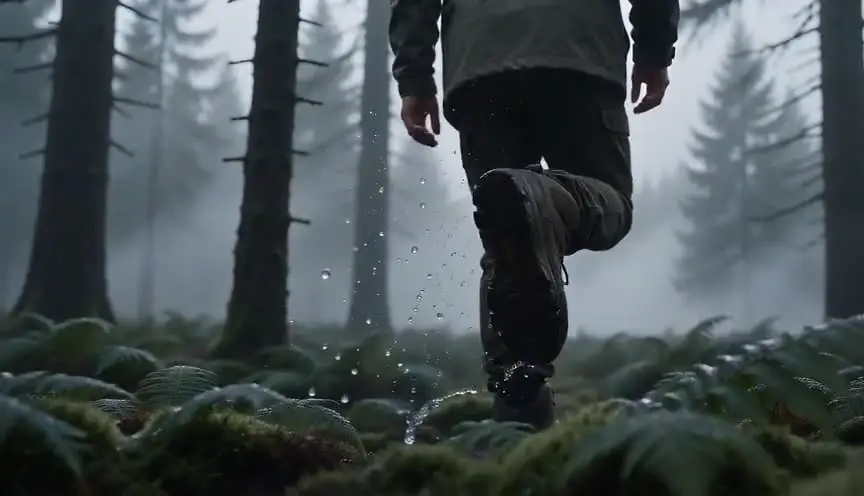
An insert of the feet leaving the floor, placed before the wide reveal, gives the audience the first proof. The eye then searches for the gap in the full shot and finds it.

After the lift, a witness's face measures how impossible it is. Horror, awe or disbelief on that face tells the audience which kind of story they are now in.
Reference
Watch it in
The Exorcist (1973)
Regan rises above her bed during the possession, a hidden harness and wires turning the demon's grip into something the audience can see.
Crouching Tiger, Hidden Dragon (2000)
Swordfighters glide from rooftops to treetops on concealed wire rigs, so every duel moves with a light, floating grace.
Mary Poppins (1964)
During musical numbers, characters drift up to the ceiling on harnesses masked by the choreography and careful framing.
ScreenWeaver
Set it up in ScreenWeaver
Write the lift as action in your screenplay, and ScreenWeaver breaks the scene into shots automatically. In the storyboard, open the shot where the feet leave the ground, choose a full framing and a slightly low angle, set the movement to static or a slow crane up, and give it four to seven seconds. The character and location carry from shot to shot, so the costume and room stay consistent. Watch the rise in the AI previsualization to judge speed and height.
Start writing for freeThe prompt behind this clip
This is the exact prompt that rendered the clip at the top of the page. Keep the description of the camera and the light, change the subject and the place.
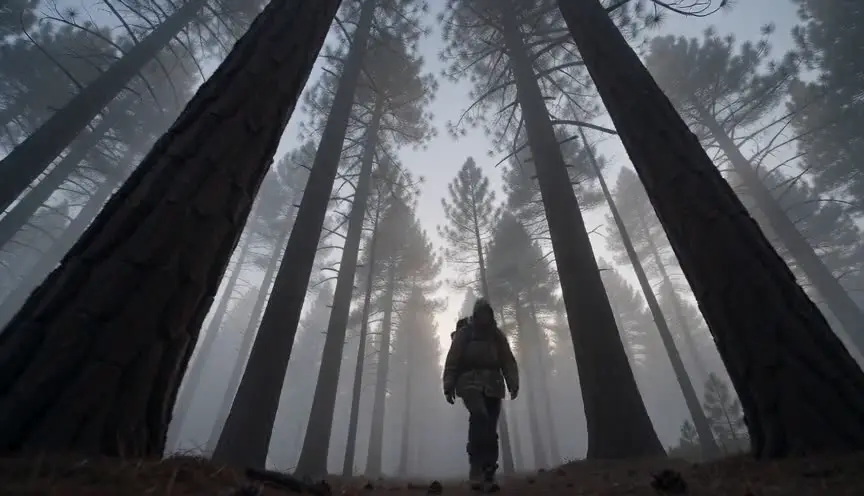
Levitation of a middle-aged woman in a hooded gray coat, standing in a misty pine forest at dawn. Her feet slowly lift off the wet forest floor, rising about one meter with no visible support, her coat and hair drifting gently upward as if weightless. The camera stays completely static on a locked-off wide shot, fog curling low around the tree trunks, soft diffused light through the mist, her shadow on the ground fading as she rises. No text.
Common mistakes
- 01
The gap is out of frame
If the feet are cropped, nobody sees the body leave the ground and the moment reads as a camera move. Frame wide enough to show clear air between body and floor at least once.
- 02
Swinging on the wire
A rigged body that sways like a pendulum looks hung, not floating. Rehearse the lift speed with the stunt team and add stabilizing lines or a hidden seat for long holds.
- 03
Shadows that betray the rig
Harness bumps under costumes and wire shadows on walls give the trick away. Choose looser costumes, backlight the scene and plan wire paint-out with a clean plate for every setup.