Mixed mediaTwo kinds of image, one world
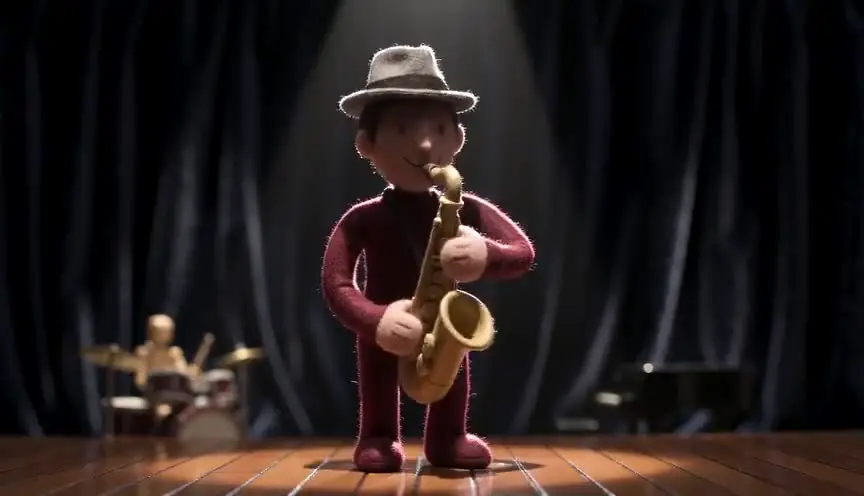
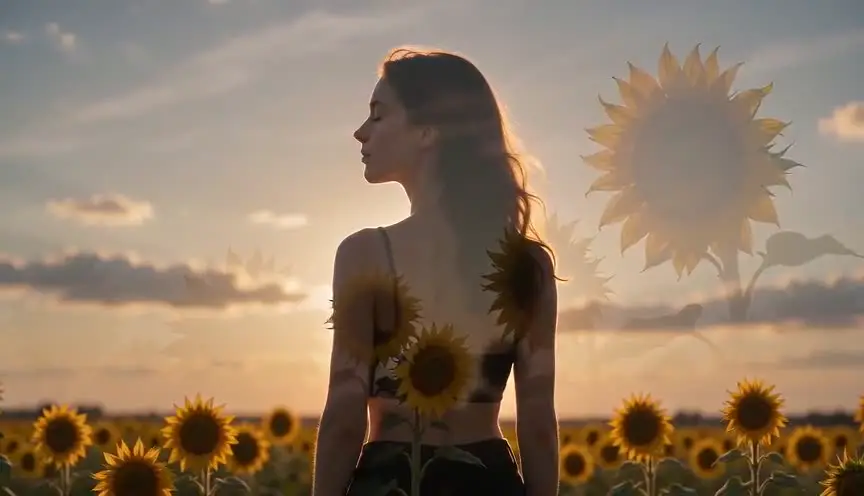
Mixed media combines different image materials in the same frame, such as live action with hand-drawn animation, collage, paint or graphic backgrounds. The audience sees two textures meet and understands they are watching two kinds of reality touch.
Also calledMixed media animationCollage filmHybrid mediaLive action and animation
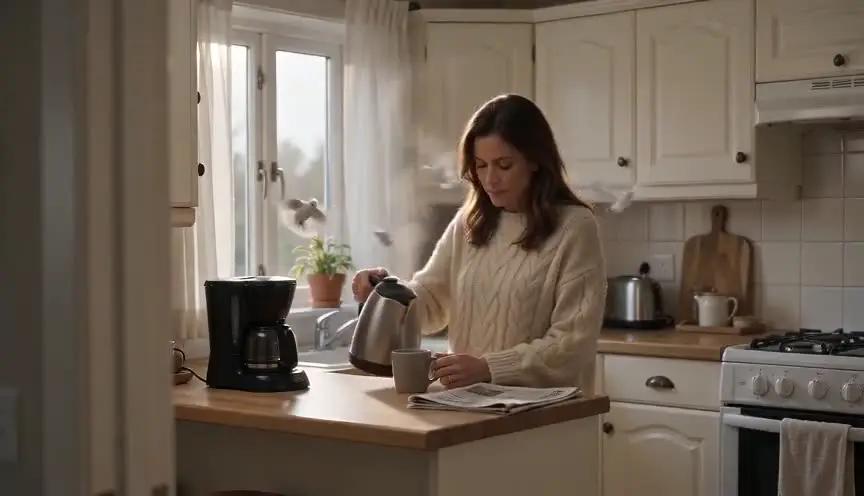
Optical effects
Why it works on screen
Use it when the story is about the border between worlds. A child whose drawings come to life, an adult who sees the city through the comics he loved, a memory that turns into paper cutouts, a documentary where archive and illustration fill the gaps. The contrast of materials carries meaning: what is drawn feels imagined, fragile or remembered, what is photographed feels real and heavy. A scene earns it when the collision of the two worlds is the point, not a style laid on top. Decide the rules early, what can touch what, and keep them through the film.
The shot list line
- Size
- Medium close-up on the live actor with space for the drawn element
- Angle
- Eye level or high angle over the desk
- Movement
- Static or a slow locked-off move that animation can track
- Lens
- 50mm prime
- Duration
- 4 to 6 s
Shoot a clean plate and a reference pass with a stand-in object, and record light direction so the animators can match shadows.
Screenplay
On the page
Establish the convention on the page once, clearly, then write the scene as normal action. If a drawn character shares a room with live actors, introduce it as a character with a short note on its nature, for example a pencil-sketch dog. Do not describe compositing, animation technique or frame rates. Those are production choices for the director and the animation team, recorded in the shot list and the style bible. A single line in the first scene tells the reader how the film looks.
INT. PRIMARY SCHOOL CLASSROOM - MEXICO CITY - AFTERNOON
Nine-year-old TOMÁS ARREOLA draws a crooked blue bird in the margin of his math workbook.
The drawing shakes its ink wings, peels off the page and hops onto the real wooden desk, still flat as paper, still blue ballpoint.
Tomás covers it with his hand as MAESTRA LUZ (50s) walks down the aisle.
MAESTRA LUZ
Page forty, Tomás.
Under his fingers, the paper bird scratches at the wood.
Storyboard
In the storyboard
Draw the live-action elements in normal pencil and the animated or collage elements in a different color or style, so the split is obvious at a glance. Mark where the drawn element touches real surfaces and add a small shadow note. Use arrows for any movement of the animated element across frame. In the margin, write the material (ink, cutout, paint) and whether the camera is locked, since that decides the animation workflow.
Pairs well with
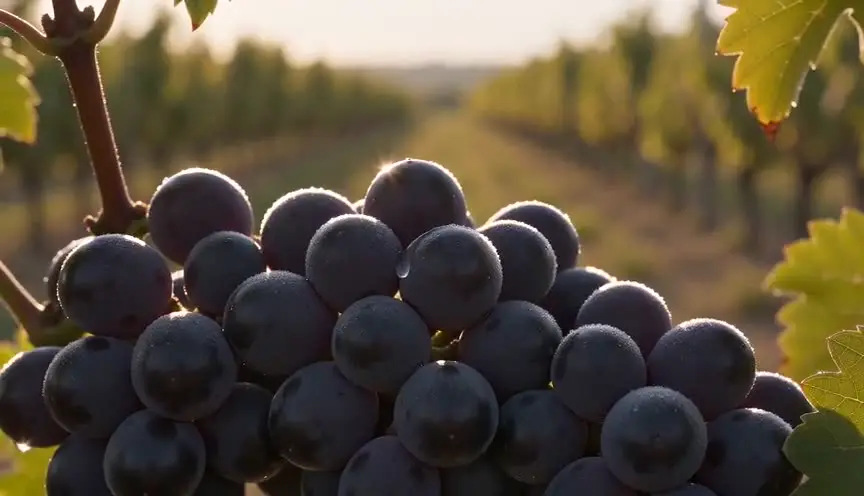
A close insert of the drawing on the page, still flat and ordinary, sets up the material. When it moves in the next shot, the audience already knows exactly what it is made of.
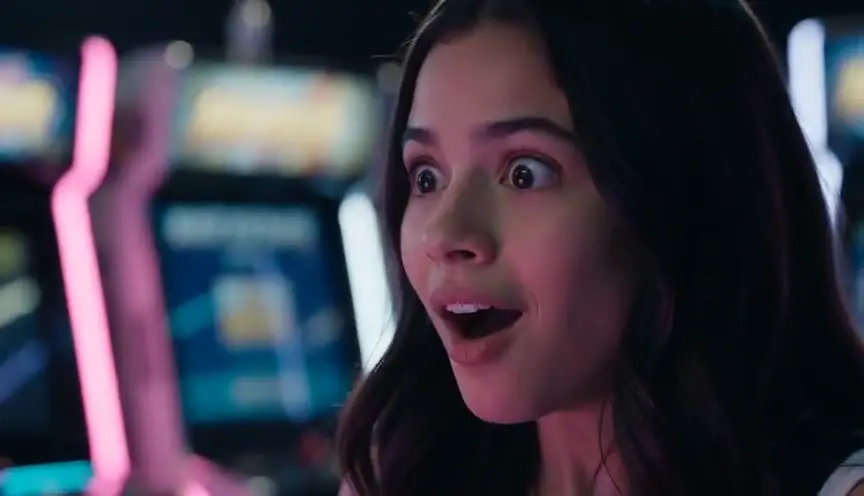
Cut to the live character's face after the drawn element acts. The actor's reaction confirms that the two worlds truly share the room, which keeps the effect grounded in feeling.
Reference
Watch it in
Who Framed Roger Rabbit (1988)
Hand-drawn cartoons share real sets and scenes with human actors, lit and shadowed to fit the room yet still clearly made of ink and paint.
Sin City (2005)
Actors perform against digital backgrounds drawn in the stark, high-contrast look of the source comics, so photography and illustration share every frame.
ScreenWeaver
Set it up in ScreenWeaver
Write the convention in your first scene and ScreenWeaver breaks the screenplay down into shots automatically. Add a visual reference for the drawn or collage style and attach it to the character or prop, so it keeps its look from shot to shot next to your live characters. In each storyboard shot, set framing, angle, movement and duration so the animated element has room to act. Use the AI previsualization to judge how the two materials sit together.
Start writing for freeThe prompt behind this clip
This is the exact prompt that rendered the clip at the top of the page. Keep the description of the camera and the light, change the subject and the place.
Mixed media: a static locked-off wide shot inside a 1930s hotel lobby with a marble floor, brass elevator doors and a receptionist in a period uniform standing behind the desk, filmed in warm photographic light like real film footage. Composited over the same frame, a hand-drawn black-ink animation of a flock of paper birds cut from old newspaper pages flutters slowly across the ceiling, flat and two-dimensional, its motion slightly choppier than the live footage, edges left visibly overlaid rather than blended into the scene. No text.
Common mistakes
- 01
Rules that keep changing
If the drawn element casts a shadow in one scene and not the next, or touches objects only sometimes, the audience loses trust. Write down the rules of contact and light, then keep them.
- 02
Style as decoration
Switching materials for no story reason feels like a showreel. Each change of texture should mark a shift in point of view, memory, imagination or reality, so the audience learns to read it.
- 03
No reference on set
Actors staring at empty air give flat performances and wrong eyelines. Use a stand-in object, a puppet or a marked point so the live performer reacts to something real.