Magical realismThe impossible, filmed as ordinary
Magical realism places magical events inside a realistic world and films them with the same calm as daily life. The audience accepts the impossible because the characters do, and the magic reveals feelings and truths that realism alone could not.
Also calledMagic realismLo real maravilloso
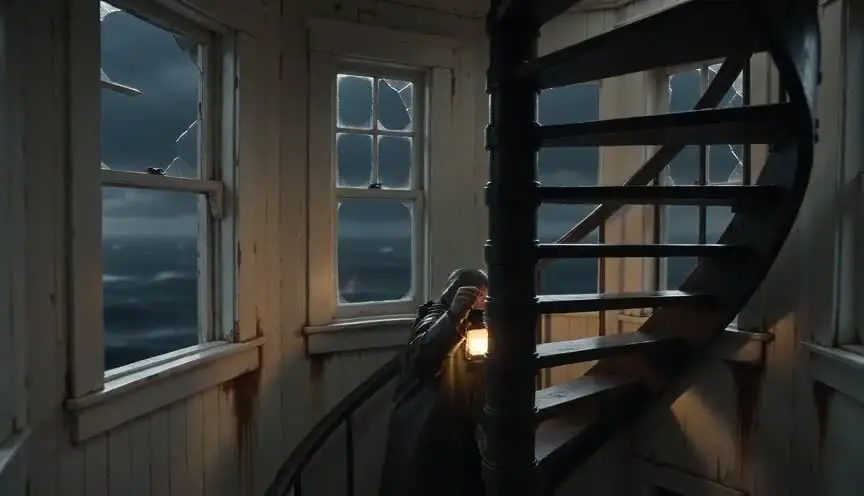
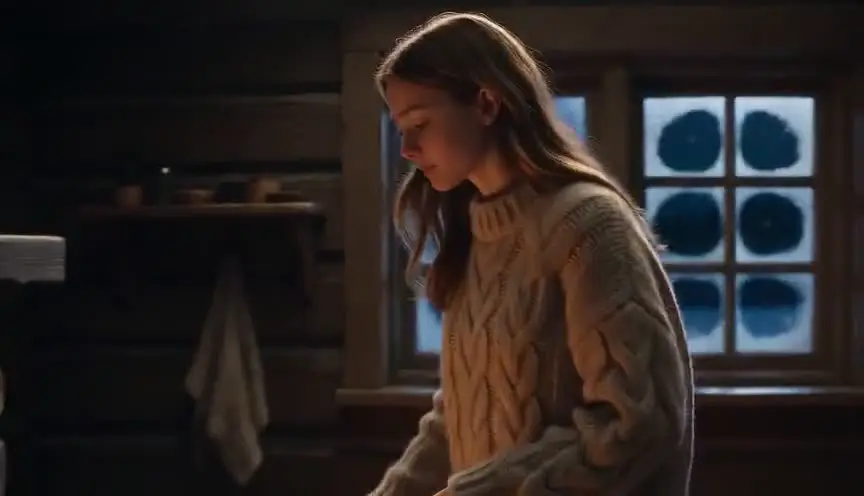
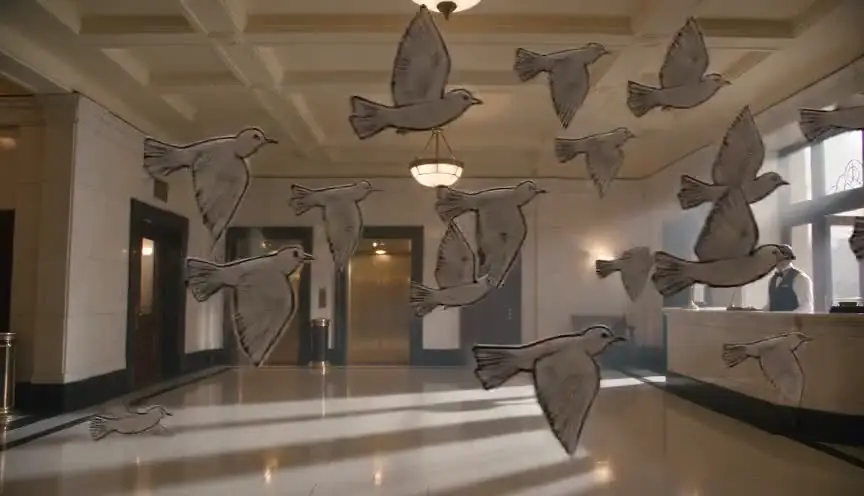
Genre looks
Why it works on screen
In magical realism, a ghost joins dinner, a woman's cooking makes everyone weep, a child talks with a creature in a garden, and nobody treats it as a spectacle. The magic serves emotion, memory, politics and family history. It expresses grief, desire, trauma and hope in visible form. A story earns this style when its characters live with strong feelings or histories that everyday language cannot hold. The key is balance. The world must feel real, with its work, food, weather and history, so that the magic feels like one more part of life, not an escape from it.
The shot list line
- Size
- Medium shots and wides, framed like everyday life
- Angle
- Eye level
- Movement
- Static or gentle, unhurried moves
- Lens
- Normal lens, 35mm to 50mm
- Duration
- 4 to 10 s
Film the magical event with the same framing, light and rhythm as ordinary moments, and never cut to a special angle to underline it.
Screenplay
On the page
Write the magic with the same flat, precise tone as everything else. No exclamation, no special emphasis. Describe the event and how characters react, often with little surprise. Keep the real world detailed: food, chores, politics, weather. Avoid calling for visual effects or slow motion on the page. How the magic appears, practical or digital, is for the director and the shot list.
INT. KITCHEN, FISHERMAN'S HOUSE - ALAPPUZHA, KERALA - EARLY MORNING
Rain on the tin roof. A pot of fish curry simmers.
AMMACHI (80s, widow, reading glasses on a string) grinds coconut on a stone.
A small silver fish swims through the air past her shoulder, circles the lamp, and settles into the curry.
Her granddaughter MEERA (16) looks up from her homework.
MEERA
Appachan again?
AMMACHI
He always liked it salty.
Storyboard
In the storyboard
Draw ordinary scenes in detail: kitchens, fields, streets, family tables. Place the magical element inside the same frame, not in a separate panel, drawn with the same line weight. Add a small note "no emphasis" or "same light". Mark any gentle move with a short arrow. Under the panel, describe the characters' reaction, since their calm is what sells the magic.
Pairs well with
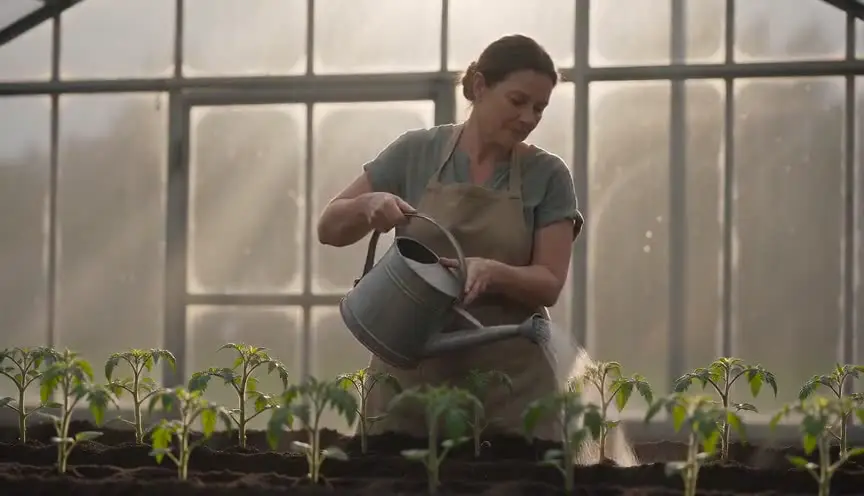
A fixed, patient frame treats the magic like any other event. The absence of camera emphasis is what makes the impossible feel natural.
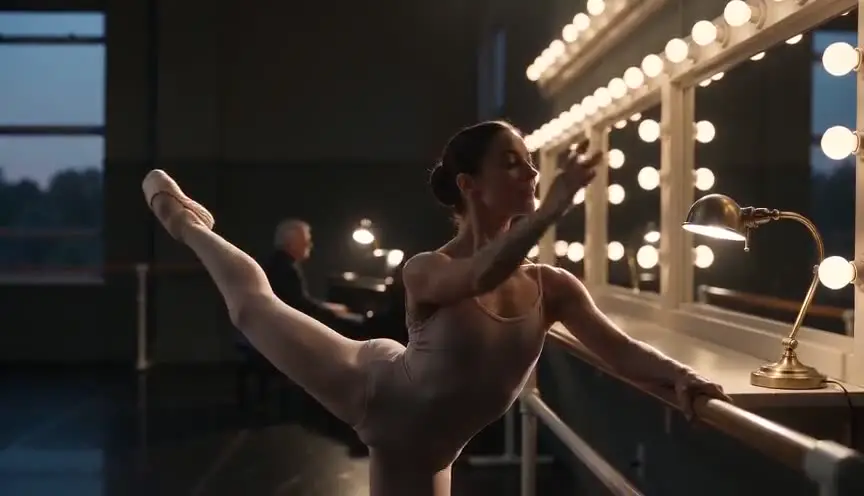
Lamps, windows and candles give the scene an everyday reality. When the magic appears under that ordinary light, it becomes part of the world.
Reference
Watch it in
Pan's Labyrinth (2006)
Fauns and fairies share the screen with the harsh reality of Francoist Spain, shot with the same gravity, so Ofelia's wonder feels real.
Like Water for Chocolate (1992)
Tita's cooking passes desire, sorrow and heat into daily family life, and the magical effects are simply accepted as part of it.
Uncle Boonmee Who Can Recall His Past Lives (2010)
A dead wife and a red-eyed monkey spirit sit down at a family meal, handled calmly within Apichatpong's quiet rural realism.
ScreenWeaver
Set it up in ScreenWeaver
Write the magical event in the same tone as the rest of your screenplay, and ScreenWeaver breaks the scene down into shots automatically. Open each shot and set medium or wide framings, eye-level angles, static or gentle movements and natural durations. Keep the magic inside ordinary shots rather than creating special ones. Characters, locations and references carry from shot to shot, so the real world stays consistent, and the AI previsualization lets you check that the magic feels calm and natural.
Start writing for freeThe prompt behind this clip
This is the exact prompt that rendered the clip at the top of the page. Keep the description of the camera and the light, change the subject and the place.
Magical realism. In an ordinary small kitchen in the morning, a woman calmly makes coffee while the steam from her cup turns into small white birds that fly slowly around the room; she does not react and keeps reading her newspaper as if it were normal. Warm natural light, realistic everyday look, static camera. No text.
Common mistakes
- 01
Underlining the magic
Special angles, dramatic music or slow motion turn the magic into spectacle and break the style. Film it like the rest of life.
- 02
Thin reality
If the real world is vague, the magic has nothing to stand on. Build daily life in detail: work, food, family, history.
- 03
Magic without meaning
Whimsical effects with no emotional or historical link feel decorative. Each magical event should express something the characters cannot say.