Cowboy shotHands ready, faces set
A cowboy shot frames a character from mid-thigh up, low enough to include the hips and the hands resting near them. The audience watches a body ready to act and a face deciding whether to.
Also calledAmerican shotMid-thigh shotPlan américain
Shot sizes
Why it works on screen
It is the framing of the standoff. Born with holsters, it serves any moment where two people size each other up and the hands matter: rivals before a fight, a bouncer at a door, a captain before a match, a worker squaring up to a boss. It shows stance, confidence and threat, and it gives a character presence without the distance of a full shot. A scene earns it when a confrontation is building and the audience needs to watch both the face and what the hands might do. It also suits heroic introductions, when a character arrives and plants their feet.
The shot list line
- Size
- Cowboy shot, mid-thigh to above the head
- Angle
- Eye level or slightly low
- Movement
- Static
- Lens
- 35mm to 50mm
- Duration
- 3 to 6 s
Cut the frame at mid-thigh, never at the knees, keep the hands clearly visible and match the size and height on the rival's reverse angle.
Screenplay
On the page
A spec script never needs the words cowboy shot. What the writer can do is draw attention to stance and hands: thumbs hooked in a belt, fingers flexing, weight shifting from one foot to the other. Place those details in the action line before the confrontation starts, and the director will frame them. The exact cut at mid-thigh, the lens and the matching reverse angle belong in the shot list.
EXT. SKATELAND PARKING LOT - FRESNO - NIGHT
Neon sign buzzing. Two roller derby teams spill out of the rink, still in skates.
ROSA VILLANUEVA (29, captain, knee pads, taped knuckles) rolls to a stop under the sign.
Facing her, twenty feet away: KAT BRENNAN (33, rival captain), hands on hips, wheels planted.
Neither speaks. Rosa's fingers work the tape on her wrist.
KAT
Rematch. Tonight. Your rink.
Storyboard
In the storyboard
Draw the figure from mid-thigh to just above the head, with the hands clearly placed near the hips. Draw the rival's matching panel beside it, facing the other way. Add small arrows at the hands if they move. Note the cut line on the legs and the camera height. If the shot is part of a standoff, number the panels in the order of the cutting pattern.
Pairs well with
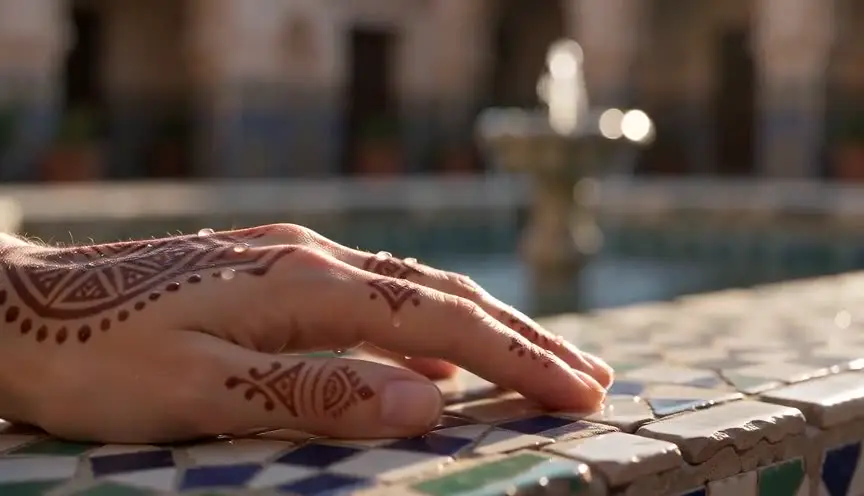
Cutting from cowboy shots to extreme close-ups of eyes or fingers tightens a standoff. The wider framing shows the threat, the detail shows the nerves.
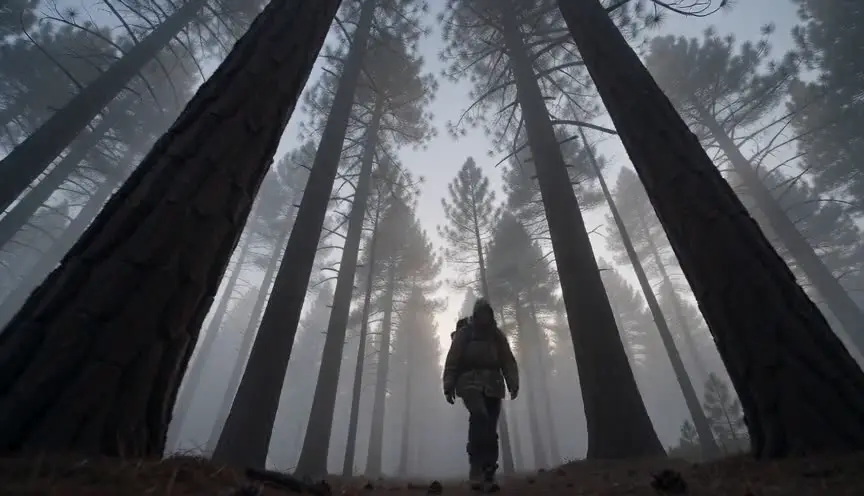
Shooting the cowboy shot from a slightly low angle gives the character stature and menace, which suits a hero's entrance or a rival who wants to dominate.
Reference
Watch it in
The Good, the Bad and the Ugly (1966)
Leone frames the three duelists at mid-thigh so their hands hover near the guns, then alternates with close views of faces to prolong the wait.
Django Unchained (2012)
Tarantino revives the old western framing before gunfights, keeping both holstered pistols and tense faces readable in the same image.
ScreenWeaver
Set it up in ScreenWeaver
Describe the stance and the hands before the confrontation, and ScreenWeaver breaks the scene down into shots automatically. Open each character's shot, set the framing to cowboy shot, choose eye level or a slightly low angle, keep the movement static and give each a short duration. The characters and the location carry from shot to shot, so both rivals share the same light and ground. Use the AI previsualization to build the rhythm of the standoff.
Start writing for freeThe prompt behind this clip
This is the exact prompt that rendered the clip at the top of the page. Keep the description of the camera and the light, change the subject and the place.
Cowboy shot of a middle-aged Japanese chef in a busy ramen kitchen, framed from mid-thigh up to the top of his head, small headroom above his short gray hair. He stands at a steaming stove, both hands visible as he ladles broth into a bowl with quick practiced motions, steam curling around his forearms. Shot on a 50mm lens at chest height, camera locked on a tripod, background of hanging pans and a line cook chopping scallions slightly out of focus. The frame holds steady for the full four seconds, no camera movement, only his hands and the steam moving. No text.
Common mistakes
- 01
Cutting at the knees
A frame line on a joint looks like a mistake. Place the lower edge at mid-thigh, between the hip and the knee, for a clean and confident shot.
- 02
Hands out of frame
The whole point of the cowboy shot is to show what the hands might do. If they drift out of frame, the tension disappears. Frame a little wider if the actor moves, and remind them where the frame line sits.
- 03
Mismatched reverse
If one rival is framed wider or from a different height, the standoff feels unbalanced. Match size and angle unless the imbalance is part of the story.