14 techniques
Time and motionBend the clock of a scene
Film time is elastic. Slow motion lets a moment last, a time-lapse crushes a day into seconds, a freeze frame stops the story on a single image. These techniques tell the audience what deserves their attention.
Some of them are story decisions that belong on the page, like a long take or a moment in slow motion. Others are camera and editing choices. Each page shows how to signal them without over-directing.
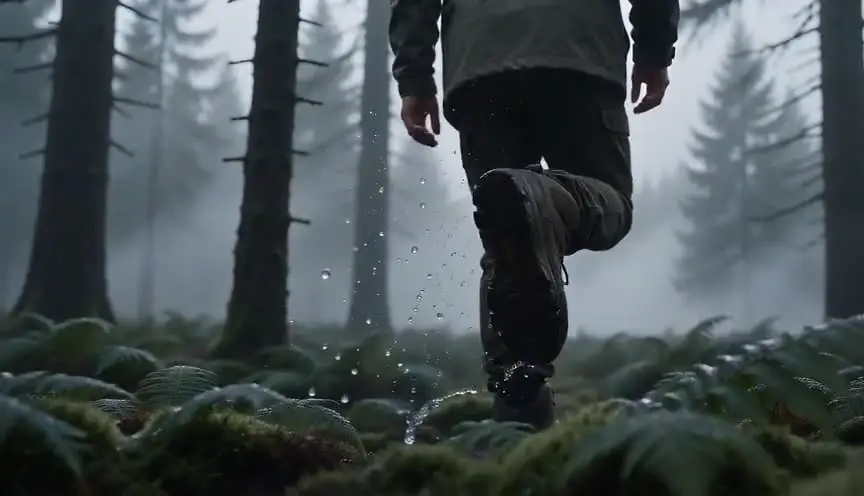
Slow motion
Slow motion is filmed at a higher frame rate than it is played back, so movement on screen slows down and time seems to stretch. The audience gets to live inside a moment that would normally pass too fast to feel.
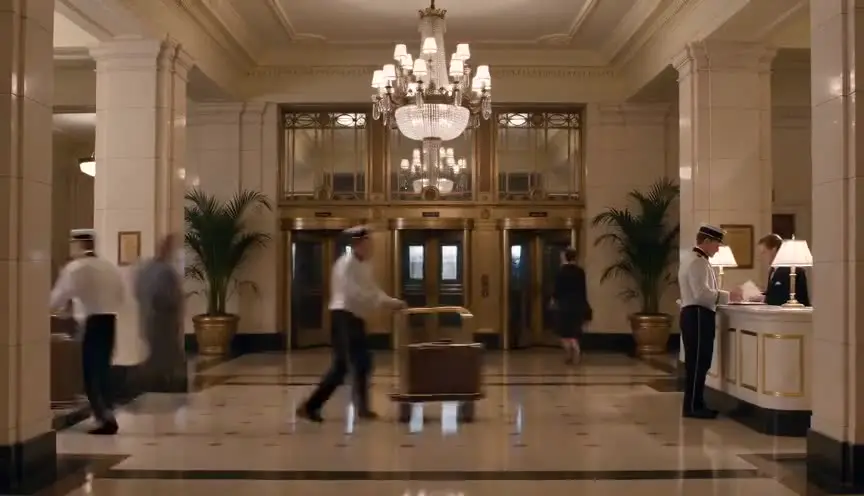
Fast motion
Fast motion is filmed at a lower frame rate than it is played back, so people and objects move quicker than in life. The audience laughs, feels pressure or sees time rushing past, depending on the scene.
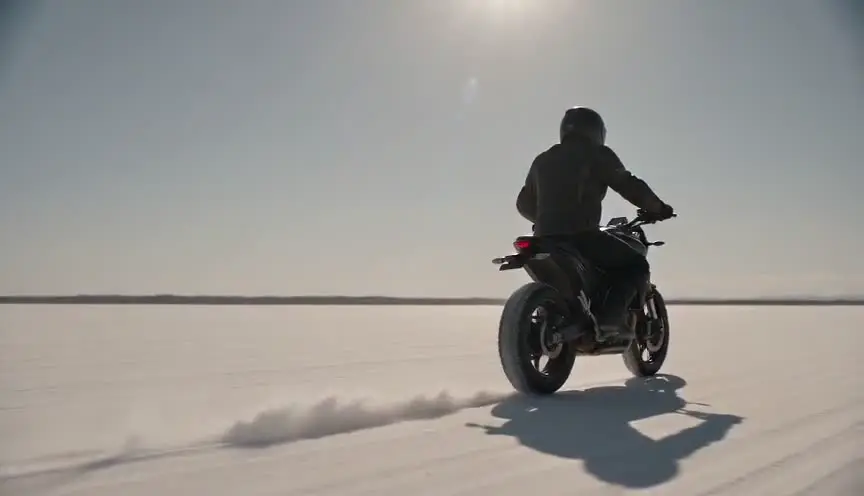
Speed ramp
A speed ramp changes the playback speed inside a single shot, gliding from normal speed into slow motion or fast motion and back again. The audience feels time breathe with the action, stretching at the key instant and snapping forward after it.
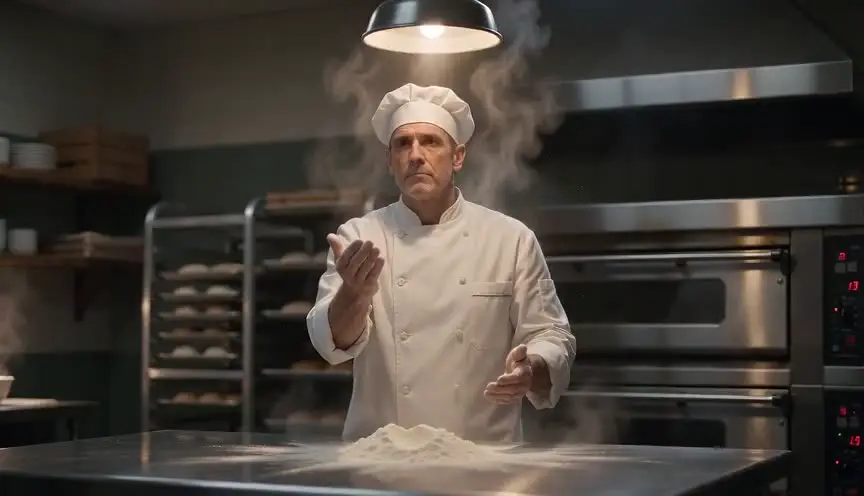
Freeze frame
A freeze frame stops the action on a single image and holds it on screen while time in the story seems to halt. The audience is left staring at a moment they would normally see pass, and they start to read it like a photograph.
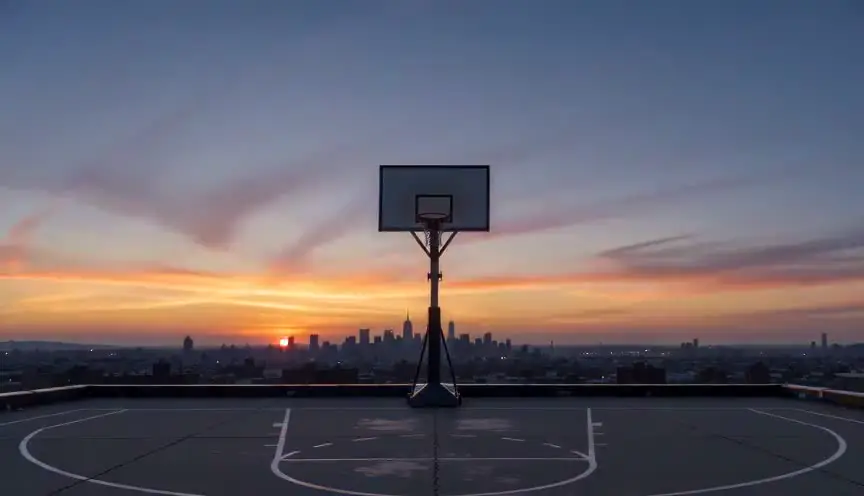
Time-lapse
A time-lapse records one frame at long intervals and plays them back at normal speed, so hours or days race by in a few seconds. The audience sees patterns the eye cannot catch in real time: clouds breathing, crowds flowing, a city switching on.
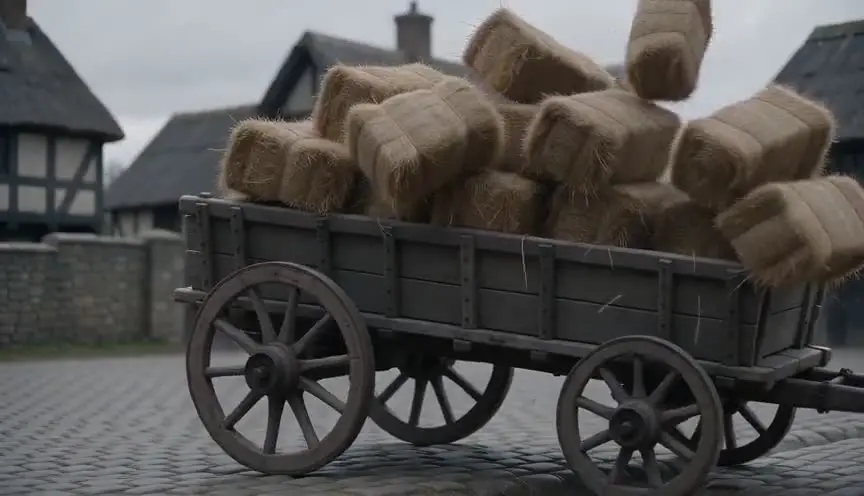
Step printing
Step printing repeats each frame of a shot two, three or more times, so the action slows down without new in-between images and moves in small jumps. The audience feels time stretched and slightly broken, like a memory replaying itself or a nerve misfiring.
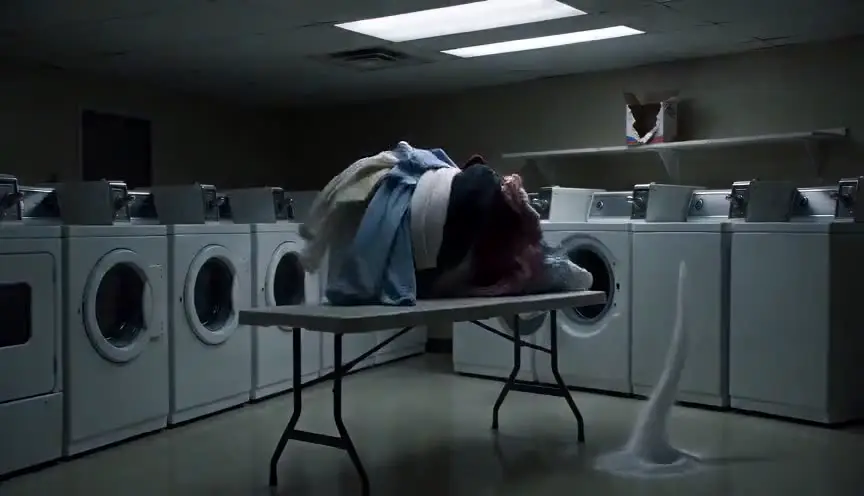
Reverse motion
Reverse motion plays an action backward, so broken things mend, spilled things return and people walk the wrong way through their own gestures. The audience senses that the rules of the world have changed, and it can read as magic, memory, regret or menace.
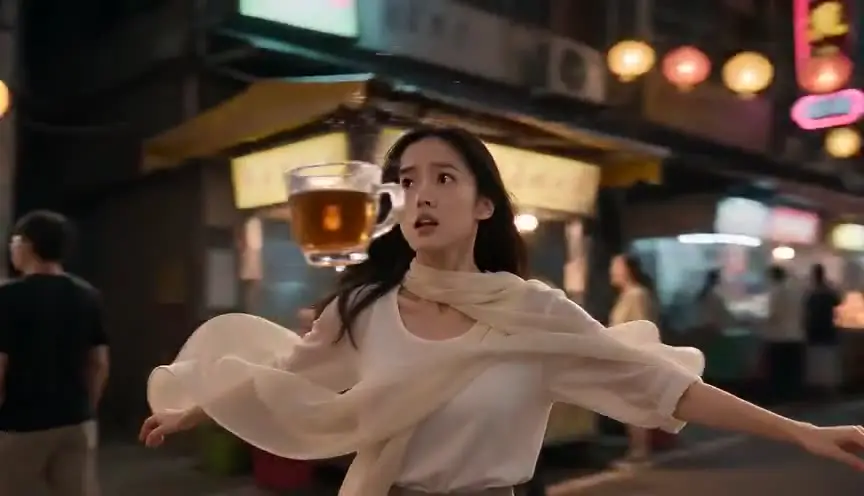
Bullet time
Bullet time slows or freezes an action while the camera keeps moving around it, often in a wide arc, so the audience can inspect a split second from several sides. It turns a fleeting instant into a space you travel through.
Long take
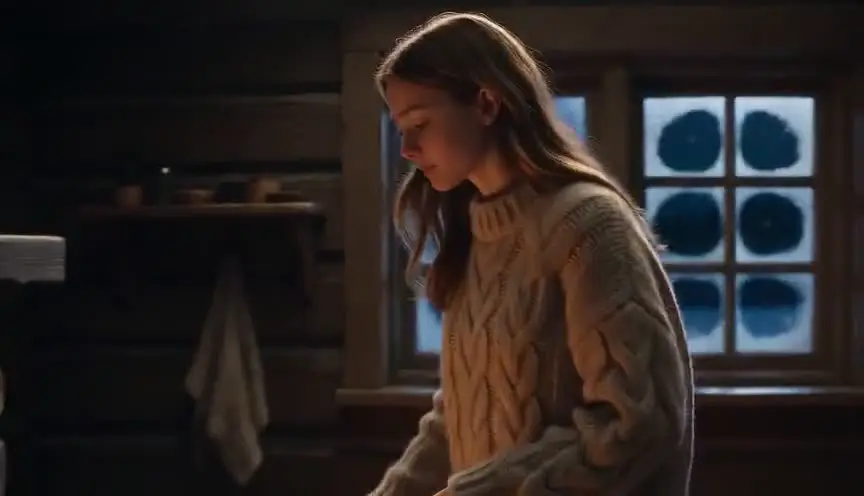
A long take runs a scene or a large part of it as one unbroken shot, with the camera and the actors carrying all the changes of framing. The audience loses the relief of the cut and feels they are living the scene in real time, beside the characters.
Motion blur
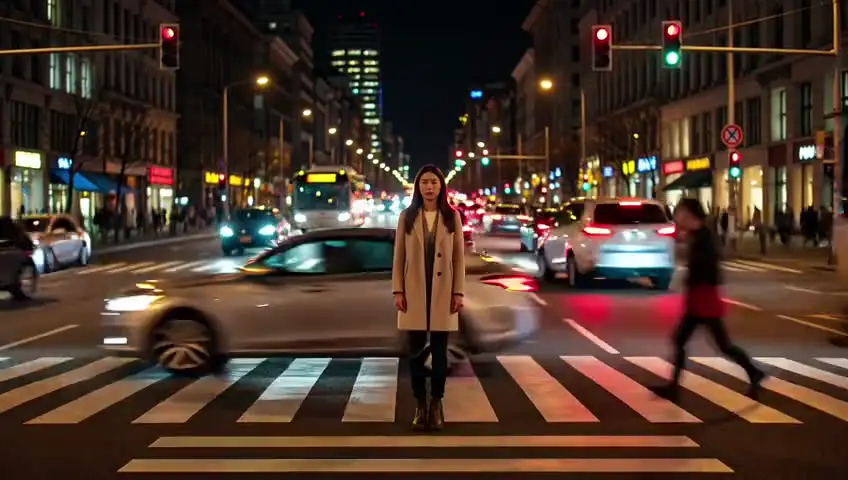
Motion blur is the streak a moving subject leaves on the image when the shutter stays open while it moves. Controlled on purpose, it tells the audience how fast things feel, and it can make a still person stand out sharply against a rushing world.
Stutter motion
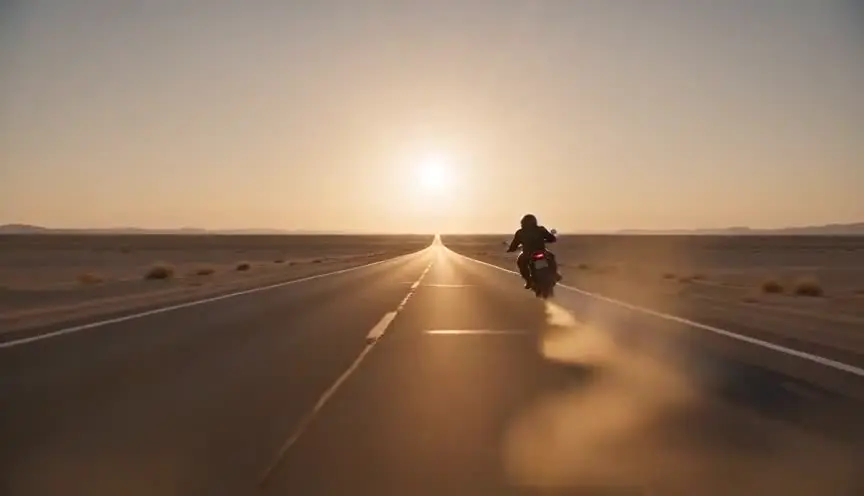
Stutter motion makes movement look crisp and jerky, as if the image jumps from position to position instead of flowing. The audience reads it as raw, nervous and immediate, like newsreel footage or a pulse of adrenaline.

Boomerang
A boomerang plays a short action forward, then backward, then forward again, so the moment bounces between its start and its end. The audience feels a gesture trapped in repetition: playful in a short burst, obsessive or disturbing when it goes on.
Seamless loop
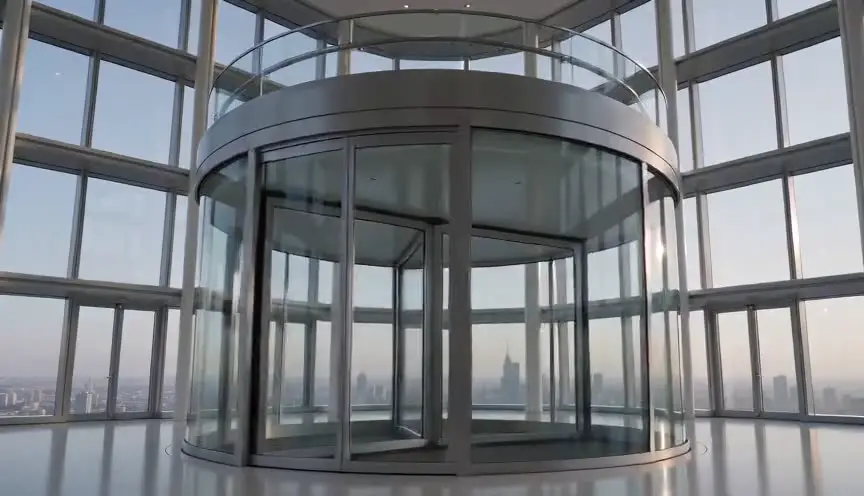
A seamless loop is a shot whose last frame leads back into its first so smoothly that it can repeat forever without a visible join. The audience stops waiting for the moment to finish and starts to feel it as a state: calm, hypnotic or trapped.
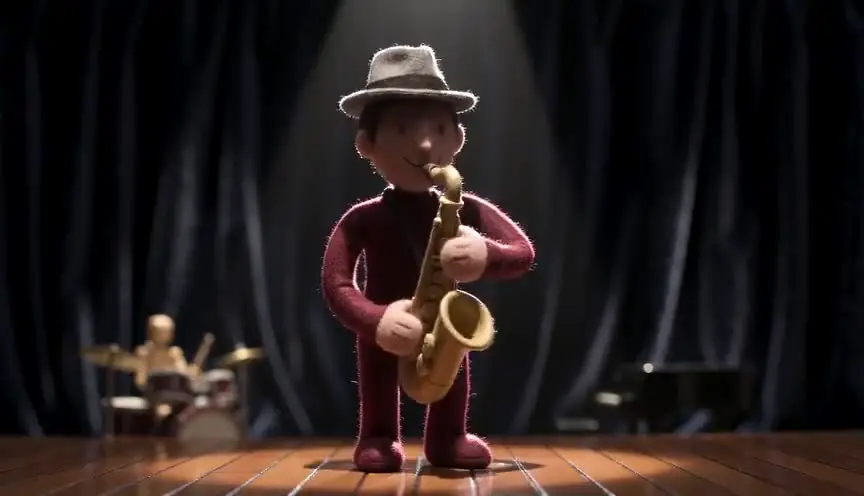
Stop motion
Stop motion animates puppets, clay or objects by moving them a tiny amount between single photographed frames, so they seem to move on their own when played back. The audience feels the hand of the maker in every twitch, and the world gains a tactile, slightly uncanny life.