SepiaThe color of an old photograph
Sepia is a warm brown monochrome, named after the toning used on old photographic prints. The audience instantly reads it as the past, a memory or a story told from far away, gentle and slightly faded.
Also calledSepia toneSepia gradeAntique tone
Color and film look
Why it works on screen
Sepia puts time between the audience and the image. It turns a scene into a keepsake, something remembered or handed down. It serves flashbacks, immigrant stories, family histories, folk tales and comedies that want the charm of an old picture. It can also set up a contrast: a sepia world that bursts into full color when a character changes or enters another place. A scene earns it when the story is looking back, or when the filmmaker wants the warmth of nostalgia with a hint of loss. Because the tone is so recognizable, it works best with a clear reason and a clear boundary.
The shot list line
- Size
- Full shot
- Angle
- Eye level
- Movement
- Static
- Lens
- 40mm to 50mm
- Duration
- 4 to 8 s
Light and dress the scene in a narrow warm range so the conversion to sepia is smooth, and decide with the colorist how dark the browns go and how cream the highlights stay.
Screenplay
On the page
You do not need to name a color treatment in a spec script, but if a sequence is a memory or set in another era, mark that clearly, with a year in the scene heading or FLASHBACK and END FLASHBACK. That tells the director where a different look may belong. If sepia is central to the story, as when a world changes from monochrome to color, say it once at the transition, since it becomes an event of the plot.
INT. PHOTOGRAPHER'S STUDIO - DAY (1911)
A painted backdrop of columns and palms. A brass camera under a black cloth.
The LEVINSKY FAMILY stands stiff in their best clothes: father, mother, three children, and GRANDMOTHER ZELDA (70s) in the only chair.
The youngest, RUTHIE (6), cannot stop smiling.
PHOTOGRAPHER
Hold still. Nobody move.
Ruthie, at the last second, sticks out her tongue.
Storyboard
In the storyboard
Draw with brown and cream tones only, using a single warm marker or a sepia layer. Darken the corners with a soft vignette, keep the highlights cream rather than white. If the scene is a memory, add a note on how it begins and ends, for example a dissolve from a photograph in the present. Under the panel, write the look, the year of the scene and the rule that decides when sepia is used.
Pairs well with
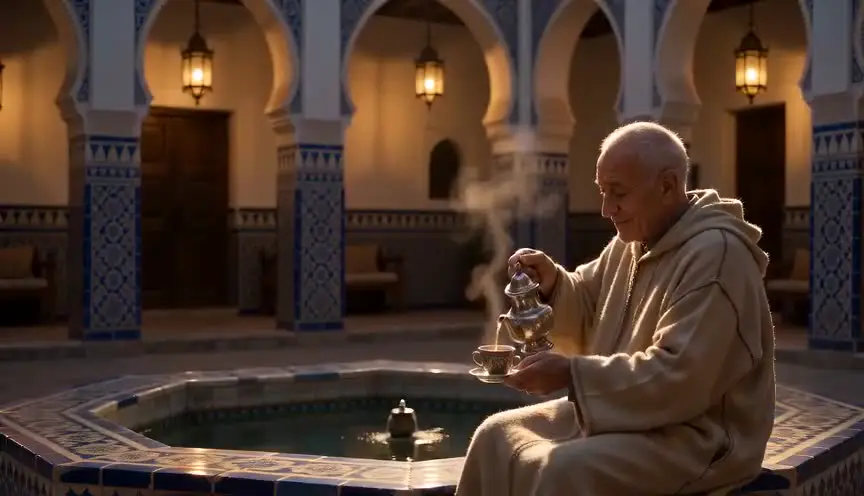
A slow dissolve from a present-day color shot into a sepia image, or from an old photograph into live action, tells the audience gently that they are traveling into the past.
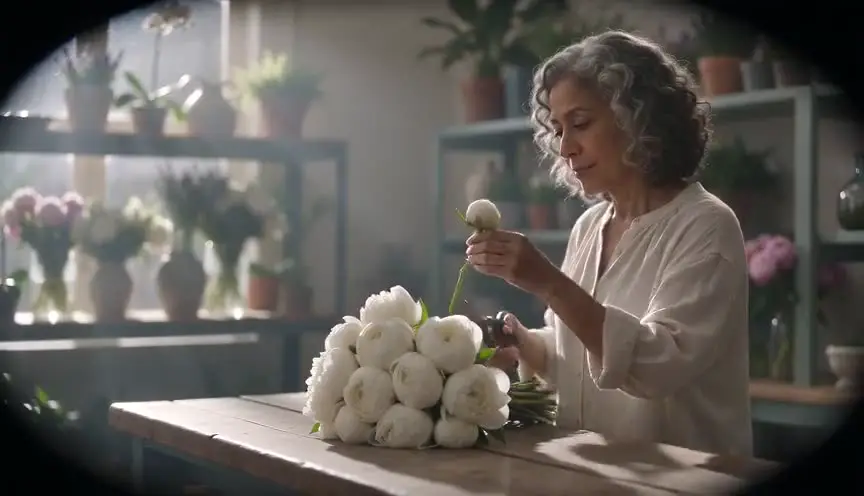
Darkened corners recall the edges of an old print and focus the eye on the center. The two together give the frame the look of a picture held in someone's hand.
Reference
Watch it in
The Wizard of Oz (1939)
The Kansas scenes are printed in warm sepia monochrome, so the jump to full Technicolor in Oz feels like a sudden passage into another world.
The Godfather Part II (1974)
Gordon Willis warms young Vito's New York flashbacks into a sepia and amber palette, setting the immigrant past apart from the colder present.
O Brother, Where Art Thou? (2000)
A digital intermediate drains and warms 1930s Mississippi into dusty golden brown, so the comedy looks like an aged folk photograph.
ScreenWeaver
Set it up in ScreenWeaver
Mark the past or memory scenes with a year or a FLASHBACK heading, and ScreenWeaver breaks the screenplay down into shots automatically. Open each shot of that sequence, set the framing, angle, movement and duration, and add a sepia color note. Characters and locations carry from shot to shot, so a younger version of a place still matches the present one, and the AI previsualization lets you check the transition in and out of the tone.
Start writing for freeThe prompt behind this clip
This is the exact prompt that rendered the clip at the top of the page. Keep the description of the camera and the light, change the subject and the place.
Sepia: a skate park at sunset, the entire image rendered in warm monochrome brown with no other color present, as a middle-aged skater in a hoodie rolls up a ramp and catches air against the fading sun. The camera holds a static locked-off wide shot. Fine film grain drifts across the frame, a soft vignette darkens the corners, highlights glow warm and cream like an old print, and the ramp and chain-link fence sit in deep sepia shadow. No text.
Common mistakes
- 01
Orange instead of brown
Overdone, sepia turns into a heavy orange filter. Keep the tone warm but neutral in saturation, closer to coffee and cream than to fire.
- 02
No rule for when it appears
If sepia shows up at random, the audience cannot decode it. Tie it to one time period or one kind of memory and stay consistent.
- 03
Modern details in frame
A sepia tone draws attention to the era, so a modern sign or plastic prop breaks the illusion even more. Check the art direction carefully.