Three-shotAlliances and outsiders in one frame
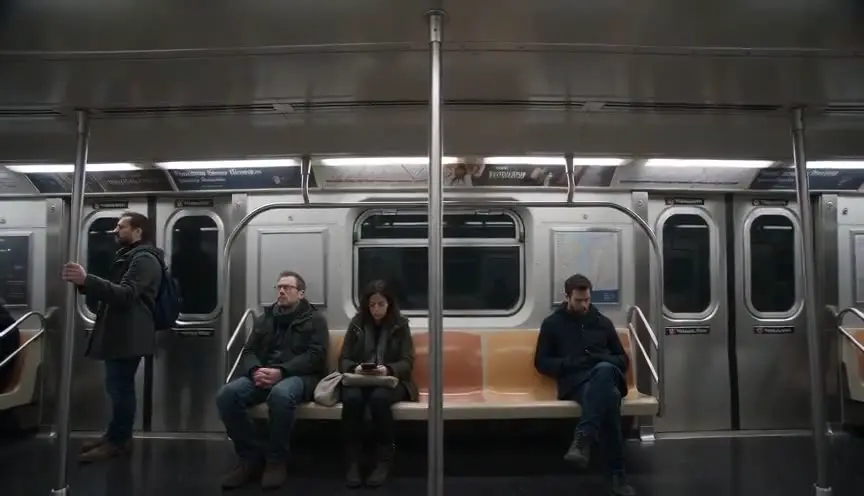
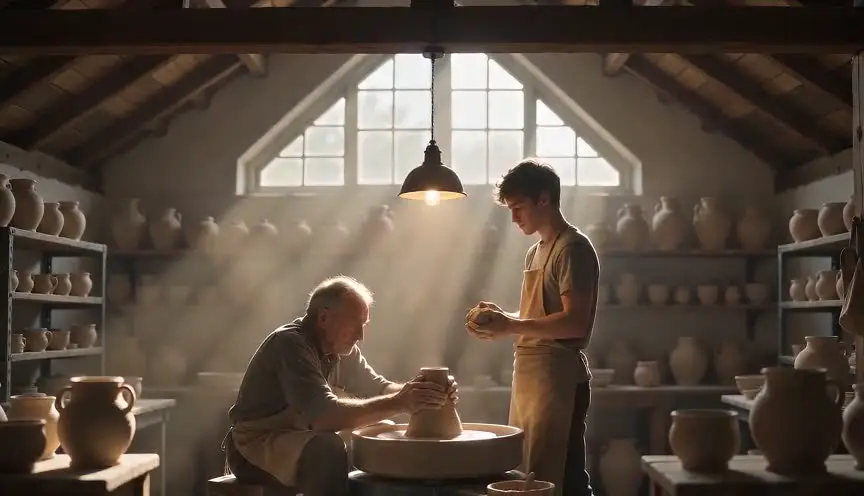
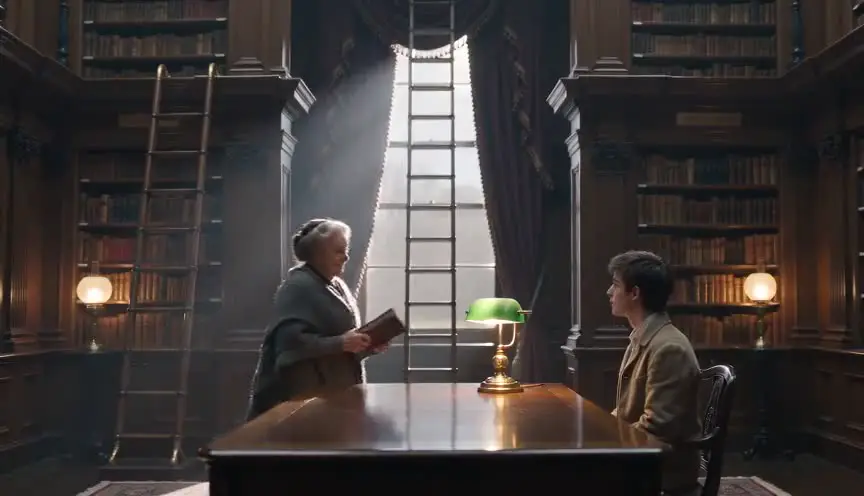
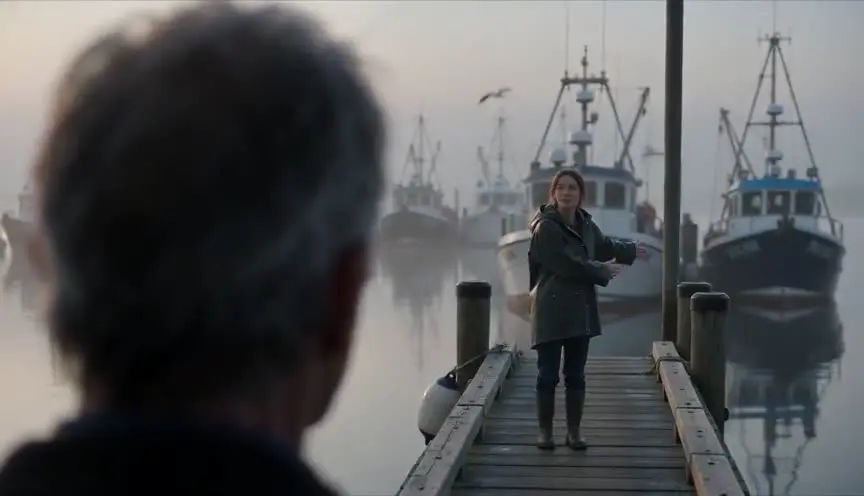
A three-shot frames three characters together, often arranged in a triangle or a line. The audience sees at once who stands with whom and who is left out.
Also calledGroup triangle shotTriple framing3-shot
Shot sizes
Why it works on screen
Three people make politics. Two against one, a mediator between rivals, siblings dividing a family business: the three-shot shows the balance of power without needing a line. It serves tension, comedy, negotiation and shifting loyalty. Placement matters: the person in the middle often holds the power, and the one at the edge risks being cut out. A scene earns it when a triangle of interests drives the drama, or when a trio acts as a unit. Moving from a three-shot to a two-shot later can show that someone has been pushed aside.
The shot list line
- Size
- Medium or medium wide three-shot
- Angle
- Eye level
- Movement
- Static
- Lens
- 28mm to 35mm
- Duration
- 10 to 40 s
Stage the three at different depths or heights so every face reads and the triangle is visible, and decide who takes the center.
Screenplay
On the page
Spec scripts should not label the framing. Instead, describe how the three characters are positioned: one between two others, two on one side of a table and one on the other, one standing while two sit. That arrangement suggests the triangle. Mention changes in position when alliances shift. The shot list defines the size, the angle and whether the three-shot is held or broken into coverage.
INT. BOULANGERIE MARTEL - KITCHEN - MARSEILLE - 4 AM
Flour in the air. Ovens roaring.
Three siblings around a steel worktable. SAMIR MARTEL (40) kneads. LEÏLA (37) weighs dough. The youngest, YANIS (29), leans against the wall, arms folded, apron untouched.
SAMIR
The offer is good.
LEÏLA
Papa would never sell.
Both look at Yanis. He takes his time.
Storyboard
In the storyboard
Draw the three characters with a light triangle connecting their heads to show the composition. Mark who is in the center and who is at the edges. Add eyeline arrows to show who looks at whom. If positions change, draw a second panel. Note the lens, the angle and the moment the three-shot breaks into singles or a two-shot.
Pairs well with
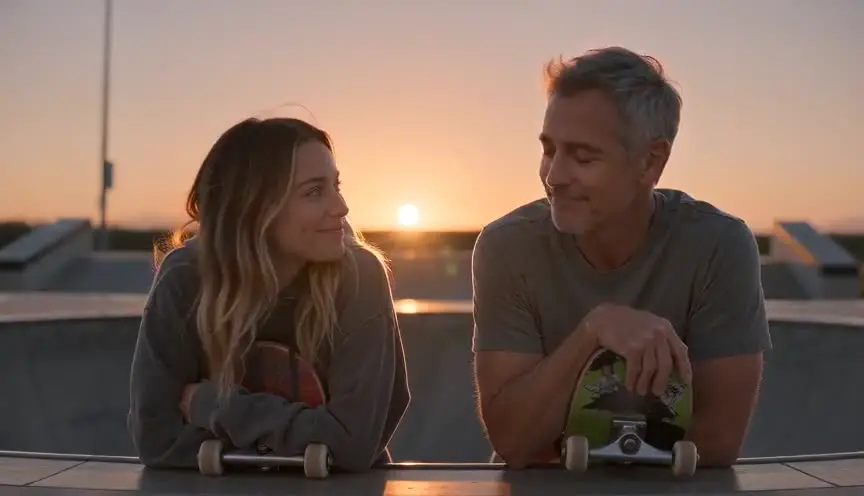
Cutting from the three-shot to a two-shot excludes one character. The change of frame shows an alliance forming or someone being pushed out.

Within a three-way scene, a reaction shot on the silent third party reveals what they think of the other two. It can shift the whole balance.
Reference
Watch it in
The Godfather (1972)
At the restaurant table, Michael, Sollozzo and the police captain share one frame, so the meal reads as a closed triangle of danger.
Reservoir Dogs (1992)
In the warehouse climax, a held frame keeps Mr. White, Joe and Nice Guy Eddie aiming at each other, a triangle where any shot triggers the rest.
ScreenWeaver
Set it up in ScreenWeaver
Describe how the three characters are arranged in the space, and ScreenWeaver breaks the scene down into shots automatically. Open the group shot, set a medium three-shot at eye level, keep the movement static and give it the length of the exchange. The characters and the location carry from shot to shot, so when you cut to singles or a two-shot the positions stay consistent. Use the AI previsualization to test the balance of the frame.
Start writing for freeThe prompt behind this clip
This is the exact prompt that rendered the clip at the top of the page. Keep the description of the camera and the light, change the subject and the place.
Three-shot inside a small flower shop, three adults (a woman in her thirties, a man in his fifties, a nonbinary person in their twenties) framed together in one static medium shot on a 50mm lens, staggered in a shallow triangle with one slightly forward between buckets of peonies and eucalyptus. Soft window light from the left, warm practical bulbs above, camera locked off on a tripod, the three exchange glances and small gestures while arranging stems, no cuts, no camera movement. No text.
Common mistakes
- 01
Three in a flat line
Lining up three actors across the frame creates a static and lifeless image. Vary their depth and height to create a triangle and a sense of space.
- 02
The center by accident
The character in the middle naturally draws attention. Decide who should hold that position rather than placing people at random. Moving someone to the center later in the scene can mark a shift of power.
- 03
One face lost
With three actors, one often ends up hidden. Check every face reads from the camera position before rolling. A small shift of one actor, a step forward or a turn of the head, usually solves it, so check the monitor at every rehearsal.