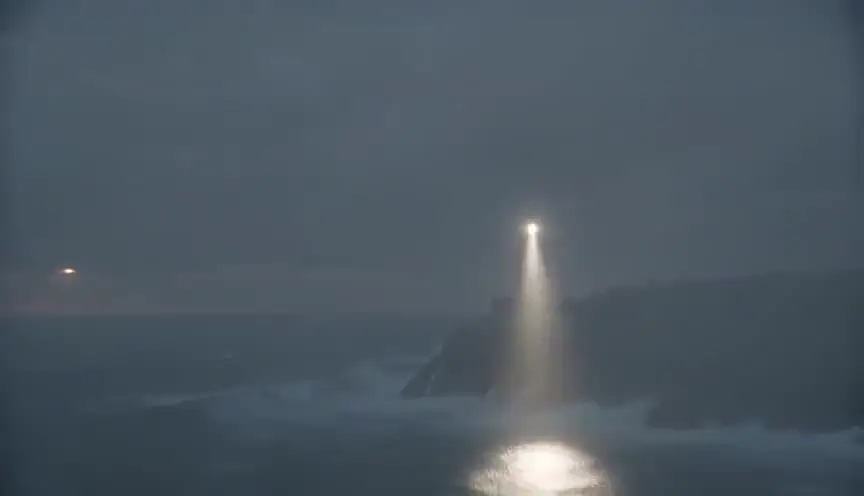
Establishing shotWhere and when, in one image
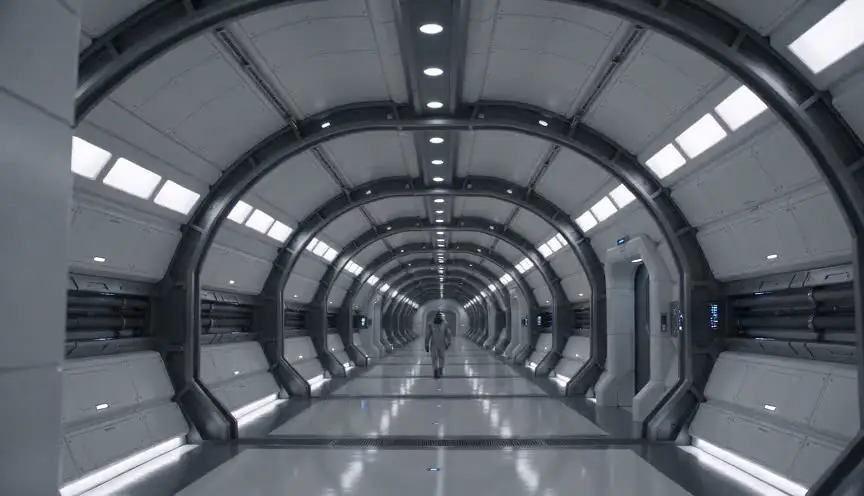
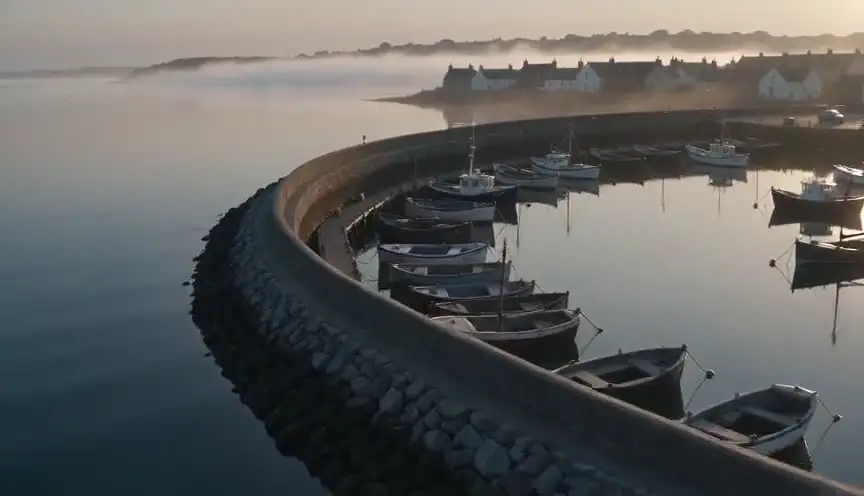
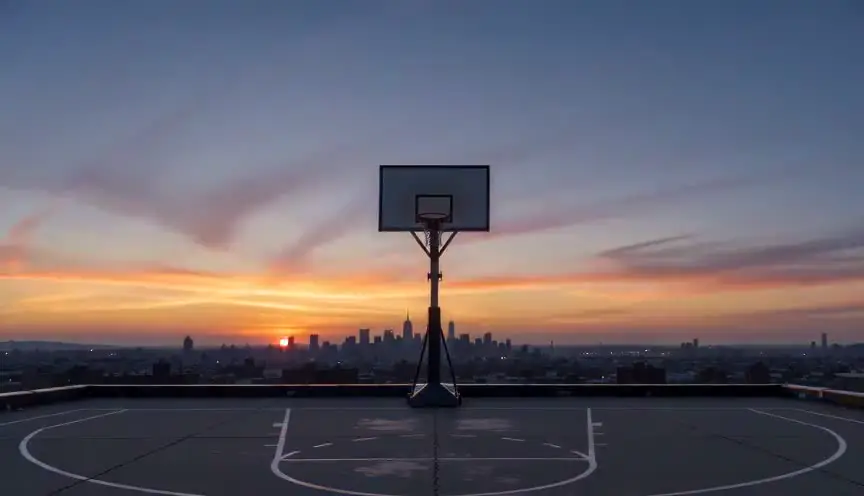
An establishing shot opens a scene or a sequence by showing the place it happens, usually from outside and from a distance. The audience learns where they are, what time it is and what kind of world they have entered before anyone speaks.
Also calledLocation shotScene-setting shotWide opener
Shot sizes
Why it works on screen
It answers the questions the audience asks at every change of scene: where are we, when is it, what is the mood. A harbor at dawn tells us about work and weather; a hospital at night tells us about emergency; a mansion in the rain promises secrets. It serves orientation, tone, foreshadowing and rhythm, giving the audience a breath between scenes. A scene earns it when the location changes, when time has passed, or when the place itself carries meaning. It can also mislead on purpose: a peaceful village that hides a crime is more chilling when the opening image looks innocent.
The shot list line
- Size
- Wide shot or extreme wide shot
- Angle
- Eye level or high angle
- Movement
- Static, or a slow pan or push toward the building
- Lens
- 18mm to 35mm
- Duration
- 3 to 6 s
Shoot at the time of day written in the heading and include one sign of life, a light, a boat, a person, so the place feels inhabited.
Screenplay
On the page
The scene heading already establishes the place, so you rarely need to describe an establishing shot. When the exterior matters, write a short EXT. heading with one or two lines of atmosphere, then cut to the INT. where the scene happens. That is standard and readers accept it. Keep it brief: one image, one mood. Aerial views, time-lapses and exact framing belong in the shot list.
EXT. PETTY HARBOUR - NEWFOUNDLAND - DAWN
Fog sits on the water. Colored fishing sheds lean over the wharf on stilts.
One boat's engine coughs, then catches. A single light in the co-op window.
INT. FISHERMEN'S CO-OP - CONTINUOUS
DOREEN WALSH (61) pours coffee into six mugs, then stops, and pours a seventh.
Storyboard
In the storyboard
Draw the exterior with the key building or area clearly visible, and mark with a small arrow the window or door where the next scene happens. Show the time of day through light and shadow. Write the heading under the panel, INT. or EXT., place and time. Note the lens, the angle, any movement and the duration.
Pairs well with
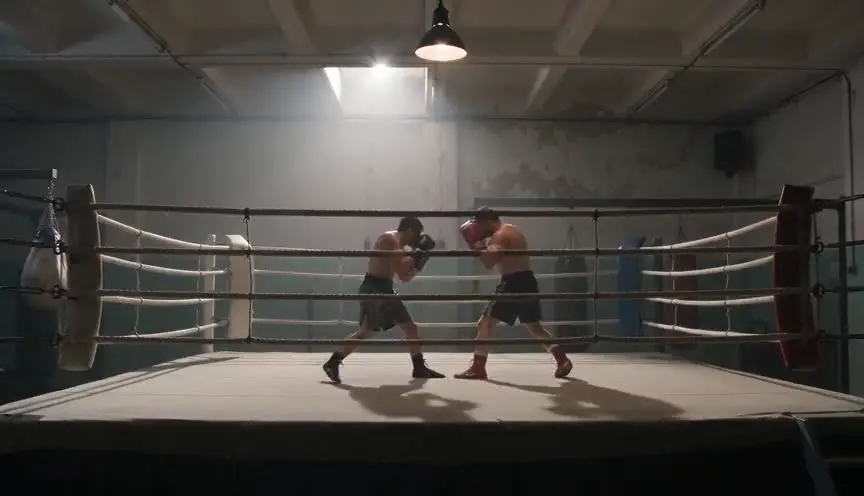
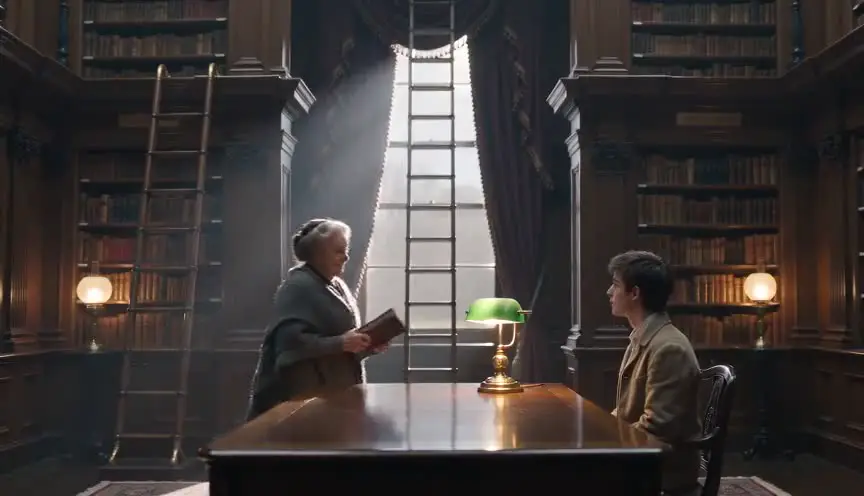
After the establishing view from outside, a wide shot inside the location shows the characters in the space, so the audience moves from the world to the room.
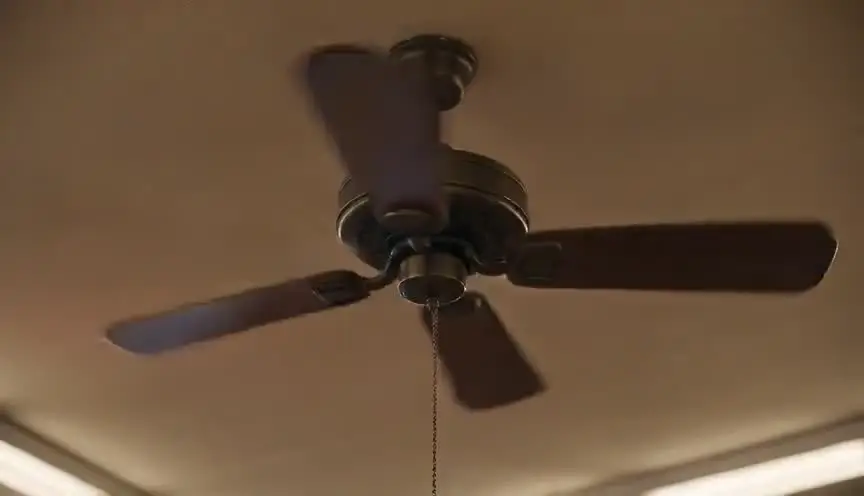
A match cut can carry the audience from one location to another, and the establishing shot that follows answers where the new scene takes place.
Reference
Watch it in
Jaws (1975)
After the underwater opening, wide views of a night bonfire party on the beach set up the coastal town before the first swimmer goes into the water.
The Shining (1980)
Aerial footage of the car climbing through mountain roads fixes isolation and scale before the hotel story begins.
ScreenWeaver
Set it up in ScreenWeaver
Write a short exterior heading with one line of atmosphere before the interior scene, and ScreenWeaver breaks it down into shots automatically. Open the establishing shot, set the framing to wide or extreme wide, choose an eye-level or high angle, pick a static or slow movement and a short duration. The location carries from shot to shot, so the building outside matches the room inside. Use the AI previsualization to check the rhythm between scenes.
Start writing for freeThe prompt behind this clip
This is the exact prompt that rendered the clip at the top of the page. Keep the description of the camera and the light, change the subject and the place.
Establishing shot of an Icelandic black sand beach at dawn, captured on a static wide-angle lens from a low tripod near the shoreline. Dark volcanic sand stretches toward distant cliffs wrapped in thin fog, cold gray light spreading from the horizon, and slow ocean waves rolling in and receding across the frame. A single hooded figure walks far in the background, tiny against the scale of the beach. The camera does not move; only the water, mist, and distant walker shift within the fixed frame. No text.
Common mistakes
- 01
Establishing every scene
An exterior before every scene slows the film and becomes predictable. Use establishing shots when the location or time changes significantly. Scenes that stay in the same house do not need to see the house every time.
- 02
Wrong time of day
If the heading says night and the establishing shot is in daylight, the audience notices. Match the light to the story's time. Check the weather too: a sunny exterior before a rainy interior breaks the illusion.
- 03
Generic stock image
A random skyline says nothing about the story. Choose a specific detail that carries tone, such as a lit window or a closed shop. The audience should learn something about the story, not only the address.