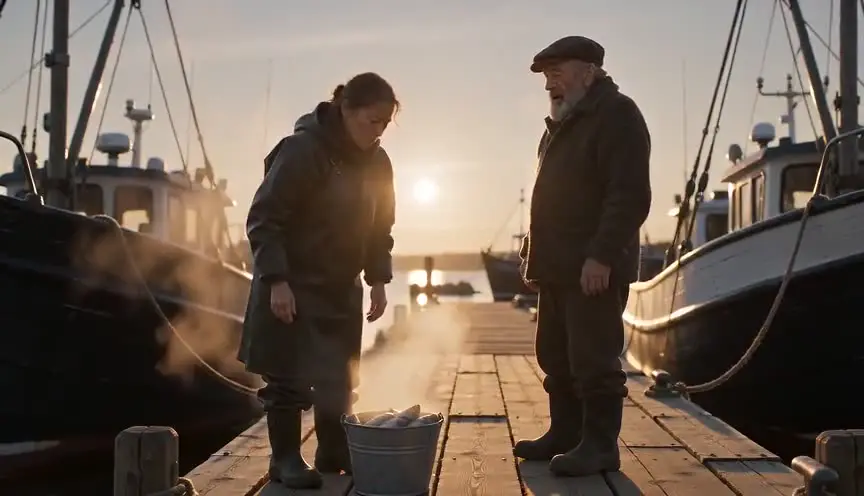
Atmospheric hazeDistance you can feel
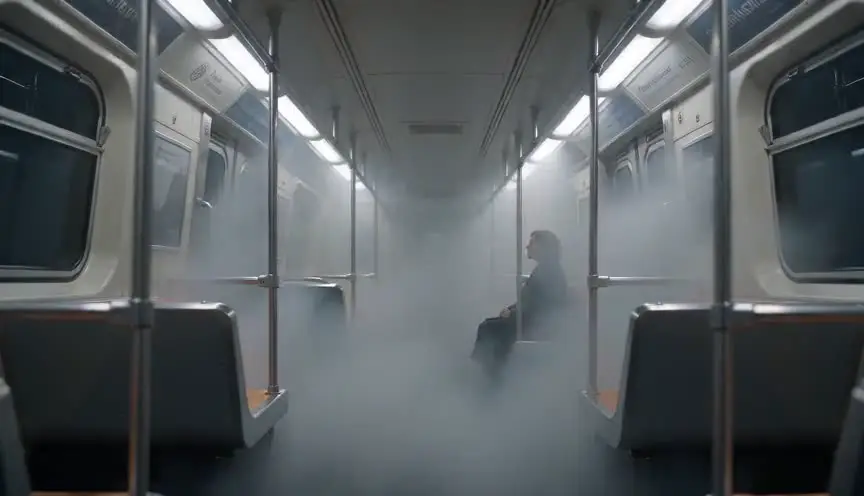
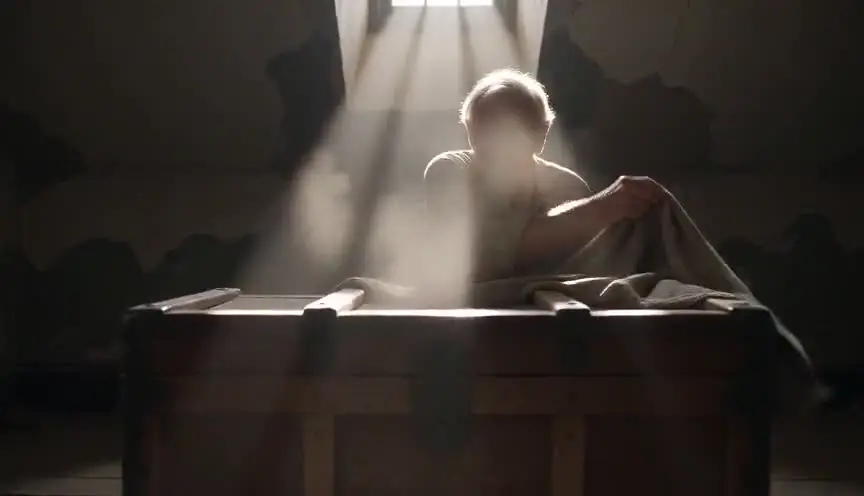
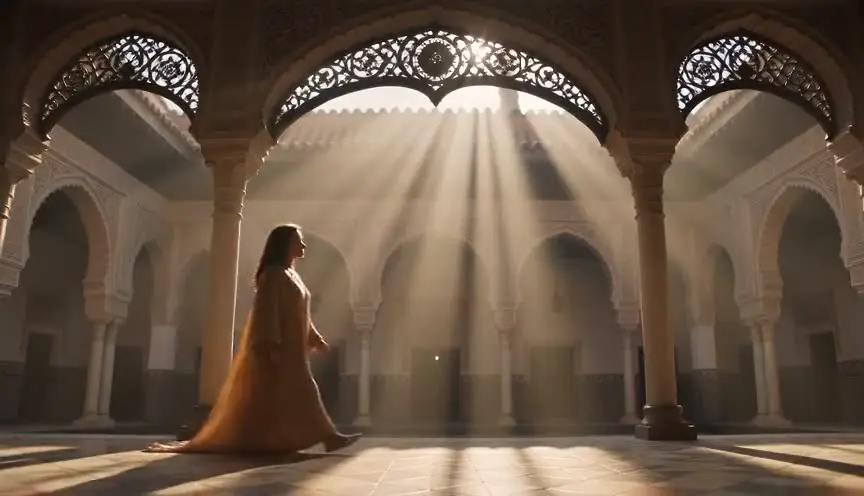
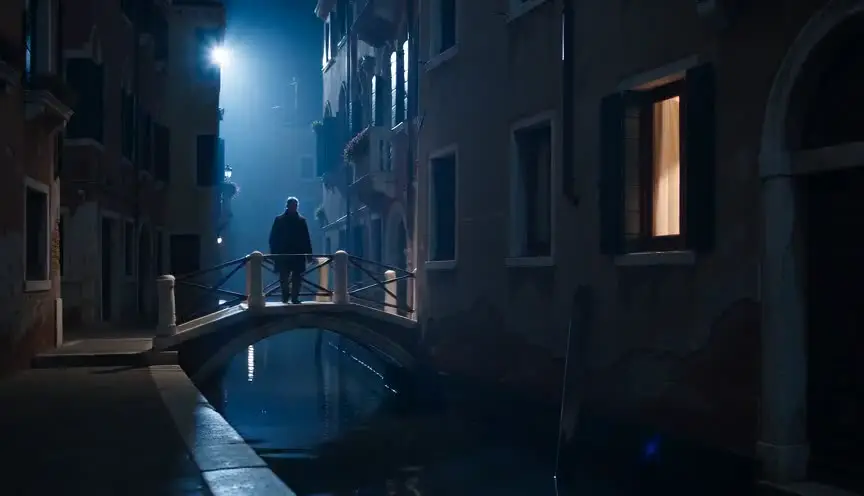
Atmospheric haze fills the air with a light veil of moisture, dust or smoke, so distant objects fade and soften while near ones stay clear. The audience senses depth and scale, and the world takes on a gentle, painterly distance.
Also calledAtmospheric perspectiveAerial hazeDiffusion haze
Atmosphere and weather
Why it works on screen
Haze makes space emotional. It can make a landscape feel vast and lonely, a city feel exhausted, a memory feel far away. It flattens distant structures into pale silhouettes and turns backlight into glowing air. It serves westerns, epics, science fiction, melancholy dramas and any story where distance, time or loss matters. A scene earns haze when the story needs the audience to feel how far things are, physically or emotionally, and how small the characters are against their world. Unlike fog, it rarely hides the action; it quietly shapes how we feel about it.
The shot list line
- Size
- Wide or extreme wide shot
- Angle
- Eye level or slightly high to show layers
- Movement
- Static or slow pan
- Lens
- Long lens (100mm and up) to compress layers of haze
- Duration
- 5 to 10 s
Use backlight and layers of distance (near, middle, far) so the haze reads, and control its density with hazers or natural conditions.
Screenplay
On the page
Writers can suggest haze through description of the world: a pale horizon, dust hanging in the air, distant hills fading to gray. That is part of setting the scene and gives the director a mood. Do not describe hazers, filters or lighting setups. Those are the cinematographer's and special effects team's decisions, recorded in the shot list and camera notes. Keep the page focused on what the air does to the landscape and to the characters' sense of distance.
EXT. STEPPE - ÖVÖRKHANGAI, MONGOLIA - LATE AFTERNOON
The grass runs gold to a horizon that dissolves into pale blue air.
BATBAYAR (70s, deel belted with orange silk) rides slowly, a small herd of horses ahead of him.
On the far ridge, three riders appear, faint as pencil marks.
Batbayar stops his horse and squints.
BATBAYAR
(to himself)
My son comes home, or strangers come.
Storyboard
In the storyboard
Draw the landscape in layers: dark, detailed foreground, lighter middle ground and pale, simple background. Use lighter lines or shading for distant elements to show haze. Mark the sun or light source behind the scene with rays. Add notes on haze density, color (blue, gold, gray) and time of day, since natural haze changes quickly with light and weather.
Pairs well with
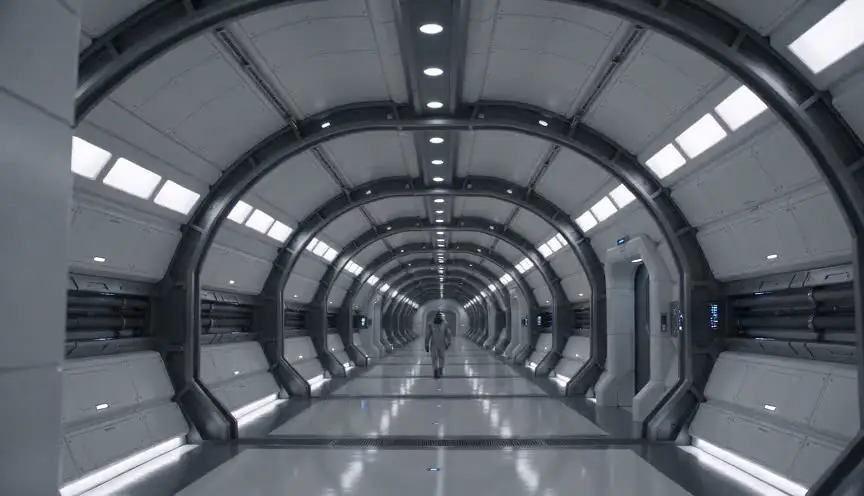
An extreme wide shot shows the full depth of the landscape, letting haze create layers of distance. Characters appear small, emphasizing isolation or scale.
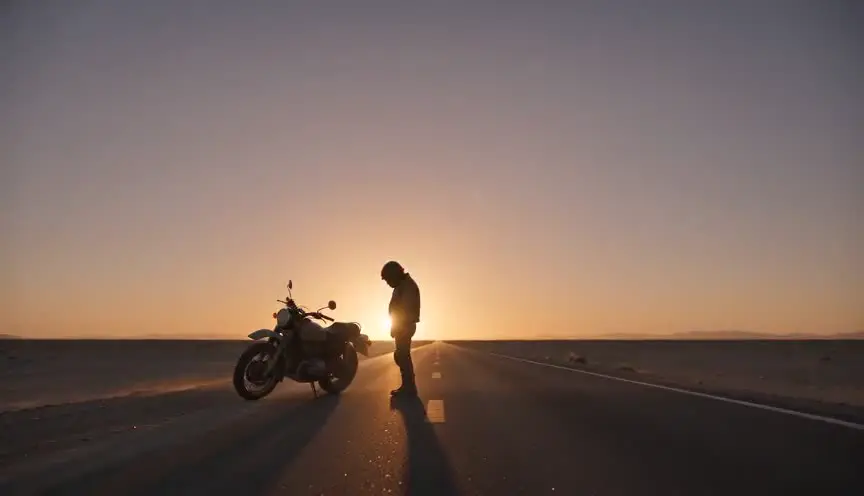
Golden hour backlight turns haze into glowing air, adding warmth and melancholy. The soft, low sun makes distance feel both beautiful and far away.
Reference
Watch it in
Blade Runner 2049 (2017)
A constant haze over the exteriors reduces distant buildings to pale shapes, giving the world depth and a sense of ruin.
The Assassination of Jesse James by the Coward Robert Ford (2007)
Roger Deakins fills wide prairie shots with soft, hazy backlight, blurring the horizon into a sad, painterly distance.
ScreenWeaver
Set it up in ScreenWeaver
Describe the pale horizon or hanging dust in your action lines, and ScreenWeaver breaks the scene into shots automatically. In the storyboard, set wide or extreme wide framings, an eye-level or slightly high angle, a static or slow pan and longer durations so the depth can be felt. Locations carry from shot to shot, keeping the haze consistent across the scene. Check the mood and scale in the AI previsualization and note haze needs in your shot list.
Start writing for freeThe prompt behind this clip
This is the exact prompt that rendered the clip at the top of the page. Keep the description of the camera and the light, change the subject and the place.
Atmospheric haze drifts across a vineyard in autumn at dawn, thinning the low backlight into a soft pale grey-white wash. The camera holds a static wide shot down a row of vines with turning red and gold leaves in the foreground, sharp and richly colored, while rows twenty and thirty meters back dissolve into flat, pale silhouettes with almost no visible detail. A middle-aged worker in a heavy coat walks slowly between the rows, her shape growing softer and less defined the farther she moves from camera until she is swallowed by the haze. No text.
Common mistakes
- 01
Haze without depth
Haze only reads when there are layers of distance. A flat composition against a wall shows little effect. Build shots with foreground, middle ground and background.
- 02
Too thick
Excessive haze washes out the image and hides important details. Keep it light enough that the audience can still read the action and faces.
- 03
Inconsistent density
If haze changes from shot to shot within a scene, continuity suffers. Control hazers, watch the wind and plan the order of shots with changing light.