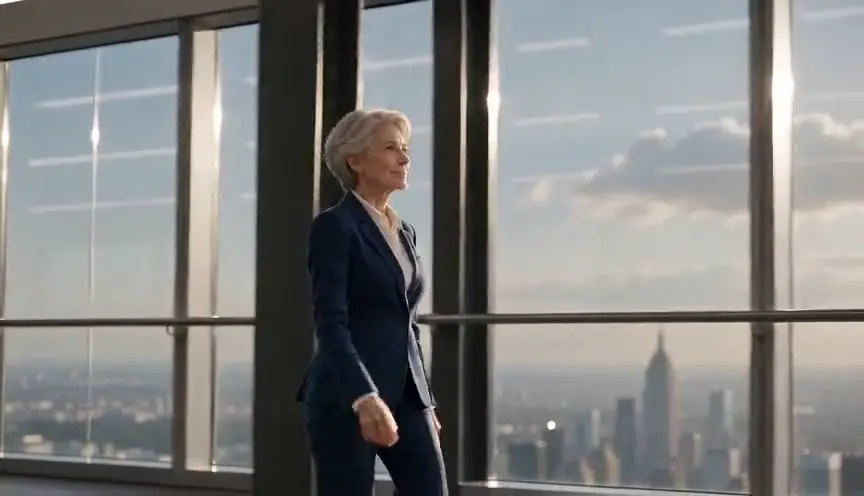
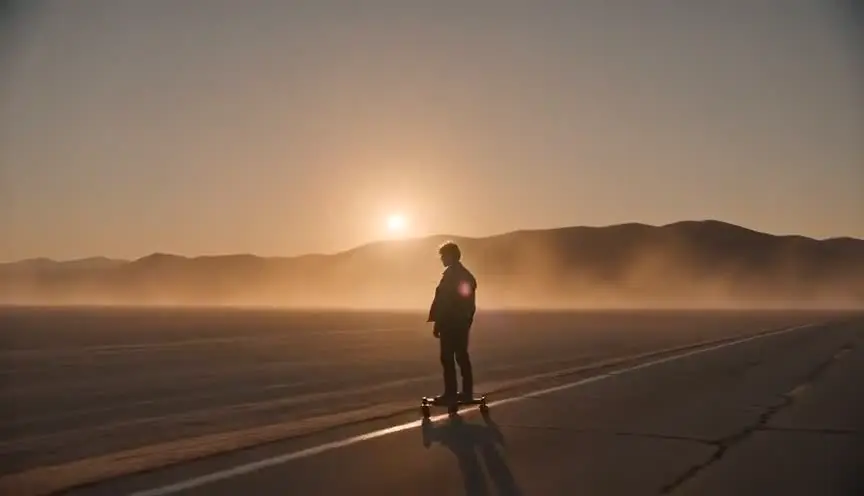
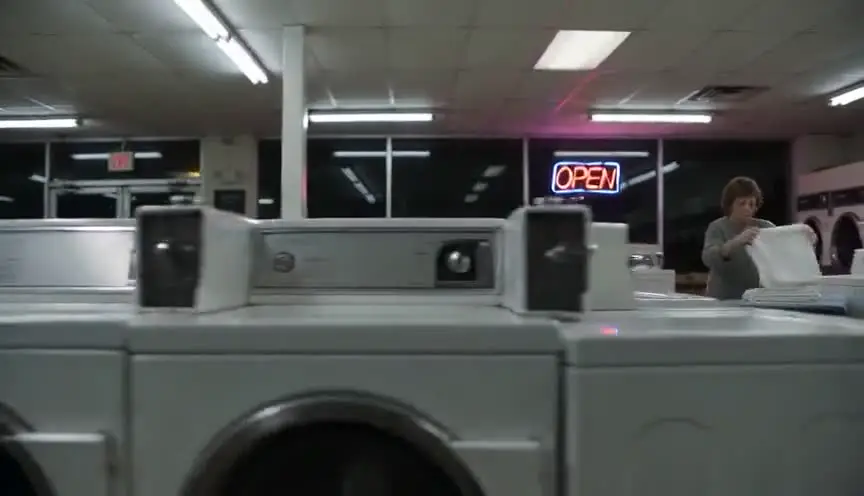
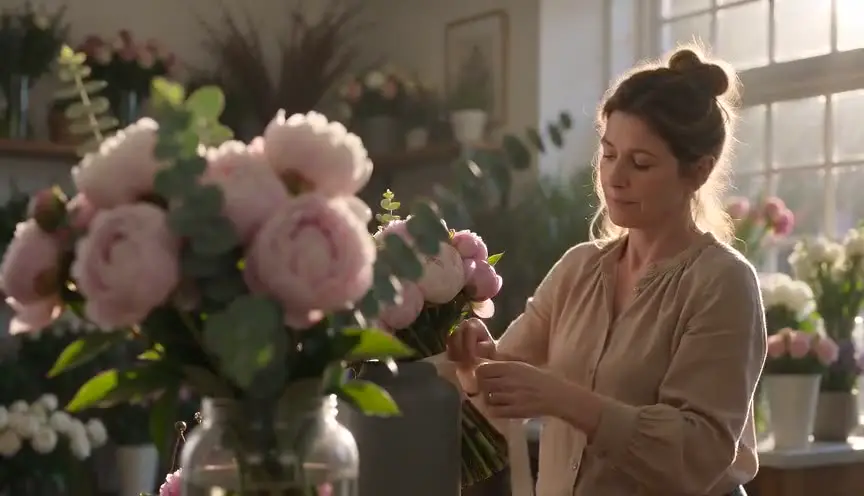
Slider shotA small move that reveals
A slider shot moves the camera a short distance along a straight rail, sideways, forward or back, with no shake at all. The audience senses depth and quiet intention, and often discovers something the first frame kept hidden.
Also calledCamera slideSlider moveLinear dolly slide
Camera movement
Why it works on screen
A slider serves the small reveal. The camera drifts twenty centimeters and a hand comes out from behind a jar, a photo appears on the fridge, a second person is standing in the doorway. It suits intimate spaces where a full dolly will not fit: kitchens, workshops, bedrooms, the inside of a shop. It serves curiosity, suspicion, tenderness and precision. A scene earns it when there is a single piece of information to deliver or withhold, and a static frame would give it away too fast. It also gives a quiet scene life without the nervous energy of handheld.
The shot list line
- Size
- Medium shot
- Angle
- Eye level
- Movement
- Lateral slide left to right, about 60 cm
- Lens
- 35mm to 50mm
- Duration
- 5 to 7 s
Set a foreground object close to the lens so the parallax sells the move, and mark the exact stop point where the hidden detail clears the edge.
Screenplay
On the page
Never write "slider" in a spec script: it is equipment, not story. What you can write is the order in which the reader discovers things. Describe the first image, then the detail that comes into view, in that order, and a director will see a small move. If the reveal is a plot point, make it clear in the action. The direction of the slide, its length and its speed go in the shot list.
INT. FARMACIA DEL CARMEN - BACK ROOM - NIGHT
DON ESTEBAN RUIZ (74) counts pills into paper envelopes under a single bulb, lips moving.
On the shelf behind him, jars of cough syrup in a neat row.
Beyond the last jar, half in shadow: his granddaughter MARISOL (16), very still, a blister pack in her closed hand.
Don Esteban keeps counting. He has not seen her.
Storyboard
In the storyboard
Draw two panels, the start frame and the end frame, with the foreground object shifting more than the background between them. In the first, keep the detail hidden or cut by the frame edge. In the second, show it fully. Under the panels, draw a short horizontal arrow with the rail length and the direction. Add the duration and a note naming what the move reveals.
Pairs well with
A locked-off wide before the slide lets the audience settle into the space. When the frame starts moving, even slightly, it signals that the camera knows something the viewer does not.

Ending the slide with a rack focus from the foreground to the revealed detail doubles the reveal: the move uncovers the object and the focus tells the audience it matters.
Reference
Watch it in
The Grand Budapest Hotel (2014)
Wes Anderson glides the camera sideways in short, exact moves from one symmetrical composition to the next, never breaking the flat geometry of the frame.
Taxi Driver (1976)
During a phone call, Scorsese moves the frame sideways onto an empty corridor while Travis keeps talking offscreen, as if the camera cannot bear to watch him.
ScreenWeaver
Set it up in ScreenWeaver
Write the discovery in the order the reader should see it, and ScreenWeaver breaks the scene down into shots automatically. Open the reveal shot, set a medium shot at eye level, choose a lateral or forward movement and give it five to seven seconds. The characters, the location and the props carry from shot to shot, so the hidden object sits in the same place in the coverage. Check in the AI previsualization that the reveal lands at the end of the move.
Start writing for freeThe prompt behind this clip
This is the exact prompt that rendered the clip at the top of the page. Keep the description of the camera and the light, change the subject and the place.
Slider shot: the camera glides smoothly on a short track, moving left to right across a bakery counter at 5 am, covering about three feet in four seconds at one constant speed with no rotation and no change in focal length. Trays of fresh croissants and loaves sit in soft focus in the foreground, sliding past at a faster visual rate, while a baker in a flour dusted apron kneads dough at a steel table in the background, staying in sharp focus the whole time. Warm tungsten light from hanging bulbs, faint steam rising from an oven behind him. No text.
Common mistakes
- 01
A slide with nothing to show
Moving the camera for its own sake gives a pleasant image that says nothing. Decide what the move reveals, hides or connects before you set up the rail.
- 02
No foreground
Without an object near the lens, a short slide barely reads as movement. Place something close to the camera so depth and parallax make the slide visible.
- 03
Speed that fights the scene
A slide that eases in fast feels like an advertisement in a quiet drama. Match the speed to the emotion and keep the ease in and ease out gentle.