SingleOne person, alone in the frame
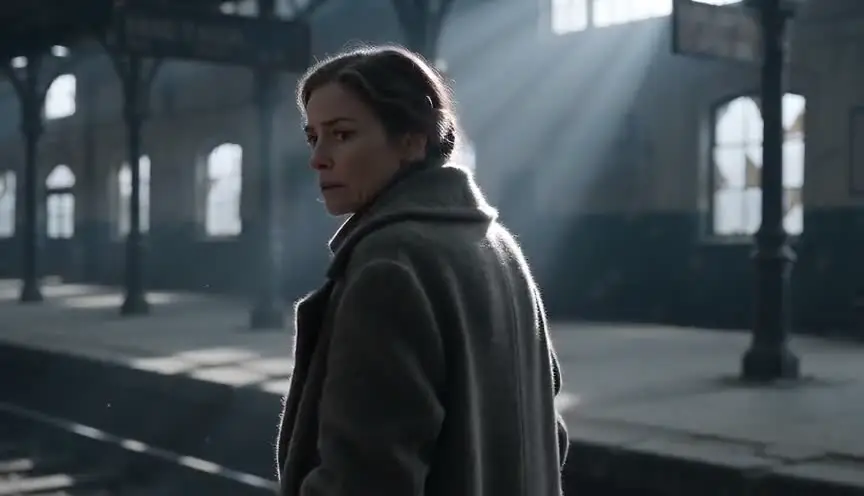
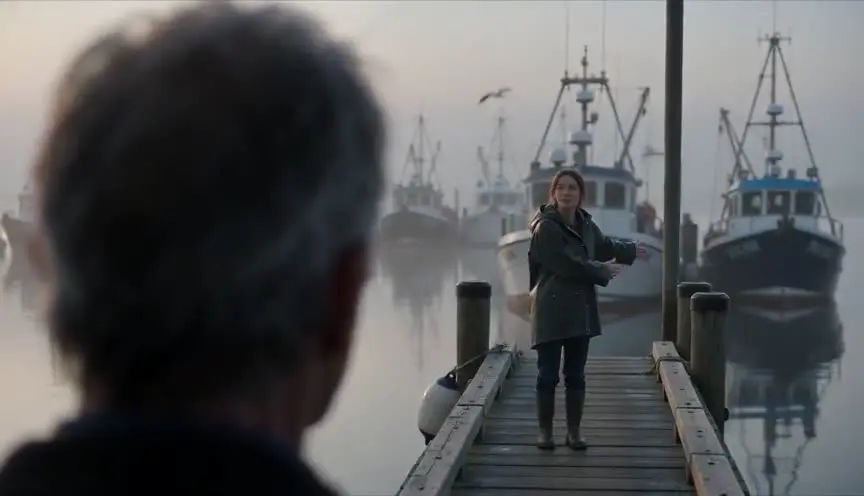
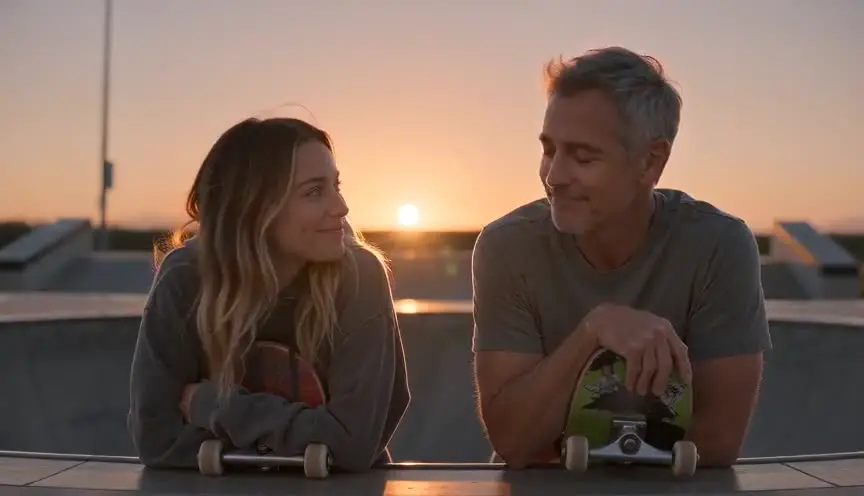
A single frames one character with nobody else in the shot, at any size from a medium shot to a close-up. It gives the audience a direct, private line to that person and cuts them off, for a moment, from everyone around them.
Also calledSingle shotSolo shotClean singleSingle coverage
Shot sizes
Why it works on screen
A single is how a film says: this person, now, on their own. It serves the beats where a character stands apart from a group, holds a secret in a crowded room, or has to decide alone. In an ensemble scene, moving from group shots to singles shows a character being isolated, whether by an accusation, a talent or a fear. It also carries the big speeches, because nothing in the frame competes with the words. A scene earns clean singles when the story has already shown the group and now wants to weigh one person's reaction against all the others.
The shot list line
- Size
- Medium close-up or close-up
- Angle
- Eye level
- Movement
- Static
- Lens
- 50mm to 85mm
- Duration
- 3 to 8 s
Frame out every other actor completely, including shoulders and hands, and keep the background soft so nothing pulls focus from the face.
Screenplay
On the page
The word "single" belongs in a shot list, not a spec script. On the page, you create singles by isolating a character in the action: everyone else leaves the room, the others keep talking while one falls silent, the character steps away to the window. That tells a director where the attention should be. If a character must feel alone in a crowd, write the crowd and then write what only that person notices.
INT. COMMUNITY HALL, OUTSKIRTS OF GALWAY - NIGHT
The parish quiz. Eight tables, loud teams, a hand-painted scoreboard.
At table six, EAMON FLAHERTY (70s) stops writing mid-answer.
His teammates argue over the next question. He does not hear them.
He is looking at the door, where a woman his age has just come in out of the rain.
His pencil stays on the paper.
Storyboard
In the storyboard
Draw one figure only, framed from the chest or shoulders up, with the background reduced to a few soft shapes. Use frame lines to show the exact cut at the top of the head and below the shoulders. Add an eyeline arrow toward the off-screen person or object the character is reacting to. Label the panel with the character's name and "single", note the lens, and mark where it sits in the scene's coverage, before or after the group shot.
Pairs well with
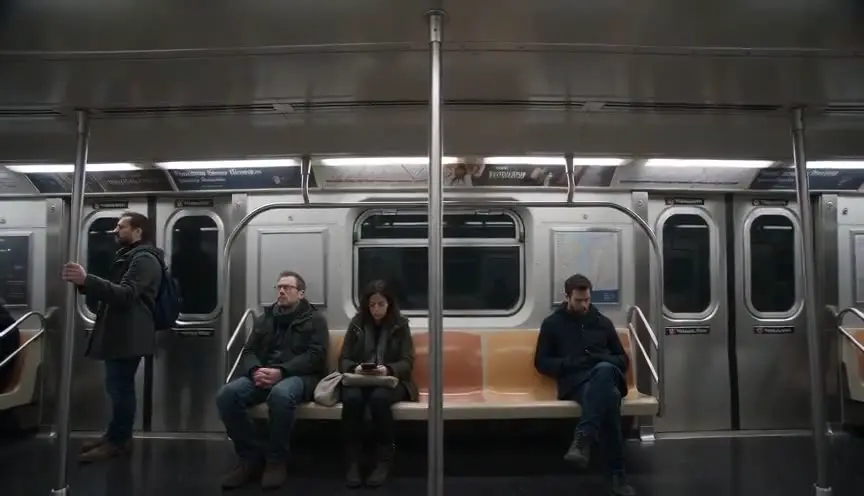
Show the character inside the group first, surrounded by people talking and moving. Cutting to a single right after makes the separation felt: the others are still there, but the frame no longer lets them in.

After a single carries a line or a decision, cut to someone else's reaction. The response tells the audience how the room received the character's moment and moves the scene forward.
Reference
Watch it in
12 Angry Men (1957)
Lumet frames jurors in tight singles as the room turns against them, so each holdout seems stranded inside his own shot.
Whiplash (2014)
Close singles on Andrew during rehearsals and concerts cut him off from Fletcher and the band, leaving his strain and panic nowhere to hide.
ScreenWeaver
Set it up in ScreenWeaver
Write the moment one character separates from the others, and ScreenWeaver breaks the scene down into shots automatically. Open that shot, set the framing to a medium close-up or close-up on that character alone, the angle at eye level, the movement static and a duration that lets the beat breathe. The character and the location carry from the group shots, so the room behind stays consistent. Use the AI previsualization to check that the single sits well between the wider shots around it.
Start writing for freeThe prompt behind this clip
This is the exact prompt that rendered the clip at the top of the page. Keep the description of the camera and the light, change the subject and the place.
Single: a medium close-up frames one adult woman alone inside a dim recording studio, seated at a microphone with foam panels softly blurred behind her on an 85mm lens at a wide aperture. The camera stays locked and static at eye level, holding only her face and shoulders in frame while a warm key light from one side models her cheekbones and a faint blue monitor glow rims her hair. She leans slightly toward the mic and closes her eyes, the frame excluding any other person, instrument or crew member for the full four seconds. No text.
Common mistakes
- 01
Stray limbs in frame
A hand or a sleeve of another actor at the edge turns a clean single into a dirty one by accident. Check the frame edges on every take, especially when the scene has people moving close by.
- 02
Singles from the first shot
If every character gets a single from the opening, isolation means nothing. Establish the group and the shared space first, then move in, so the single marks a change.
- 03
Eyelines that drift
In a sequence of singles, each character must look toward the right off-screen person. Wrong eyelines make people seem to talk past each other, which breaks the scene's geography.