Tracking shotTraveling with a character through their world
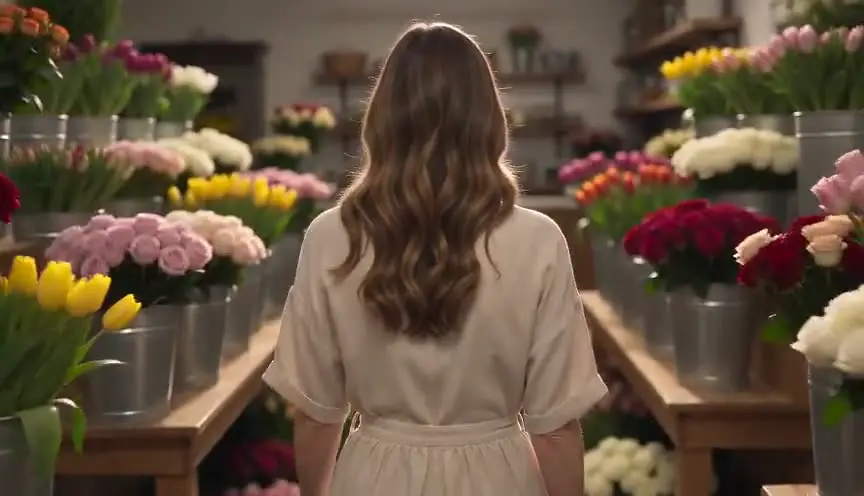
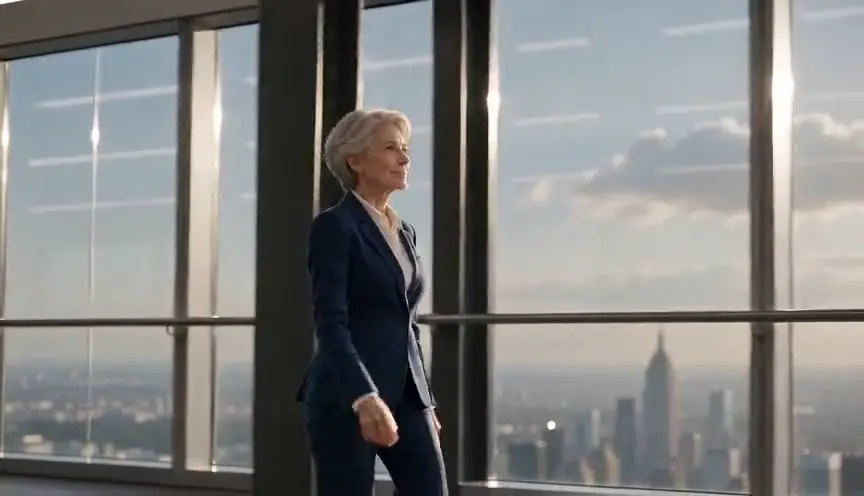
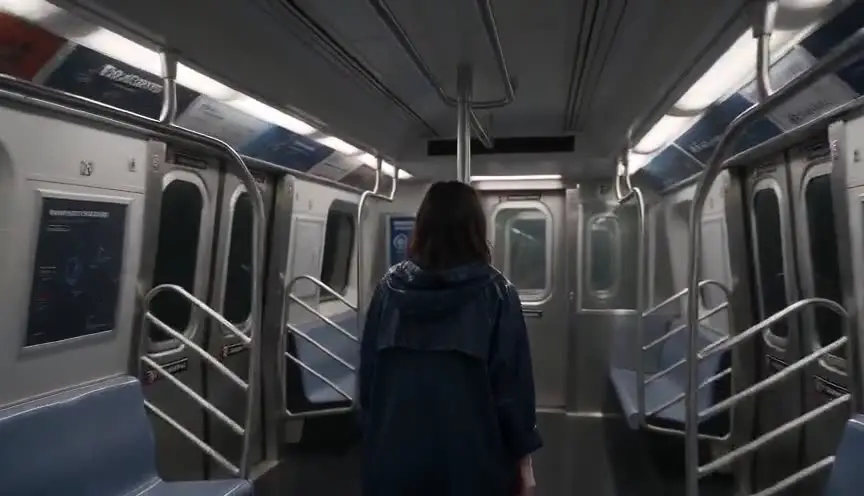
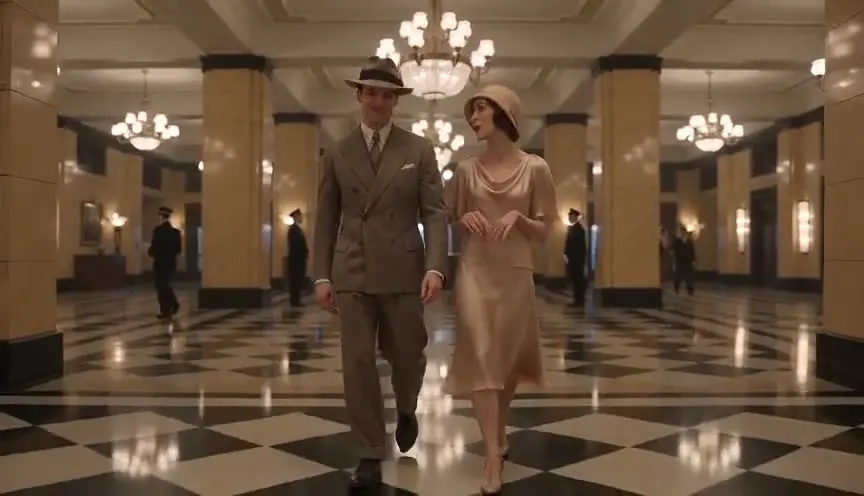
A tracking shot moves the camera through space alongside a subject, keeping them at a steady distance as they walk, run or ride. The audience travels with the character and sees the world unfold around them in real time.
Also calledTraveling shotMoving shotTrucking shot
Camera movement
Why it works on screen
It is the shot of journeys. Tracking with someone through a trench, a factory, a street market or a hospital ward lets the audience absorb the place as the character does, without cuts breaking the flow. It builds immersion and momentum, and it can make a short walk feel like a rite of passage. It serves arrivals, departures, pressure before action and the texture of a world. A scene earns it when the path matters, when what the character passes tells us about their life, their status or the danger ahead.
The shot list line
- Size
- Medium or full shot
- Angle
- Eye level
- Movement
- Tracking alongside, in front of or behind the subject
- Lens
- 24mm to 40mm
- Duration
- 10 to 60 s
Walk the full route with the actor and the camera team before the first take, and mark where each background event must happen.
Screenplay
On the page
A spec script should not say "we track with". Describe the character's movement and what they pass along the way, in the order they meet it. A continuous paragraph of action, without scene breaks, already suggests an unbroken move. Use it for journeys that matter, not for every walk from a door to a chair. When you direct, specify in the shot list the path, the distance kept from the subject and the equipment.
EXT. HANG BAC STREET, HANOI OLD QUARTER - EVENING
TRAN THI MAI (19, delivery jacket, helmet with cat ears) weaves her scooter through the rush.
A pho cart. A man carrying a mattress on his head. Grandmothers playing cards on the sidewalk.
She honks twice at a tourist, once at a dog.
Her phone buzzes on the handlebar: CUSTOMER WAITING 14 MIN.
She cuts across a lane of traffic, grinning.
Storyboard
In the storyboard
Draw a top-down map of the route with the subject's path as a line and the camera's path as a dashed parallel line, with arrows. Mark the key things the character passes, numbered in order. Add three or four small frame thumbnails at key points along the route. Note the distance kept from the subject, the equipment (dolly, gimbal, vehicle) and the total duration.
Pairs well with
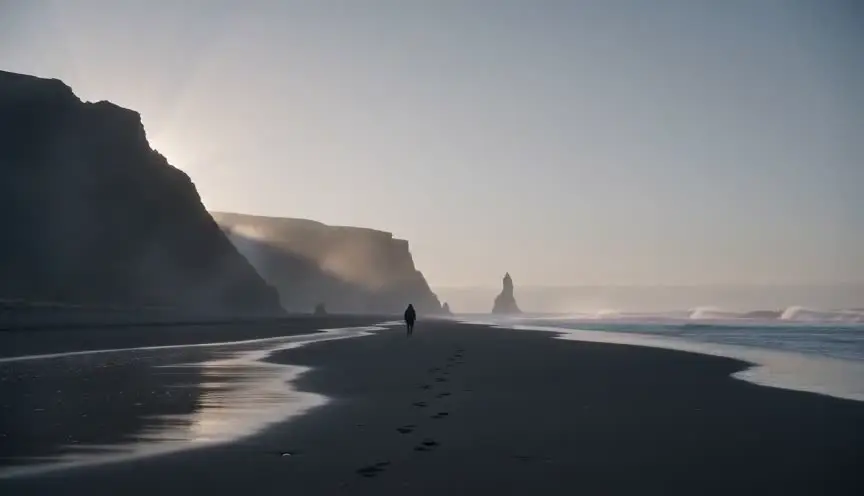
An establishing shot before the track shows the whole place, so when the camera follows the character through it, the audience knows where they are headed and what lies around them.
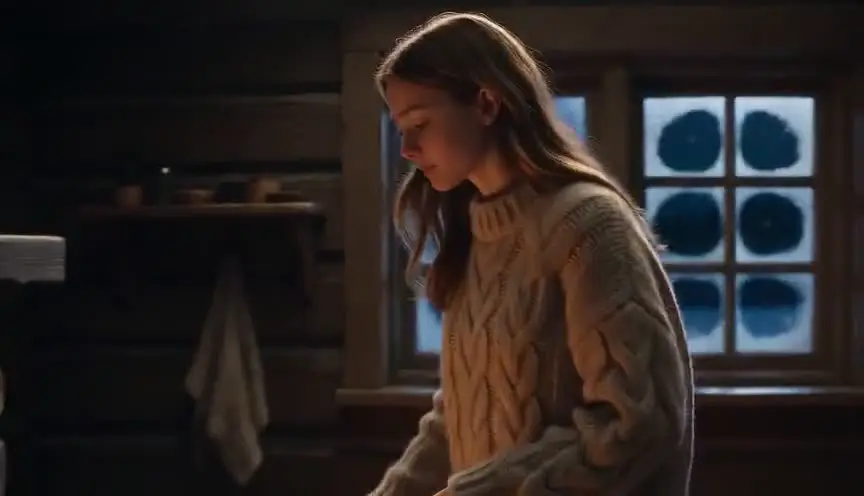
A tracking shot often becomes a long take when it runs uncut. Planning them together lets the journey build real tension, with no cut to release the pressure.
Reference
Watch it in
Paths of Glory (1957)
Kubrick walks with Colonel Dax down the length of a trench, keeping him at the same distance while the exhausted soldiers and sandbags slide by.
The Shining (1980)
The camera rolls low behind Danny on his tricycle through the empty hotel halls, the wheels switching from carpet to wood and back.
Goodfellas (1990)
Henry leads Karen through the back door, the corridors and the kitchen of the Copacabana to a table at the front, all in one sweeping move.
ScreenWeaver
Set it up in ScreenWeaver
Write the journey as one continuous passage of action in your screenplay, and ScreenWeaver breaks the scene down into shots automatically. Open the shot, set the framing to medium or full, set the angle to eye level, choose a tracking shot as the movement and give it a duration that covers the path. Characters and the location carry from shot to shot, so the street and the people in it stay consistent. Check the pacing in the AI previsualization.
Start writing for freeThe prompt behind this clip
This is the exact prompt that rendered the clip at the top of the page. Keep the description of the camera and the light, change the subject and the place.
Tracking shot: a lateral dolly move alongside a skateboarder in a concrete skate park at sunset, camera gliding on smooth tracks at the same speed as the skater, keeping her centered in frame at a constant 3 meter distance while ramps, rails and silhouetted onlookers blur past in the background. Golden light rakes across the concrete, her shadow stretching long beside the wheels. The camera holds a steady eye level height, lens locked at 35mm, no handheld shake, motion smooth and continuous for the full four seconds. No text.
Common mistakes
- 01
An empty route
A tracking shot through a dull space tires the audience. Fill the path with events, extras and details that tell us about the world or the character.
- 02
Wandering distance
If the camera drifts closer and farther from the subject, the shot feels uncertain. Rehearse a steady distance and use marks for the camera operator.
- 03
Tracking without a destination
The track should lead somewhere: a meeting, a door, a reveal. Without a goal, the journey feels like filler. Plan the end frame first.