Dutch angleWhen the world tips over
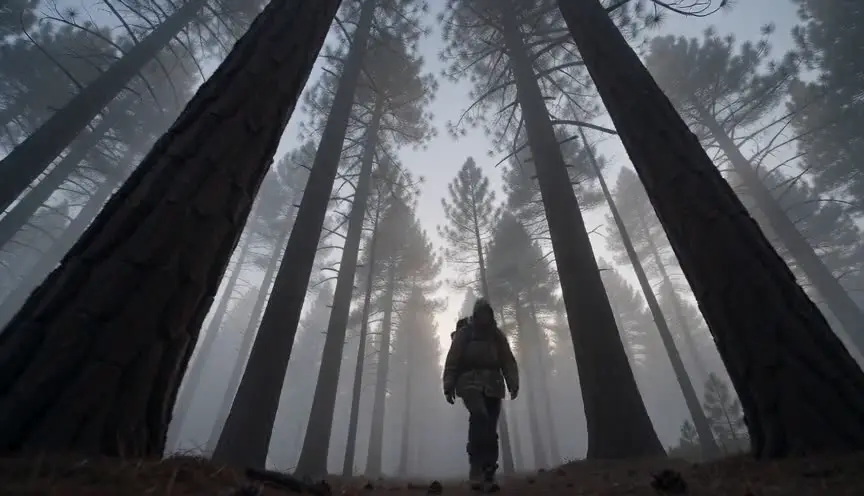
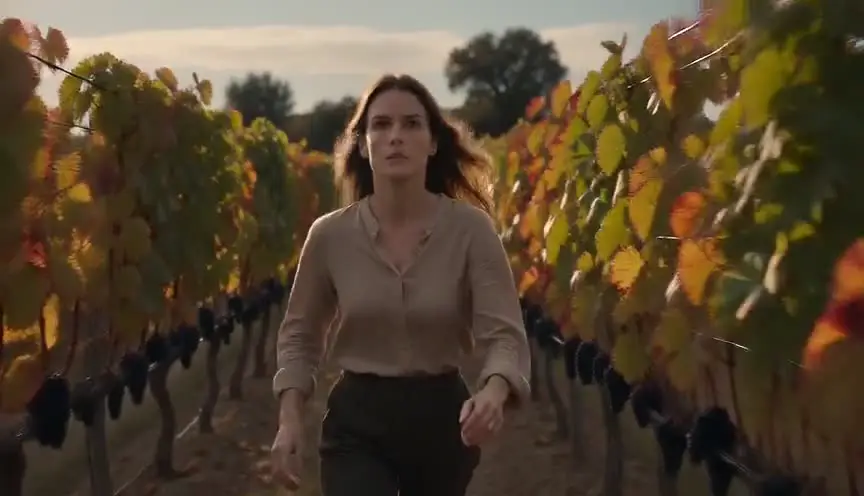
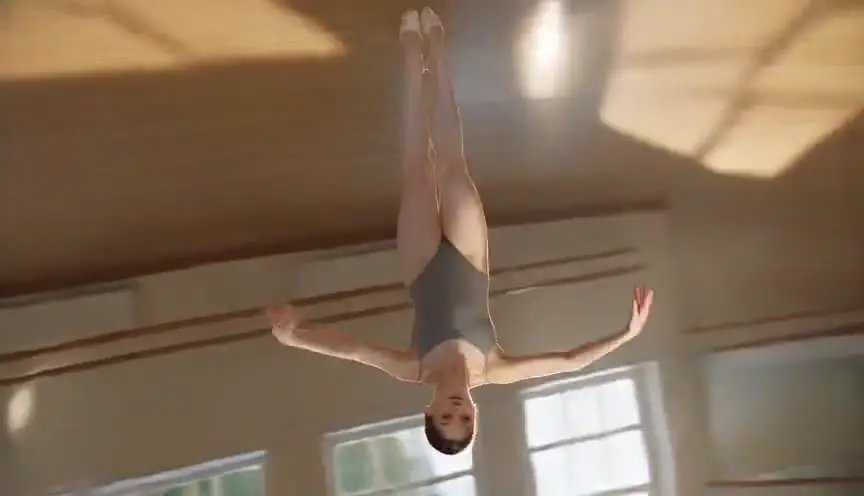
A Dutch angle rolls the camera on its axis so the horizon runs at a slant across the frame. Verticals lean, the image looks unstable, and the audience senses that something in the scene, or in a character's mind, is off balance.
Also calledCanted angleOblique angleTilted frameDutch tilt
Camera angles
Why it works on screen
The tilt is a feeling before it is an idea: unease, disorientation, madness, a moral world gone wrong. Use it when a character loses their footing, drunk, drugged, grieving or starting to suspect a lie, or when the setting itself is corrupt. It serves paranoia, panic, villainy and delirium. Comedy and comic-book stories also use it for heightened energy. A scene earns it when the imbalance is real in the story, and when you have kept the frame level long enough that the tilt feels like a break. Scattered everywhere, it turns into noise.
The shot list line
- Size
- Medium shot or medium close-up
- Angle
- Eye level, camera rolled 10 to 25 degrees
- Movement
- Static, or a slow roll that increases the tilt
- Lens
- 24mm to 35mm
- Duration
- 2 to 5 s
Decide the direction and degree of the roll per shot and keep it consistent within a beat, or the tilts will fight each other in the cut.
Screenplay
On the page
Keep the words out of a spec script. Write what makes the world feel unsteady: a character who cannot focus, a room that seems to lean, noise that swells, a detail that should not be there. That gives the director the mood without dictating the lens. If the whole film is built on tilts, it is a style choice for the director's notes, not the screenplay. Specify the degree of roll and which shots get it in the shot list.
INT. PRIVATE GAMING ROOM, MACAU CASINO - 4 A.M.
No windows. No clock. Smoke hanging under a gold ceiling.
VICTOR LAU (40s) stares at his chips. He counts them again. The number keeps changing.
The dealer smiles too long.
Victor grips the table edge, as if the floor had shifted under his chair.
VICTOR
Who opened the window?
There is no window.
Storyboard
In the storyboard
Draw the frame border straight and the world inside it tilted: horizon, door frames and walls all running at the same slant. Mark the roll with a curved arrow in a corner and write the angle, for example 15 degrees left. If the tilt grows during the shot, draw the start frame level and the end frame tilted. Note the story beat that motivates it and whether the next shot returns to level.
Pairs well with

Keep a level, locked-off shot before the tilt so the audience registers normality. The sudden slant afterward feels like the ground shifting, not like a style the film uses everywhere.

Follow a tilted wide with a level close-up on the character. The contrast shows the world gone wrong around a face that is still trying to hold together.
Reference
Watch it in
The Third Man (1949)
Carol Reed tilts shot after shot through postwar Vienna, keeping paranoia and moral decay present in every corner of Harry Lime's city.
Thor (2011)
Kenneth Branagh tilts the frame across many scenes to give Asgard a heightened comic-book energy, a choice film classes often debate.
ScreenWeaver
Set it up in ScreenWeaver
Write the moment the character's world goes unsteady, and ScreenWeaver breaks the scene down into shots automatically. Open that shot, set the framing to a medium shot or medium close-up, choose the angle and note the roll in degrees, keep the movement static or a slow roll, and give it two to five seconds. The character and the location carry from the level shots around it. Use the AI previsualization to judge whether the tilt reads as unease or as a gimmick.
Start writing for freeThe prompt behind this clip
This is the exact prompt that rendered the clip at the top of the page. Keep the description of the camera and the light, change the subject and the place.
Dutch angle, static shot of a hooded traveler standing alone in a narrow medieval stone village lane at dusk, the camera locked but rolled about 25 degrees off horizontal so the stone walls and rooflines slant sharply across the frame instead of running level. Torchlight flickers in a wall sconce, casting long unstable shadows across the cobblestones. The traveler slowly turns their head toward an alley, the tilted horizon making the empty lane feel unsteady and threatening. Camera does not pan or straighten during the shot. No text.
Common mistakes
- 01
Too little tilt
Three or four degrees looks like a leveling error, not a choice. If you tilt, commit to a clear angle that the audience reads as intentional.
- 02
Tilting everything
When every shot leans, the audience adapts and the effect vanishes. Keep most of the scene level and use the tilt where the story breaks.
- 03
Tilts that flip sides
Cutting between shots tilted in opposite directions can feel like seasickness. Plan the direction for each character or each beat and stay coherent.