Fast motionTime running faster than it should
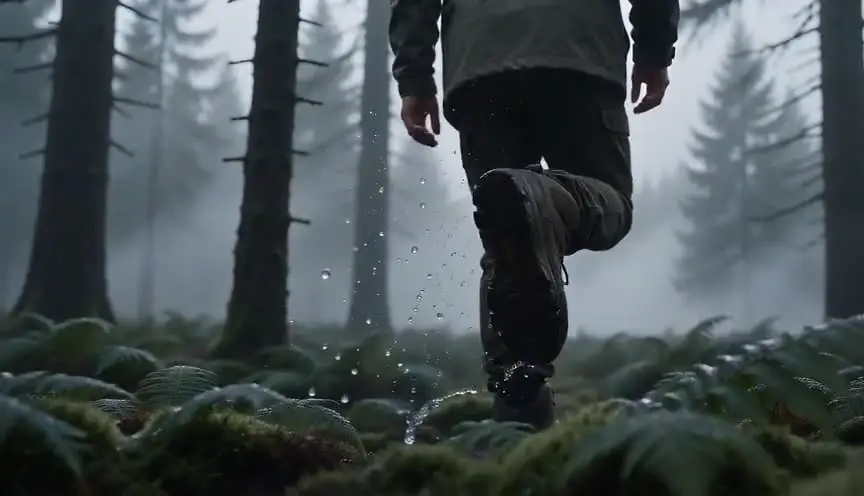
Fast motion is filmed at a lower frame rate than it is played back, so people and objects move quicker than in life. The audience laughs, feels pressure or sees time rushing past, depending on the scene.
Also calledUndercrankingSpeeded-up footageSped-up motion
Time and motion
Why it works on screen
Speeding up footage changes the meaning of any action. Ordinary gestures become comic, slapstick or mechanical. A long task collapses into seconds. A life spinning out of control looks exactly like that. Fast motion serves comedy, satire, frantic deadlines, routines that eat a character's days and the rising speed of addiction or panic. It can also strip dignity from a scene, turning something intimate into something absurd, which is a strong tonal weapon. A scene earns it when the story wants the audience to feel time as a pressure or to see human behavior from a comic distance.
The shot list line
- Size
- Medium shot to wide shot
- Angle
- Eye level or high angle
- Movement
- Static
- Lens
- 24mm to 35mm
- Duration
- 3 to 6 s on screen
Undercrank to 12 to 18 fps for comic speed with smooth motion, or shoot normally and speed up in the edit, and lock the camera so only the action accelerates.
Screenplay
On the page
Fast motion is less common in scripts than SLOW MOTION, but the convention is the same: a short line such as "IN FAST MOTION" or "SPED UP" before the action, then a clear return to normal. Use it rarely and only when the speed changes the meaning of the scene, for comedy or for a rush of time. Often a MONTAGE or SERIES OF SHOTS heading already covers passing time without naming the effect. The frame rate belongs in the shot list.
EXT. NOODLE STALL - BANGKOK - NIGHT
The dinner rush. A line of customers down the sidewalk.
PIM (20s, first night on the job) stares at the wok, the ladle, the bowls, the queue.
IN FAST MOTION
AUNTIE NOK (60s) takes over: noodles in, broth, herbs, chili, bowl out, coins in, next. Twenty bowls in a blur.
BACK TO NORMAL
She hands Pim the ladle and fans herself.
AUNTIE NOK
Like that. Now you.
Storyboard
In the storyboard
Draw one panel showing the full action space, then add several ghosted positions of the character to show many actions happening quickly. Use short speed lines and small arrows around moving objects. Write the capture frame rate and the playback rate in the corner, for example 12 fps into 24. Add a note on the on-screen duration and on how much real time the shot compresses.
Pairs well with

Fast motion compresses minutes, time-lapse compresses hours or days. Moving from one to the other lets a sequence scale up the passage of time, from a busy task to a whole season.
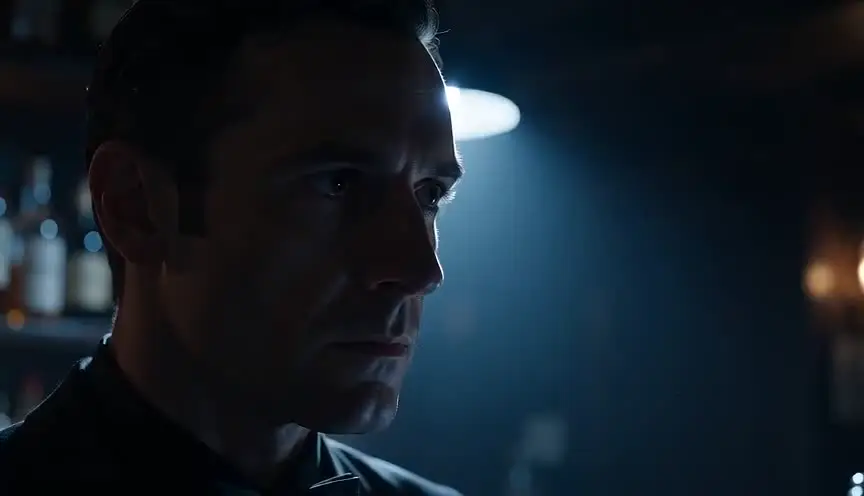
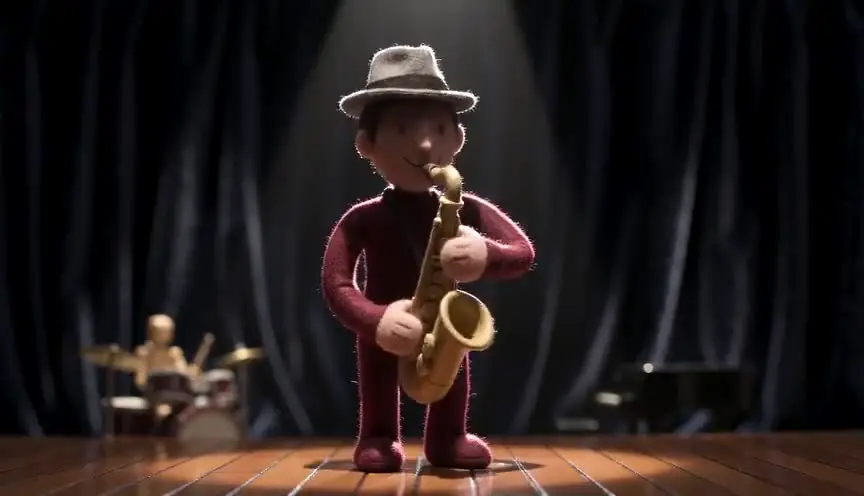
A burst of fast motion ending on a smash cut to stillness or silence is a strong comic and dramatic beat. The sudden stop makes the speed feel even more absurd or frantic.
Reference
Watch it in
A Clockwork Orange (1971)
Kubrick accelerates a sex scene until it becomes grotesque and comic, using fast motion to change the tone rather than to move the plot.
Run Lola Run (1998)
Tom Tykwer cuts bursts of sped-up footage into real-time sprinting, pushing the countdown energy of Lola's race across Berlin.
Requiem for a Dream (2000)
Darren Aronofsky puts accelerated footage of home and street inside his montages, showing addiction speeding up beyond anyone's control.
ScreenWeaver
Set it up in ScreenWeaver
Mark the sped-up action in your screenplay, and ScreenWeaver breaks the scene down into shots automatically, keeping that moment as its own shot. Open it, set the framing, angle and movement, and give it the short on-screen duration you want, with a fast motion note and the capture rate. Characters and locations carry from shot to shot, so the rush matches the scene around it, and the AI previsualization lets you judge the comic timing.
Start writing for freeThe prompt behind this clip
This is the exact prompt that rendered the clip at the top of the page. Keep the description of the camera and the light, change the subject and the place.
Fast motion sequence in a 1930s hotel lobby with marble floors, brass elevator doors and potted palms. The camera stays locked on a wide static shot as bellhops in pressed uniforms dart between guests, spin luggage carts and flip through registration books at roughly four times normal speed, their footsteps a blur while the chandelier above hangs perfectly still. Guests check in and vanish through revolving doors in rapid bursts, motion trailing at the edges, the whole scene compressed into one unbroken, accelerated take. No text.
Common mistakes
- 01
Unwanted comedy
Fast motion almost always makes people look funny. In a serious scene, that can destroy the tone. Test it with an audience before relying on it.
- 02
Moving camera
A handheld camera sped up turns into a jittery mess. Lock the camera, or use a very smooth move, so the acceleration stays in the action.
- 03
No clear return
If the speed goes back to normal without a cut or a beat, the audience feels a glitch. Give the change a clear punctuation.