Found footageThe camera is in the story
Found footage presents a film as recordings made by the characters themselves, discovered after the events. The audience sees only what those cameras caught, so every gap, glitch and blind corner feels like real evidence.
Also calledFaux documentary footageCamcorder POVRecovered footage
Genre looks
Why it works on screen
Found footage turns the camera into a character with a limited view. Someone holds it, and their fear, curiosity or stubbornness decides what we see. It serves horror, disaster, mystery and intimate drama, because the audience believes they are watching something that really happened. A story earns this form when the act of recording matters: a character who films obsessively, a disaster no one can look away from, an investigation meant to become proof. The key question is always why they keep filming. When the answer is strong, the audience accepts shaky images and missing moments, and imagines the worst in the frame edges.
The shot list line
- Size
- Variable, framed by the character holding the camera
- Angle
- Character's eye level or chest height
- Movement
- Handheld, reactive, sometimes dropped or left recording
- Lens
- Consumer camera or phone field of view, wide and deep
- Duration
- Long, unbroken takes interrupted by cuts in the recording
Decide who holds the camera in each shot and let their fear or curiosity drive the framing, including what they miss.
Screenplay
On the page
In found footage, the camera is part of the action, so the screenplay must say who is holding it and when. Write it as behavior: she lifts her phone, he props the camera on a shelf, the recording cuts. You can mark the footage source in a scene heading or a note, such as a timestamp or a device. Avoid dictating lens or framing. The director decides how the cameras move, but the script must justify every recording.
INT. CONDO UNIT 14B - QUEZON CITY - NIGHT
PHONE FOOTAGE. Timestamp 02:13. Typhoon wind hammers the windows.
The screen jerks toward JOSHUA DELA CRUZ (15, school hoodie), lit by his own flashlight.
JOSHUA
Power's out on the whole floor. Lola's door is locked from the inside.
He turns the phone to the hallway. The flashlight finds the door. It is open now.
The image freezes, glitches, and the recording ends.
Storyboard
In the storyboard
Frame each panel with a camera interface: a timestamp, a recording dot, a battery icon. Write who holds the device in the margin. Draw imperfect frames, tilted, cut off or partly obscured by a hand. Use arrows for sudden swings. Mark cuts in the recording as a black panel or a glitch symbol. Note what the camera fails to show, since that absence is part of the scare.
Pairs well with
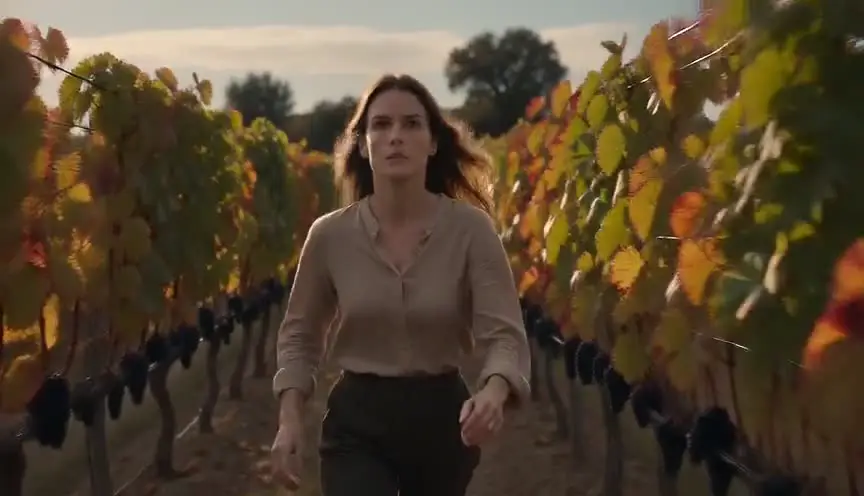
Handheld movement is the texture of the form. It makes the image feel held by a person, which is what gives found footage its sense of truth and panic.
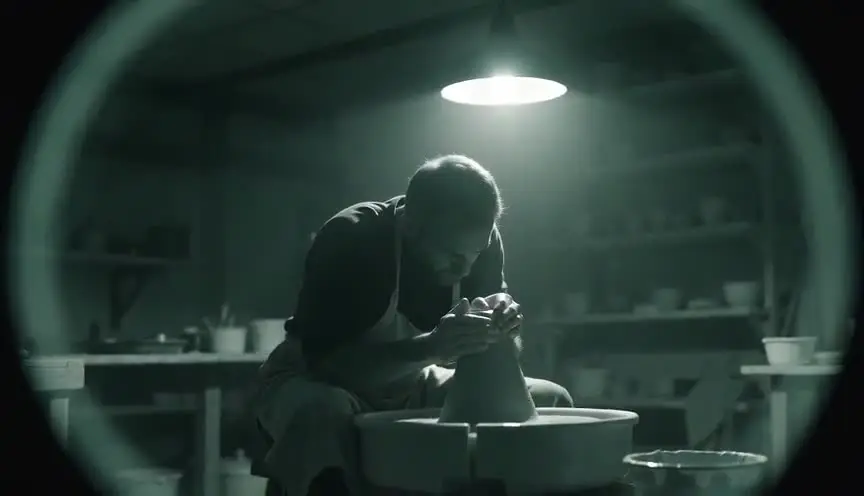
When the lights go out, a camera's night mode keeps recording in green or gray. It limits what the audience sees and adds a clinical, eerie quality to the scare.
Reference
Watch it in
The Blair Witch Project (1999)
The whole horror premise rests on amateur camcorder tapes said to be found after three young filmmakers disappeared in the forest.
Cloverfield (2008)
One consumer camera, carried by a character through a monster attack, keeps the catastrophe close, messy and unplanned.
Paranormal Activity (2007)
A fixed camcorder in a bedroom and handheld shots by the couple make supernatural events feel like evidence caught by chance.
ScreenWeaver
Set it up in ScreenWeaver
Write who holds the camera and when the recording starts and stops, and ScreenWeaver breaks the scene down into shots automatically. Open each shot and set the framing from the camera holder's point of view, the angle at their eye or chest level, handheld movement and long durations. Note the device in each shot's description. Characters and locations carry from shot to shot, and the AI previsualization lets you check that the story stays readable through a limited, shaky view.
Start writing for freeThe prompt behind this clip
This is the exact prompt that rendered the clip at the top of the page. Keep the description of the camera and the light, change the subject and the place.
Found footage style, shot on a handheld camcorder carried at chest height by a villager fleeing through a narrow medieval stone alley at dusk. The frame shakes with every footstep, tilts off-axis, and briefly clips to overexposed sky before swinging back down to stone walls and a wooden door. Focus hunts for a second before settling, image grain is heavy, and a faint corner timestamp flickers. Light comes only from a torch bracket on the wall and fading daylight, no added rig lighting. The camera never stabilizes, motion blur streaks on fast turns. No text.
Common mistakes
- 01
No reason to keep filming
If characters keep recording while running for their lives without motivation, the audience stops believing. Give each recording a reason: evidence, habit, a promise, a fixed camera.
- 02
Footage that is too perfect
Clean framing, perfect focus and ideal coverage betray the form. Let characters miss moments, lose focus and film at bad angles.
- 03
Unclear geography
Shaky images can make the audience lost for the wrong reasons. Establish the space early in calm footage, so later chaos is scary, not confusing.