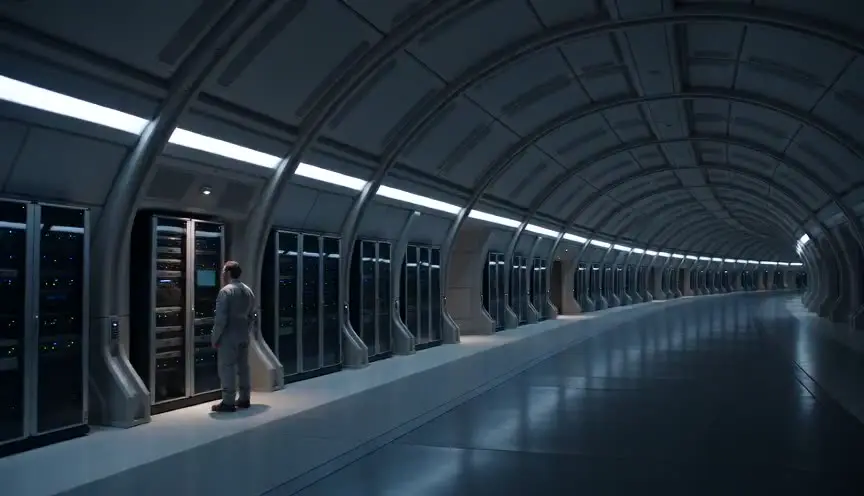
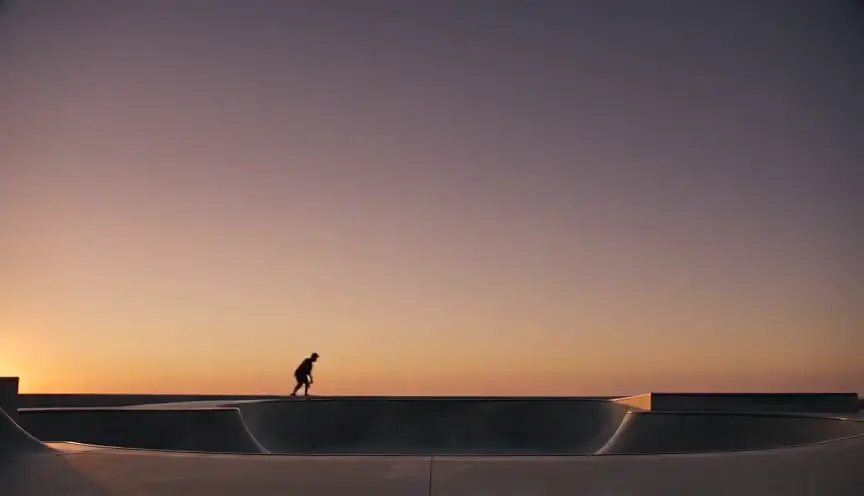
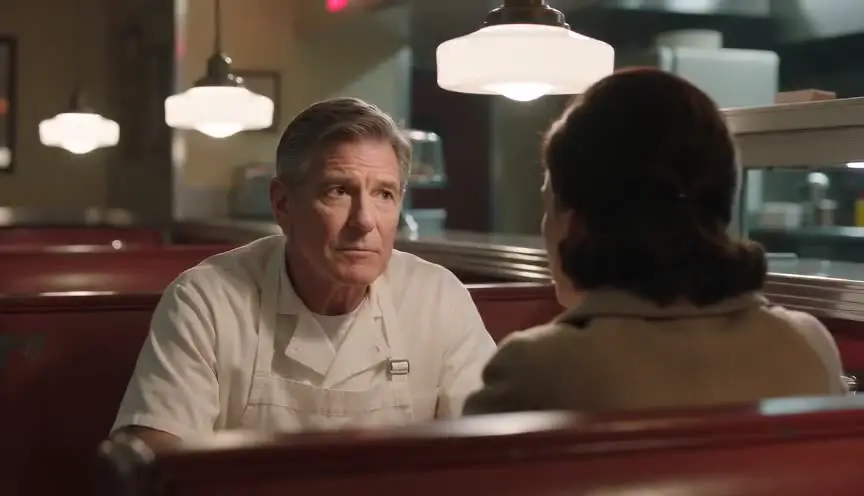
Short sidingNowhere for the gaze to go
Short siding frames a character looking toward the nearest edge of the frame, with the empty space behind their head instead of in front of their face. The audience feels the character's world closing in, and the empty space behind them starts to feel threatening.
Also calledShooting shortShort-sided framingLooking into the frame edge
Composition
Why it works on screen
Where lead room says a character has somewhere to go, short siding says they do not. It serves interrogations, breakdowns, loss of power, paranoia and moments when someone is cornered by a person or an idea. The empty space behind the head also suggests something unseen: a past, a threat, a listener. A scene earns short siding when the character's control slips, when they are pushed by the other person in the conversation, or when the audience should feel that the frame itself is pressing on them. Used against normal coverage, it signals trouble without a word.
The shot list line
- Size
- Medium close-up
- Angle
- Eye level
- Movement
- Static
- Lens
- 50mm to 75mm
- Duration
- 3 to 6 s
Place the face close to the edge it looks toward and leave the larger empty area behind the head; match the opposite character with normal lead room.
Screenplay
On the page
Short siding is a camera choice, so do not write it. Put the pressure in the scene instead: a character backed toward a wall, answering questions they cannot dodge, being watched from behind, losing an argument they started. When the page makes a character cornered, the director has the reason to frame them short. Keep the technique in the shot list, where it can be planned as a contrast with the rest of the coverage.
INT. POLICE STATION - INTERVIEW ROOM - JOHANNESBURG - NIGHT
A table bolted to the floor. A humming fluorescent tube.
SIPHO DLAMINI (30s, security guard's uniform) sits with his back to the only window. He keeps looking at the door.
DETECTIVE ANNELIE BOTHA (50s) turns a photo toward him and waits.
SIPHO
I was on the gate all night.
ANNELIE
The gate camera says otherwise.
He looks at the door again.
Storyboard
In the storyboard
Draw the face near one side of the panel, turned toward that same edge, and leave the open area behind the head. Add a short eyeline arrow that nearly hits the frame line. Hatch or label the space behind the character, for example empty wall or window. Draw the reverse panel next to it with normal lead room, so the contrast is visible. Note the lens, the eye level and which line of dialogue the short framing lands on.
Pairs well with
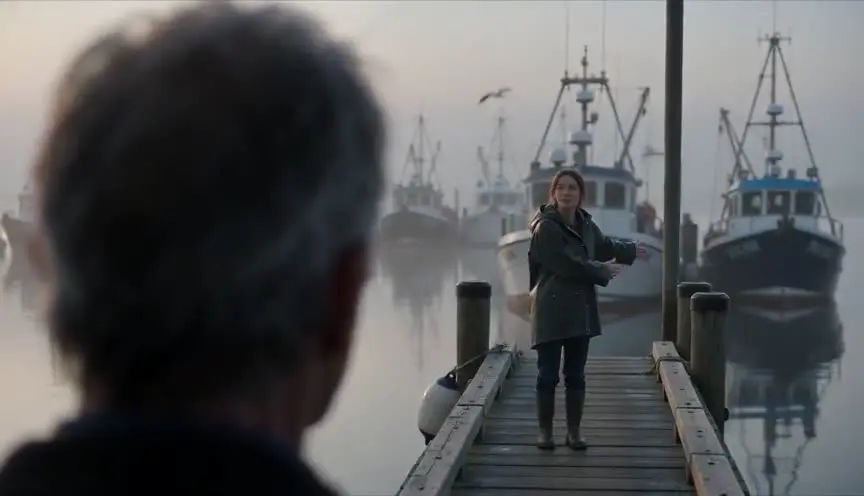
Cover the dominant character in a comfortable over-the-shoulder with lead room, and the pressured one short-sided. The two framings show the imbalance of power in the dialogue.
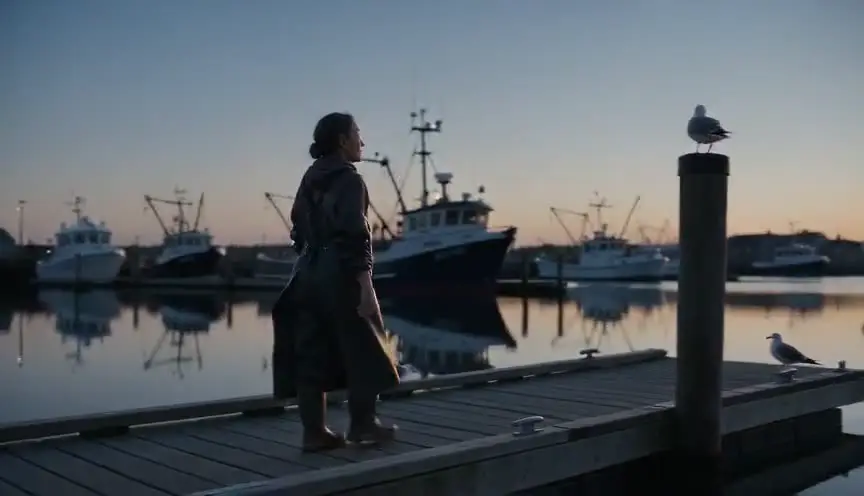
Start the scene with normal lead room on a character, then shift to short siding as they lose ground. The audience feels the walls close in without noticing why.
Reference
Watch it in
Breaking Bad (2008)
The show's camera teams often push characters' gazes toward the frame edge in tense confrontations, when they are losing control of a situation.
The King's Speech (2010)
Tom Hooper and Danny Cohen keep framing Bertie short in sessions and palace rooms, so formal spaces seem to squeeze and oppress him.
ScreenWeaver
Set it up in ScreenWeaver
Write the pressure into the scene, a cornered character or a relentless question, and ScreenWeaver breaks it down into shots automatically. Open the pressured character's single, set a medium close-up at eye level, static, with a duration that fits the line. In the storyboard frame, place the face against the edge it looks toward. The characters and location carry into the reverse, where you keep normal lead room, and the AI previsualization shows the contrast between the two.
Start writing for freeThe prompt behind this clip
This is the exact prompt that rendered the clip at the top of the page. Keep the description of the camera and the light, change the subject and the place.
Short siding composition inside a dim recording studio behind a glass control room window. A sound engineer sits at a mixing console, framed tight against the left edge of the shot while facing left toward that same edge, only a narrow sliver of console and glass visible on that side, while empty studio space and a silhouetted vocal booth fill most of the frame behind him on the right. Camera is locked off on a tripod, static, normal 40mm perspective, soft overhead practicals and console LEDs providing the only light. No text.
Common mistakes
- 01
Short siding everyone
If every character is framed short, the tension becomes a style and loses its meaning. It works as a contrast with conventional coverage.
- 02
Mistaken for an error
A slight short siding looks like careless operating. Commit to it: push the face clearly toward the edge so the choice reads as deliberate.
- 03
Confusing eyelines
In dialogue, short framing can make it seem the characters are not looking at each other. Keep eyeline direction correct even when the space is on the wrong side.