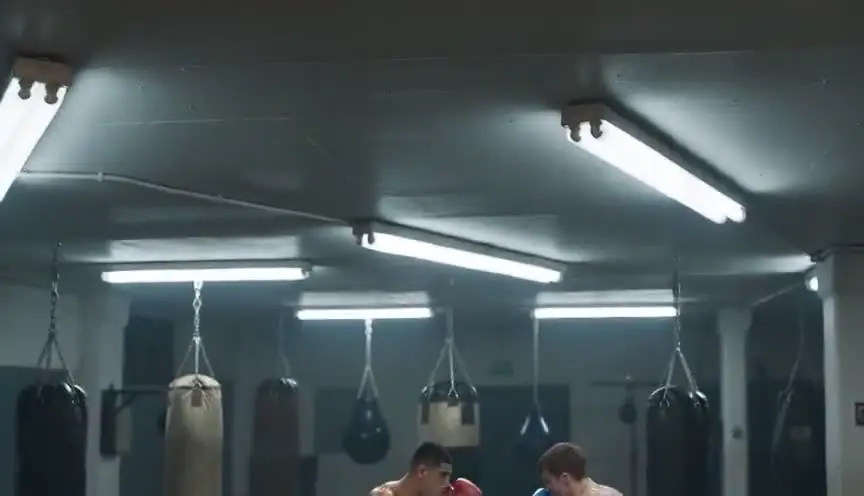
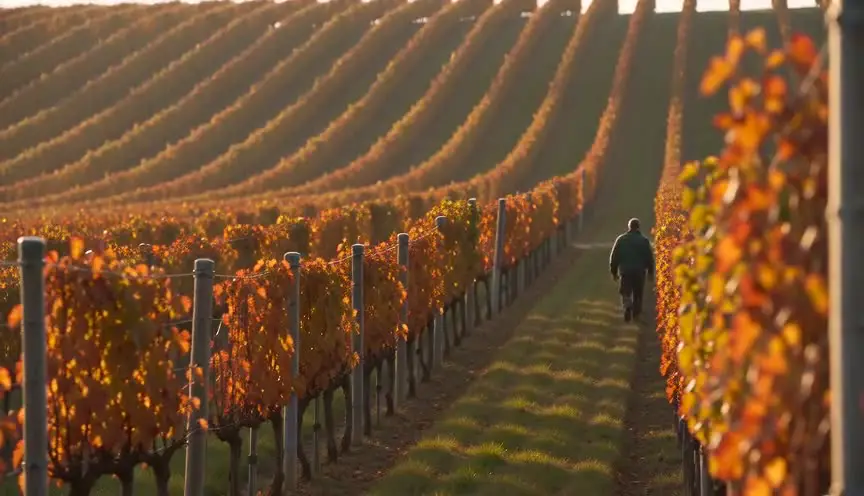
Low angle shotGive a character the upper hand
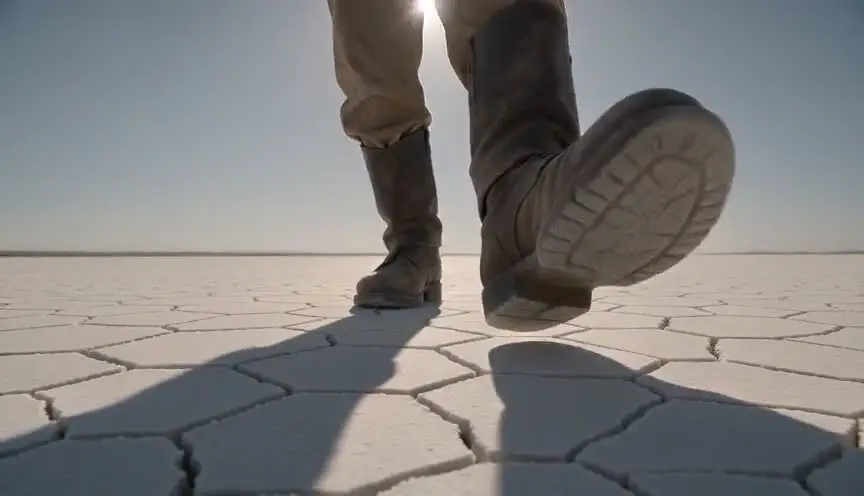
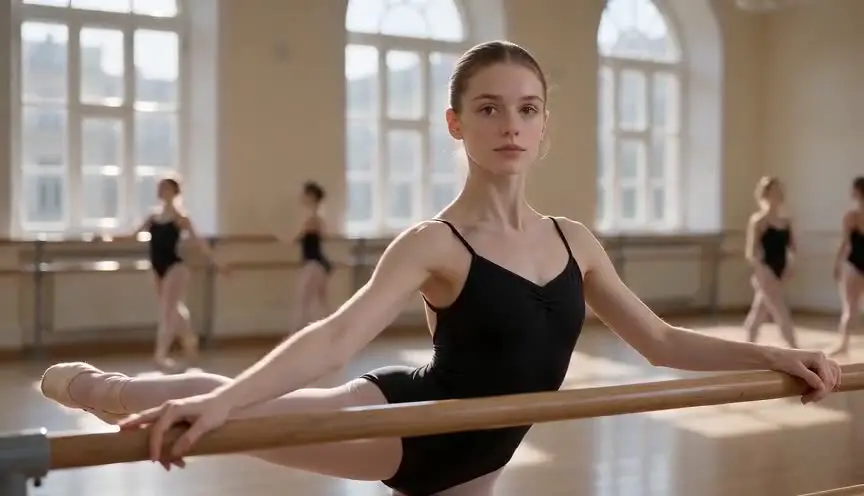
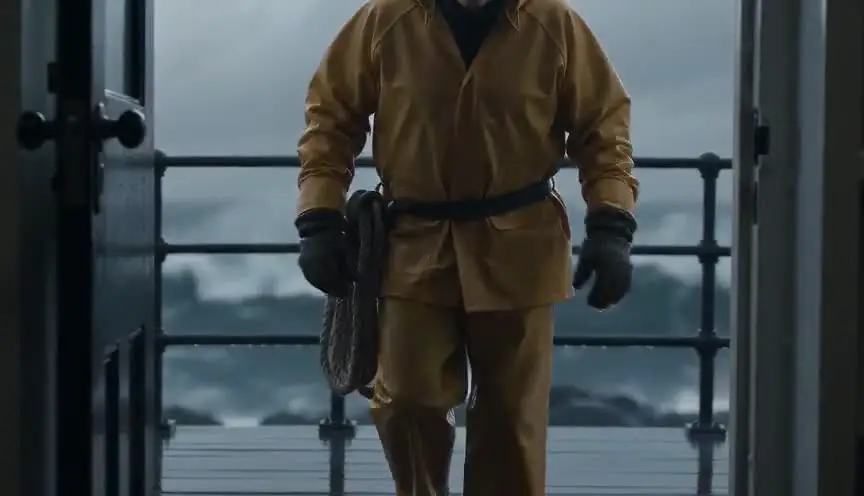
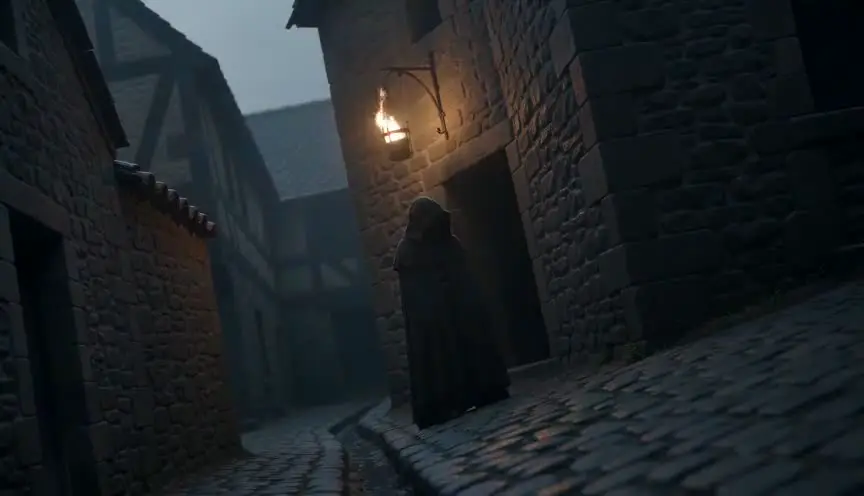
A low angle shot places the camera below the subject's eyes and tilts it up. The character grows taller and heavier in the frame, and the audience feels the pull of their power, whether it inspires or threatens.
Also calledLow angleUpshotHero angle
Camera angles
Why it works on screen
Looking up at someone is how children see adults, and the angle keeps that feeling of scale. Use it when a character takes control: the moment they stand up to a bully, step onto a podium or reveal who they really are. It serves authority, menace, heroism and awe. It can also turn against a character, since a tyrant shot from below looks swollen with self-importance. A scene earns it when the balance of power moves and the story needs the audience to feel it in their stomach, not just understand it. Used on a character who was small, it marks the turn.
The shot list line
- Size
- Medium shot to full shot
- Angle
- Low angle, camera below the chest, tilted up
- Movement
- Static, or a slow push in
- Lens
- 24mm to 35mm
- Duration
- 3 to 6 s
Place the lens around waist height or lower and tilt up until the ceiling or sky enters the frame behind the head.
Screenplay
On the page
The angle itself stays out of a spec script. Write the physical situation that makes it natural: someone rises to their feet over a seated group, climbs onto a truck bed, looms in a doorway above a staircase. A reader sees the height difference and a director will find the angle. If the power shift is the whole point of the scene, one line about how others have to look up is enough. Leave the camera height and the tilt to the shot list.
EXT. COPPER MINE, ATACAMA DESERT - DAWN
A hundred miners in orange vests, breath steaming in the cold.
The shift boss is late. Nobody moves.
ROSA HUANCA (30s), the only woman in the crew, climbs onto the step of a haul truck. The others have to raise their heads to see her.
She pulls off her helmet.
ROSA
There is no shift today. Not until they fix the ventilation.
Storyboard
In the storyboard
Draw the figure with converging verticals, wider at the base and narrowing toward the head, and put the ceiling or sky behind them. Keep the horizon low or out of frame. In a corner, add a side-view sketch: camera low, a dotted line angled up to the eyes, with the lens height noted. If the shot pushes in, draw the push arrow and a smaller end frame. Note the beat, the moment the character takes power.
Pairs well with
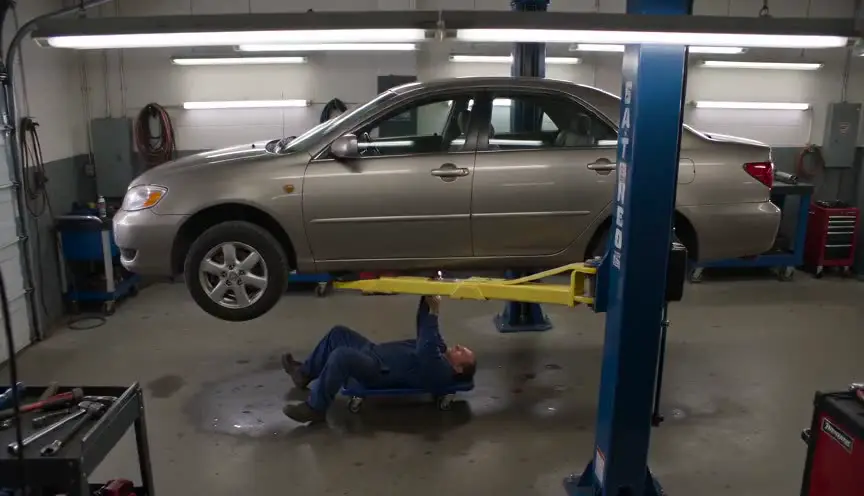
Answer the low angle on the dominant character with a high angle on the one they dominate. The two opposite angles, cut back to back, make the power gap visible in every exchange.
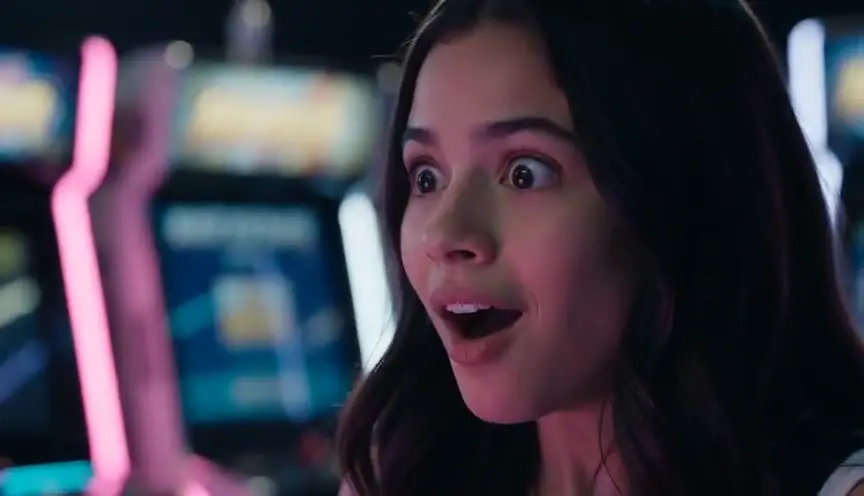
After the character rises into a low angle, cut to the faces looking up at them. The reactions tell us whether the new power inspires or frightens the people around them.
Reference
Watch it in
Citizen Kane (1941)
Orson Welles keeps looking up at Kane, above all at the political rally, so he seems beyond reach and larger than life.
Jurassic Park (1993)
Spielberg shoots the Tyrannosaurus from below, stretching its height and menace as it towers over the people in its path.
ScreenWeaver
Set it up in ScreenWeaver
Write the moment the character rises, and ScreenWeaver breaks the scene down into shots automatically. Open that shot and set the framing to a medium or full shot, the angle to low looking up, the movement static or a slow push in, and a duration of three to six seconds. The character and the location carry from shot to shot, so the setting behind them stays consistent. Check in the AI previsualization how the low angle plays against the shots before and after it.
Start writing for freeThe prompt behind this clip
This is the exact prompt that rendered the clip at the top of the page. Keep the description of the camera and the light, change the subject and the place.
Low angle shot in a misty pine forest at dawn: the camera sits near the ground, lens tilted sharply upward, as a lone hiker in a weathered jacket walks past camera between towering pine trunks that converge toward a pale grey sky. The horizon stays low in the frame, fog drifts between the trees, and the trunks appear to lean inward and upward as the hiker's boots pass close to the lens. Soft diffused daylight filters down through the canopy. The camera itself does not move; only the hiker and the drifting mist move through the frame. No text.
Common mistakes
- 01
Unflattering distortion
A very wide lens very close under the chin enlarges nostrils and jaw. That can suit a villain, not a hero. Step back, use a slightly longer lens and keep the tilt moderate.
- 02
Empty ceiling problems
Low angles show ceilings, and many sets do not have one. Scout the space, or plan a practical ceiling and lights that can live in the frame.
- 03
Everything from below
A whole film of low angles loses the effect. Keep the angle for the moments when power shifts, so each one feels like an event.