Tableau shotA whole scene in one picture
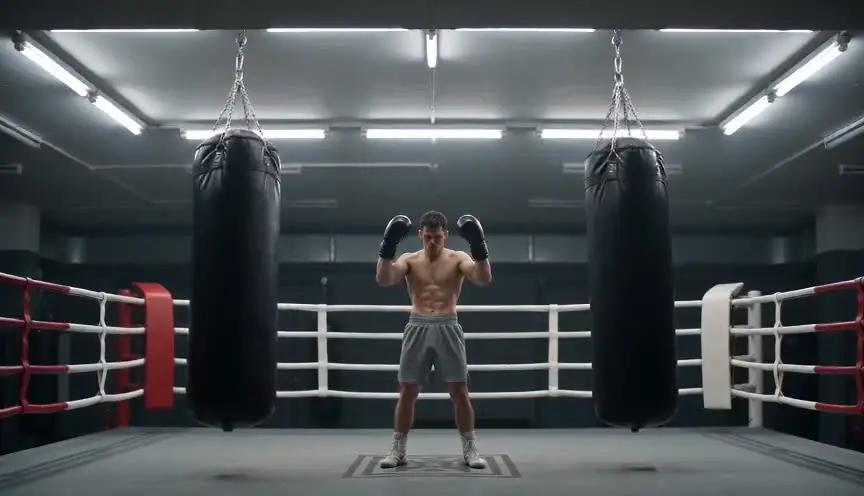
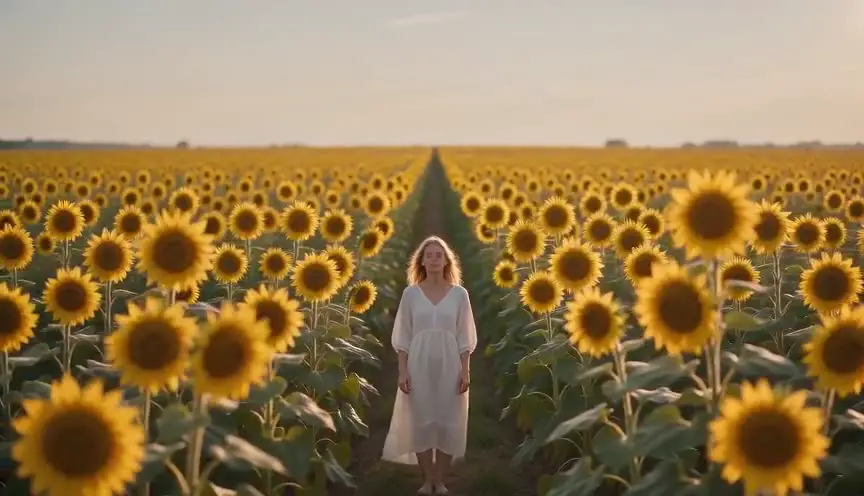
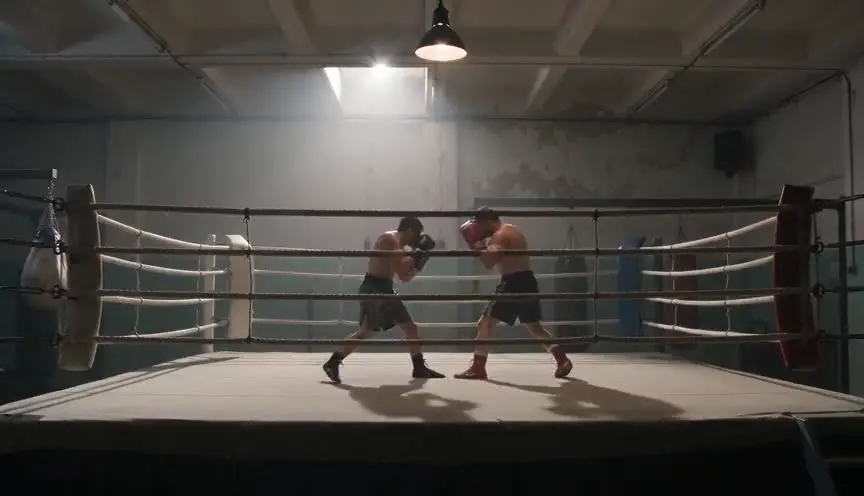
A tableau shot is a static, usually frontal wide shot where the whole scene is staged inside one carefully composed frame, like a painting or a theater stage. The audience watches everything at once, and the characters seem arranged by fate or by the world they live in.
Also calledTableau compositionFrontal tableauPainterly staging
Composition
Why it works on screen
The tableau refuses the usual close-ups and cuts, so the audience must find the story inside the picture. That distance creates irony, comedy and melancholy. A family posing for a photo while one member quietly falls apart, office workers going through the same gestures, a village waiting for a bus that will not come. Use it for deadpan humor, social satire, ensemble scenes and moments when the setting matters more than any single face. A scene earns a tableau when the arrangement of people says more than their words.
The shot list line
- Size
- Wide shot
- Angle
- Eye level, frontal
- Movement
- Static
- Lens
- 32mm to 50mm
- Duration
- 8 to 20 s
Lock off the camera square to the set and stage every actor inside the frame as a picture; all action happens within this single composition.
Screenplay
On the page
Tableau staging comes through in how you write a scene as a whole picture: everyone's position, what each is doing, and a small event that disturbs it. Write it in the present tense, calm and exact, almost like a stage direction. Avoid camera words; let the stillness come from the writing. If your whole film is built on tableaux, say so in a director's statement or a look book, not in every scene. The frame and the lens belong in the shot list.
INT. PORTRAIT STUDIO - MALMÖ - DAY
A painted backdrop of a birch forest. Three generations of the LINDQVIST family arranged on two benches in their best clothes.
Grandmother BIRGIT (80s) in the center, holding a framed photo of her late husband.
The PHOTOGRAPHER (30s) counts down from three.
At one, the youngest son, OSKAR (40s), quietly stands up and walks out of the picture.
No one else moves.
BIRGIT
Take it anyway.
Storyboard
In the storyboard
Draw the frame as a stage: the back wall parallel to the panel edge, floor line level, and every character placed in a clear position. Number the characters and add a short note next to each with their action. Mark any movement within the tableau with dotted arrows and a time code. Write static, locked off and the duration in large letters. If the tableau changes, draw a second panel with the new arrangement, same framing.
Pairs well with
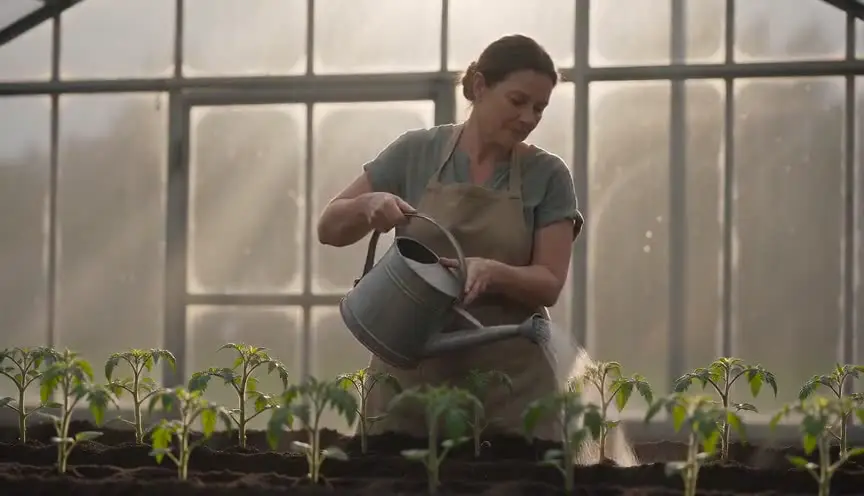
A tableau is by nature a static shot. Pair it with other locked-off frames in the sequence so the stillness feels like a deliberate world, not a lack of coverage.
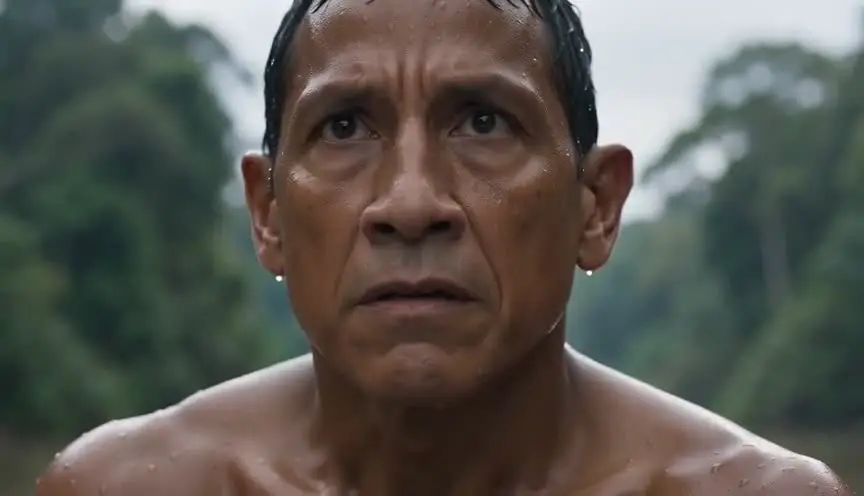
After a long tableau, one sudden close-up lands with enormous force. Use it once, on the character who breaks the arrangement, to bring the audience inside the picture.
Reference
Watch it in
The Grand Budapest Hotel (2014)
Wes Anderson often locks the camera on frontal, balanced setups, arranging the hotel staff and guests like figures in a diorama.
Playtime (1967)
Jacques Tati films modern Paris in wide, still compositions where tiny people move among glass and steel buildings.
A Pigeon Sat on a Branch Reflecting on Existence (2014)
Roy Andersson builds the entire film from still, pale scenes, each played in one fixed shot without any camera move.
ScreenWeaver
Set it up in ScreenWeaver
Write the whole arrangement of people and the small event that disturbs it, and ScreenWeaver breaks the scene down into shots automatically. Open the shot, set a wide framing at eye level, frontal, with a static movement and a long duration, often much longer than your other shots. Place every character in the storyboard frame. Characters and locations carry from shot to shot, so the ensemble stays consistent. The AI previsualization lets you check the timing of the movement inside the picture.
Start writing for freeThe prompt behind this clip
This is the exact prompt that rendered the clip at the top of the page. Keep the description of the camera and the light, change the subject and the place.
Tableau shot of a rooftop basketball court at dusk, camera locked off in a wide, frontal composition. Four adults in loose sportswear are posed at fixed spots on the concrete: one balances a basketball on a fingertip near the hoop, two stand mid conversation at center court, and one leans against the chain-link fence at frame edge. The city skyline lines up symmetrically behind them under even, flat evening light. Nobody walks toward or away from the camera; only small, contained gestures happen within each pose, holding the whole scene like a painting for four seconds. No text.
Common mistakes
- 01
A tableau without an event
A still picture with nothing happening becomes a postcard. Plan a small action, a gesture or a sound that disturbs the arrangement and gives the audience something to discover.
- 02
Actors blocking each other
In a frontal staging, people easily hide behind one another. Stage in depth and at different heights, and check each face from the lens.
- 03
Cutting it short
The tableau needs time for the eye to explore. Cutting after four seconds wastes the staging. Protect the duration in the edit.