HeadroomHow much sky above a face
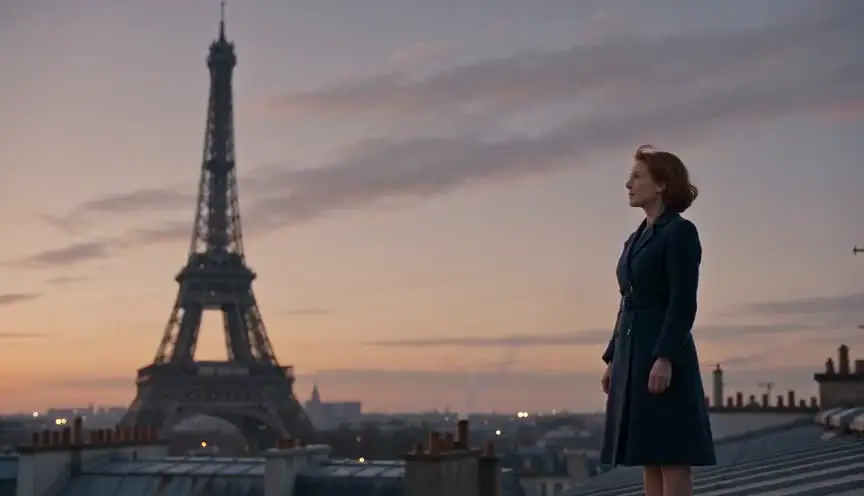
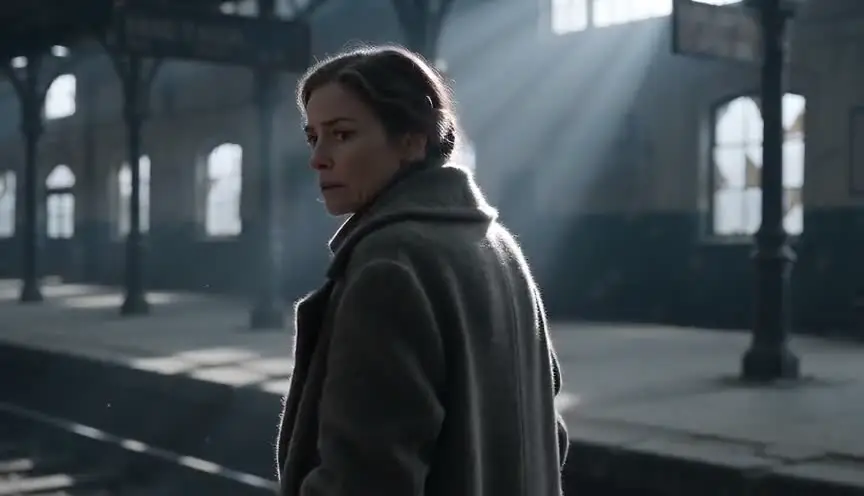
Headroom is the space between the top of a subject's head and the top edge of the frame. Too little crowds a character, too much shrinks them, and the right amount lets the audience read the face without noticing the frame at all.
Also calledHead roomSpace above the head
Composition
Why it works on screen
Headroom is usually invisible, and that is its first job: correct headroom lets the audience forget the camera. But it can also tell a story. Generous headroom, with ceiling or sky above, makes a person small under a weight they cannot lift: an institution, a debt, a God. Tight headroom, with the forehead cut, pushes the face onto the viewer for intimacy or pressure. Use deliberate changes in headroom for moments when a character is dominated, trapped, cornered or suddenly close to us. A scene earns it when the space above a character carries meaning.
The shot list line
- Size
- Medium close-up
- Angle
- Eye level or slightly high
- Movement
- Static
- Lens
- 35mm to 50mm
- Duration
- 4 to 6 s
Decide headroom as a deliberate choice for the beat, crowded or generous, and keep it consistent across the singles in the same scene.
Screenplay
On the page
Headroom is a camera decision and never belongs in a spec script. You can, however, write what hangs above a character: a low attic beam, a vaulted cathedral ceiling, a vast sky. Those details tell a director whether the character is crushed or dwarfed. Keep the description short and factual. The exact headroom, and any choice to cut the top of the head, belong to the shot list and the storyboard.
INT. ATTIC ROOM - KRAKÓW - NIGHT
A slanted roof so low that no one can stand straight except in the middle.
KAROLINA WÓJCIK (16) sits on a mattress under the lowest beam, knees to her chin, revising for an exam.
Below, through the floor, her parents argue in muffled voices.
She puts her headphones on. The beam is an inch from her hair.
She doesn't move.
Storyboard
In the storyboard
Draw the frame line clearly and mark the top of the subject's head with a short horizontal tick. Label the distance to the top edge as tight, normal or generous, or give it as a fraction of the frame height. Sketch what fills that space, a beam, a ceiling, sky. If the headroom changes during the shot, draw a start and end frame. Note the eye line position, since eyes near the upper third usually anchor correct headroom.
Pairs well with
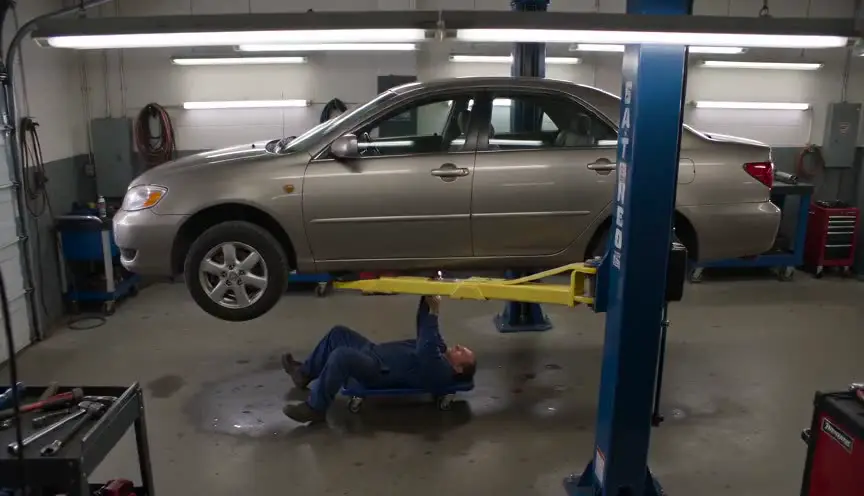
A high angle with generous headroom makes a character look small and pressed down. Use them together when the story wants the audience to feel a weight above someone.

Moving from correct headroom to an extreme close-up that cuts the forehead marks a shift from observation to intimacy or pressure.
Reference
Watch it in
Citizen Kane (1941)
Gregg Toland's low angles show real ceilings, which leaves unusual space above the characters and makes rooms feel huge and heavy.
The Shining (1980)
Kubrick's even, generous space above people in the hotel's corridors and halls makes them seem small and alone in the building.
ScreenWeaver
Set it up in ScreenWeaver
Describe what lies above your character, a ceiling, a beam or a sky, and ScreenWeaver breaks the scene down into shots automatically. Open the shot, set the framing to a medium close-up at eye level or slightly high, static, with a duration that fits the beat. In the storyboard frame, set the space above the head on purpose. Characters and locations carry from shot to shot, which helps keep headroom consistent, and the AI previsualization lets you check the effect.
Start writing for freeThe prompt behind this clip
This is the exact prompt that rendered the clip at the top of the page. Keep the description of the camera and the light, change the subject and the place.
Headroom shot in a neon arcade at night: a static medium close-up on a woman in her thirties leaning over a pinball machine, magenta and cyan neon light washing across her face. The camera is locked off, framed so only a thin sliver of space sits above her head, the top of the arcade cabinet's marquee lights barely visible at the very edge of frame. She stays focused on the game, glancing up once as the machine's lights flicker, her posture and the tight framing making the space feel small and pressing. No camera movement, no cuts. No text.
Common mistakes
- 01
Headroom by accident
Loose headroom in one single and tight in the reverse makes the two characters feel mismatched. Unless you want that contrast, match the space above both faces.
- 02
Eyes too low in the frame
With too much headroom in a close-up, the eyes sink toward the center and the face looks lost. Keep the eyes near the upper third unless isolation is the point.
- 03
Ignoring the delivery format
A frame cropped for vertical or a different aspect ratio can cut heads that were fine on set. Check the headroom for every format you deliver.