German expressionismSets and shadows that show the mind
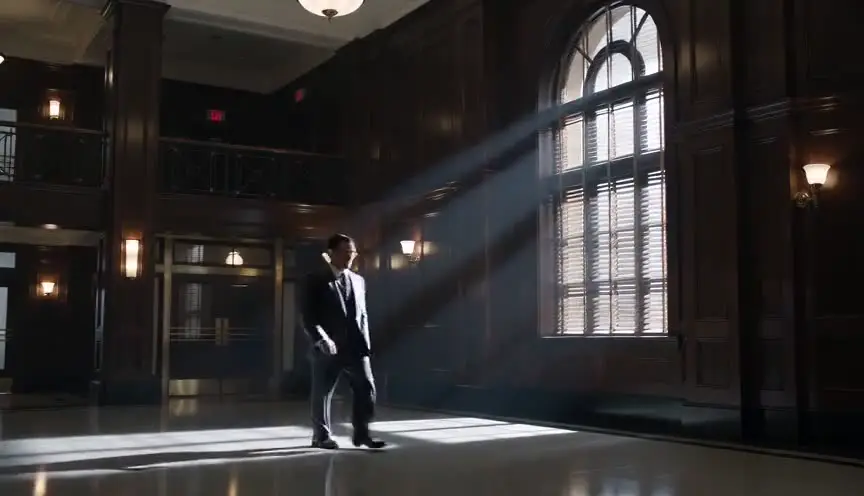
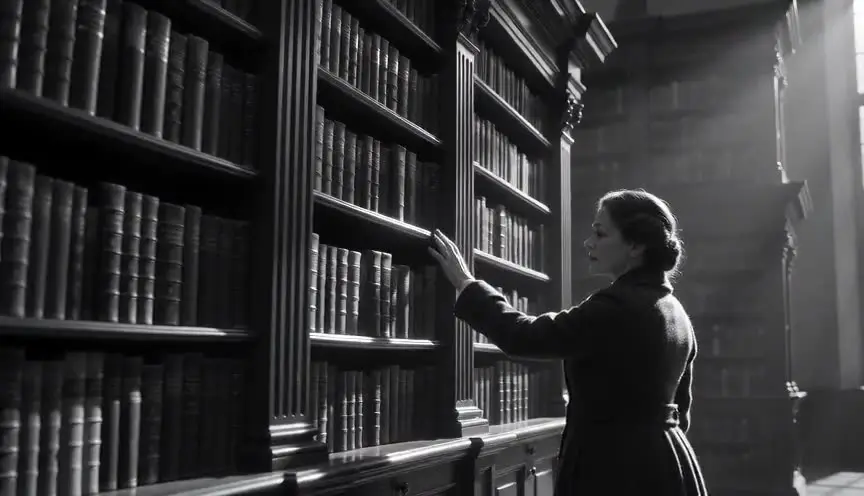
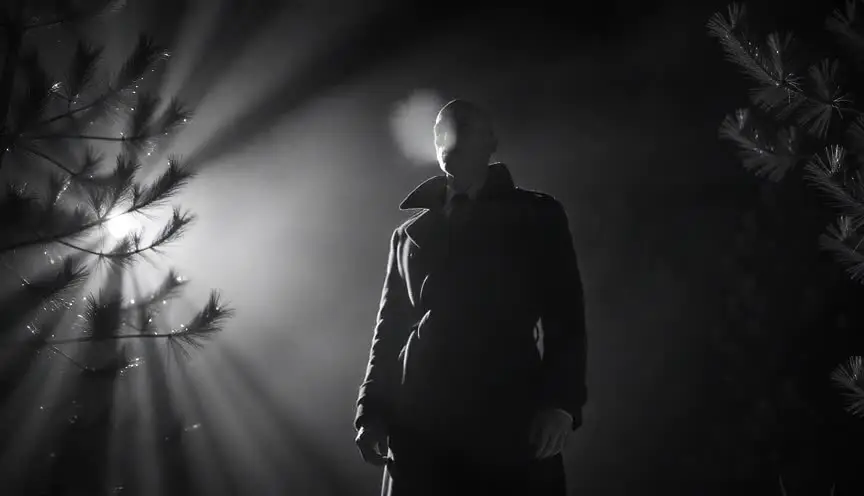
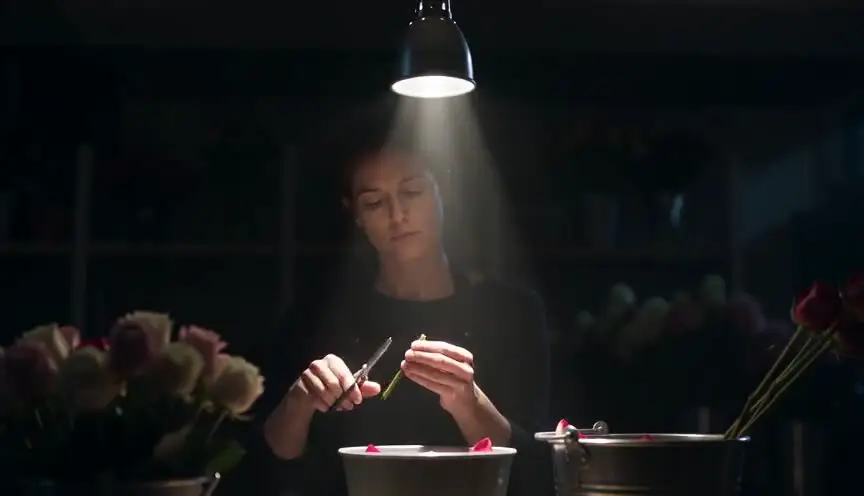
German expressionism is a 1920s style that bends sets, angles and shadows to express a character's inner state rather than reality. The audience sees fear and madness built into the walls, and a shadow can be scarier than the person who casts it.
Also calledExpressionist cinemaWeimar expressionismCaligari style
Genre looks
Why it works on screen
Expressionism turns psychology into architecture. Streets lean, stairs twist, doors are too tall, and shadows grow larger than people. It serves madness, paranoia, obsession, guilt and the fear of an authority that cannot be reasoned with. A story earns this look when the subject is a mind under pressure: a narrator we cannot trust, a town gripped by a killer, a tyrant who controls through fear. Its strength is that the audience feels the distortion before understanding it. Even a single expressionist image, a shadow crawling up a staircase, can shift a realistic film into a nightmare for one scene.
The shot list line
- Size
- Wide shot showing the set and the shadow
- Angle
- Dutch angle or strong low angle
- Movement
- Static
- Lens
- Wide, 18mm to 25mm, exaggerating perspective
- Duration
- 4 to 8 s
Use one hard, low or side light to project a long shadow onto a wall, and consider painted shadows or forced-perspective set pieces.
Screenplay
On the page
You cannot write lenses or set construction into a spec script, but you can write the distorted perception. Describe the shadow before the person, the stair that seems to lean, the window cut at an odd angle. Keep it to images the character experiences. If you are writing a period film in the full style, a short note on the tone in the first scene description can help. Specific angles, painted shadows and set design belong in the shot list and the art department's brief.
INT. TENEMENT STAIRWELL - HARBOR DISTRICT - NIGHT
The stairs climb in a crooked spiral, each landing narrower than the last.
A SHADOW arrives first: long, thin, a hat, a hand with a ledger. It stretches up the wall three floors ahead of its owner.
At the top, in a doorway, LENI HAUSER (70s, widow, shawl) watches the shadow grow.
She closes the door. The bolt is louder than the steps.
The shadow keeps climbing anyway.
Storyboard
In the storyboard
Draw the set with slanted, broken lines: walls that lean, stairs that zigzag, windows cut as irregular shapes. Place a large, stretched shadow on the wall and a small figure or no figure at all. Shade in solid black with sharp edges. Mark the hard light source low or to the side with a lamp symbol. Tilt the frame. Note any painted elements, and write the emotion the distortion should express under the panel.
Pairs well with
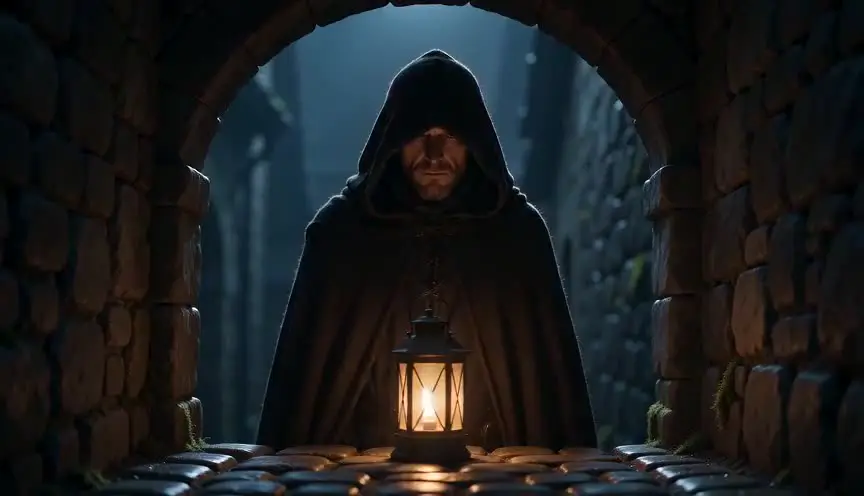
Light from below throws shadows upward and makes faces unnatural. It suits the expressionist habit of showing the monster in every ordinary person.
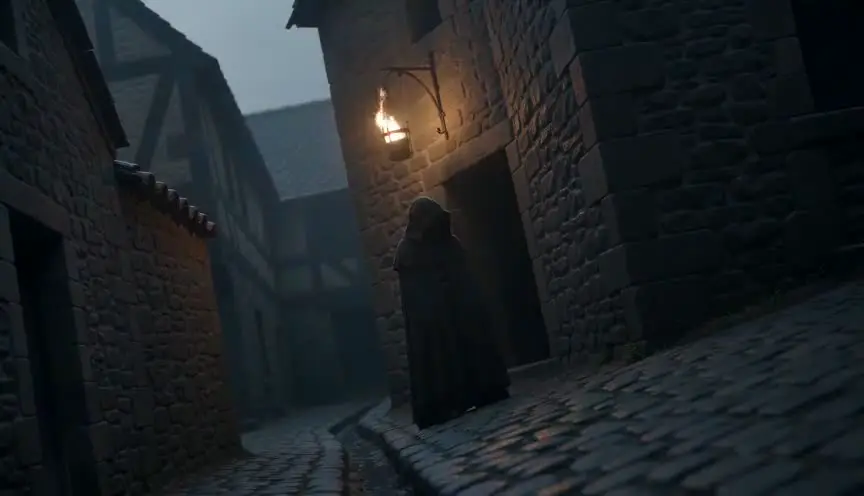
Tilting the frame adds instability to already twisted sets. Used together, they make a world that is visibly off balance, which is the point of the style.
Reference
Watch it in
The Cabinet of Dr. Caligari (1920)
Zigzag shadows painted on the sets and buildings leaning at impossible angles make the whole town a picture of a troubled mind.
Nosferatu (1922)
Long, hard shadows, like the vampire's claw sliding up the stairwell wall, frighten more than the creature seen in full.
M (1931)
Fritz Lang brings low, sharp light and slanted angles into the sound era to show a city consumed by suspicion and fear.
ScreenWeaver
Set it up in ScreenWeaver
Write what the character perceives, the shadow and the crooked spaces, and ScreenWeaver breaks the scene down into shots automatically. Open each shot and set a wide framing, a tilted or low angle, a static movement and the duration. Add a description of the shadow and the distorted set to the shot. Characters and locations carry from shot to shot, so the twisted world stays coherent, and the AI previsualization helps you see how far the distortion can go before it turns into parody.
Start writing for freeThe prompt behind this clip
This is the exact prompt that rendered the clip at the top of the page. Keep the description of the camera and the light, change the subject and the place.
German expressionism: a lone figure in a long dark coat walks across a cracked white salt flat at dusk, filmed in a static locked-off wide shot from a low angle. A single hard, low side light casts an elongated, jagged shadow across the cracked salt that looks painted rather than naturally cast, its edges razor sharp. The horizon tilts slightly off level, the sky rendered in stark high-contrast black and white with deep crushed blacks and no soft fill. The figure's coat flares once in a gust of wind; nothing else in the frame moves. No text.
Common mistakes
- 01
Distortion with no inner reason
Tilted sets and giant shadows must reflect a mind or a moral sickness. Without that link, they look like a theme park. Decide whose state each distortion expresses.
- 02
Soft lighting
Diffused light kills the hard shadows that define the style. Use small, hard sources placed low or to the side, and control spill so shadows keep sharp edges.
- 03
Mixing realism and style randomly
Switching between natural and expressionist scenes without a rule confuses the audience. Tie the style to a character, a location or a turning point in the story.