RainWeather that carries the emotion
Rain on screen is usually created with rain towers, sprinklers and backlight, because real drizzle barely shows on camera. The audience feels the weather as mood: gloom, cleansing, danger or romance soaking through the scene.
Also calledRain effectRain rigRain sceneRain tower
Atmosphere and weather
Why it works on screen
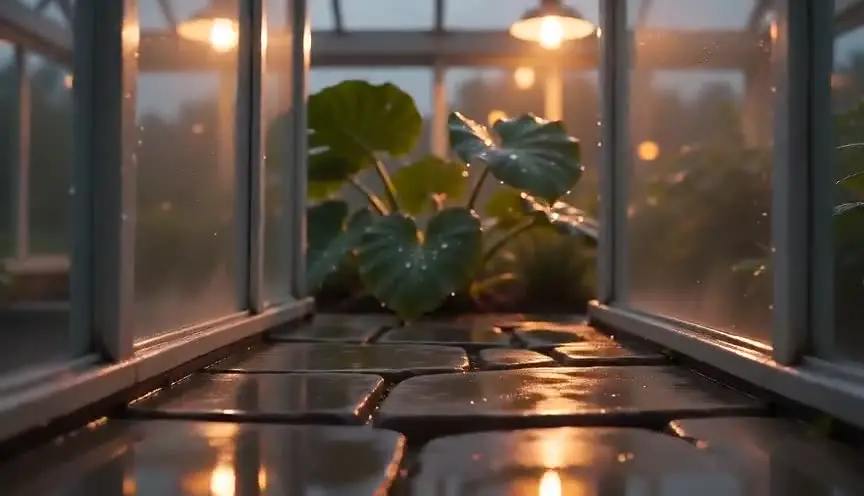
Rain amplifies whatever the scene already holds. It can make grief heavier, a breakup crueler, a chase more dangerous, a kiss more desperate, a victory more cleansing. It isolates characters, drowns out words, blurs cities into reflections and forces people under the same shelter. Its end can be meaningful too: the sun breaking through after a storm. A scene earns rain when the weather mirrors or contrasts the emotional stakes, not just because it looks good. Because rain is expensive and slow to shoot, use it where it truly matters, and let dry scenes around it make the storm feel bigger.
The shot list line
- Size
- Wide shot for the downpour, close-up for faces
- Angle
- Eye level or low angle toward the sky
- Movement
- Static or slow dolly
- Lens
- Longer lens (85mm and up) to compress and thicken the rain
- Duration
- 3 to 8 s
Backlight the rain so drops read on camera, and plan water supply, drainage and dry-offs between takes.
Screenplay
On the page
Weather is part of the world, so a writer can and should put rain on the page when it matters to the scene. Mention it in the scene heading or the first action line, and show how it affects characters: soaked clothes, blurred windshields, shouting over the downpour. Avoid describing how the rain is produced. Rain towers, water tanks and backlight are production details for the director, cinematographer and special effects team, listed in the shot list and breakdown.
EXT. BUS SHELTER - GLASGOW - NIGHT - HEAVY RAIN
FIONA McLAREN (16, school blazer soaked through) sits alone on the bench.
CONNOR (16) runs up, hood useless, water pouring off his nose.
CONNOR
I came, didn't I?
Fiona looks at the rain hammering the roof, not at him.
She slides over. An inch. He sits.
The bus comes, stops, waits, and leaves without them.
Storyboard
In the storyboard
Draw diagonal or vertical streaks across the panel for rain, heavier in the foreground and lighter behind. Mark the backlight source with a sun or lamp symbol behind the rain. Indicate rain tower positions on a small floor plan in the margin. Note the intensity (drizzle, steady, downpour) and whether the rain stops or starts during the shot, since that affects continuity.
Pairs well with

Reference
Watch it in
Blade Runner (1982)
Endless heavy rain on neon streets gives the city its soaked, rotting future and shaped how cyberpunk looks ever since.
Seven (1995)
Rain falls almost the whole film, feeding the dread and decay, until the final act moves into a dry, sun-bleached landscape.
Singin' in the Rain (1952)
A backlit downpour becomes pure joy as the hero dances through it, turning the usual gloomy weather into happiness.
ScreenWeaver
Set it up in ScreenWeaver
Put the rain in your scene heading or first action line, and ScreenWeaver breaks the scene into shots automatically. In the storyboard, give each shot a framing, angle, movement and duration that suit the weather, such as a wide at eye level for the downpour and close shots for soaked faces. Locations and characters carry from shot to shot, so the rain and wet clothes stay consistent. Check the mood in the AI previsualization and note rain rig needs in your shot list.
Start writing for freeThe prompt behind this clip
This is the exact prompt that rendered the clip at the top of the page. Keep the description of the camera and the light, change the subject and the place.
Rain falls steadily outside a small flower shop at dusk, seen through a rain-streaked glass storefront window. Inside, a middle-aged woman arranges bouquets in soft warm light while outside a street lamp backlights the falling rain, making each drop visible as thin silver streaks against the dark wet pavement. The camera holds a static medium shot from inside the shop, the glass fogged slightly at the edges, water trickling down in thin rivulets that catch the light and blur the passing silhouette of a man with an umbrella. The rain intensity stays constant, drops splashing into small puddles that ripple continuously. No text.
Common mistakes
- 01
Rain you cannot see
Rain shot from the front with flat light disappears on camera. Backlight or side-light the rain, and use a longer lens to make it read.
- 02
Continuity chaos
Hair, clothes and ground that go from soaked to dry between shots break the scene. Keep wardrobe wet, track water levels and plan wet-downs.
- 03
Rain without purpose
Adding rain just for atmosphere can feel cliché and costly. Use it when it changes the emotion or the action of the scene.