Neo-noirNoir fate in color and daylight
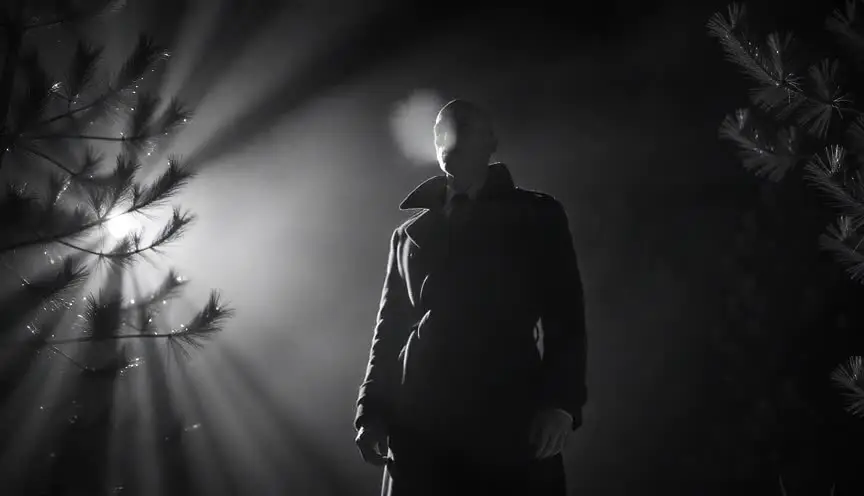
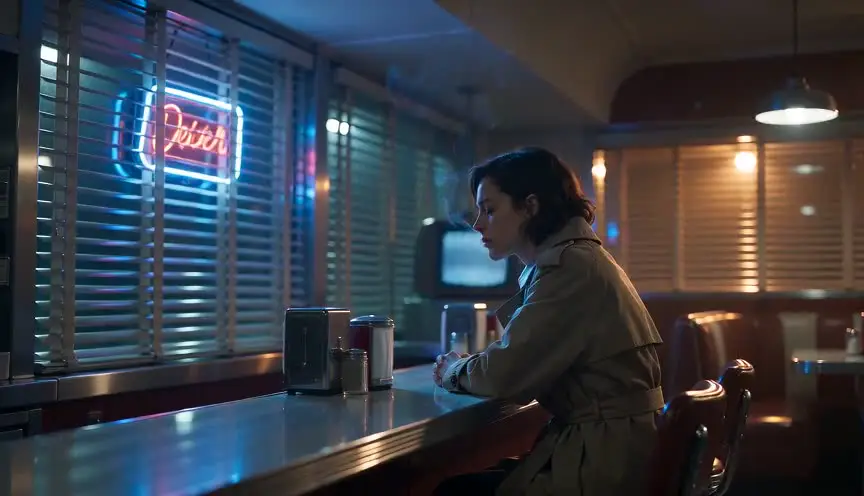
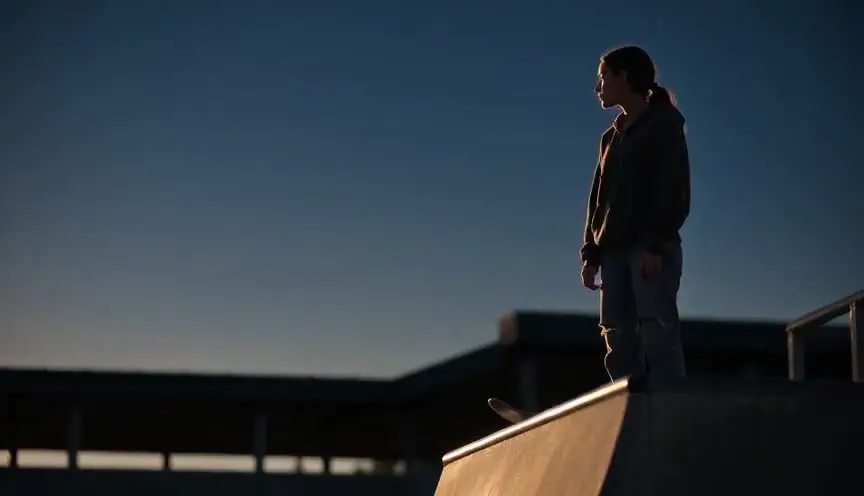
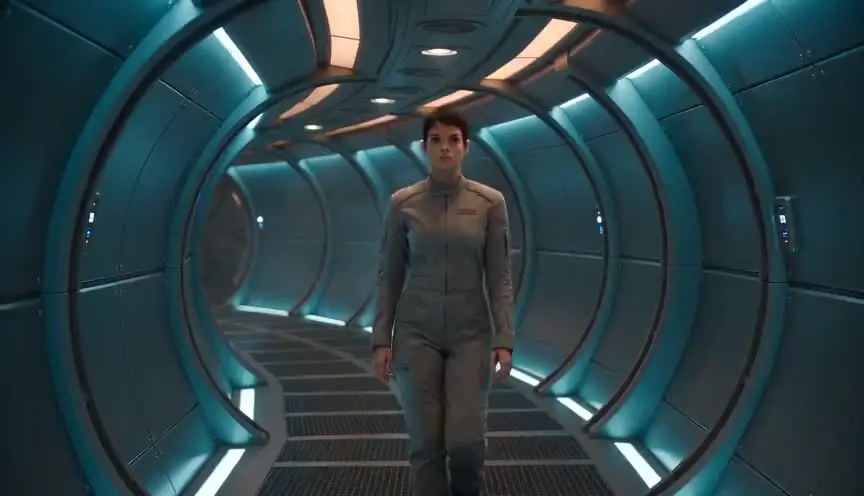
Neo-noir carries the plots and moral darkness of classic noir into color, modern cities and often harsh daylight. The audience recognizes the trap and the corruption, but in a world that looks like their own.
Also calledModern noirColor noirPost-noir
Genre looks
Why it works on screen
Neo-noir keeps the core of noir: a flawed protagonist, a crime, a city that corrupts, an ending that costs. What changes is the texture. Corruption can happen under a blazing sun or in a neon-soaked parking lot. Silence often replaces snappy dialogue, and violence arrives suddenly. It serves alienation, obsession, moral ambiguity and a cool, watchful dread. A story earns neo-noir when its crime is personal but its world is indifferent, when the hero is competent yet lonely, and when the audience should enjoy the style while feeling that nobody here will be saved.
The shot list line
- Size
- Wide shot holding the character small in the setting
- Angle
- Eye level, often from a distance
- Movement
- Static or a very slow dolly
- Lens
- 35mm for place, 85mm or longer for watching
- Duration
- 5 to 10 s
Motivate every color from a real practical (sign, pool, dashboard) and keep deep shadows around it, whether night or harsh day.
Screenplay
On the page
Write neo-noir through setting, restraint and consequence. Choose places with character, a desert motel, an all-night garage, a glass office at 3 a.m., and name the light that is really there: a vending machine, a pool lamp, a pink sign. Let silences sit on the page. Do not write color grades or lens choices in a spec script. The palette, the neon and the contrast belong to the director and the shot list.
EXT. SAGEBRUSH MOTOR INN - OUTSIDE ELKO, NEVADA - NIGHT
The pool is lit from below, turquoise, and nobody swims in it.
OWEN TRAPP (40s, insurance adjuster, tie loosened) sits on a plastic lounger with a claim file on his knees.
Room 9 has its curtains open. A woman inside is packing fast.
Owen photographs her license plate. The flash blinks once across the water.
The woman stops packing and looks straight out at him.
Storyboard
In the storyboard
Draw the character small inside a strong setting, then block in areas of color with labels: "turquoise pool light", "pink sign", "sodium street lamp". Leave the surroundings dark or, for a day scene, bleached and hard-shadowed. Mark each practical source with a small symbol. Add a note on the gap between characters, since neo-noir often plays on distance and observation. Write the intended silence length under the panel.
Pairs well with
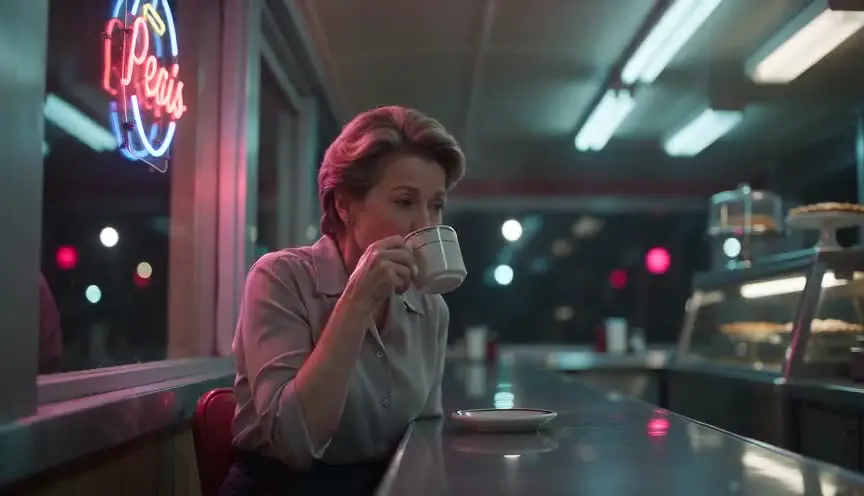
Neon gives neo-noir its modern night: colored sources that are part of the set. After a neutral day scene, a neon night tells the audience the character has crossed into the underworld.
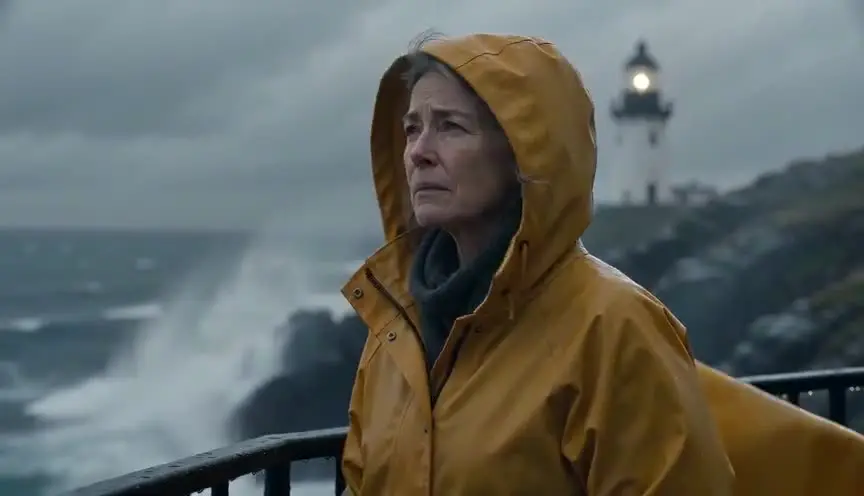
A long lens watching from a distance turns the audience into a watcher, like the detective or the stalker. It pairs with neo-noir's themes of surveillance and isolation.
Reference
Watch it in
Chinatown (1974)
Noir plotting in warm, sunlit California color, a film often named as one of the founding works of the neo-noir style.
Drive (2011)
Night photography soaked in neon, long silences and blurred morals make it one of the most quoted modern examples of the style.
L.A. Confidential (1997)
It rebuilds 1950s Los Angeles corruption in color, with the hard shadows and blind-striped light taken directly from classic noir.
ScreenWeaver
Set it up in ScreenWeaver
Write the neo-noir scene with its real light sources and its silences, and ScreenWeaver breaks it down into shots automatically. Open each shot and set framing that keeps the character small in the setting, an eye-level angle, a static or slow movement and a generous duration. Note the palette in the shot description. Characters, locations and references carry from shot to shot, so the city and the colors stay coherent, and the AI previsualization lets you check the mood of the whole sequence.
Start writing for freeThe prompt behind this clip
This is the exact prompt that rendered the clip at the top of the page. Keep the description of the camera and the light, change the subject and the place.
Neo-noir hotel lobby at night, a static locked wide shot on a 35mm lens frames a lone woman in a tailored coat crossing a marble floor. Hard key light from an unseen lamp cuts across her face while venetian-blind shadows stripe the walls in bands of black and deep teal. The background falls into near-total darkness except for one warm amber sconce, contrasting her cool-lit figure against the void behind her. The camera holds for four seconds as she passes a gilded mirror that briefly reflects her silhouette. The grade pushes blacks deep and keeps her skin warm against cold blue-green light. No text.
Common mistakes
- 01
Neon as decoration
Pink and blue light everywhere, with no source or purpose, reads as a music video. Tie each color to a place in the story and let some scenes stay plain.
- 02
Style without stakes
A cool protagonist in a beautiful frame is not enough. Neo-noir needs a real moral cost and a crime that matters. Without it, the silences feel empty.
- 03
Filling every silence
Nervous editors and writers fill pauses with music or dialogue. The genre's tension often lives in what nobody says. Protect the quiet moments in the script and the cut.