Film noirShadows that hold the guilt
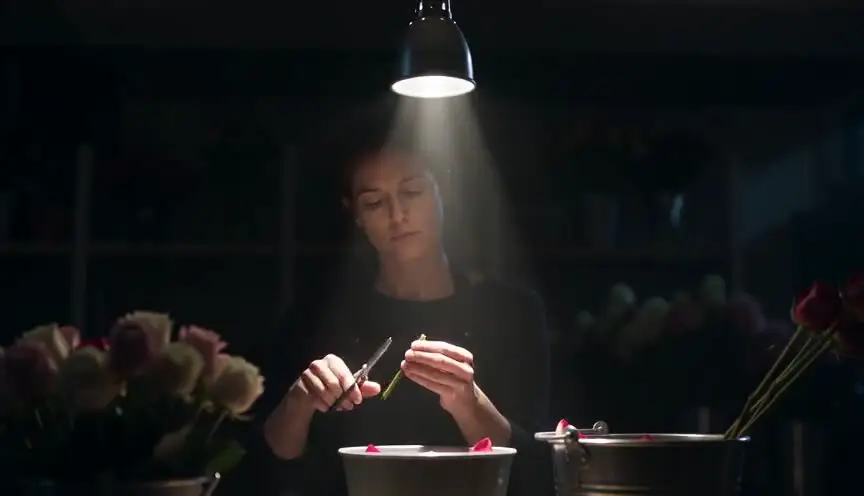
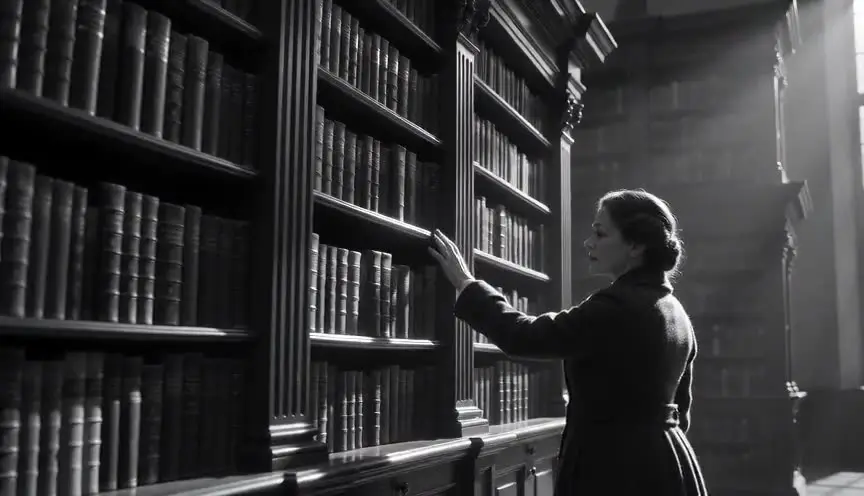
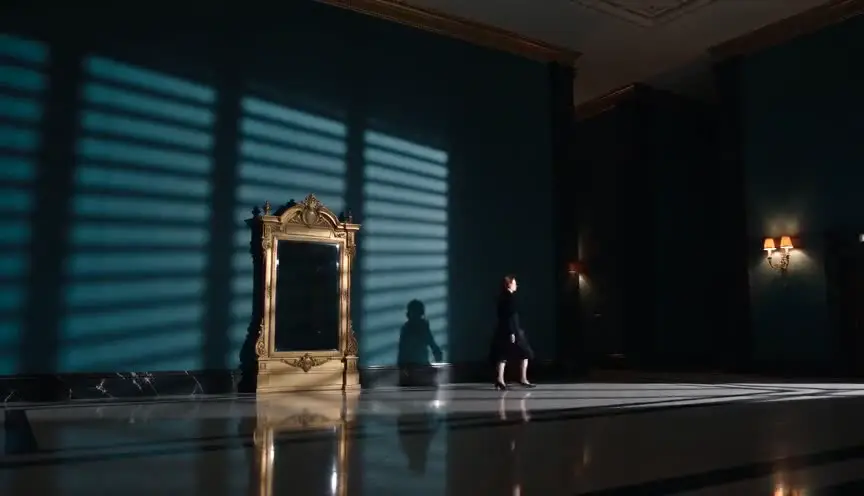
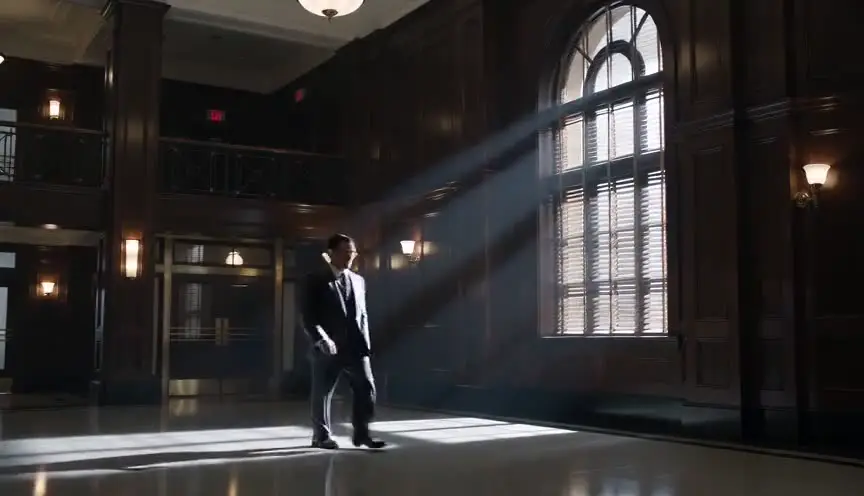
Film noir is a black-and-white crime style built on hard low-key light, deep shadows, oblique angles and doomed characters. The audience feels that everyone is hiding something and that the trap closed before the story began.
Also calledNoir lightingHard-boiled styleShadow cinematography
Genre looks
Why it works on screen
Noir is a story about bad choices in a bad city. A decent or half-decent person wants something (money, a woman, a way out), steps over a line and watches the consequences tighten around them. The look serves that fate. Shadows hide motives, blinds and bars cut faces into pieces, and characters walk into darkness they cannot see out of. It serves paranoia, desire, betrayal, guilt and cynical wit. A story earns the noir look when its moral world is gray, its narrator is compromised and its ending feels like a sentence handed down, not a surprise.
The shot list line
- Size
- Medium close-up
- Angle
- Slightly low, or tilted a few degrees when the character loses control
- Movement
- Static, or a slow creeping push in
- Lens
- 35mm to 50mm with deep focus
- Duration
- 4 to 8 s
Hard key from a single motivated source, little or no fill, and a patterned shadow (blinds, bars, a window frame) cutting across the set or the face.
Screenplay
On the page
Noir lives on the page through voice and situation, not lighting cues. Write hard, compressed action lines, rooms defined by a single lamp or a neon sign outside, dialogue that bites. A voiceover can be part of the genre and belongs in the screenplay if the story uses it. Leave words like "low-key" or "venetian blind shadows" out. The cinematographer and the director will translate the mood into light in the shot list and the lighting plan.
INT. SWITCHBOARD ROOM, HOTEL ALVARADO - LOS ANGELES - NIGHT (1947)
One lamp over the board. The rest of the room belongs to the dark.
RUTH KESSLER (30s, headset, cardigan over a pressed blouse) plugs a cord into room 614 and listens longer than she should.
A man's voice, low. A number. A name she knows.
She pulls the cord. Her hand stays on it.
RUTH (V.O.)
I was paid to connect people. Nobody paid me to forget.
Storyboard
In the storyboard
Draw in strong black and white. Fill large areas of the panel with solid black and leave the face half lit by a hard source marked with a lamp symbol. Add striped or barred shadow patterns across walls or bodies. Tilt the frame lines slightly for moments of instability. Note the motivating source, the absence of fill and the shadow pattern under the panel. Keep one clean highlight on the eyes or hands that carry the scene.
Pairs well with
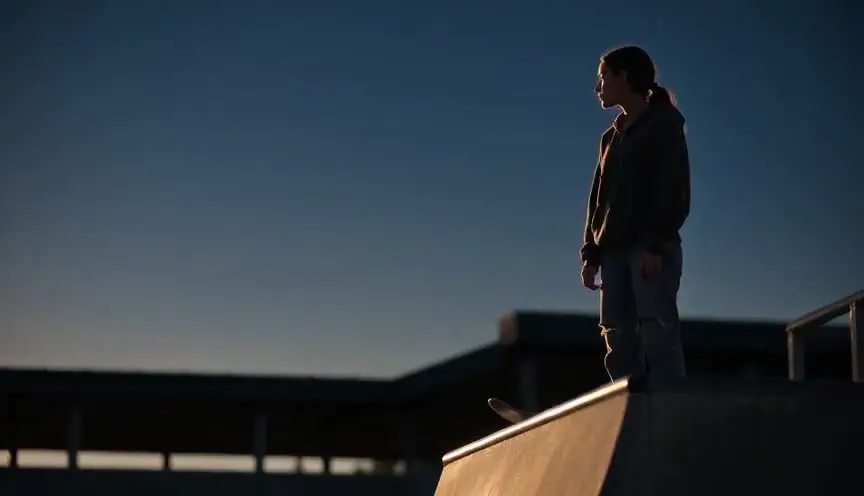
Low-key lighting is the foundation of noir. Establish it in the wide shot, so the audience learns that darkness dominates the frame and that every face must fight for light.
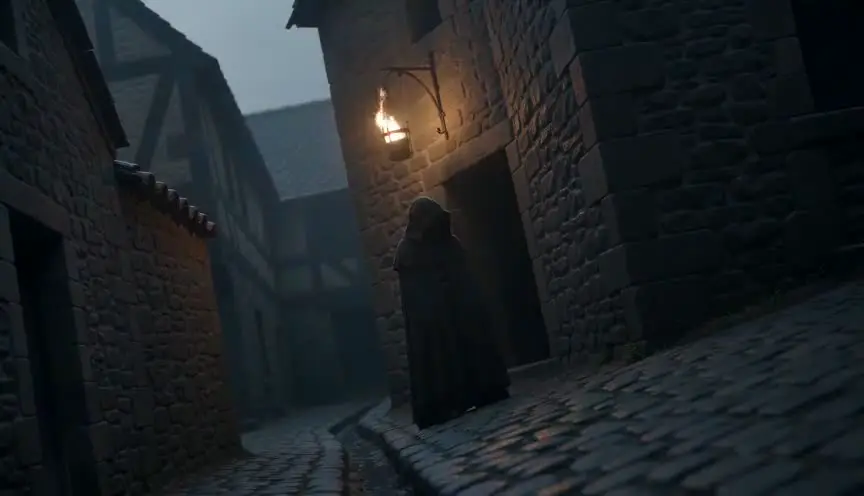
When a character's plan cracks, tilting the frame shows a world slipping off its axis. After calm, level noir framing, the angle signals that the trap is closing.
Reference
Watch it in
The Maltese Falcon (1941)
Sam Spade moves through dim offices and stairwells where low light and sharp shadows keep everyone's real motive out of sight.
Double Indemnity (1944)
Shadows from venetian blinds stripe the walls, locking the lovers inside bars of light and dark, an image that came to define the genre.
Touch of Evil (1958)
Heavy shadows and skewed angles turn a border town into a moral snare where no character on screen stays clean.
ScreenWeaver
Set it up in ScreenWeaver
Write the noir scene with its sources, its voiceover and its hard dialogue, and ScreenWeaver breaks it down into shots automatically. Open each shot and set framing, a slightly low or tilted angle, a static or creeping movement and the duration. Add the lighting intent in the shot description. Characters, locations and references carry from shot to shot, so the city and the faces stay consistent. The AI previsualization lets you test the balance of shadow and face before the lighting plan is built.
Start writing for freeThe prompt behind this clip
This is the exact prompt that rendered the clip at the top of the page. Keep the description of the camera and the light, change the subject and the place.
Film noir style in a misty pine forest at night: a lone figure in a long coat stands between tall trunks as a single hard spotlight cuts through the fog from off-frame left, throwing sharp tree-branch shadows across the ground and the figure's face. The image is black and white, high-contrast, with the background falling into near-total black. The camera is locked off on a low angle, tilted slightly like a dutch angle, and does not move. Fog drifts slowly through the beam of light, catching dust and moisture, while the figure's breath is visible. No text.
Common mistakes
- 01
Darkness without a source
Noir shadows feel strongest when they come from something in the room: a desk lamp, a street sign, a window. Random pools of black look like underexposure, not style.
- 02
Copying the costumes, not the fate
Fedoras and trench coats do not make noir. The genre depends on moral pressure and a trap closing. Without that, the look becomes a costume party.
- 03
Too many tricks per scene
Blinds, tilted angles, smoke and voiceover all at once feel like parody. Pick one or two tools per scene and let the story carry the rest.