43 techniques
Camera movementWhen the frame starts to travel
A moving camera changes what the audience knows and when. It can reveal, follow, press in on a secret or pull away from a loss. The same scene reads as calm, urgent or unstable depending on how the frame travels.
On the page, a writer rarely names the move. You write what the audience discovers, and the move lives in the shot list: its direction, its speed, where it starts and where it lands. Each page below gives you that line.
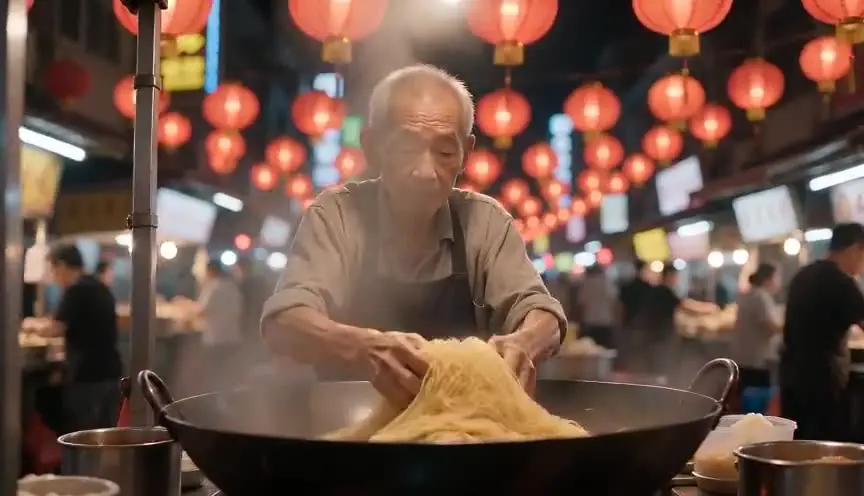
Slow zoom in
A slow zoom in tightens the frame by changing focal length while the camera stays where it is, so the subject grows and the surroundings slip out of view. The audience feels watched, or feels themselves watching, as attention closes in without anyone moving.
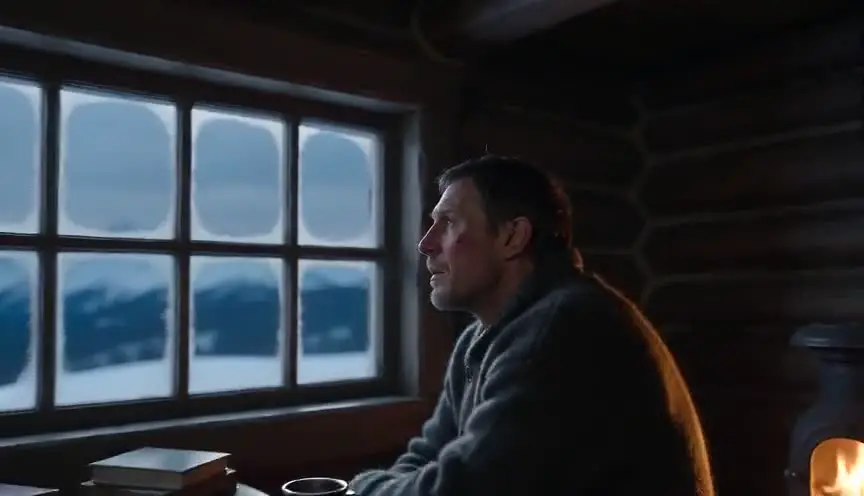
Slow zoom out
A slow zoom out widens the frame by shortening the focal length while the camera stays put, so a single detail gradually becomes part of a larger picture. The audience rereads what they just saw once they see where it sits.
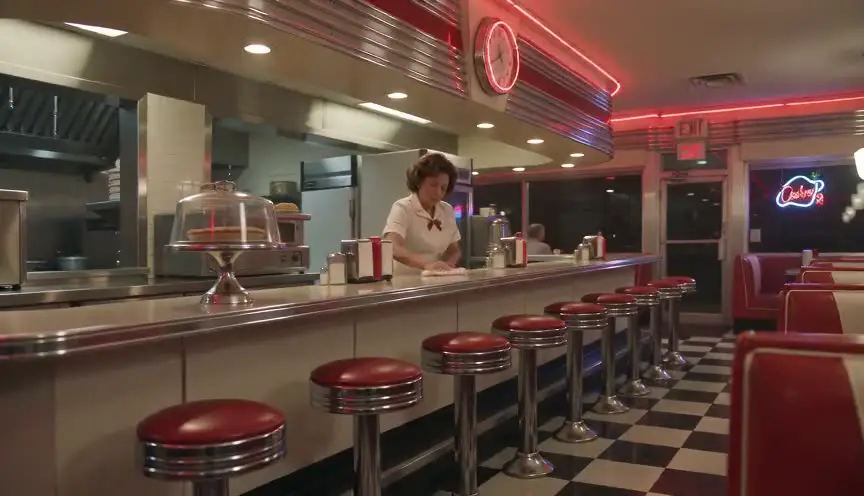
Crash zoom
A crash zoom slams the lens from wide to tight in a fraction of a second, punching the frame onto a face or an object. The audience jolts, then laughs or gasps, because the camera has shouted exactly where to look.
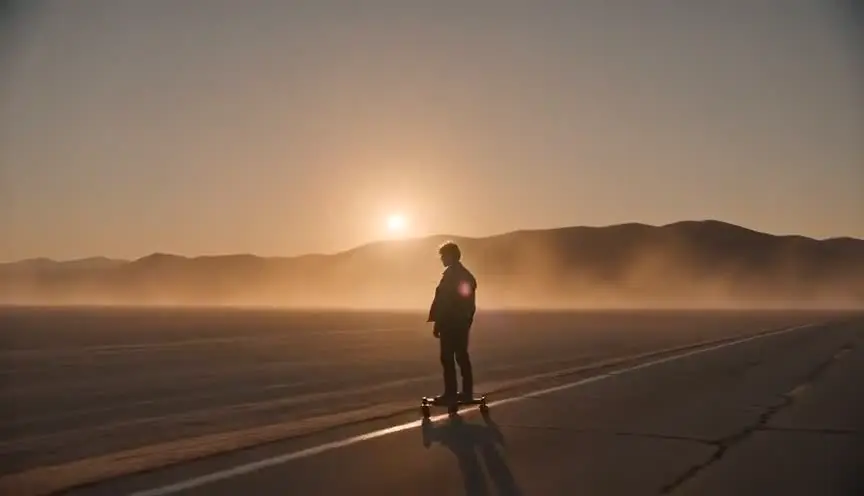
Dolly in
A dolly in rolls the camera physically toward the subject, so the frame tightens and the background shifts with real perspective. The audience feels drawn into a character's head, as if they had leaned forward in their seat.
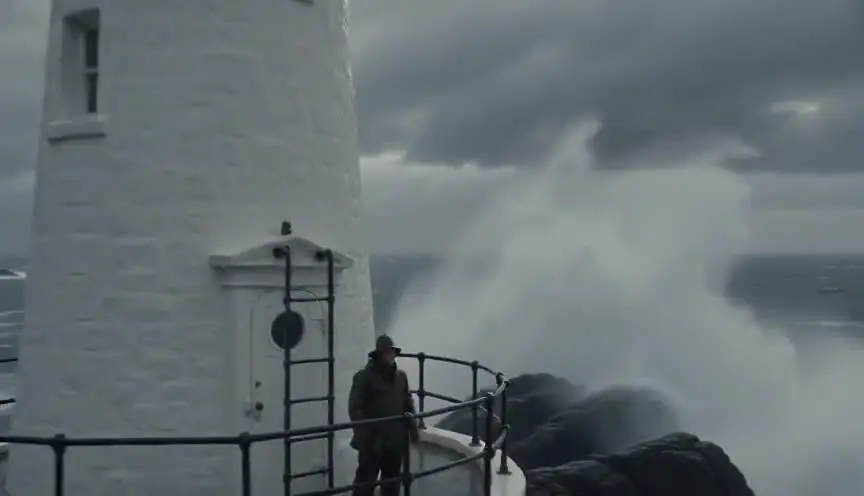
Dolly out
A dolly out rolls the camera away from the subject, so the frame widens and the surroundings slide in from the edges. The audience feels they are stepping back from a character, leaving them alone or discovering what surrounds them.
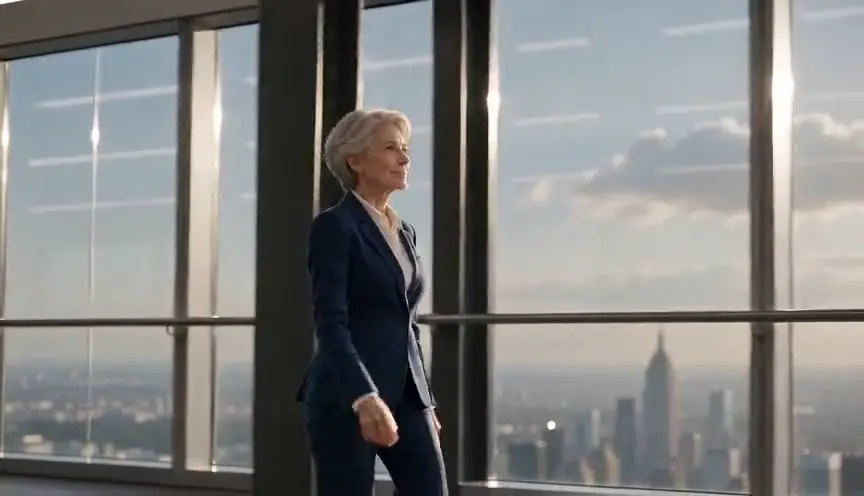
Truck shot
A truck shot slides the camera sideways, parallel to the subject or to a row of things, instead of toward or away from them. The audience travels beside the action like a passenger, watching the world scroll past.
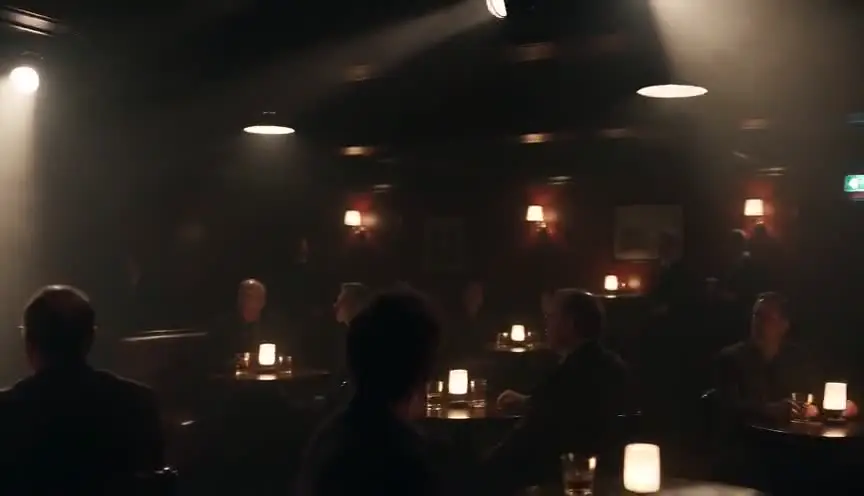
Pan
A pan turns the camera horizontally on a fixed point, sweeping the frame from one side of a scene to the other. The audience's gaze is carried across the space, linking whatever the camera passes as if a head had turned.
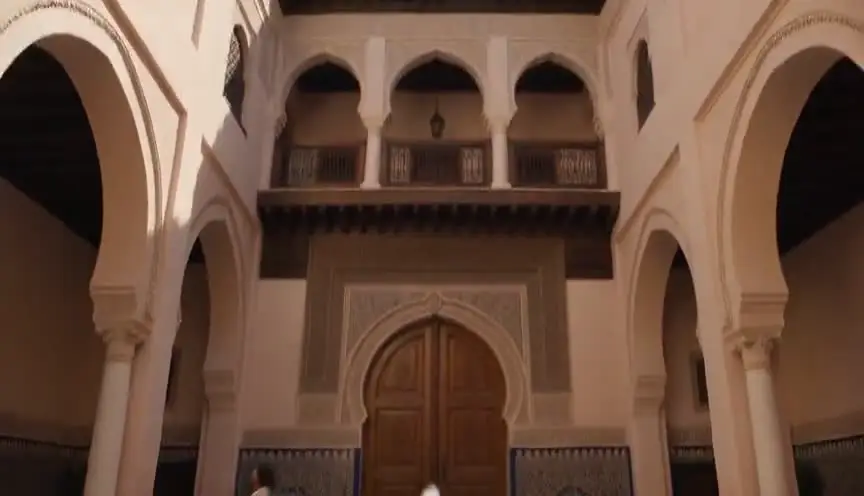
Tilt
A tilt rotates the camera up or down on a fixed point, moving the frame vertically across a person, a building or a sky. The audience's gaze climbs or drops, and what waits at the top or bottom feels bigger for having been reached.
Whip pan
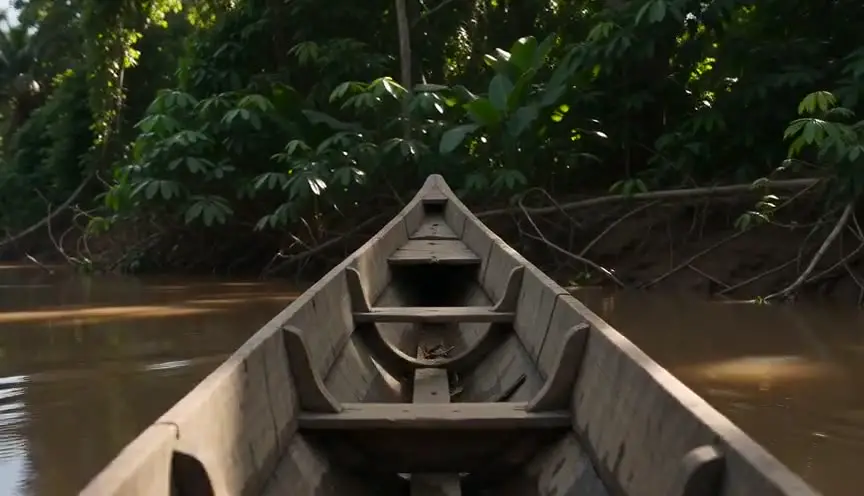
A whip pan swings the camera sideways so fast that the image smears into streaks of motion blur, then stops sharply on a new subject. The audience feels a jolt of speed, as if their head had snapped around at a sound.
Whip tilt
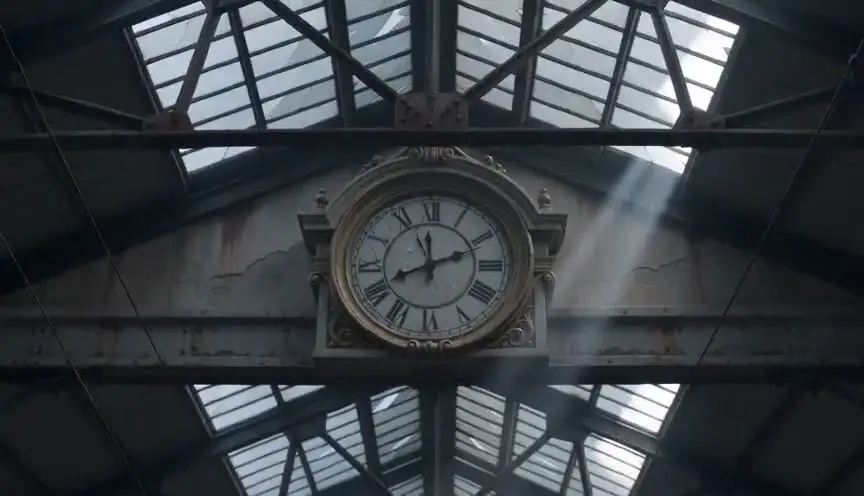
A whip tilt swings the camera up or down so fast that the frame blurs, then stops dead on a new subject. The audience's eyes are yanked vertically, from the sky to the ground or from a face to what a hand is holding.
Pedestal shot
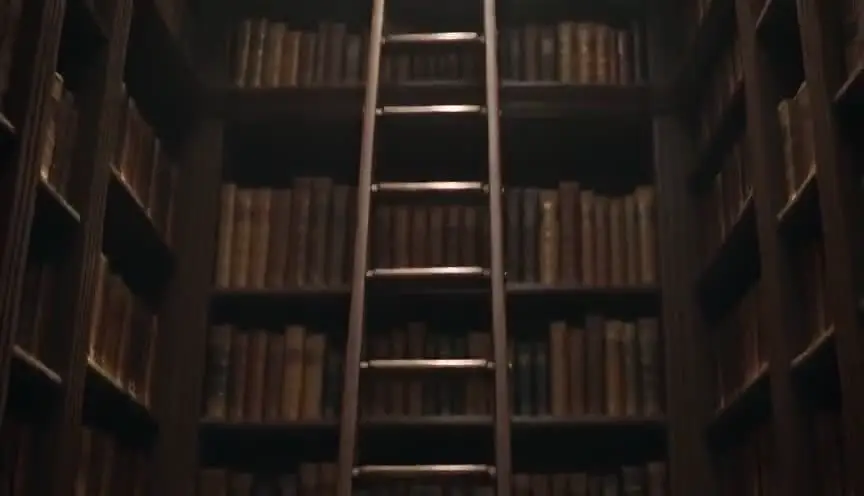
A pedestal shot raises or lowers the whole camera straight up or down while it keeps looking level, without tilting. The audience glides between floors, heights or layers of a scene as if riding a quiet elevator.
Crane up
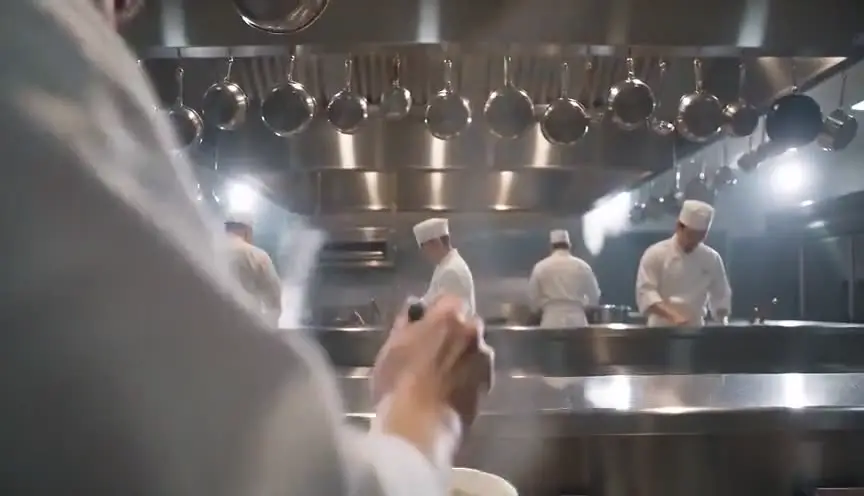
A crane up lifts the camera high into the air, usually from near a character to far above them, while it keeps looking down at the scene. The audience rises away from one person and sees the bigger picture they belong to.
Crane down
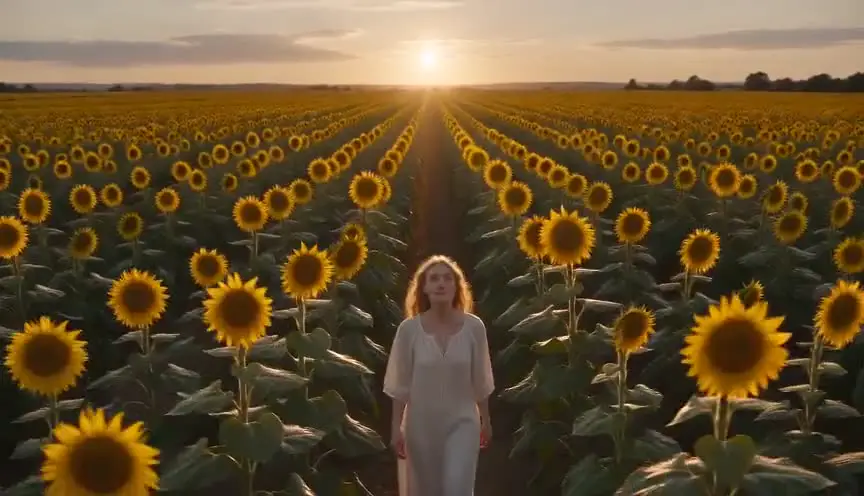
A crane down lowers the camera from high above a scene toward ground level, often ending close on a person or an object. The audience starts with the whole place and is set down exactly where the story begins.
Crane over
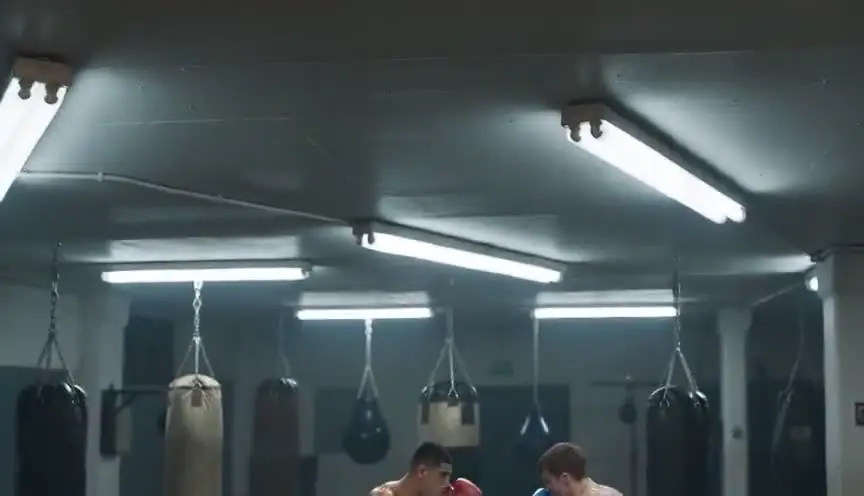
A crane over lifts the camera up and across an obstacle, such as a wall, a hedge, a crowd or a roof, to reveal what lies on the other side. The audience crosses a line with the camera and discovers a new space all at once.
Jib shot
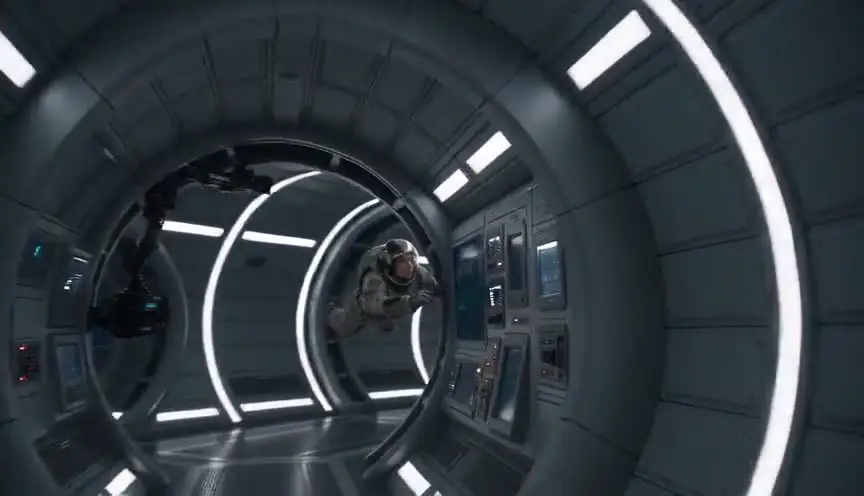
A jib shot uses a counterweighted arm to swing the camera up, down and sideways in smooth arcs, on a scale smaller than a full crane. The audience feels the camera float over a table, a counter or a crowd with a lightness a tripod cannot give.
360-degree orbit
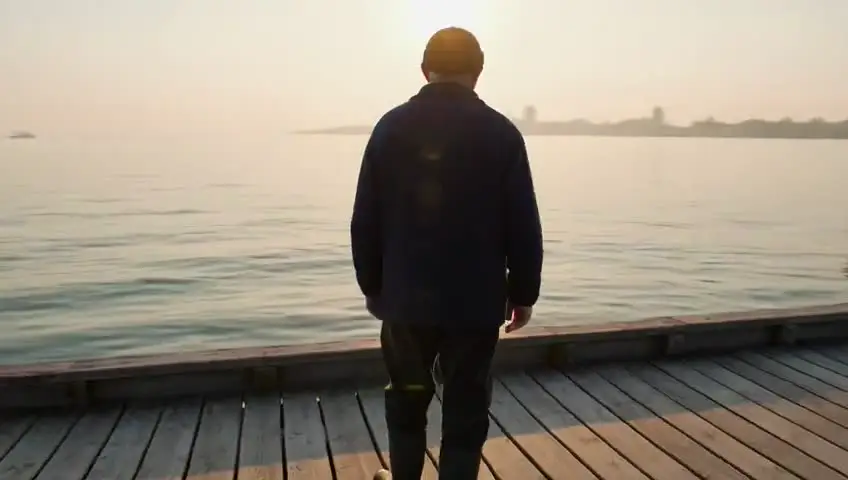
A 360-degree orbit moves the camera in a full circle around a subject, keeping it at the center while the background spins past. The audience feels time bend around one person, as if the world were turning and only they stood still.
Arc shot
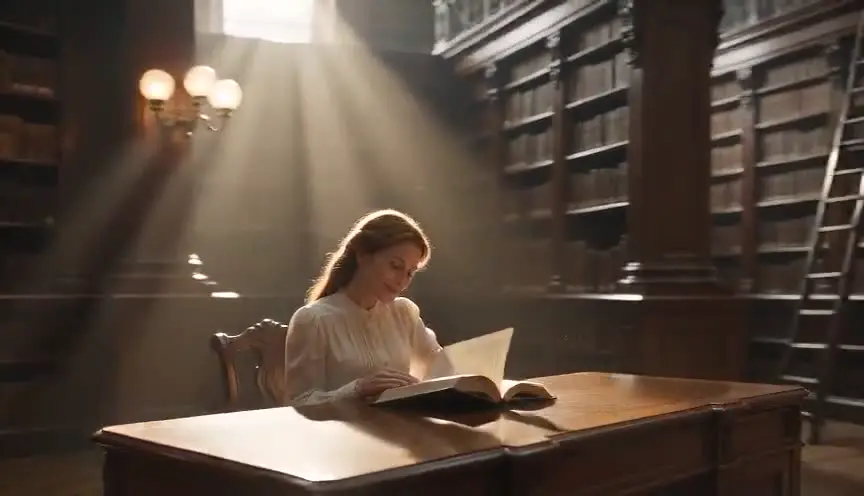
An arc shot moves the camera along a curved path around a subject, a quarter or half circle, while keeping it in frame. The audience sees the person against a sliding background and feels the space wrap around them.
Tracking shot
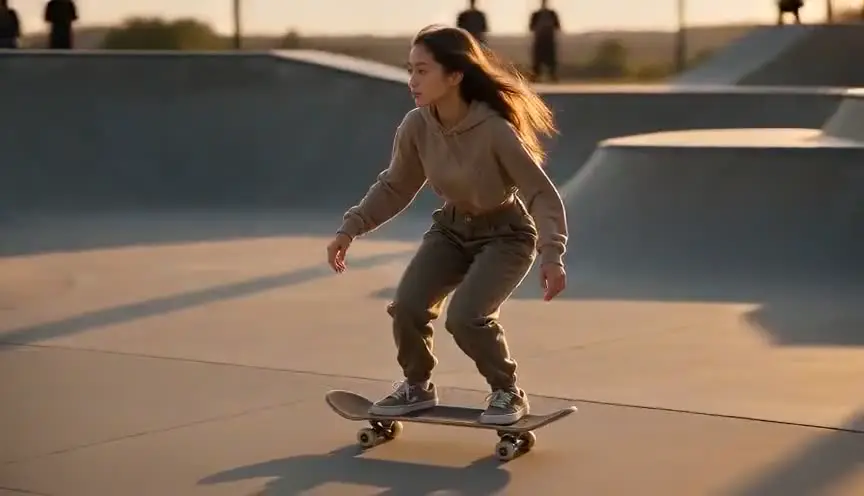
A tracking shot moves the camera through space alongside a subject, keeping them at a steady distance as they walk, run or ride. The audience travels with the character and sees the world unfold around them in real time.
Follow shot
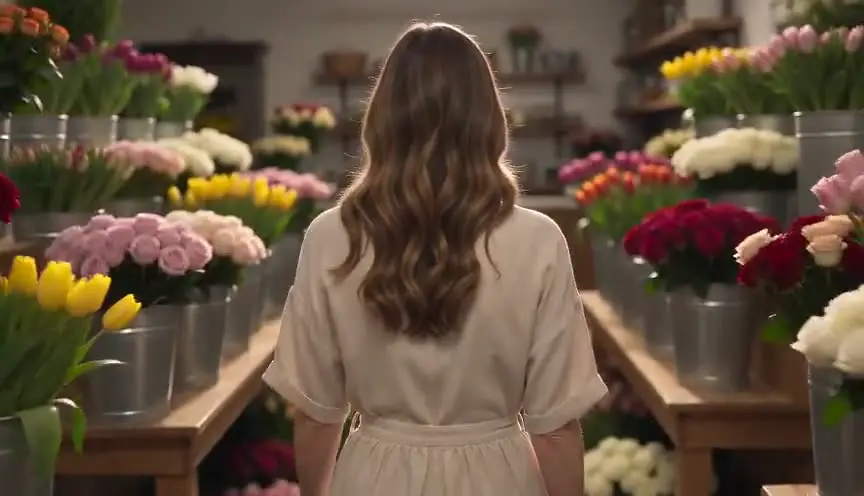
A follow shot keeps the camera behind a character as they move, usually framing their back and shoulders with the space ahead of them. The audience walks in their footsteps and sees what they are about to face at almost the same moment.
Steadicam shot
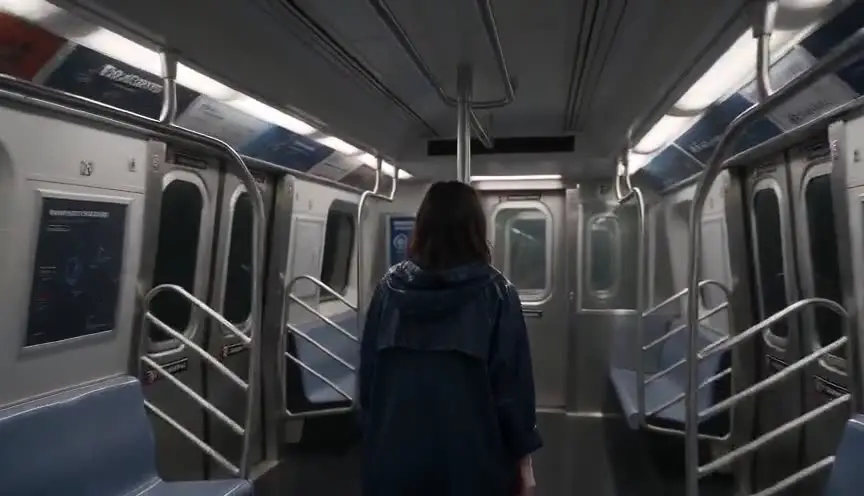
A Steadicam shot uses a stabilizer worn on the operator's body, so the camera floats smoothly through doors, up stairs and around corners wherever a person can walk. The audience moves through the scene without the shake of handheld or the limits of a track.
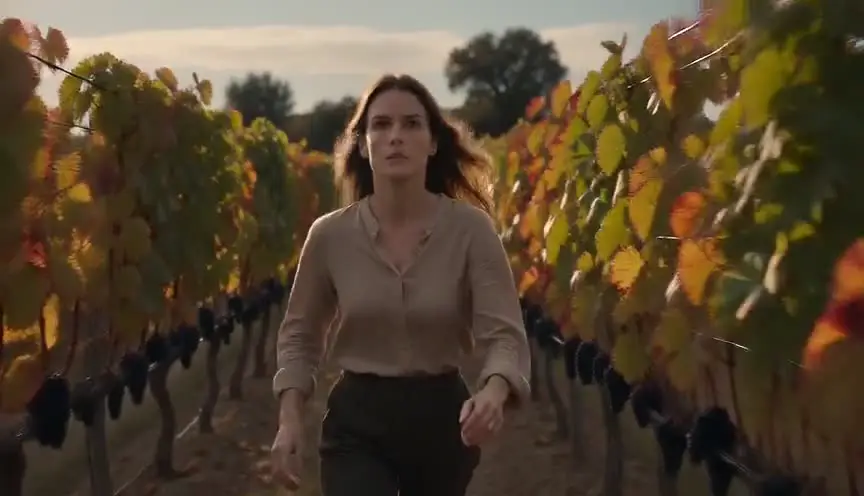
Handheld camera
A handheld shot is filmed with the camera on the operator's shoulder or in their hands, so every breath and step leaves a trace of movement in the frame. The audience feels a human presence behind the lens, close to the action and not quite in control.
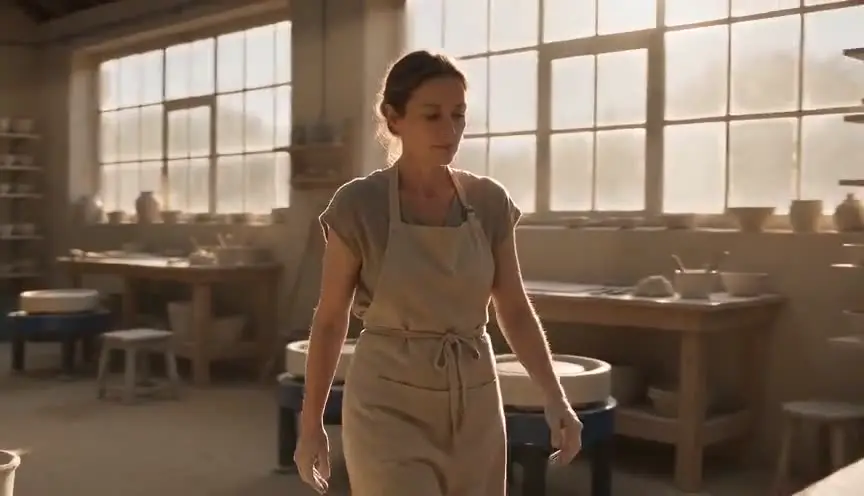
Gimbal shot
A gimbal shot uses a motorized stabilizer that keeps the camera level and steady while the operator walks, runs, climbs into a car or hands it to someone else. The audience glides through the action with a fluid, weightless viewpoint.
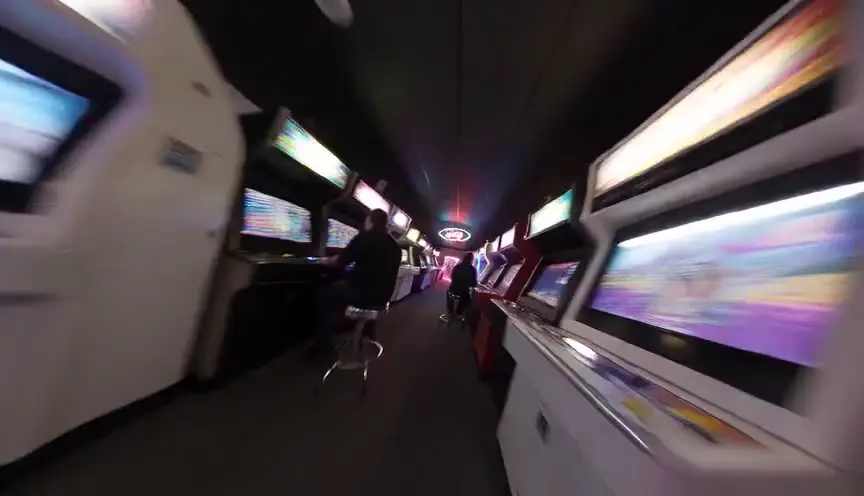
FPV drone shot
An FPV drone shot uses a small, fast racing drone flown by a pilot wearing goggles, so the camera can dive off cliffs, thread through windows and skim along the ground. The audience feels like they are flying, with a speed and freedom no other rig allows.
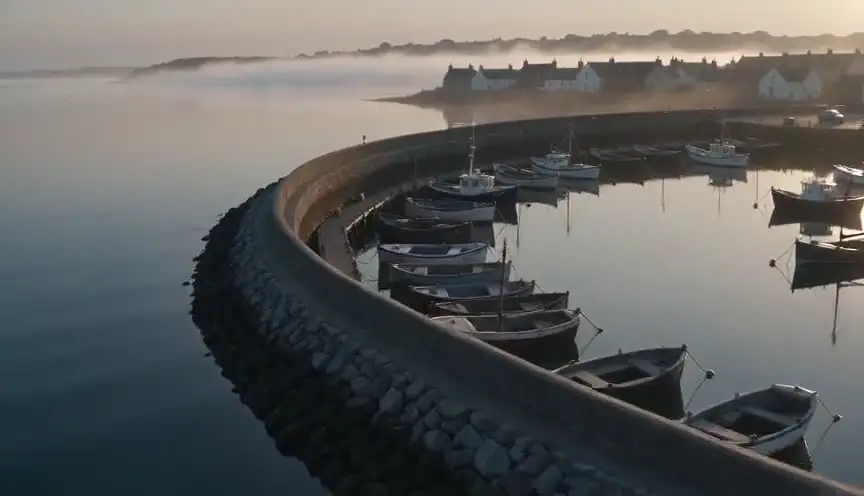
Aerial shot
An aerial shot films the scene from high in the air, from a drone, a helicopter or a plane, often moving slowly over a landscape, a city or a road. The audience sees the world from a distance no person on the ground could reach and feels its scale.
Aerial pullback
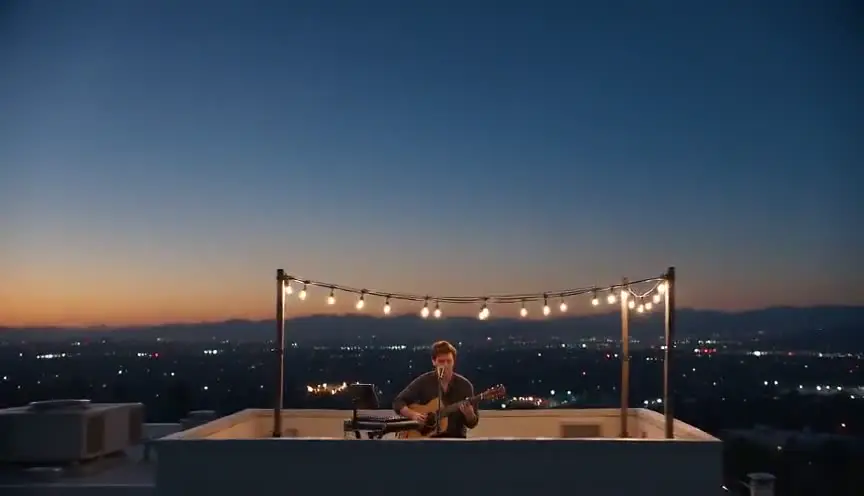
An aerial pullback starts close to a subject and flies backward and upward, usually on a drone, until the person is a speck in a vast landscape or city. The audience feels the scale of the world and the smallness of the life at its center.
Static locked-off shot
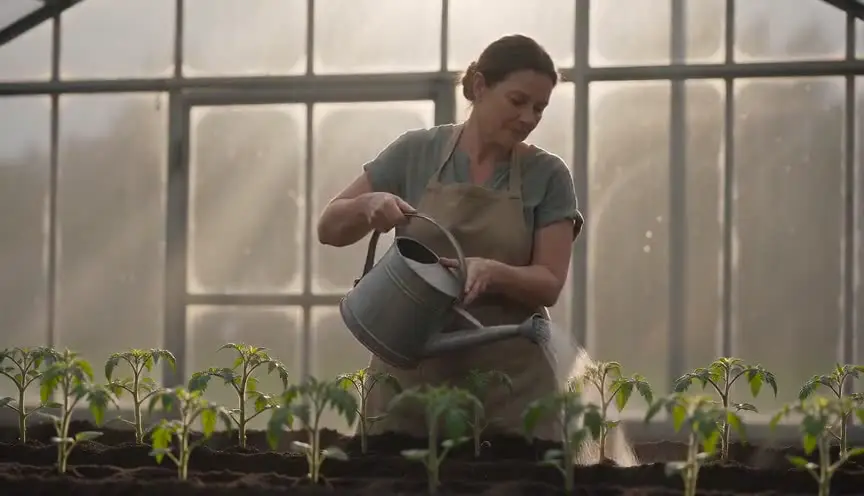
A static shot keeps the camera completely still on a tripod or mount, with no pan, tilt, zoom or movement for the whole take. The audience watches the scene unfold inside a fixed frame, like a stage, and every gesture and entrance becomes more visible.
Dolly zoom
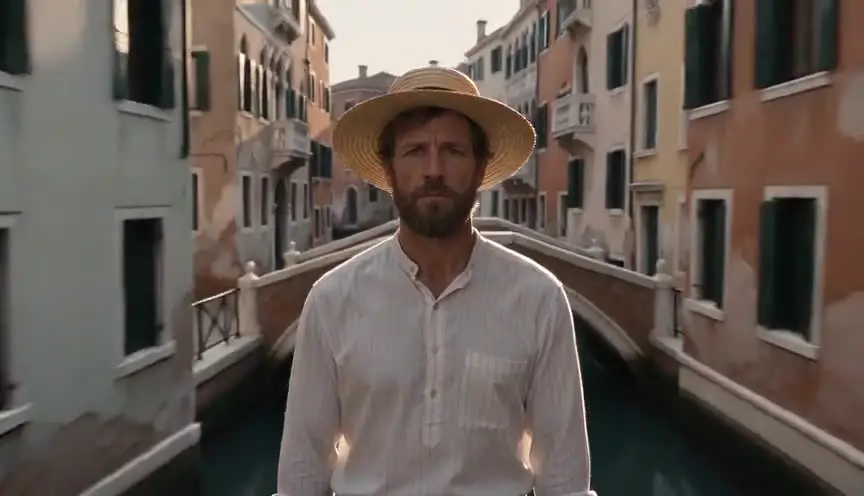
A dolly zoom moves the camera toward or away from a subject while the zoom travels the opposite way, so the subject holds its size and the background stretches or collapses. The audience feels the ground give way at the exact moment a character does.
Camera roll
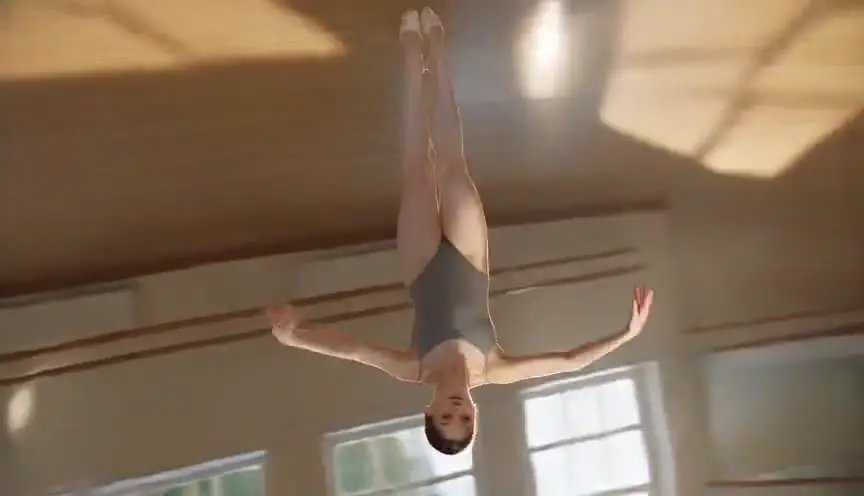
A camera roll rotates the frame around the axis of the lens, so the horizon spins clockwise or counterclockwise while the camera keeps looking in the same direction. The audience loses their sense of up and down and feels the ground tip away.
Double dolly shot
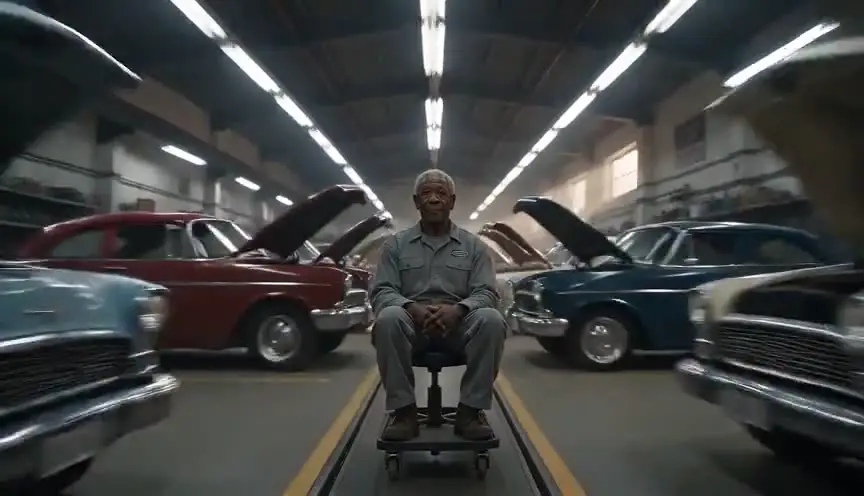
In a double dolly shot, the actor stands on a dolly and moves together with the camera, so they stay fixed in the frame while the world slides past behind them. The audience sees a character gliding without walking, as if carried by fate or lost in a dream.
Snorricam
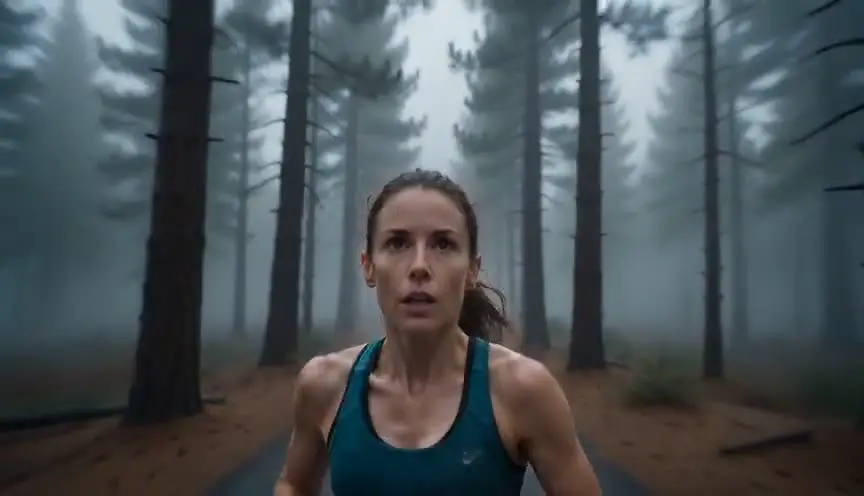
A Snorricam straps the camera to the actor's body, pointing back at their face, so the face stays fixed in the frame while the world behind them sways and lurches. The audience is locked to the character's head as they stagger, run or lose control.
Walk and talk
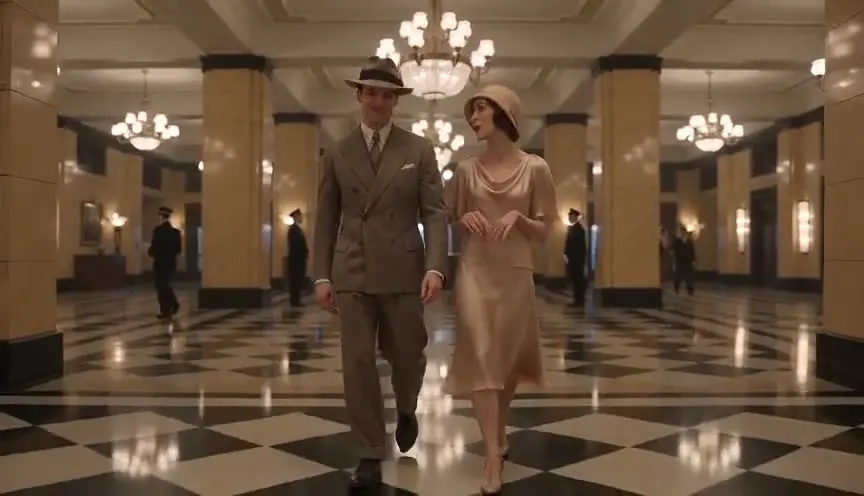
A walk and talk follows two or more characters as they move through a space while they argue, plan or confess. The audience absorbs a lot of information without feeling a scene has stopped to deliver it.
Hyperlapse
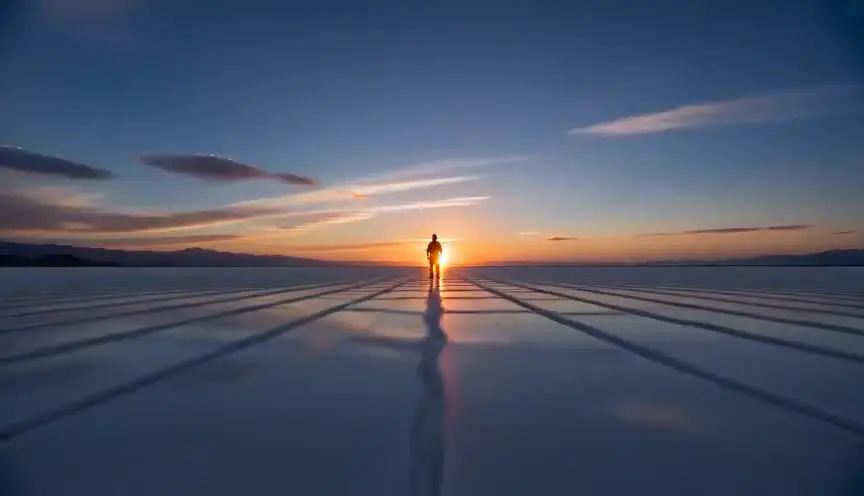
A hyperlapse is a time-lapse in which the camera travels a long path between frames, so both time and space rush past in a few seconds. The audience feels a journey, a city or a whole day compressed into one breath.
Slider shot
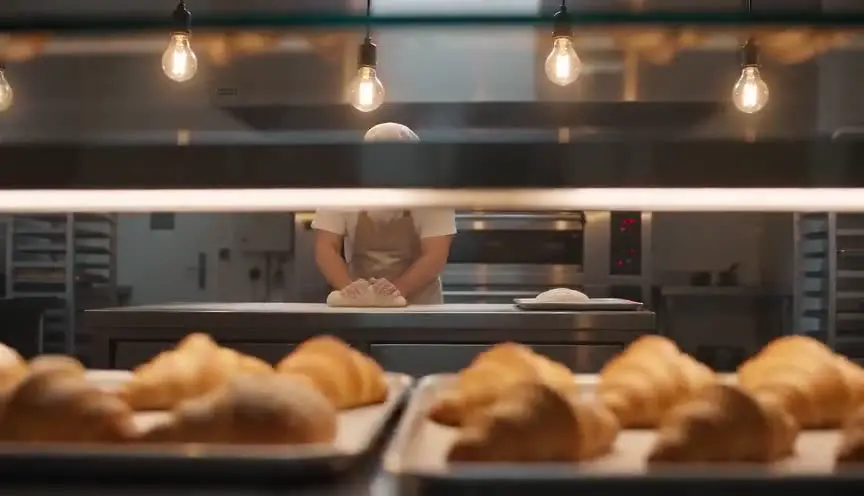
A slider shot moves the camera a short distance along a straight rail, sideways, forward or back, with no shake at all. The audience senses depth and quiet intention, and often discovers something the first frame kept hidden.
Robotic arm shot
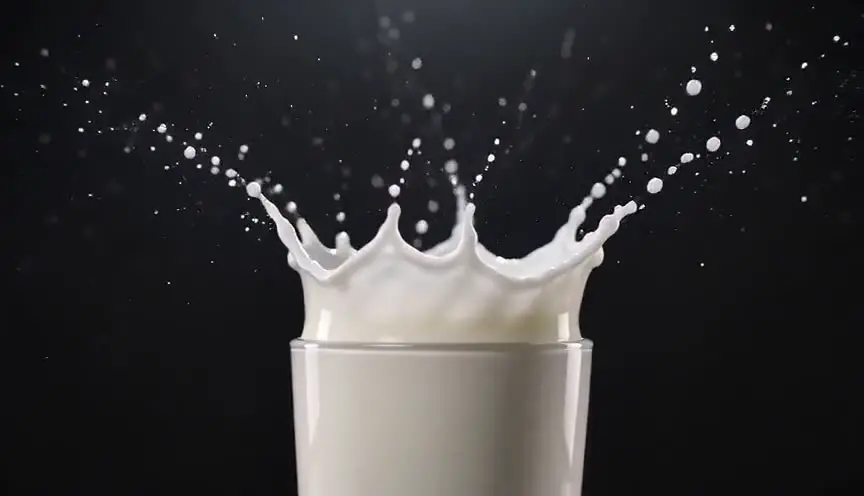
A robotic arm shot uses a programmed camera arm to fly a path with speed and precision no human operator could match, and to repeat it identically as many times as needed. The audience sees impossibly fast, clean motion around a moment that seems frozen or hyper-real.
Turntable shot
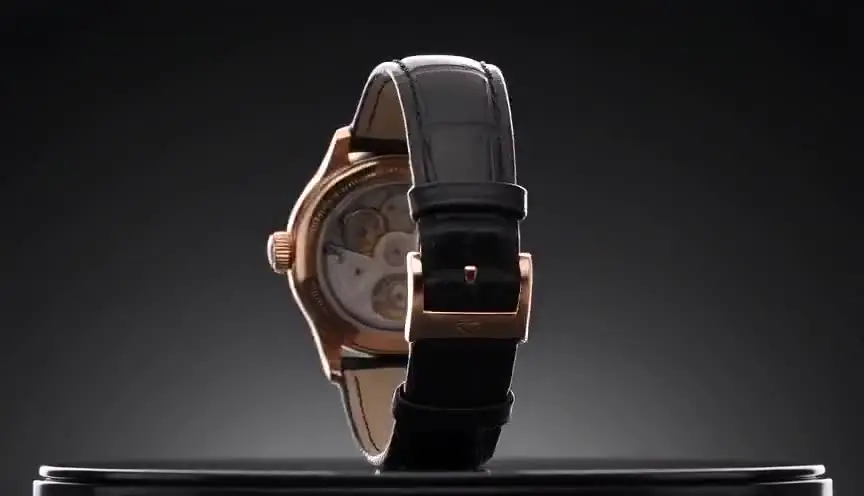
A turntable shot keeps the subject fixed at the center of frame while the angle rotates around it, either because the subject turns on a platform or because the camera circles. The audience studies a person or an object from every side, and the background sweeps past like a changing world.
Parallax shot
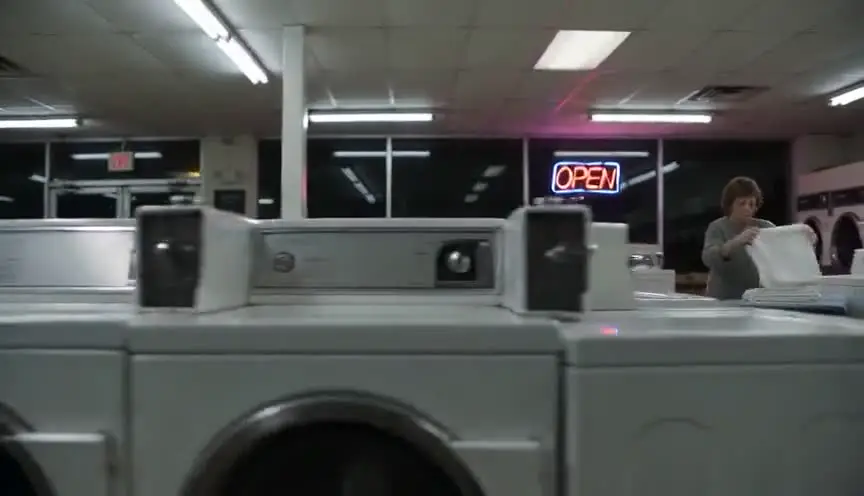
A parallax shot moves the camera past several layers of depth, so near objects slide quickly while distant ones barely move. The audience feels the volume of a place, as if they were travelling inside it rather than looking at a picture.
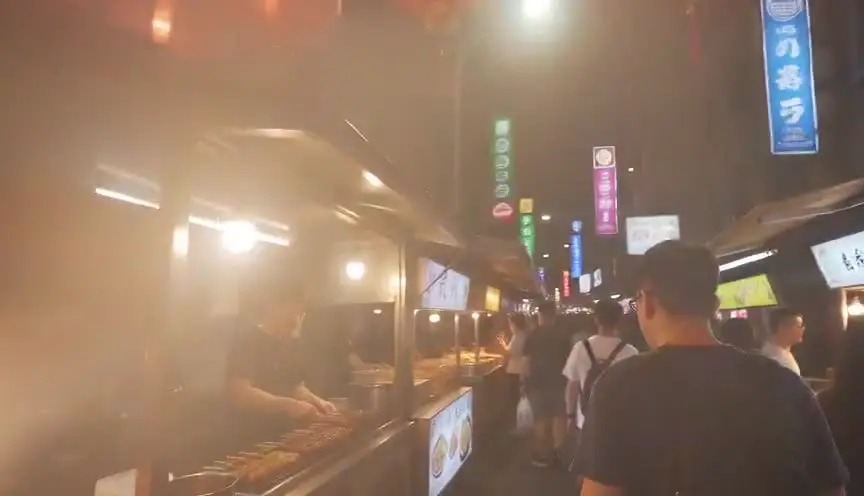
Pass-through shot
A pass-through shot carries the camera through an opening or behind an obstacle, a window, a grille, a wall, a body, and out into another space. The audience feels drawn across a threshold, and a cut can hide in the moment the frame goes dark.
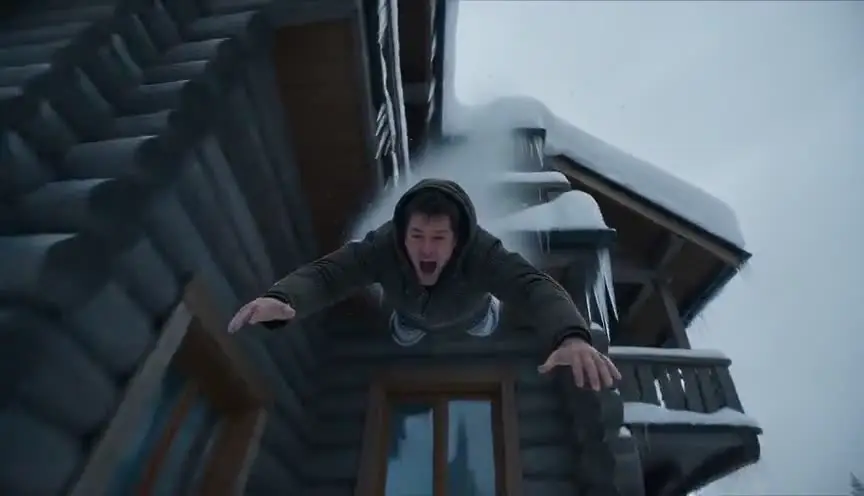
Falling camera
A falling camera drops with a character, or as a character, so the frame loses its ground along with them. The audience's stomach turns because the image has no floor.
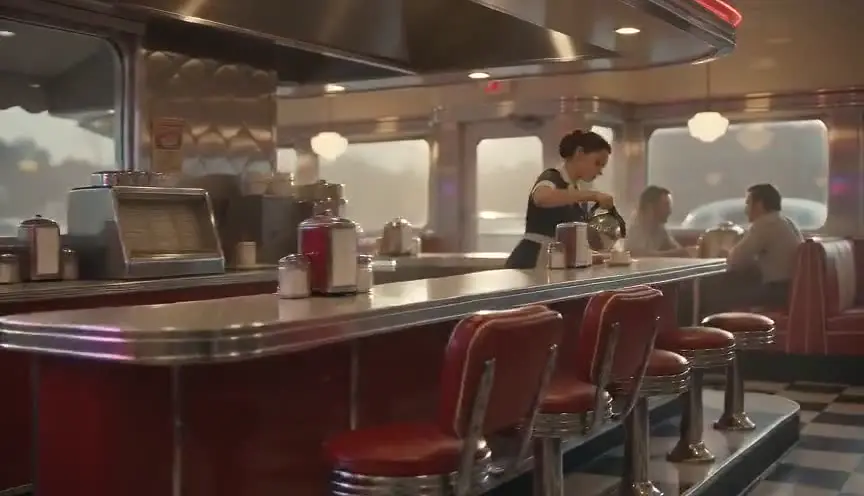
Floating camera
A floating camera drifts through space with no footsteps, no shake and no obvious operator, gliding at a height or speed a person could not hold. The audience feels watched by something that is not quite human: a ghost, a memory, the house itself.
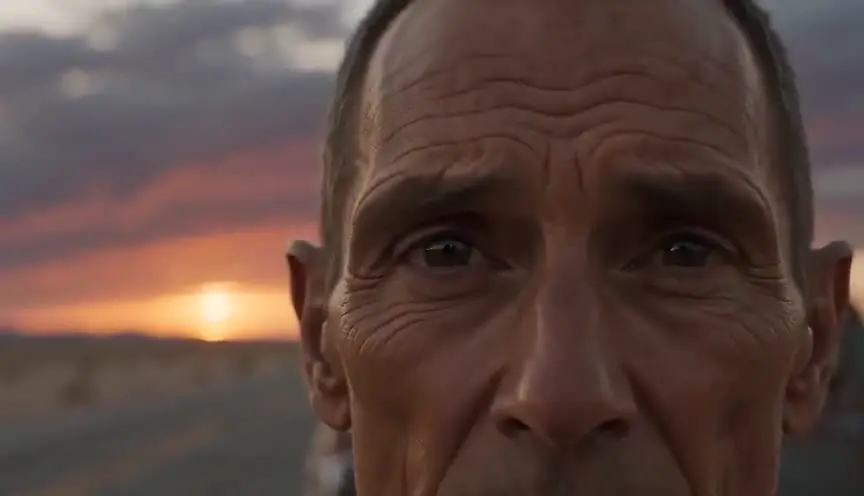
Zoom into the eye
A zoom into the eye pushes the frame from a face down to a single eye, sometimes all the way into the iris. The audience feels they have entered a character's mind at the instant of decision, fear or memory.
Earth zoom
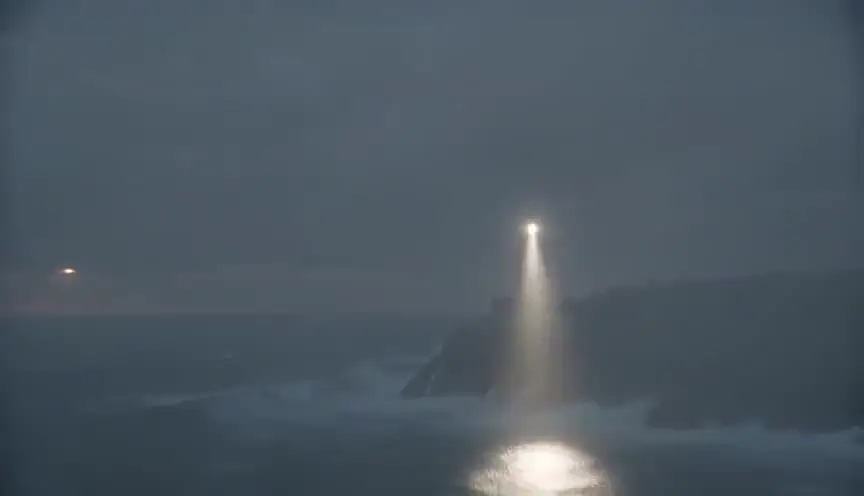
An earth zoom dives from a view of the whole planet through clouds, countries and city blocks down to a single street, roof or face. The audience travels from the largest possible scale to one life, and learns that this small place is where the story lives.
Car mount shot
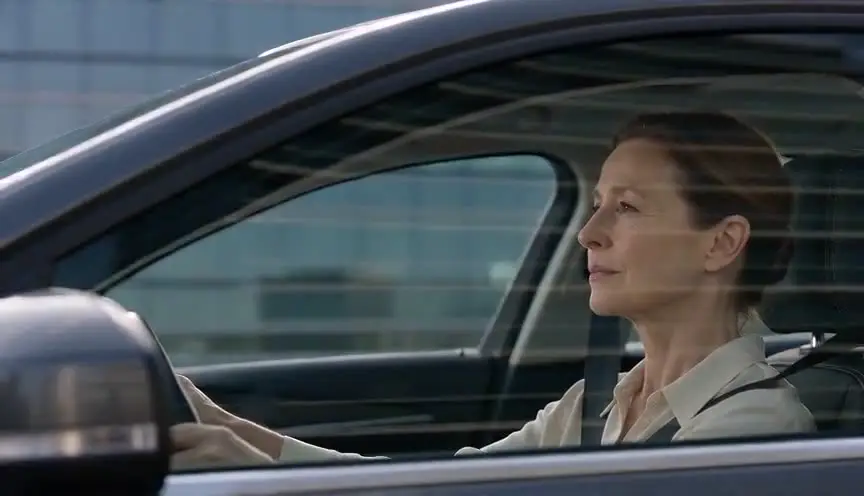
A car mount shot fixes the camera to the body of a vehicle, on the hood, the door or the dashboard, so the people inside stay framed while the road moves around them. The audience rides in the car with the characters, trapped in the same small space.
Chase car shot
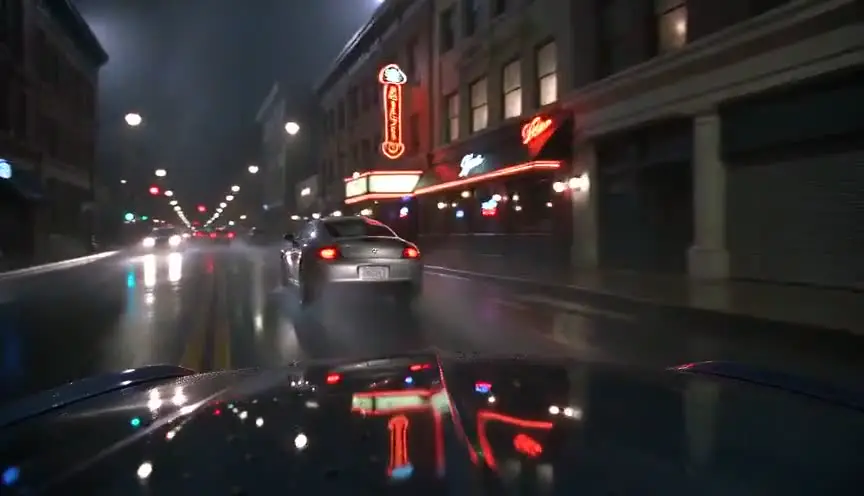
A chase car shot is filmed from a camera vehicle that drives beside, ahead of or behind the action, keeping a moving car, bike or runner in frame at speed. The audience feels the road rush under them and the gap between pursuer and prey shrink or grow.