Trunk shotLooking up from the car trunk
A trunk shot places the camera inside a car trunk, looking up at the characters who open the lid and lean over it. The audience takes the place of whatever lies inside, and the people above look down at us with curiosity, disgust or menace.
Also calledTrunk POV shotBoot shotInside-the-trunk shot
Camera angles
Why it works on screen
The trunk shot is a low angle with a built-in frame: the lid, the rim, the sky or the streetlights behind the faces. It traps the audience with the contents, a hostage, a body, stolen goods, something the characters have to deal with. It serves dark comedy, crime, threat and the moment of deciding what to do next. Because the characters talk to the trunk, the shot plays like a reaction shot aimed at us. A scene earns it when the story hinges on what is inside, and when the people above are about to argue, bargain or panic over it.
The shot list line
- Size
- Medium shot, faces framed by the trunk lid
- Angle
- Low angle from inside the trunk, looking up
- Movement
- Static
- Lens
- 14mm to 24mm
- Duration
- 3 to 8 s
Mount the camera on the trunk floor or use a cut-away rig, keep the lid in frame as a border, and light the faces from the street or a flashlight motivated in the scene.
Screenplay
On the page
Do not write "trunk shot" in a spec script. Write the trunk opening and the faces above it, and if the contents matter, describe them from inside: tape, darkness, then light as the lid lifts. A director reads that as an invitation. If a character is locked in the trunk, their POV is a natural and accepted way to put it on the page. The camera placement, the rig and the lens go in the shot list, especially since it may need a cut-out car.
EXT. VILLAGE ROAD, OUTSKIRTS OF AMRITSAR - NIGHT
A rented car, hazard lights blinking. Wedding music drifts from a tent across the fields.
The trunk lid lifts. Three faces lean in against the stars: HARPREET (20s), his cousin JASSI (20s) and their uncle BALDEV (60s), still in his turban from the ceremony.
They stare down in silence.
JASSI
That was the cake.
BALDEV
That was four layers of cake.
Storyboard
In the storyboard
Draw the trunk opening as a dark rectangular border around the panel, the lid edge at the top. Place the characters' faces and shoulders inside it, looking down at the lens, with the sky or streetlights behind them. Use converging lines to show the low angle. Add a side sketch of the car with the camera inside the trunk pointing up. Note the lens, the light source and whether the lid opens during the shot.
Pairs well with
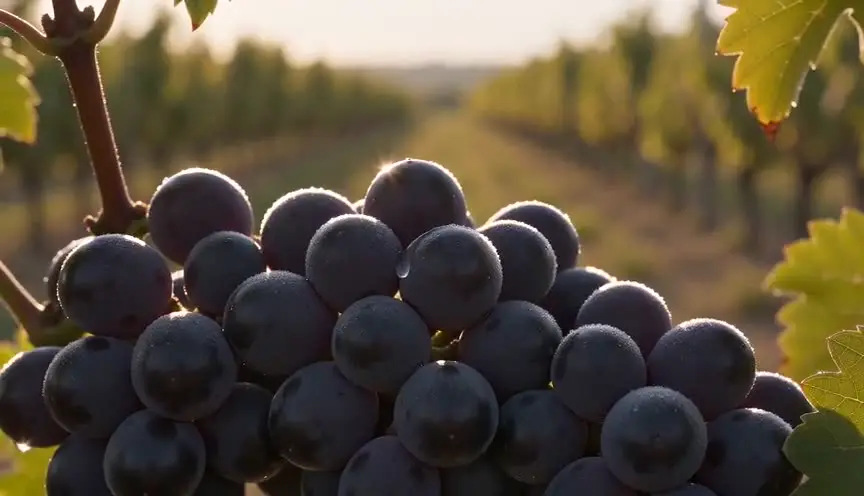
After the trunk shot on the faces, cut to an insert of what they are looking at inside. The reverse reveal pays off the question their expressions raised.
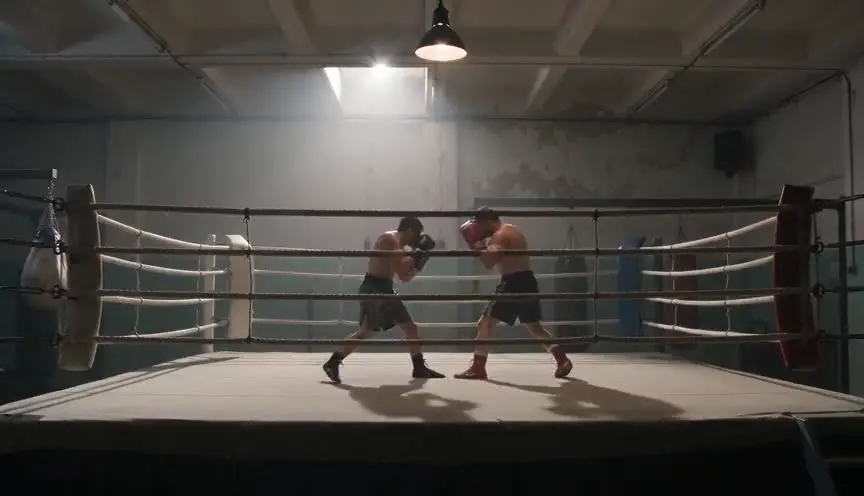
Before opening the trunk, show the car in a wide shot on an empty road or a parking lot. The isolation of the place raises the stakes of what the characters are about to find or hide.
Reference
Watch it in
Reservoir Dogs (1992)
Tarantino shoots Mr. Blonde and the others from inside a car trunk, a hemmed-in low view that became one of his recurring trademarks.
Kill Bill: Volume 1 (2003)
From inside the trunk where Sofie Fatale lies bound, the Bride looms above her captive in the aftermath of the House of Blue Leaves fight.
ScreenWeaver
Set it up in ScreenWeaver
Write the trunk opening and the faces leaning over it, and ScreenWeaver breaks the scene down into shots automatically. Open the shot, set the framing to a medium shot of the faces, choose a low angle from inside the trunk, keep the movement static and give it three to eight seconds. The characters, the car and the location carry from the shots around it. Use the AI previsualization to check how the lid frames the group before planning the rig.
Start writing for freeThe prompt behind this clip
This is the exact prompt that rendered the clip at the top of the page. Keep the description of the camera and the light, change the subject and the place.
Trunk shot: camera fixed low inside the open trunk of a sedan parked on a desert highway at dusk, looking straight up through the trunk opening. Two men lean over the frame from the sides, their faces backlit by the fading orange sky, the trunk lid's edge and a taillight cutting hard lines across the top of the frame. The men glance down at the camera, one reaches toward it, then straightens up as the trunk lid begins to swing shut, darkening the frame. Camera stays static, wide-angle, with only a slight handheld sway. No text.
Common mistakes
- 01
Unmotivated light
A brightly lit trunk at night looks fake. Motivate the light with a streetlamp, a phone flashlight or the car's own trunk bulb, and keep the faces slightly underlit.
- 02
Lens too long
A normal lens inside a trunk cannot fit the group and loses the enclosed feeling. Use a wide lens so the rim and several faces share the frame.
- 03
Using it for style only
The shot is closely linked to a few directors, and without a story reason it reads as a quotation. Use it when the trunk's contents drive the scene.