Documentary lookFiction that feels like evidence
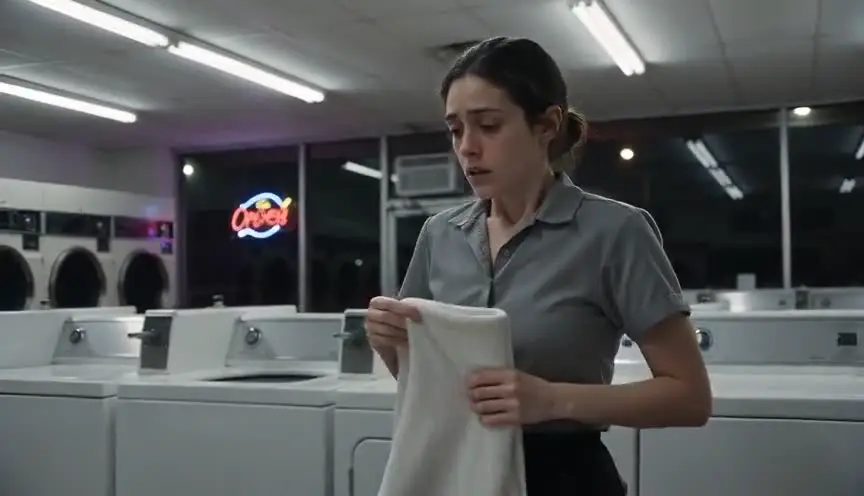
The documentary look gives fiction the texture of real reportage: handheld cameras, available light, reactive framing and imperfect focus. The audience believes they are watching events as they happen, not a scene designed for them.
Also calledObservational lookDocu-styleRun-and-gun lookReportage style
Genre looks
Why it works on screen
This look serves stories where credibility is everything: war, disasters, crime, social drama, historical events. It creates urgency and immediacy, and it keeps the audience from feeling safe, because the camera seems to know no more than they do. It suits characters caught in systems larger than themselves: soldiers, first responders, workers, families during a crisis. A story earns it when the stakes are real and the drama should feel lived, not staged. It also works in quieter drama, where the observing camera makes small gestures feel honest.
The shot list line
- Size
- Medium and close shots, found in the action
- Angle
- Eye level, often partly blocked by people or objects
- Movement
- Handheld, reacting to action
- Lens
- Zoom lens, 24mm to 105mm
- Duration
- Long takes, cut to feel caught rather than designed
Light the location for full freedom, let operators follow action rather than hit marks, and accept occasional soft focus or blocked frames.
Screenplay
On the page
The script can support the look through realistic behavior and dialogue: people talking over each other, radio chatter, procedures, incomplete information. Write events clearly, then let them be messy. Do not direct the camera or say "documentary style" in action lines of a spec script. The approach, including how many cameras and how much improvisation, is decided with the director and planned in the shot list.
INT. FIRE STATION 7, APPARATUS BAY - DAYTON, OHIO - DAY
The alarm tone cuts through a half-eaten lunch.
LIEUTENANT DANA KOWALCZYK (40s) reads the printout while pulling on her coat. Three firefighters move around her without being told.
PROBIE RASHAD MILLS (22) drops his helmet, grabs it, keeps going.
DANA
Structure fire, two-story, possible entrapment. Mills, you're on me.
Storyboard
In the storyboard
Draw a floor plan of the location with arrows for actors' movements and several camera positions marked as circles. Add a few loose panels for key moments the cameras must capture. Draw frames partly blocked by shoulders or doors. Use wavy arrows for handheld. Under the panels, list the beats in order and note which camera covers which beat.
Pairs well with
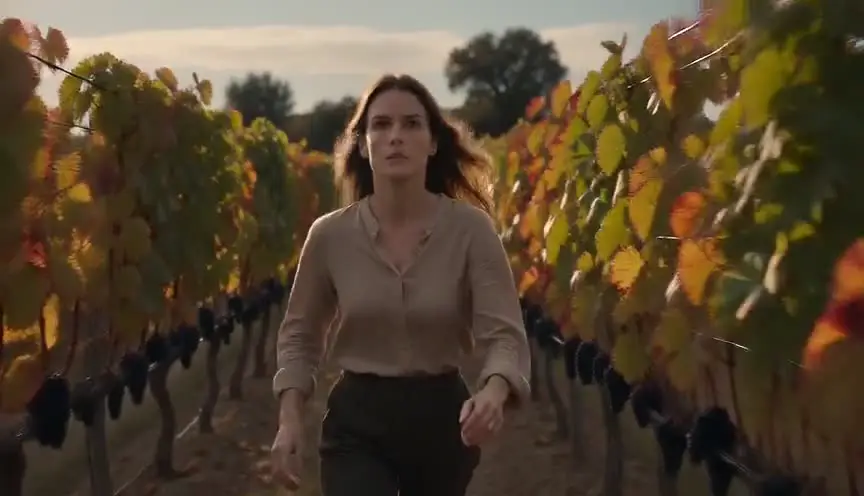
Handheld is the heart of the documentary look. The camera breathes and reacts like a person, making the audience a witness rather than a spectator.
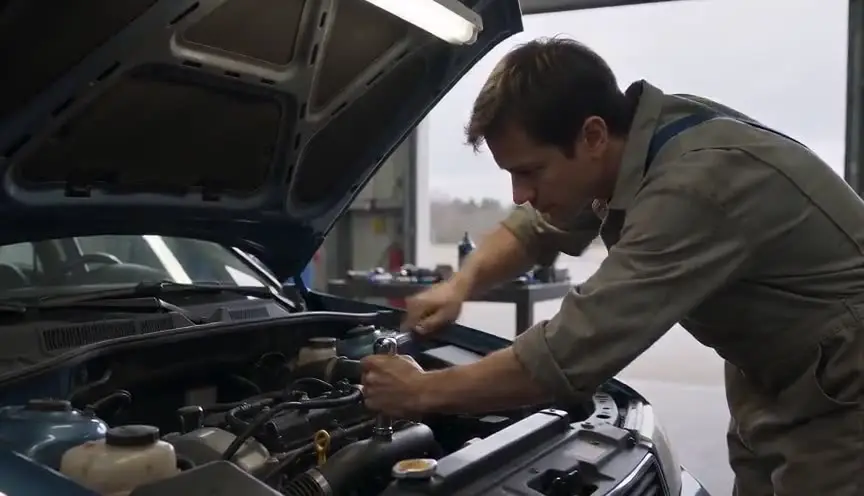
Using existing light keeps the image honest and the space open. It allows actors and cameras to move freely, which the style needs.
Reference
Watch it in
United 93 (2006)
Several handheld cameras, existing light and quick reframing make the reconstructed events play like live news coverage.
The Hurt Locker (2008)
Kathryn Bigelow shoots combat handheld and in natural light so the scenes look like footage from an embedded war reporter.
ScreenWeaver
Set it up in ScreenWeaver
Write the events clearly with realistic behavior, and ScreenWeaver breaks the scene down into shots automatically. Open each shot and set medium or close framings, eye-level angles, handheld movement and long durations. Note which key beat each shot must catch. Characters, locations and references carry from shot to shot, and the AI previsualization helps you check that the audience can follow the action even with loose framing.
Start writing for freeThe prompt behind this clip
This is the exact prompt that rendered the clip at the top of the page. Keep the description of the camera and the light, change the subject and the place.
Documentary look: handheld camera follows two adults, a woman in her forties and a man in his sixties, as they cross a Moroccan riad courtyard toward a tiled fountain, the frame bobbing slightly with each step and drifting a beat behind their motion. Framing stays loose and imperfect, cutting the woman off at the shoulder for a moment. Available daylight pours through the open roof only, no added lights, exposure shifting slightly as they move through shade and sun. The operator makes a quick manual refocus as the subjects pass close to the lens. No text.
Common mistakes
- 01
Perfect framing
Beautiful, composed frames betray the look. Let operators find the action, accept obstructions, and avoid obviously designed shots.
- 02
Lost audience
Chaotic camera without geography confuses viewers. Establish the space with a wider shot early, then let the handheld get messy.
- 03
Overlit sets
Heavy film lighting makes a scene look staged. Work with windows, overheads and practicals, adding only what is needed for exposure.