38 techniques
LightingMood you can write for
Light tells the audience how to feel before anyone speaks. Hard light and deep shadow bring tension, soft light brings intimacy, a single practical lamp brings loneliness. Most of a film's mood is decided here.
Writers shape light more than they realize, through time of day, locations and the sources they put in a room: a candle, a neon sign, a fridge door. These pages show each technique and how to carry it from the page to the set.
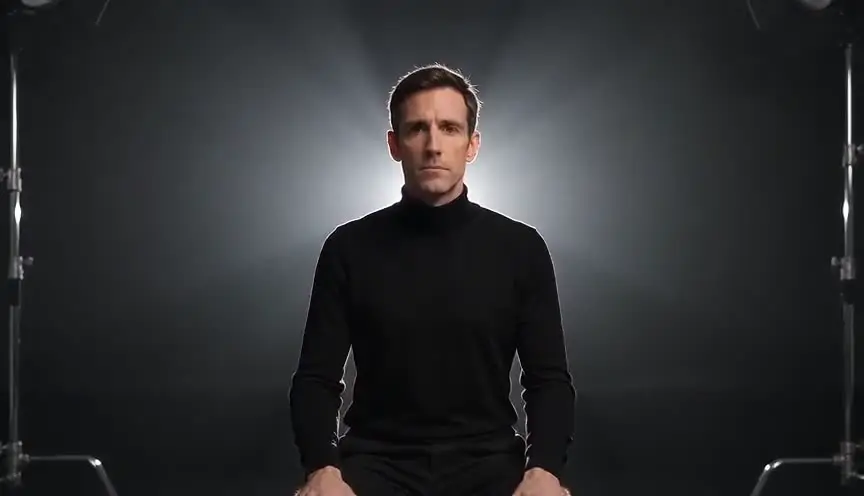
Three-point lighting
Three-point lighting builds a face from three sources: a key light that models it, a fill that softens the shadows, and a backlight that separates it from the background. The audience sees a clear, dimensional person, and rarely notices the lights at all.
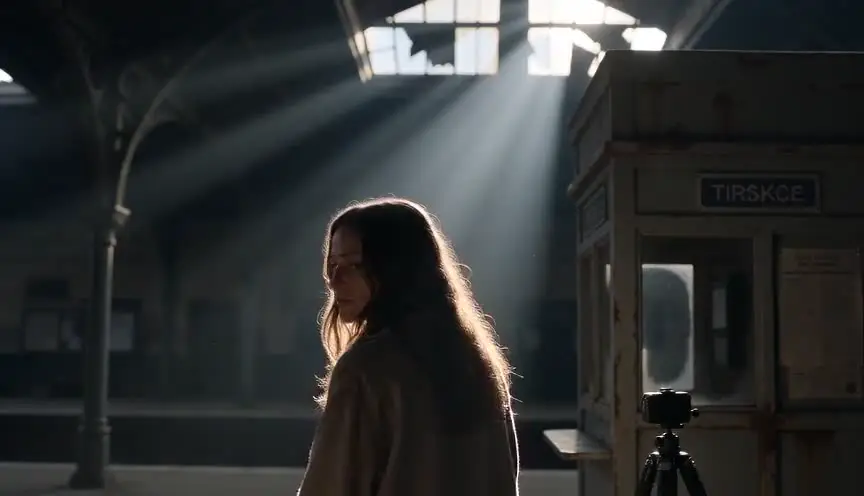
Key light
The key light is the main and brightest source on a subject, the one that sets the direction, shape and quality of the light. Where it sits and how hard it is decide how the audience reads a face before a word is spoken.
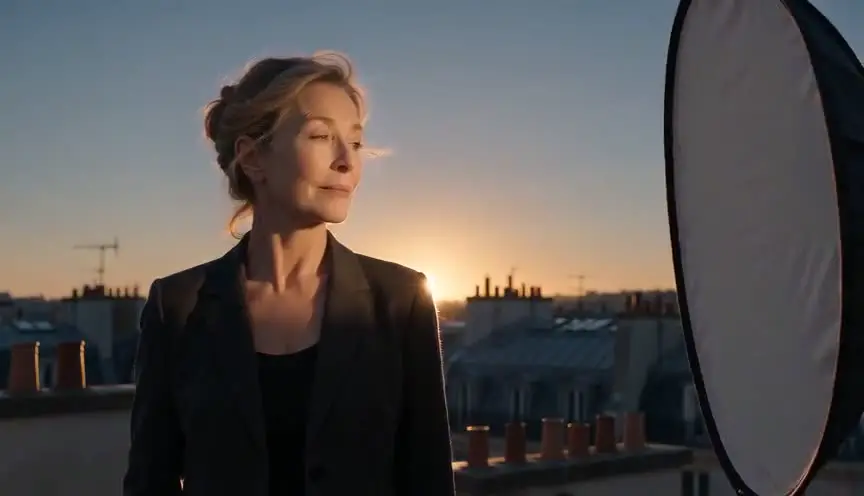
Fill light
A fill light is a softer, weaker source placed opposite the key to lift the shadows it creates. How much fill you add decides whether a face looks open and gentle or hard and secretive.
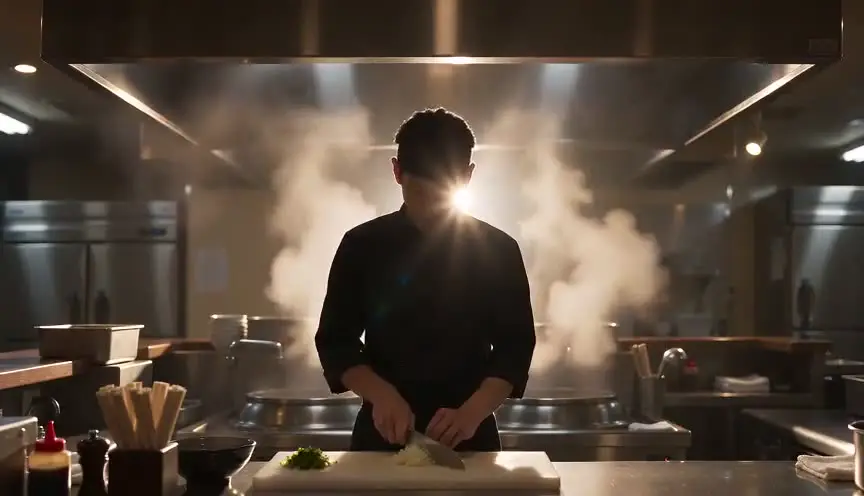
Backlight
A backlight sits behind the subject, aimed toward the camera, so it outlines hair and shoulders and lifts them off the background. Pushed stronger, it turns people into glowing shapes or silhouettes, and the audience feels distance, mystery or grace.
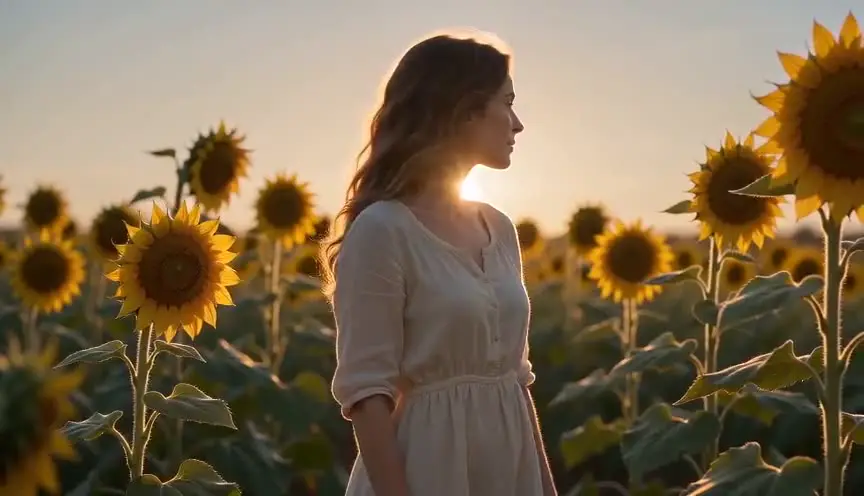
Rim light
A rim light is placed behind and slightly to the side of a subject so it draws a thin, bright outline along the head, shoulders or body. The figure lifts out of a dark background, and the audience reads the shape clearly even when the face stays in shadow.
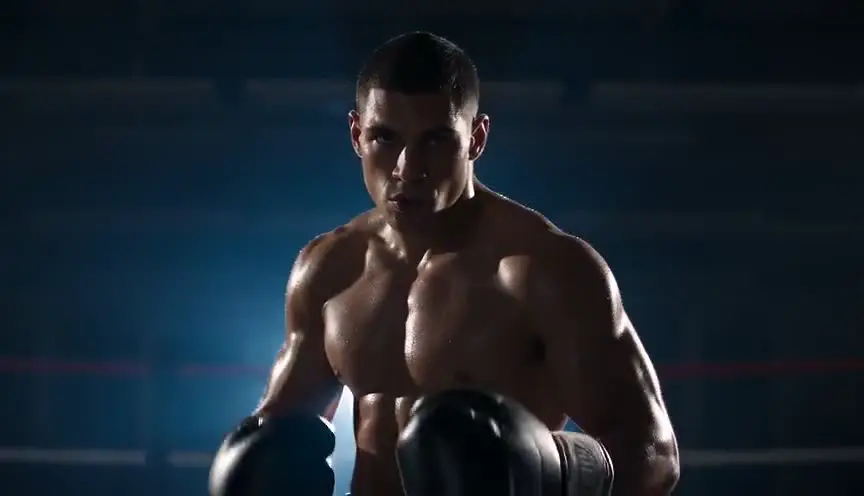
Kicker light
A kicker light comes from behind and to one side of a subject, often low, and grazes the edge of the cheek, jaw or body. It carves the shape out of the shadows, and the audience feels texture, tension and physical presence.
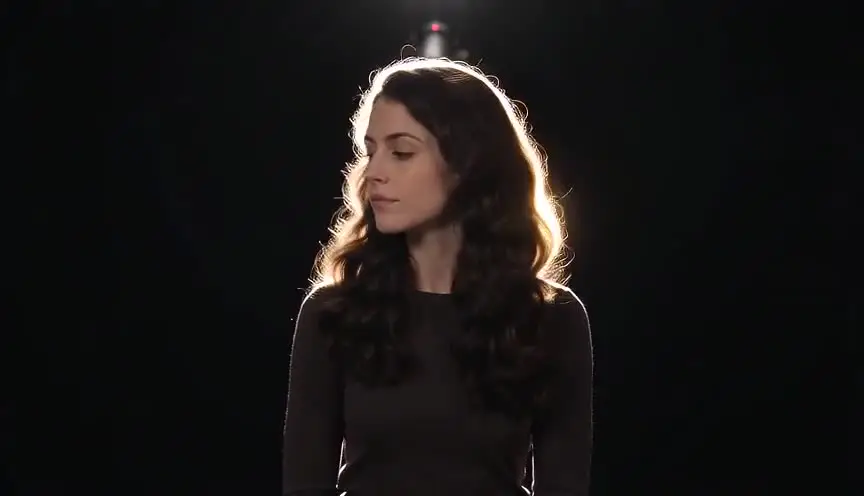
Hair light
A hair light shines from above and slightly behind a subject, lighting the top and back of the head. It separates the hair from the background and adds a soft glow, and the audience sees the character as polished, special or remembered.
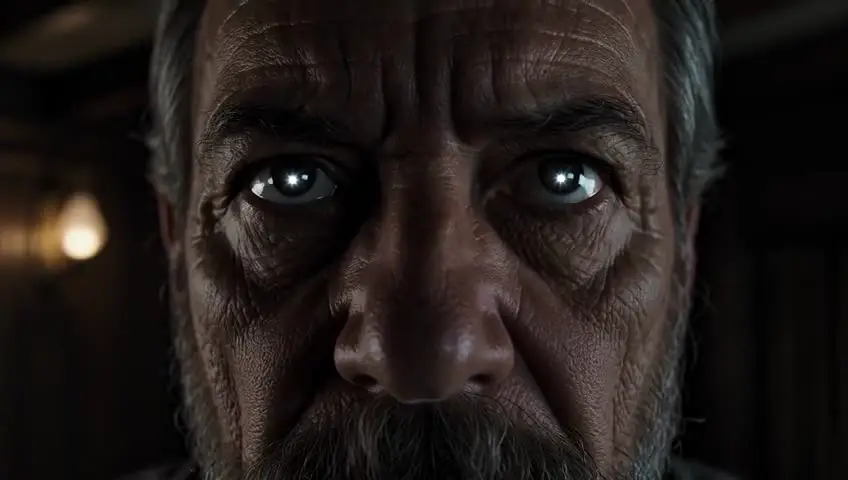
Eye light
An eye light is a small, soft source placed near the camera to put a bright reflection, a catchlight, in the actor's eyes. The eyes look wet, alert and alive, and the audience feels a direct connection to the person behind them.
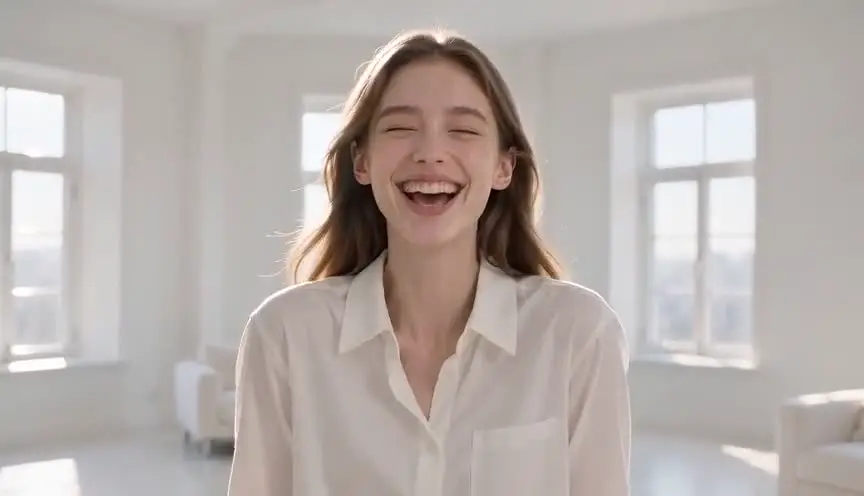
High-key lighting
High-key lighting fills the frame with soft, even light and keeps shadows thin and pale, so faces and sets read clearly from edge to edge. The audience relaxes, or, when the brightness feels too perfect, starts to suspect it.
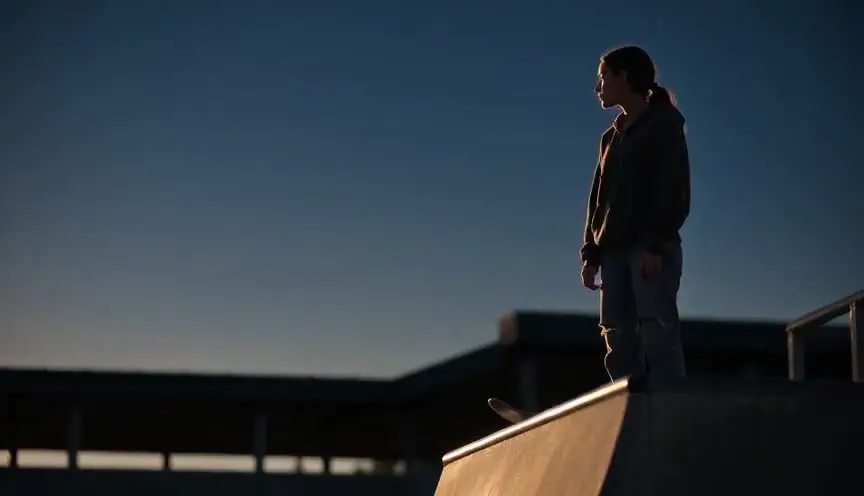
Low-key lighting
Low-key lighting keeps most of the frame in deep shadow and lets a few hard sources pick out faces, hands and objects. The audience leans in, unsure of what the dark is hiding.
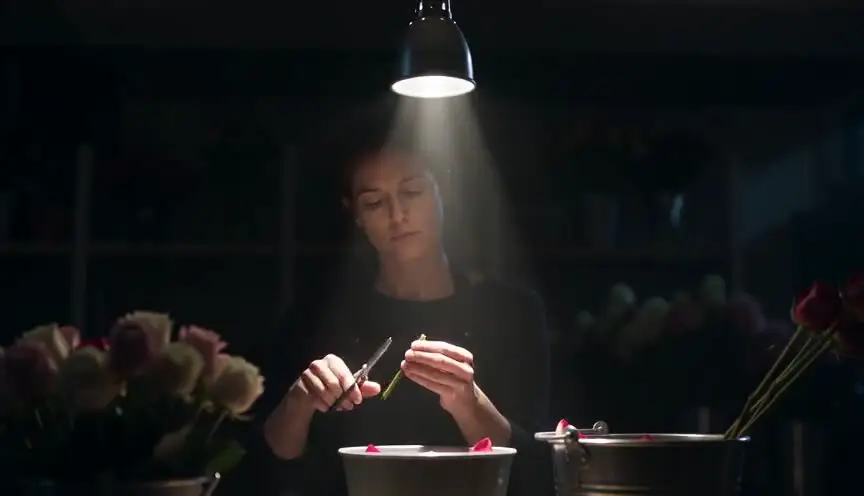
Chiaroscuro
Chiaroscuro sets a strong, directional light against deep darkness so forms emerge from the shadow like figures in an old painting. The audience reads volume, texture and weight, and feels the gravity of what they are looking at.
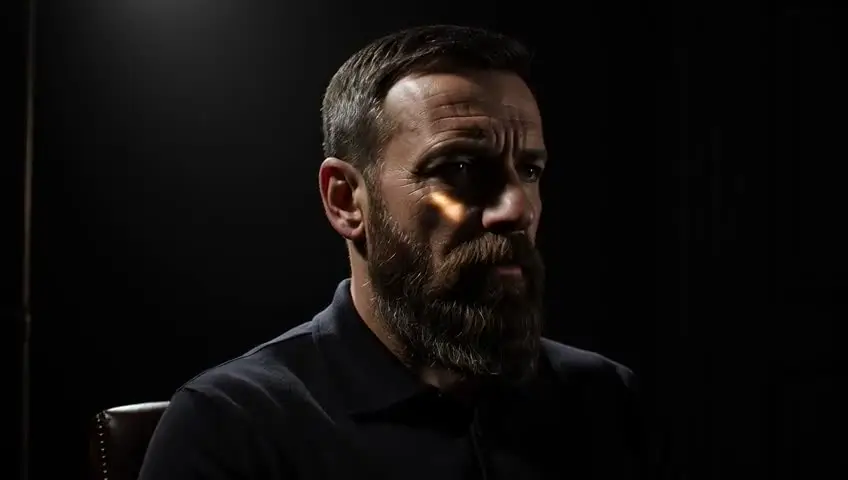
Rembrandt lighting
Rembrandt lighting places one key light high and about 45 degrees to the side, so the far cheek falls into shadow except for a small triangle of light under the eye. The face looks sculpted and serious, and the audience senses that half of this person stays hidden.
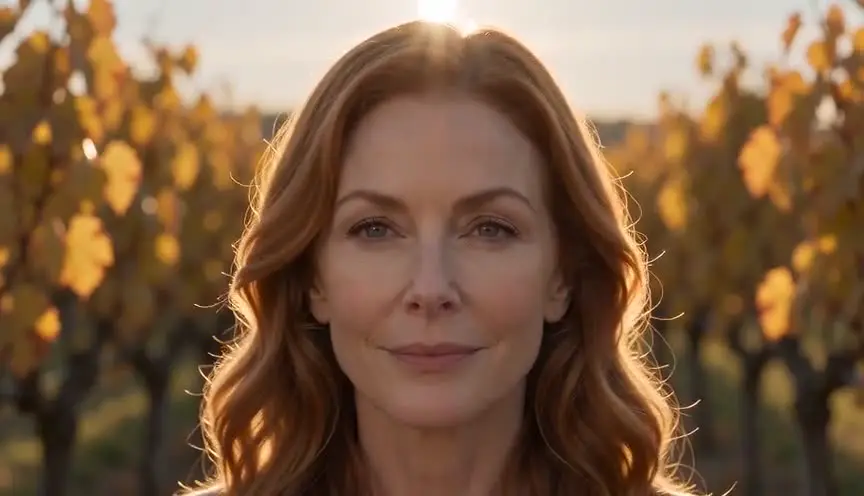
Butterfly lighting
Butterfly lighting puts the key high and directly in front of the face, so a small, symmetrical shadow falls under the nose like a butterfly. Cheekbones lift, skin smooths out, and the audience sees the character the way a poster would show them.
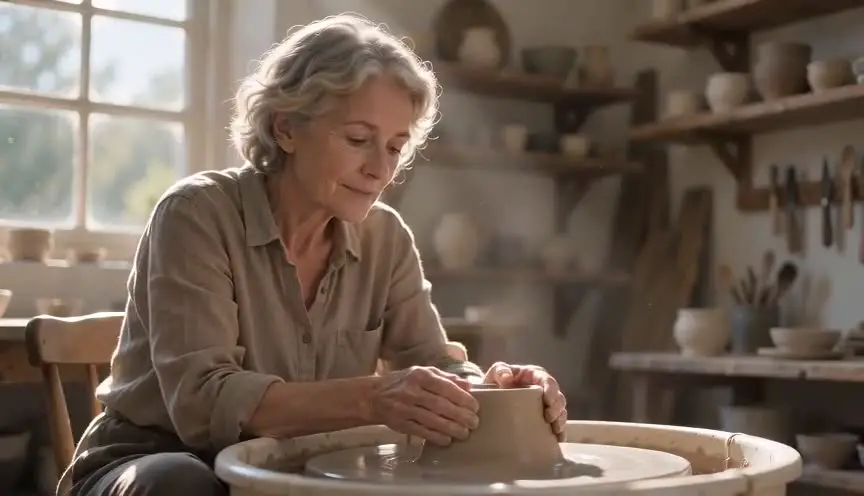
Loop lighting
Loop lighting places the key slightly above eye level and 30 to 45 degrees to one side, so the nose casts a small shadow that curves toward the cheek without touching it. Faces look natural, open and dimensional, and the audience trusts the person speaking.
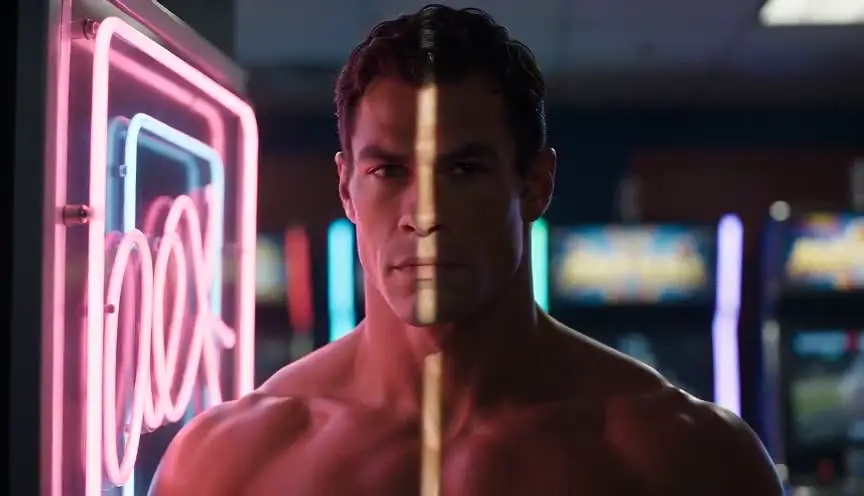
Split lighting
Split lighting puts the key at 90 degrees to the face, so one half is lit and the other half falls into shadow along the line of the nose. The audience sees a person cut in two, and starts wondering which half is true.
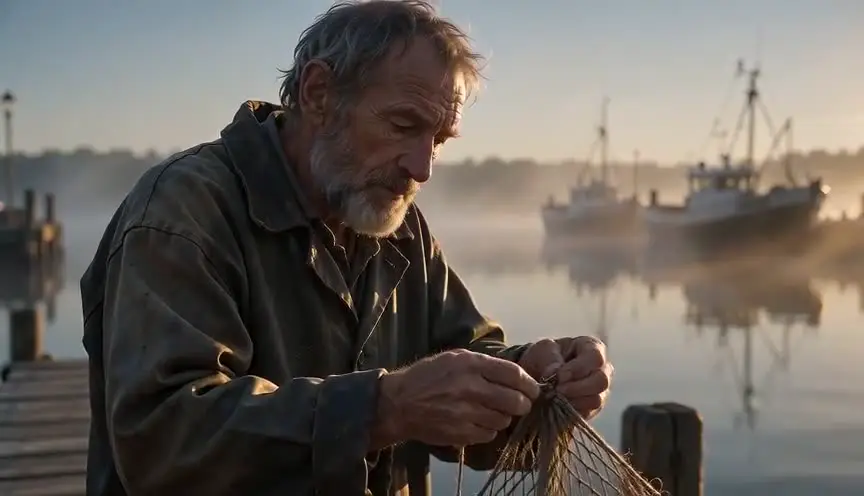
Short lighting
Short lighting keys the side of the face turned away from the camera, so the side nearest the lens falls into shadow. The face looks slimmer and more sculpted, and the audience senses a person with an inner life they are not sharing.
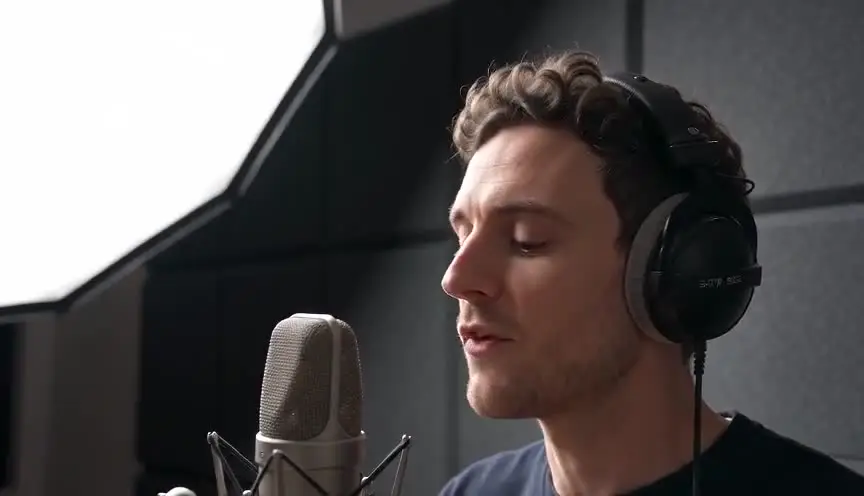
Broad lighting
Broad lighting keys the side of the face turned toward the camera, so the widest, nearest part of the face is lit and the shadow falls on the far side. The face looks fuller, softer and more open, and the audience feels invited in.
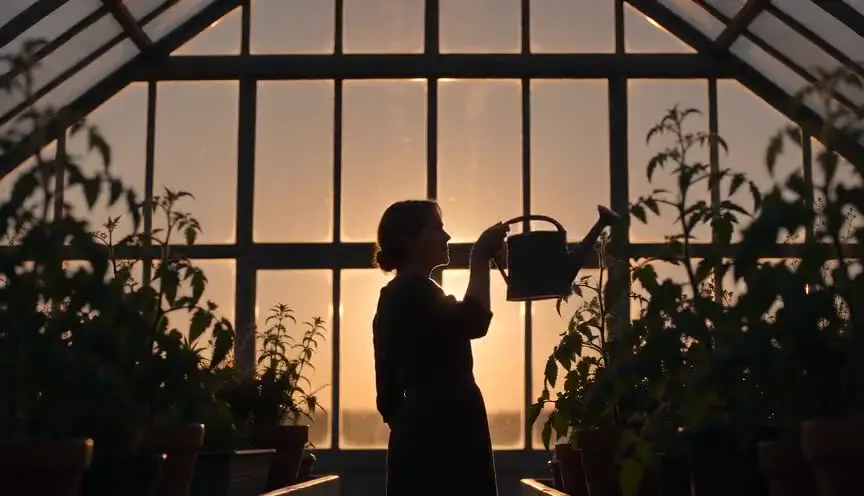
Silhouette
A silhouette puts a subject in front of a much brighter background and exposes for the background, so the subject becomes a solid dark shape with no inner detail. The audience reads posture and outline instead of a face, and the image turns into a symbol.
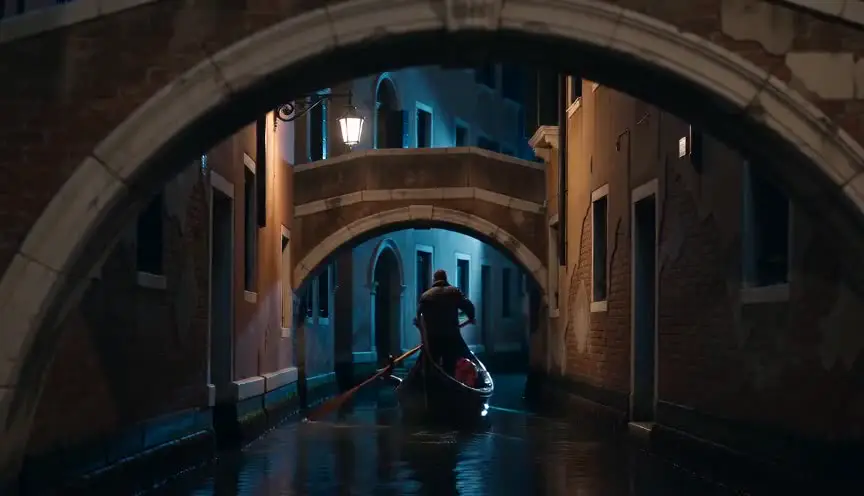
Motivated lighting
Motivated lighting means every light on the actors appears to come from a source in the story world: a lamp, a window, a screen, a fire, a passing car. The audience never notices the lighting, so they believe the room.
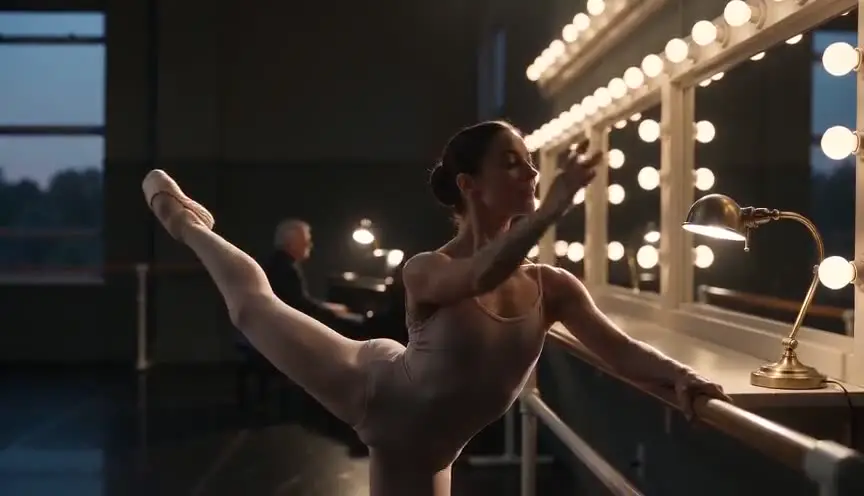
Practical lighting
Practical lighting uses light sources that appear inside the frame, such as lamps, candles, neon signs, screens and bulbs, to light the scene or to look as if they do. The audience sees where the light comes from, so the world feels lived in and real.
Available light
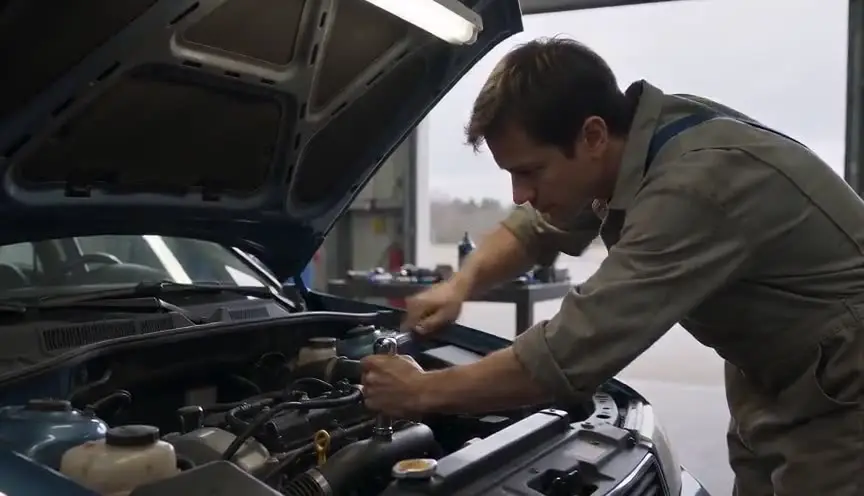
Available light means shooting with the light that exists in the location, sunlight, skylight, street lamps, candles, shop fronts, with few or no film lamps added. The audience feels the texture of a real place at a real hour.
Bounce light
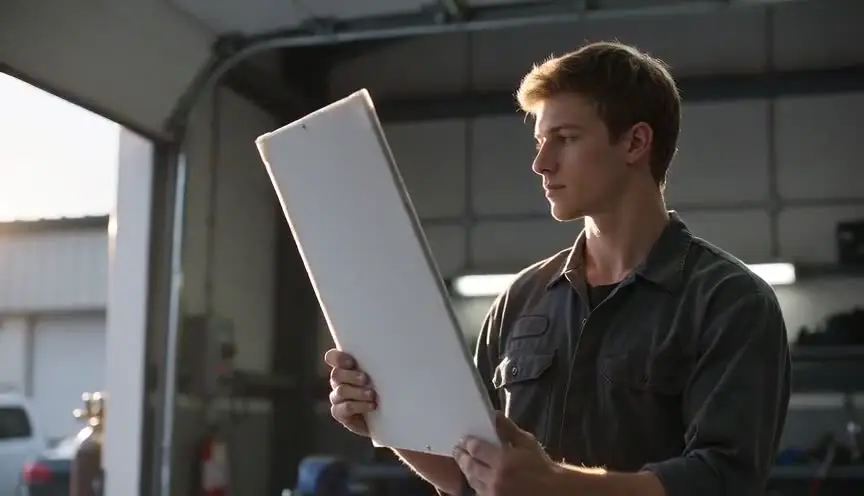
Bounce light sends a source into a surface, a white card, a wall, a ceiling, the sand, and uses the reflection to light the scene. The light arrives soft and wide, so faces look gentle and shadows stay open.
Hard light
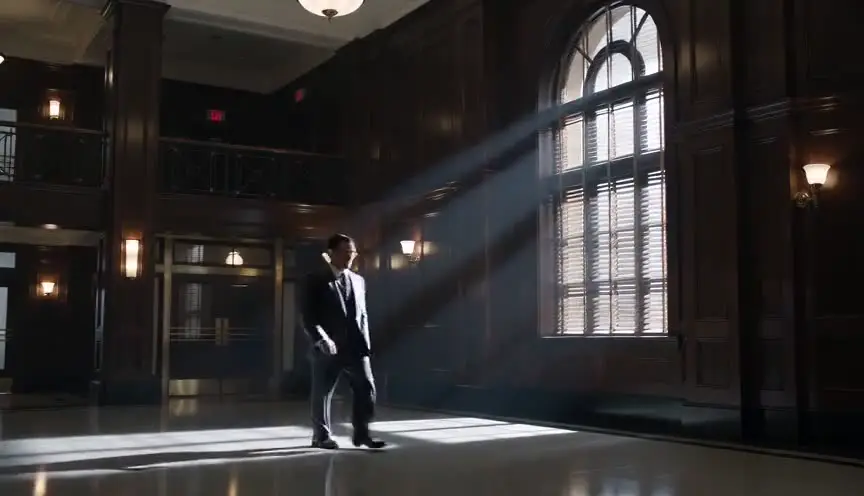
Hard light comes from a small or distant source with nothing to soften it, so it throws crisp shadows with a sharp edge. Faces look textured and severe, and the audience feels heat, pressure or danger.
Soft light
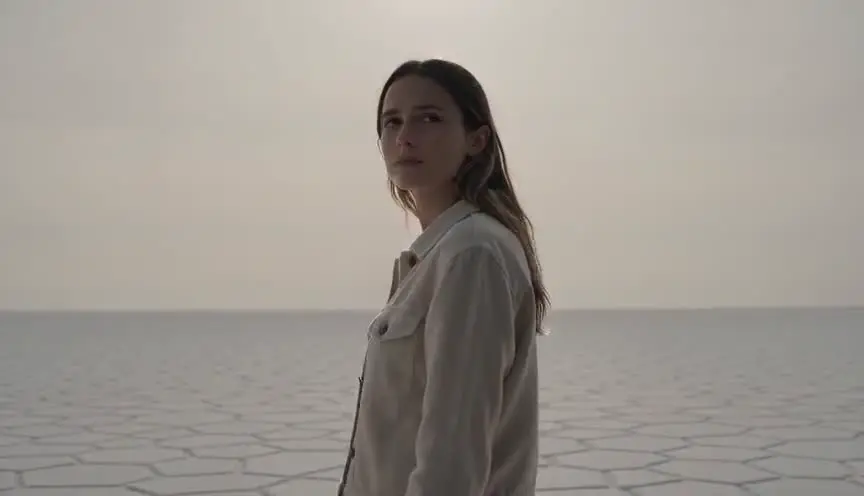
Soft light comes from a large source relative to the subject, such as a cloudy sky, a big window or a diffusion frame, so shadows fade gently with no hard edge. Faces look calm and forgiving, and the audience relaxes into the scene.
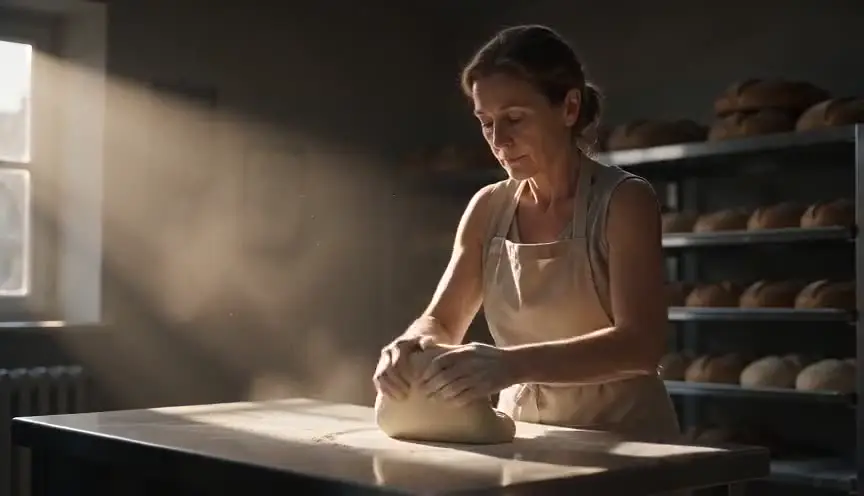
Side lighting
Side lighting comes from one side of the subject, roughly at a right angle to the camera, so it rakes across surfaces and leaves the other side in shadow. Faces, hands and objects gain texture and depth, and the audience senses that something stays out of view.
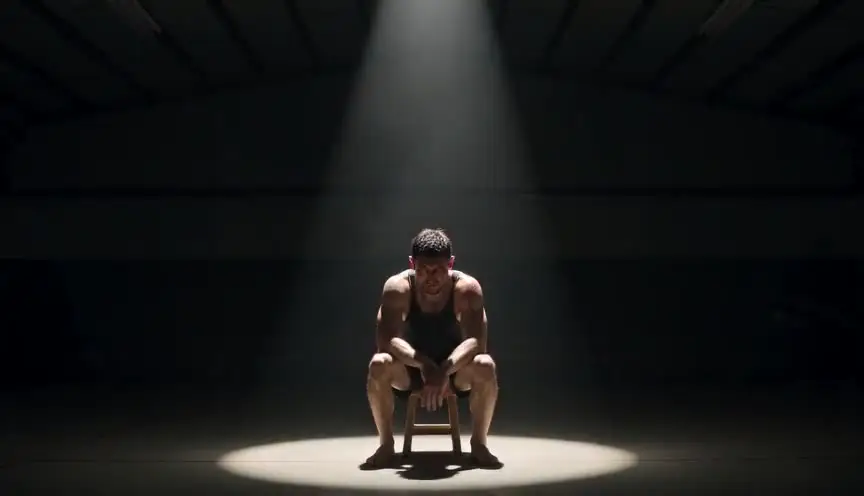
Top light
Top light falls straight down on the subject from above, so the brow, nose and chin throw shadows downward and the eyes sink into dark hollows. The audience finds the person harder to read, more isolated, sometimes more powerful or more exposed.
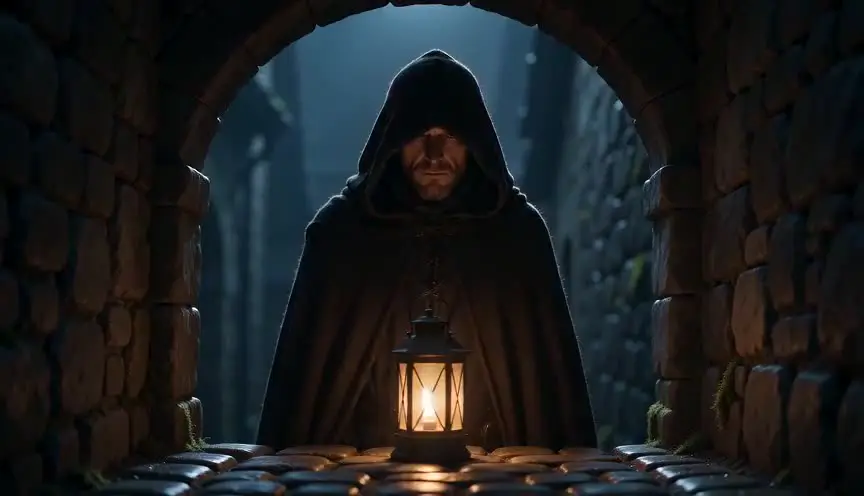
Underlighting
Underlighting places the source below the face, so shadows climb upward over the nose, cheeks and brow instead of falling down. Because daylight never does this, the face looks unnatural, and the audience feels unease, menace or the thrill of a ghost story.
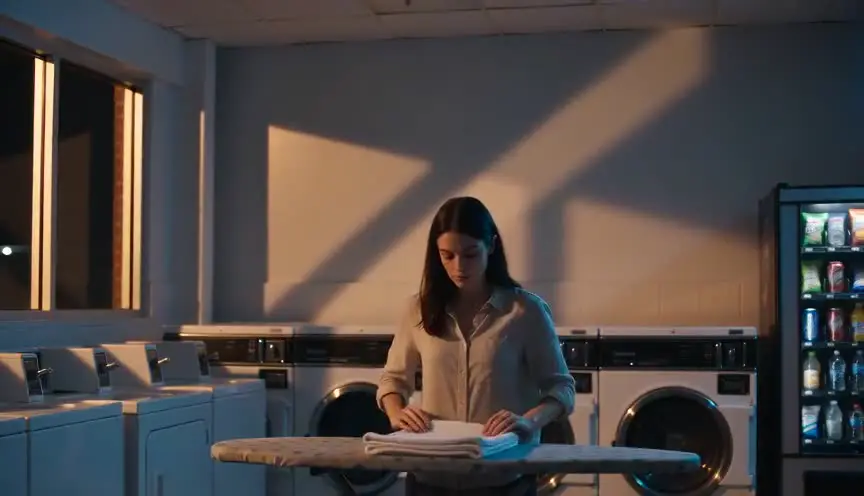
Cross lighting
Cross lighting uses two sources on opposite sides of the subject, each acting as a key for one side and a rim for the other. Subjects are carved out of the space from both directions, and the audience feels tension, conflict or theater.
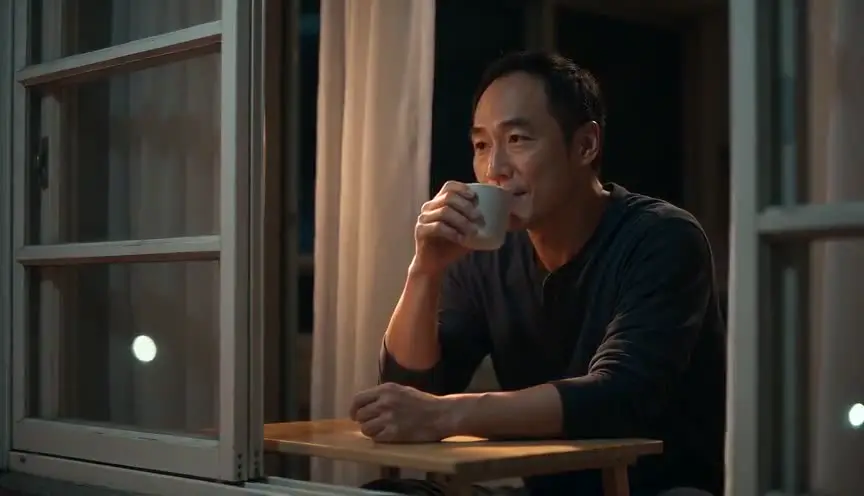
Window light
Window light uses daylight entering through a window as the main source of a scene, or imitates it with film lamps placed outside. It gives soft, directional light that falls off across the room, and the audience feels the time of day and the world outside.
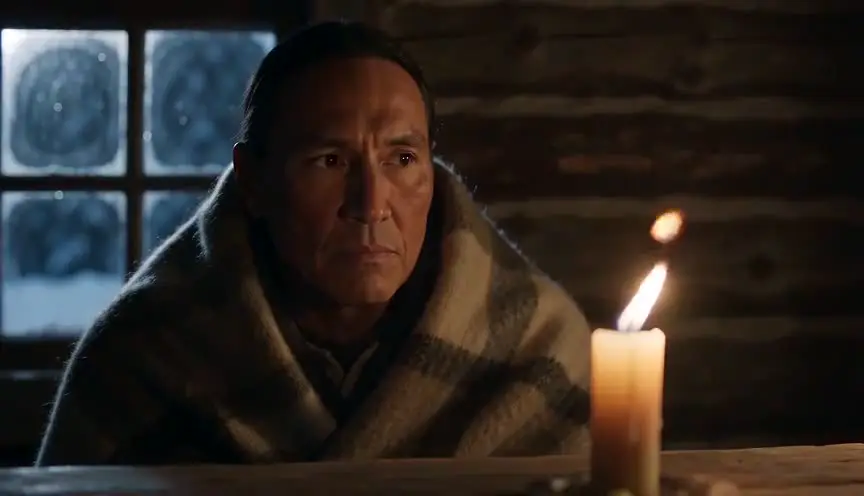
Candlelight
Candlelight lights a scene with candle flames, real or reproduced, giving a warm, low, flickering glow that falls off quickly into darkness. The world shrinks to the circle of the flame, and the audience leans in close to the people inside it.
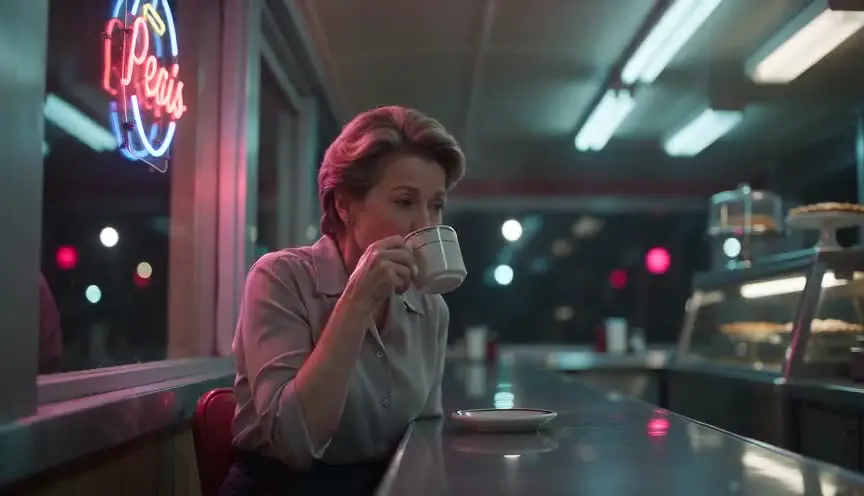
Neon lighting
Neon lighting uses colored tubes, signs and LED strips as visible sources, washing faces and streets in saturated pinks, blues, greens and reds. The audience enters a nocturnal, urban world that feels electric, lonely or dreamlike.
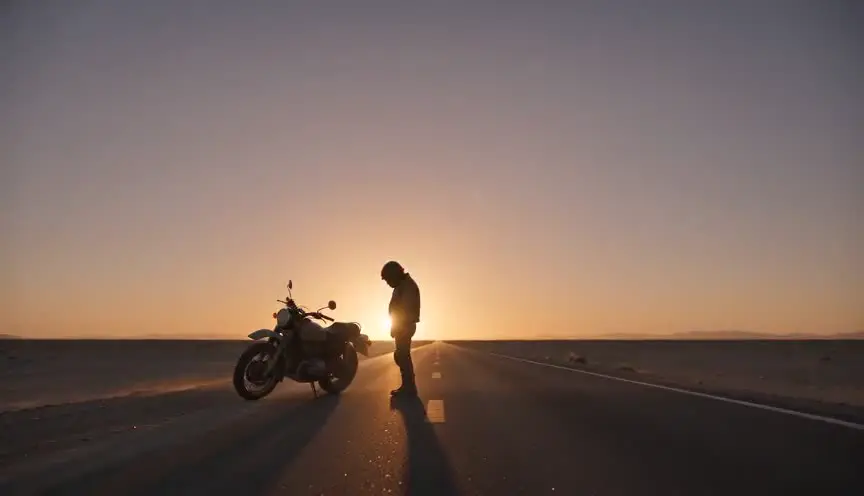
Golden hour
Golden hour is the short time after sunrise and before sunset when the sun sits low, its light turns warm and soft, and shadows stretch long across the ground. Faces glow, landscapes deepen, and the audience feels that the moment is beautiful because it is ending.
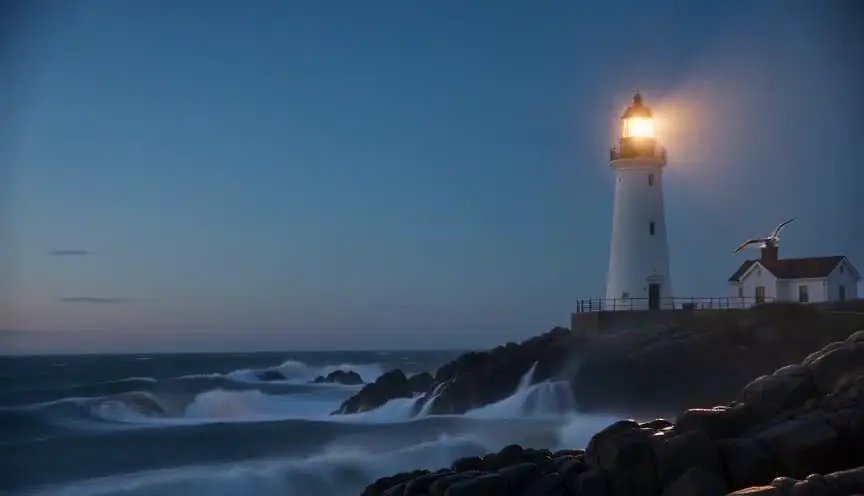
Blue hour
Blue hour is the short twilight before sunrise or after sunset when the sun is below the horizon and the sky turns a deep, even blue. Warm city lights and cool sky share the frame, and the audience feels suspended between one state and another.
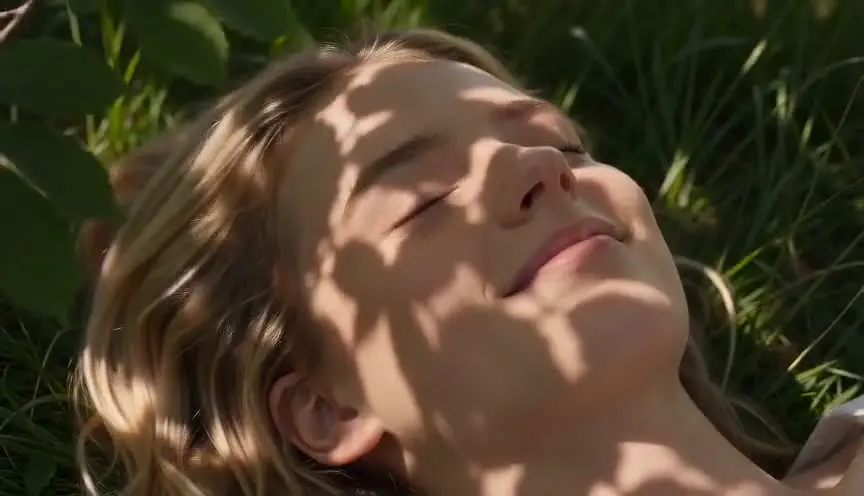
Dappled light
Dappled light is light broken into patches by something in its path, such as leaves, lattices, screens or blinds, so it falls on faces and floors in irregular spots and stripes. The image feels alive and textured, and the audience senses both beauty and concealment.
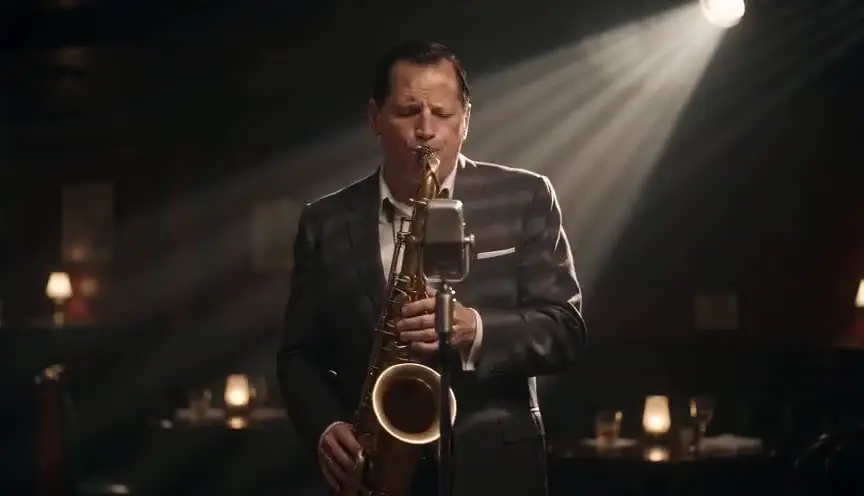
Gobo lighting
Gobo lighting places a cutout (a gobo or a cookie) between a hard light and the scene, so the light lands in a pattern: blinds, window bars, leaves, a grille. The frame gets texture and a hint of a world beyond it, and the audience feels the mood the shape suggests.
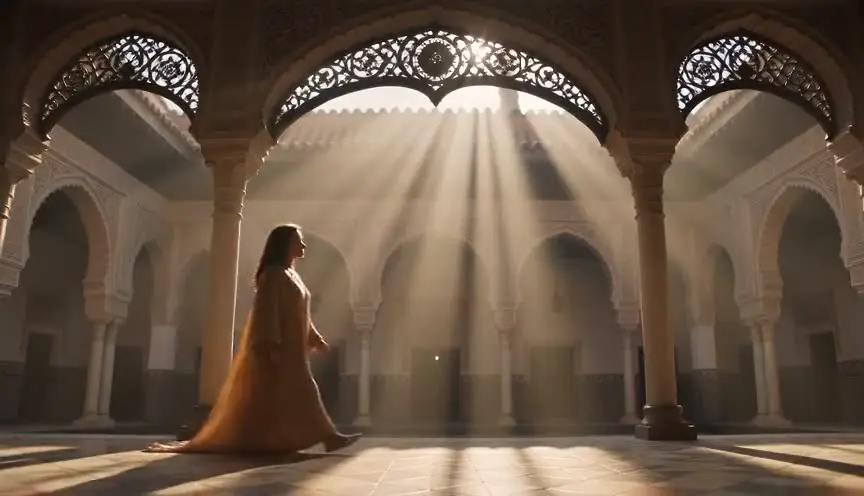
Volumetric light
Volumetric light makes beams visible in the air, as light passes through haze, smoke, dust, fog or steam and draws shafts across the frame. The space gains depth and scale, and the audience feels awe, mystery or the sacred.
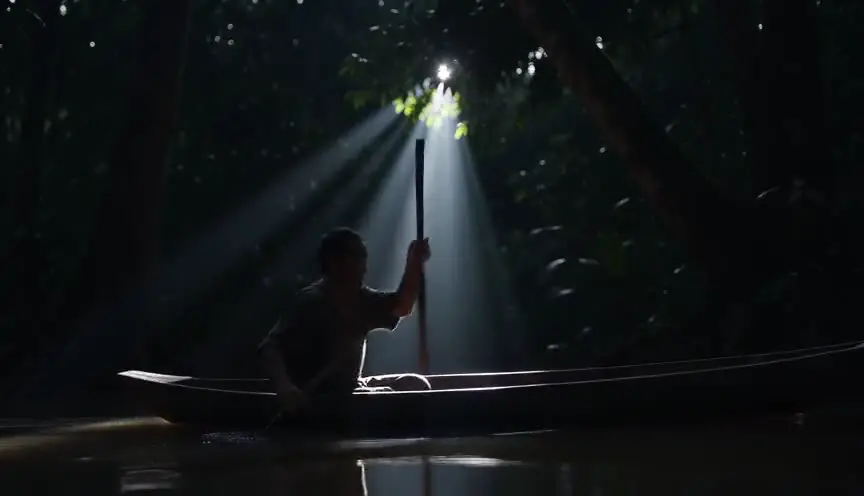
Cameo lighting
Cameo lighting lights only the subject, usually a face or a figure, and lets the background fall to pure black, like a carved portrait on a dark stone. The world disappears, and the audience has nowhere to look but at the person.
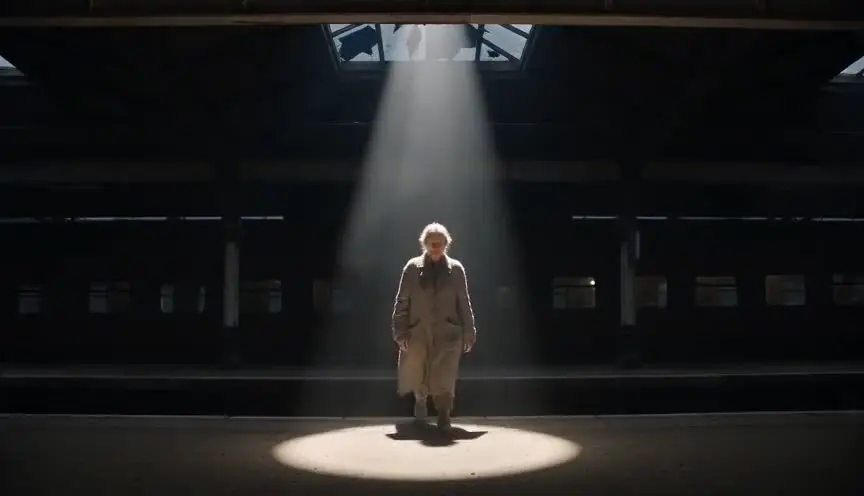
Spotlight
A spotlight throws a narrow, hard beam that creates a bright pool on one character or area while the surroundings stay darker. The audience knows exactly where to look, and feels what it is like to be singled out.