16 techniques
Editing and transitionsWhat happens between two shots
Editing is where a film finds its rhythm. A cut can link two ideas, jump through time, shock, or let two stories race each other. The space between shots is as expressive as the shots themselves.
This is the family screenwriters touch the most: transitions like MATCH CUT TO or INTERCUT are accepted on the page. Each page shows the technique, when to write it and when to leave it to the editor.
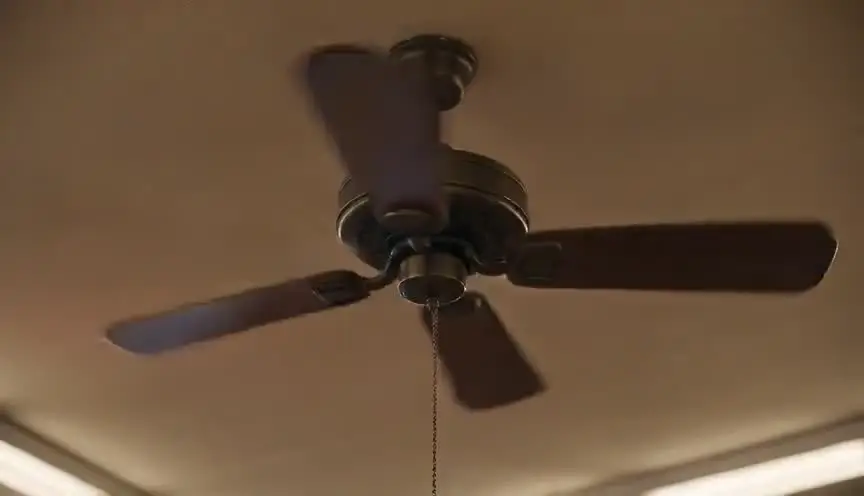
Match cut
A match cut joins two shots that share a shape, a movement or a sound, so the eye carries straight across the edit into a new time or place. The audience feels a connection between the two images before they can explain it.

Graphic match
A graphic match cuts between two shots whose shapes, lines, colors or compositions line up in the frame. The audience's eye stays on the same spot while the subject changes, and the likeness plants an idea without a word.

Match on action
A match on action cuts from one shot to another in the middle of a movement, so the action begins in the first shot and finishes in the second. The audience follows the motion across the cut and barely notices the edit.

Jump cut
A jump cut removes a slice of time within a shot, so the subject seems to leap from one position to another while the framing barely changes. The audience notices the edit, and that visible skip creates restlessness, impatience or humor.
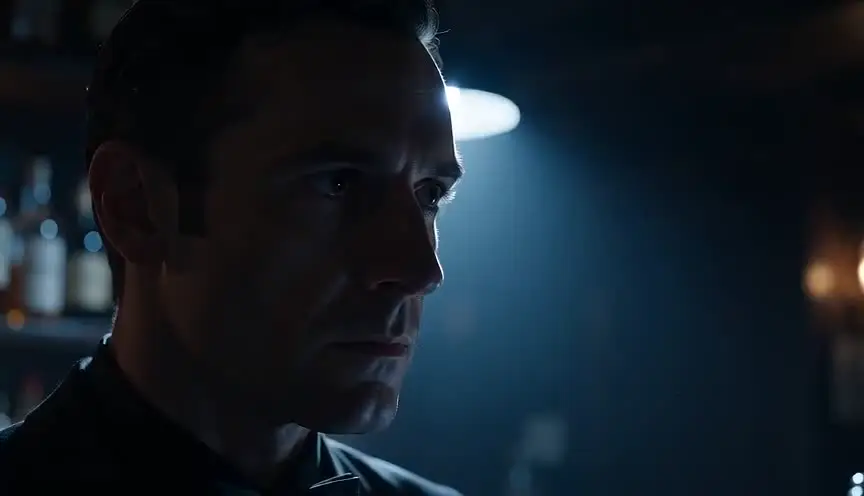
Smash cut
A smash cut jumps without warning from one scene to a sharply different one, often mid-moment, from loud to silent, calm to chaos, or promise to failure. The audience feels the jolt physically, and the contrast becomes the joke or the shock.
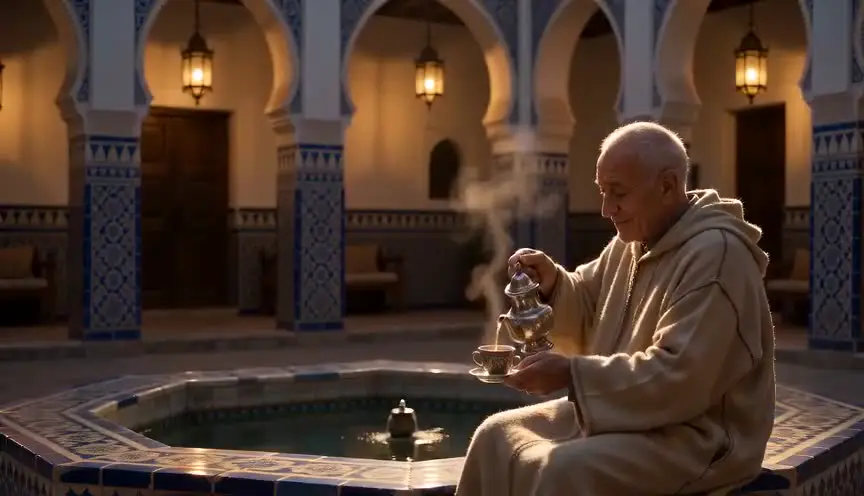
Dissolve
A dissolve fades one shot out while the next fades in, so for a moment both images share the screen. The audience feels a gentle passage of time or a link between the two, softer than a cut.

Fade in and fade out
A fade brings the image up from black (or white), or takes it down into black. The audience experiences it like opening or closing their eyes, a clear beginning, ending or pause in the story.
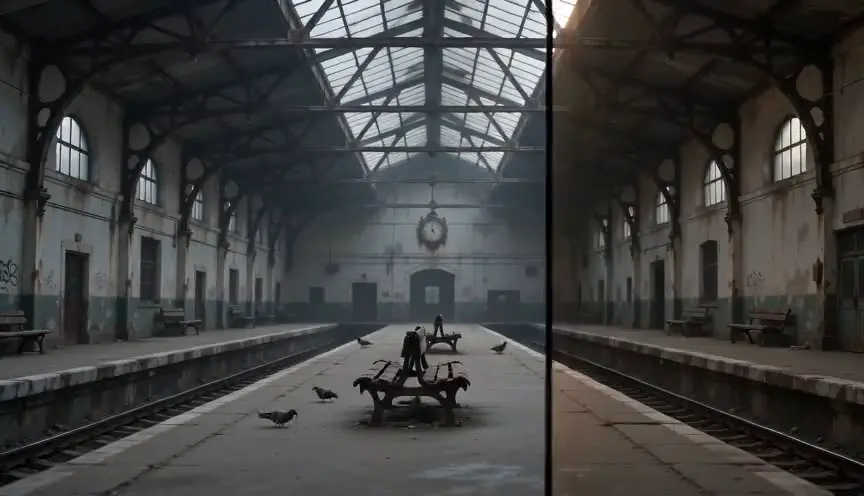
Wipe
A wipe replaces one shot with another by moving a line or shape across the screen, pushing the old image off as the new one arrives. The audience sees the transition openly, which gives the story a playful, storybook rhythm.
Iris transition
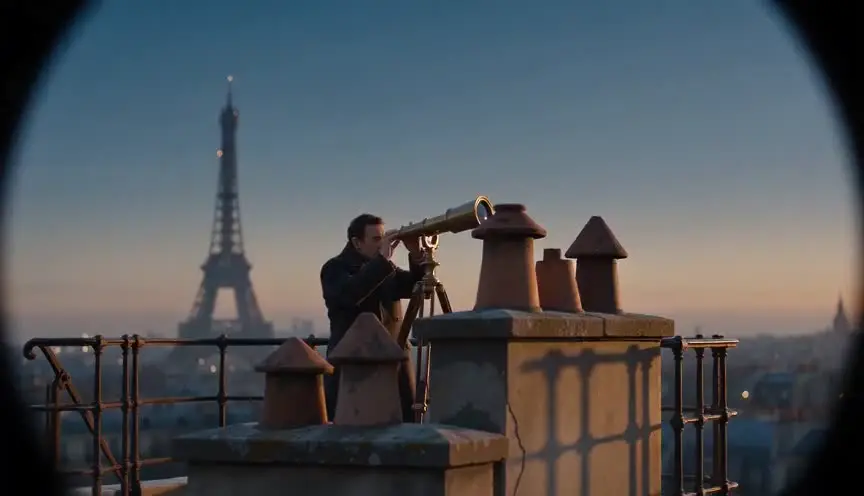
An iris transition opens or closes the image in a shrinking or growing circle, usually centered on one character or detail. The audience's attention narrows to that point, and the scene ends or begins like a punctuation mark.
Cross-cutting
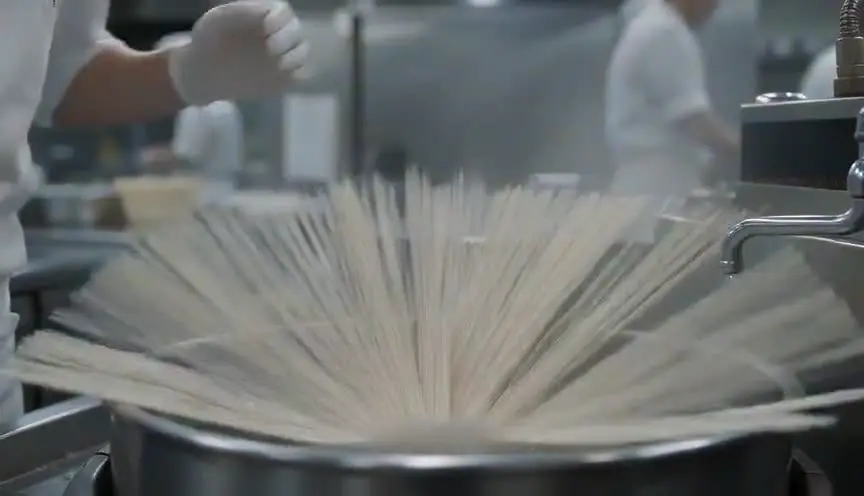
Cross-cutting alternates between two or more scenes happening in different places, usually at the same time. The audience links them in their mind, and the back and forth builds suspense, irony or a sense of fate.
Split screen
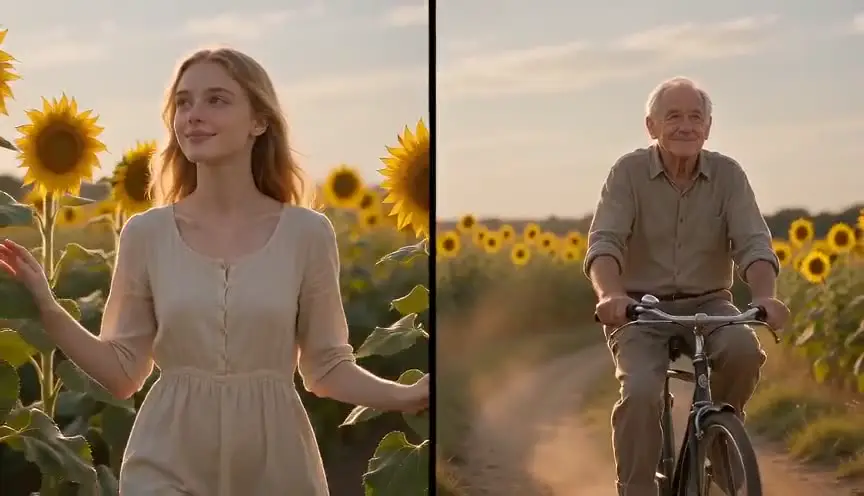
A split screen divides the frame into two or more panels, each showing a different shot at the same time. The audience compares the images directly and reads connections, contrasts and timing that alternating cuts would hide.
Montage sequence
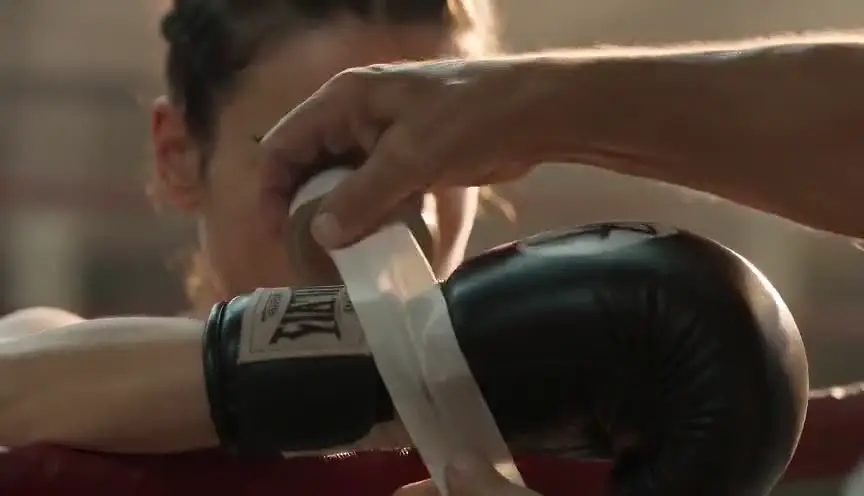
A montage sequence strings together short shots, often set to music, to compress a long stretch of time or a process into a few minutes. The audience watches a character change, grow or fall, without sitting through every day.
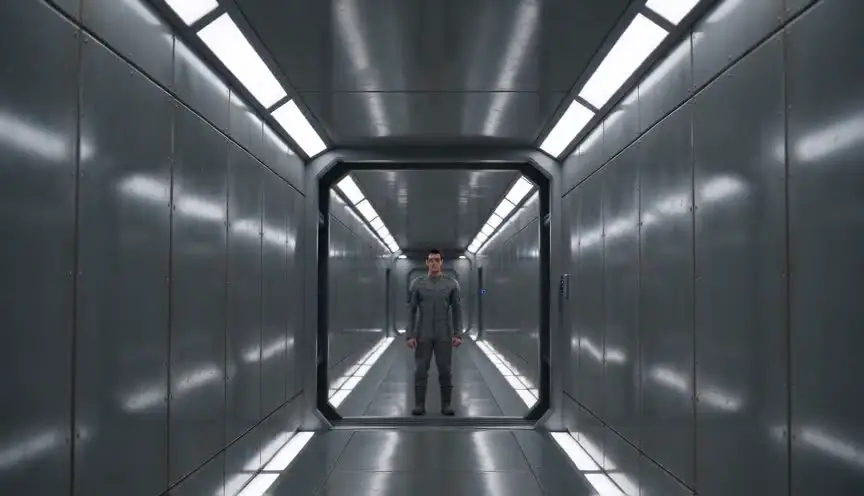
Axial cut
An axial cut jumps closer to (or farther from) the subject along the same line of view, without changing the camera angle. The audience feels a sudden jolt of attention, as if the film had drawn a sharp breath.
Invisible cut
An invisible cut hides an edit inside a movement, a dark surface, a whip pan or a passing object, so two shots feel like one continuous take. The audience stays immersed and believes the camera never stopped.
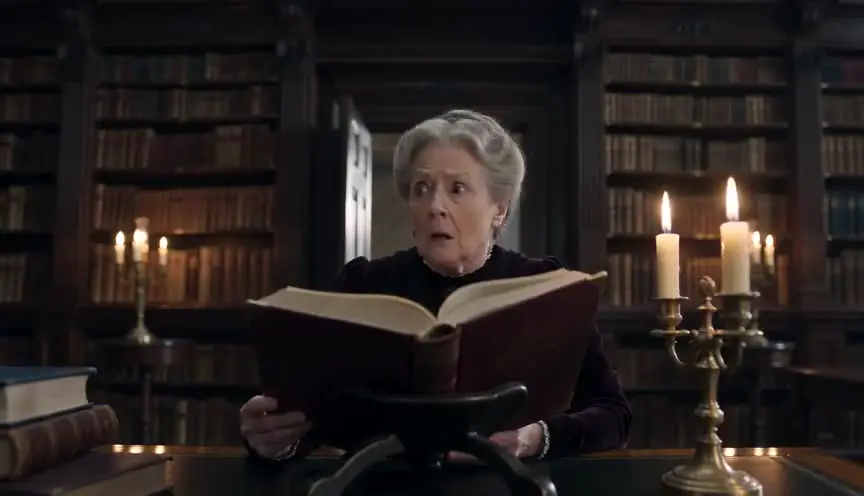
J-cut and L-cut
In a J-cut, the sound of the next shot starts before its picture; in an L-cut, the sound of a shot continues after the picture has changed. The audience flows across the edit, hearing where the story is going or where it has just been.

Flash cut
A flash cut inserts one or a few very brief shots, sometimes a single frame, into a scene before returning to it. The audience barely registers the image, yet feels it, like an intrusive thought or a jolt of memory.