85mm portrait lensA face the audience leans toward
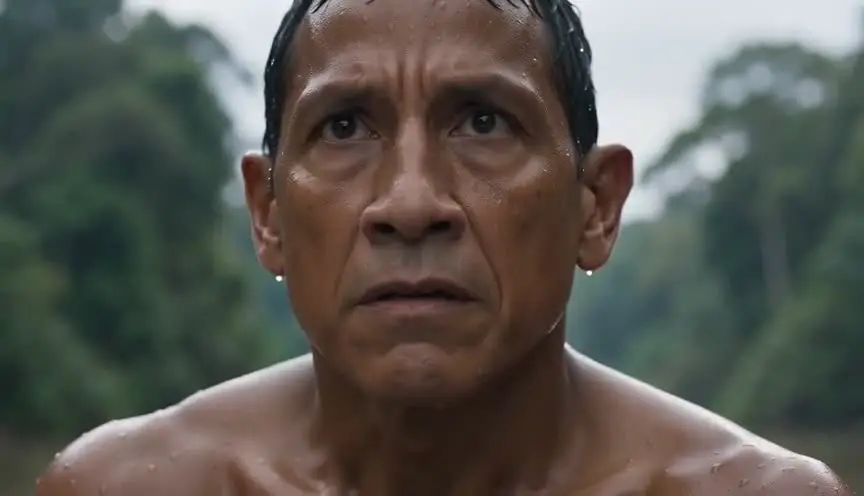
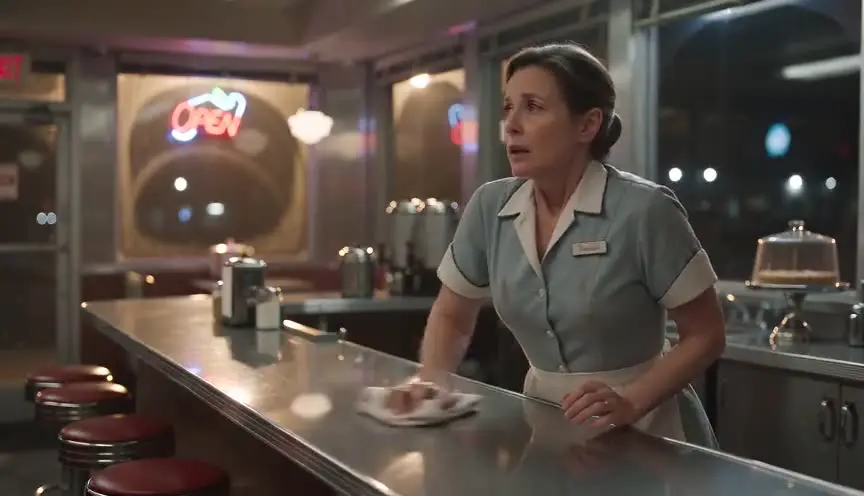
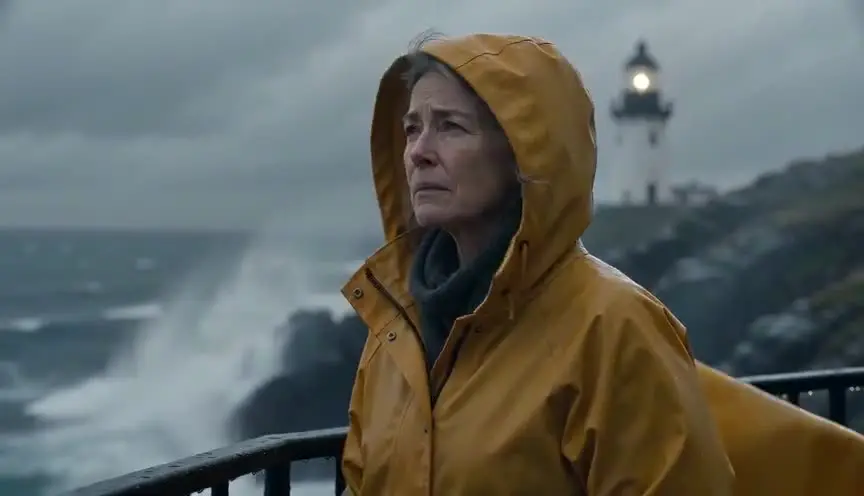
An 85mm portrait lens is a short telephoto that frames a face from a comfortable distance, with flattering proportions and a background that melts into soft blur. The audience stops looking at the room and starts reading a person.
Also called85mm primePortrait prime lensShort telephoto portrait lens
Lenses and optics
Why it works on screen
Use it when the scene lives in one face. The 85mm keeps features true to life, so nothing looks stretched or strange, and it separates the character from the world behind them. That combination serves confession, listening, doubt and quiet resolve. It works in interviews, interrogations and the long look before a decision. A scene earns it when the words matter less than what the eyes do between them. Because the camera sits a few feet back, actors feel less crowded and play smaller, which the lens rewards. Hold it for the beat where the audience must study someone closely and make up its own mind.
The shot list line
- Size
- Close-up
- Angle
- Eye level
- Movement
- Static on sticks, or a slow push of a few inches
- Lens
- 85mm prime, T1.8 to T2.8
- Duration
- 5 to 10 s
Keep the camera five to seven feet from the actor and pull focus to the near eye; at this aperture a small head move will cost you the shot.
Screenplay
On the page
A lens choice is not screenplay material, and naming a focal length in a spec script marks you as someone who writes for the crew instead of the reader. What you can put on the page is attention. Describe the small things only a close look would catch: a tremor at the lip, a scar at the hairline, eyes that refuse to blink. The director will reach for a portrait lens on their own. If you direct the script, the 85mm goes in the shot list.
INT. TATTOO PARLOR - NIGHT
Neon hum. A single chair under a work lamp.
HIDEO MATSUNAGA (70s, pressed shirt, hands folded) waits while RIKA (20s) sterilizes the needle.
He watches her work. A small muscle in his jaw tightens and lets go.
His eyes are wet, but he is not crying. Not yet.
HIDEO
My wife always wanted one. I told her we were too old.
Storyboard
In the storyboard
Draw a clean close-up with the head filling about two thirds of the frame and the eyes on the upper third line. Render the background as loose, soft shapes with no hard edges, so it reads as out of focus. Write 85mm and the stop under the panel. Add a small top view in the corner with the camera a few feet from the actor, and circle the near eye with a note that marks the focus point.
Pairs well with
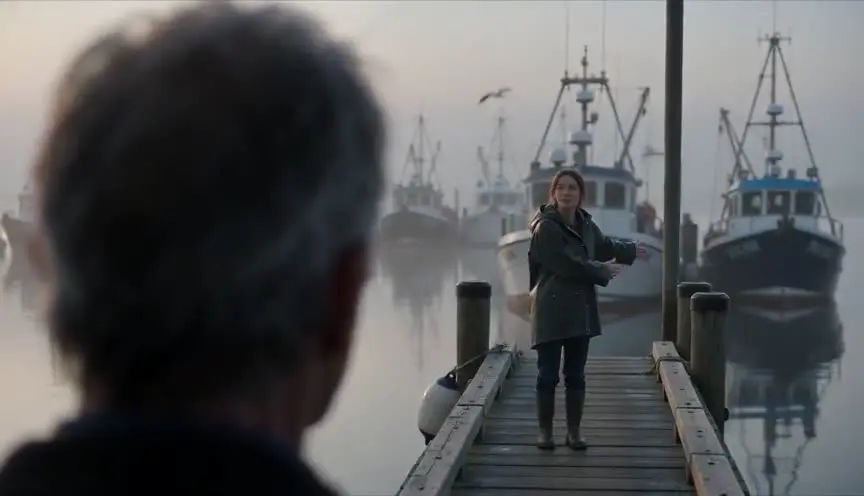
Open the exchange on over-the-shoulder coverage so the audience knows who is listening, then move to the 85mm single when one character's face starts to carry the scene on its own.
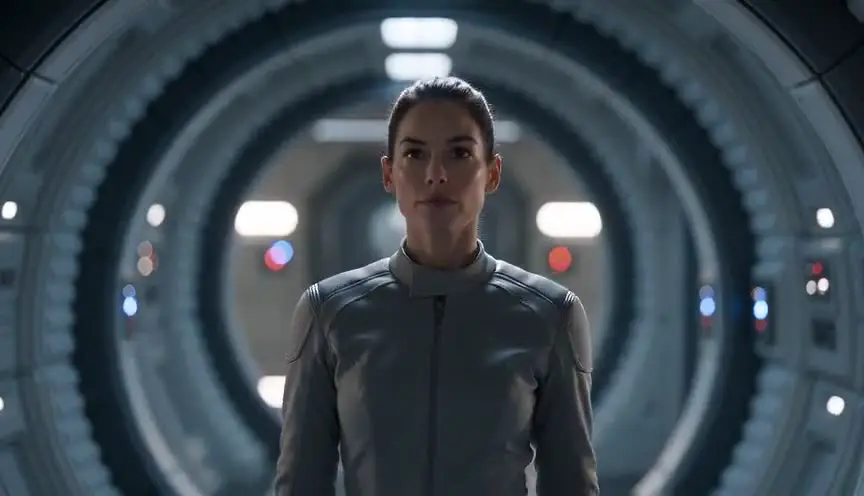
The portrait lens and a wide aperture work as a team. Together they strip the room away and leave only the face, which is exactly what a confession or a silent reaction needs.
Reference
Watch it in
The Silence of the Lambs (1991)
Tak Fujimoto frames Clarice and Lecter in tight, near frontal close-ups on short telephoto glass, so each interview becomes two isolated faces locked on each other.
12 Angry Men (1957)
As the deliberation tightens, Boris Kaufman moves to longer lenses near 75mm and 100mm, pressing the jurors together and cutting each face off from the room.
ScreenWeaver
Set it up in ScreenWeaver
Write the scene so the weight falls on one character's reaction, and ScreenWeaver breaks it down into shots automatically. Open the shot on that face, set the framing to a close-up at eye level, keep the movement static or a slow push, and give it enough duration for the look to land. Note the 85mm on the shot. The character carries from shot to shot, so the face stays consistent across the coverage, and the AI previsualization shows you how the moment plays.
Start writing for freeThe prompt behind this clip
This is the exact prompt that rendered the clip at the top of the page. Keep the description of the camera and the light, change the subject and the place.
85mm portrait lens close-up of a middle-aged woman with sun-weathered skin standing beside her parked motorcycle on an empty desert highway at dusk. The camera stays locked on a tripod at eye level, six feet from her face, aperture wide open so her eyes and freckles stay sharp while the flat desert horizon and distant orange sky dissolve into soft, warm bokeh behind her. She turns her head slowly toward the fading light, hair lifting slightly in a light breeze, background traffic reduced to blurred streaks of headlight color. No text.
Common mistakes
- 01
Too close for the lens
Pushing the camera in until the face overflows the frame loses the flattering distance that makes the lens worth using. Back off and let the focal length do the tightening instead.
- 02
Focus on the wrong eye
At a wide stop the depth of field is a sliver. If the ear or the far eye is sharp while the near eye is soft, the audience feels something is off without knowing why.
- 03
Every shot on the 85mm
A whole scene of isolated portraits loses geography and becomes monotonous. Save the lens for the faces that matter and cover the space with something wider.