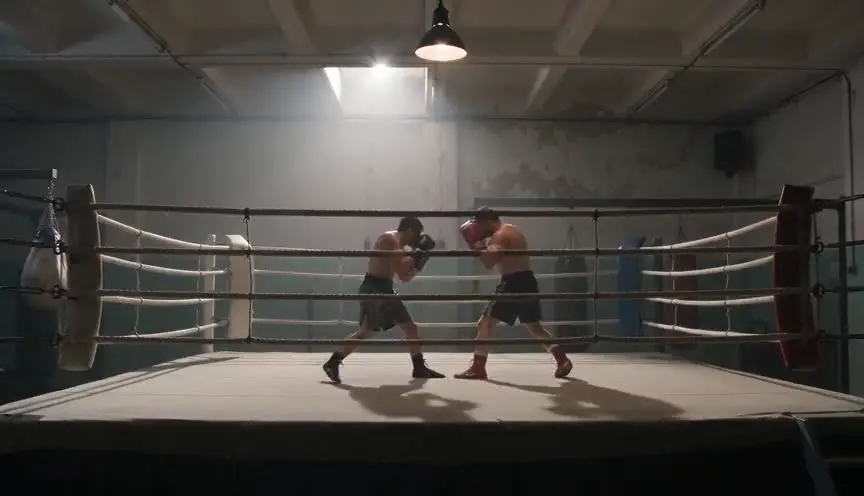
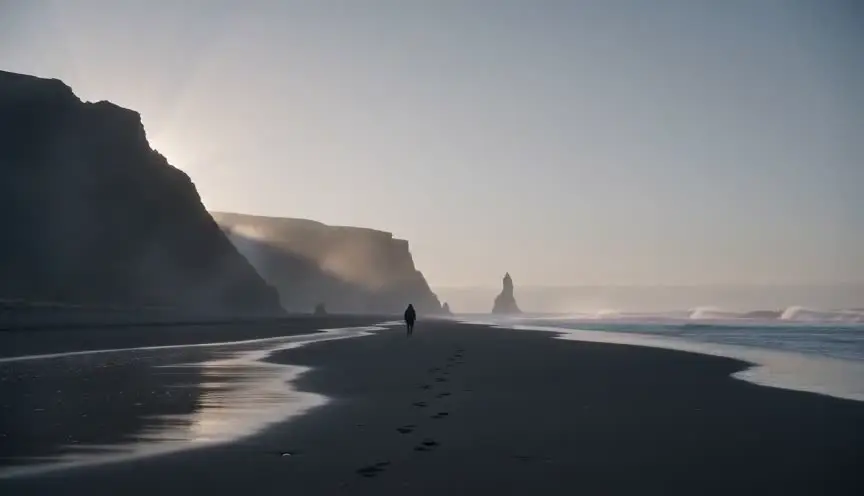
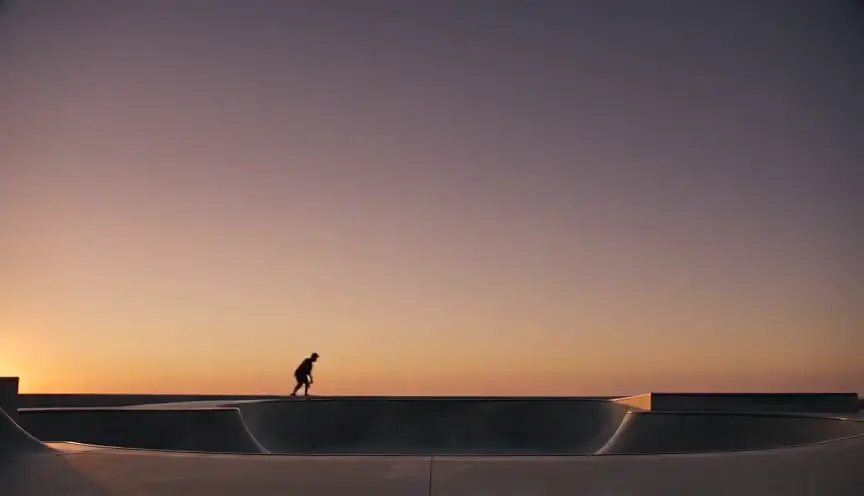
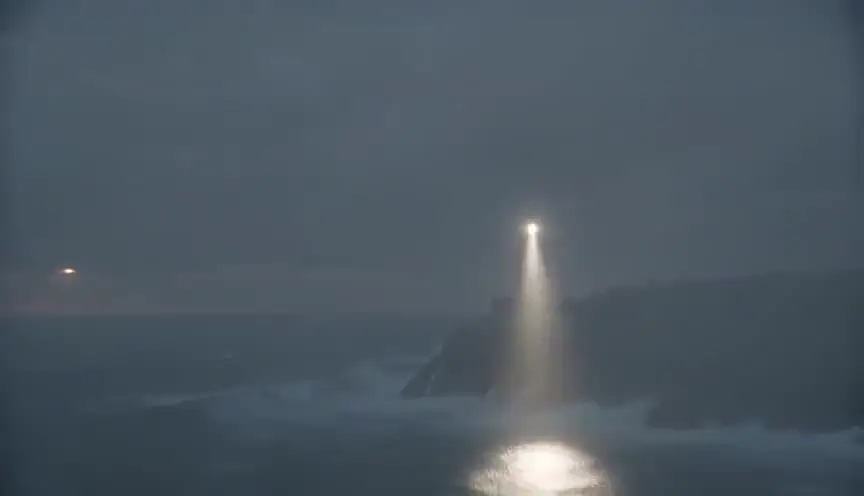
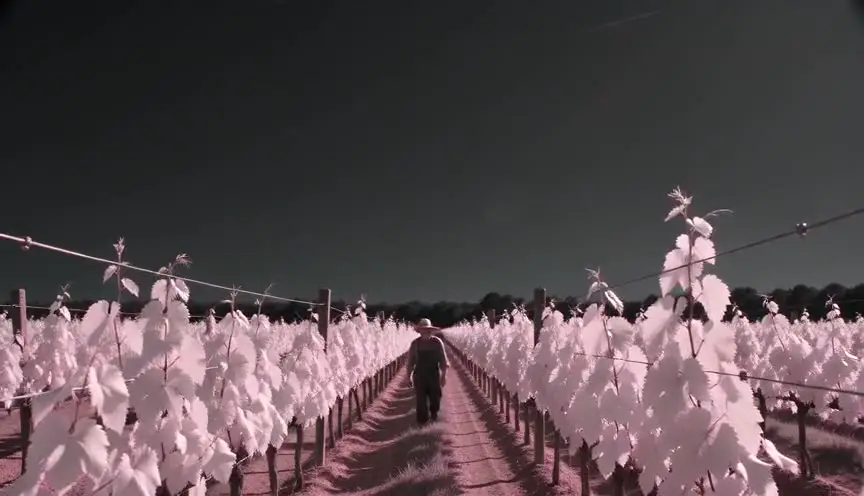
Extreme wide shotTiny people, immense world
An extreme wide shot shows a landscape so vast that the characters become specks, or disappear entirely. The audience feels the scale of the world and how little a human weighs against it.
Also calledExtreme long shotEWSELSXWS
Shot sizes
Why it works on screen
Use it when the environment is the main character, or when the story wants the audience to feel smallness. It serves isolation, awe, danger, journeys and the insignificance of human plans. A lone scientist on an ice shelf, a caravan crossing dunes, a ship lost on an ocean, a single car in a mountain range: the image says more about the character's situation than any line. A scene earns it at the start of a journey, at the moment of greatest loneliness, or when the story steps back to show the true size of the challenge. It also works as a pause, letting the audience breathe.
The shot list line
- Size
- Extreme wide shot
- Angle
- Eye level or high angle from a distant vantage
- Movement
- Static, or a very slow drone drift
- Lens
- 16mm to 24mm, or a long telephoto from far away
- Duration
- 6 to 12 s
Give the tiny subject a color or light that stands out from the landscape, and hold the frame long enough for the audience to find them.
Screenplay
On the page
Screenwriters can suggest an extreme wide shot by describing the landscape's size before the character, and making the character small in the description: a dot, a speck, a single figure. That order and that scale tell the director what the opening image wants. Avoid EXTREME WIDE in a spec script. The lens, the camera position, and whether it is shot from a drone or a distant hill go in the shot list.
EXT. ROSS ICE SHELF - ANTARCTICA - DAY
White in every direction. The horizon is only a change in the shade of white.
Far off, one orange dot: a tent.
Nearer, a smaller dot, moving. DR. HELGA SOLBERG (47) drags a sledge of instruments toward nothing, one step at a time.
The wind erases her tracks behind her.
Storyboard
In the storyboard
Draw the landscape across the whole panel with a strong horizon line, then add the character as a tiny mark with a small circle or arrow around it so the reader of the board can find it. Write the approximate distance between camera and subject. Note the lens, the camera position, whether it is shot from the ground or a drone, and the duration.
Pairs well with
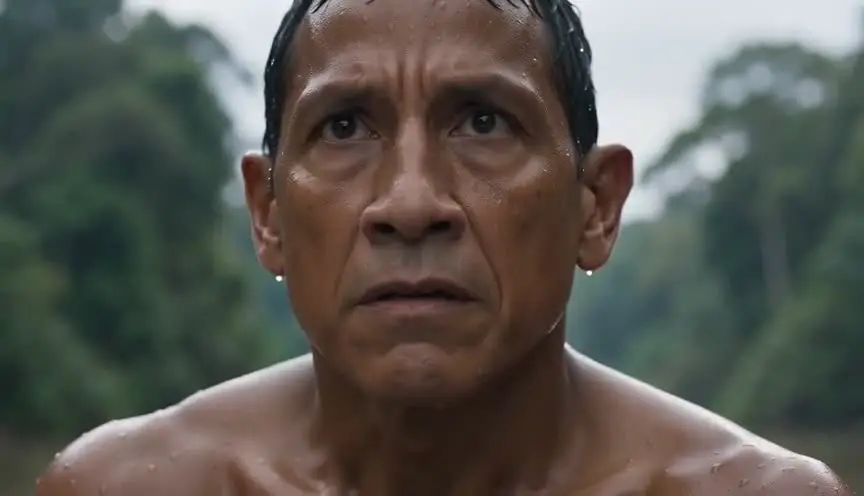
Cutting from an extreme wide shot to a close-up on the same character makes the contrast in scale dramatic: the vast world, then the face that must survive it.
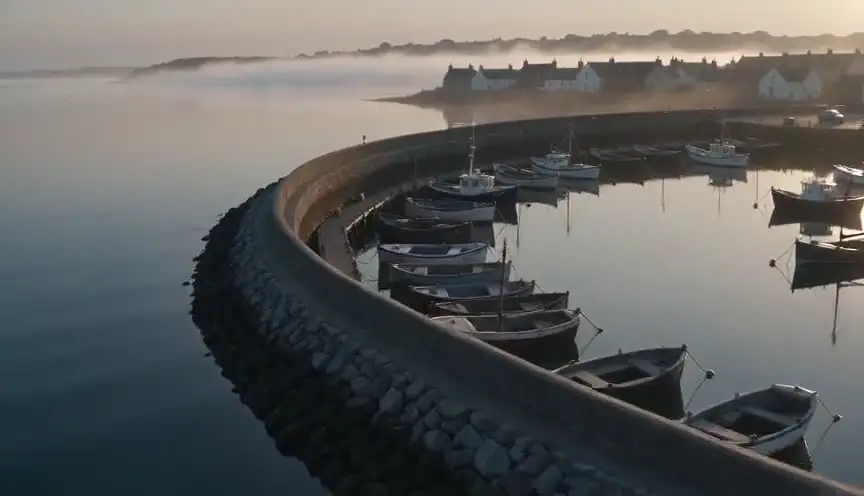
An aerial move before or after the extreme wide shot adds motion to the vastness and can carry the audience from the landscape down to the character.
Reference
Watch it in
Lawrence of Arabia (1962)
Riders shrink to dots as they cross endless sand, and the desert itself becomes the most powerful presence on screen.
The Shining (1980)
The opening flight follows a tiny car through huge mountain valleys, making isolation felt well before the hotel appears.
Interstellar (2014)
The ship and its crew appear as small shapes against the emptiness of space, reminding the audience how far from home they are.
ScreenWeaver
Set it up in ScreenWeaver
Describe the landscape first and the character as a small figure within it, and ScreenWeaver breaks the scene down into shots automatically. Open the shot, set the framing to extreme wide, choose an eye-level or high angle, keep the movement static or a slow drift, and give it six to twelve seconds. The location and the character carry from shot to shot, so the closer shots match the same terrain and costume. Check the scale in the AI previsualization.
Start writing for freeThe prompt behind this clip
This is the exact prompt that rendered the clip at the top of the page. Keep the description of the camera and the light, change the subject and the place.
Extreme wide shot: a long, curved space station corridor stretching into the distance, lined with rows of small ceiling lights and metal support ribs. A single figure in a gray flight suit walks slowly near the far end, occupying only a small fraction of the frame against the vast, repeating architecture. The camera is static, positioned far down the corridor at the opposite end, wide angle lens, everything in sharp focus from near wall to distant figure, cool white light with faint blue reflections on the metal floor. No text.
Common mistakes
- 01
An invisible character
If the audience cannot find the figure, the shot reads as scenery. Use color, movement or contrast so the tiny subject catches the eye. A red coat on snow or a moving light at dusk will find the eye faster than any arrow.
- 02
Overusing the scale
Extreme wide shots in every scene lose their power. Save them for moments where scale is the point. If the film opens and closes on one, those two images can frame the whole journey.
- 03
Holding too briefly
The audience needs time to take in the landscape and find the character. Cut too fast and the shot becomes a blur of scenery. Hold the frame, let the sound design carry the silence, and cut only after the viewer has found the figure.