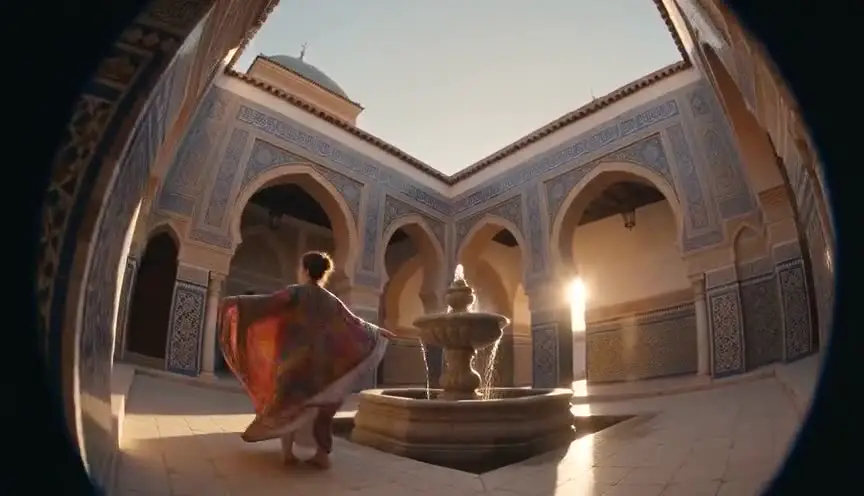
Point of view shotSee through a character's eyes
A point of view shot shows exactly what a character sees, from where their eyes are. The audience stops watching the character and becomes them for a moment, which makes discovery, fear and desire direct.
Also calledPOV shotFirst-person shotSubjective camera
Camera angles
Why it works on screen
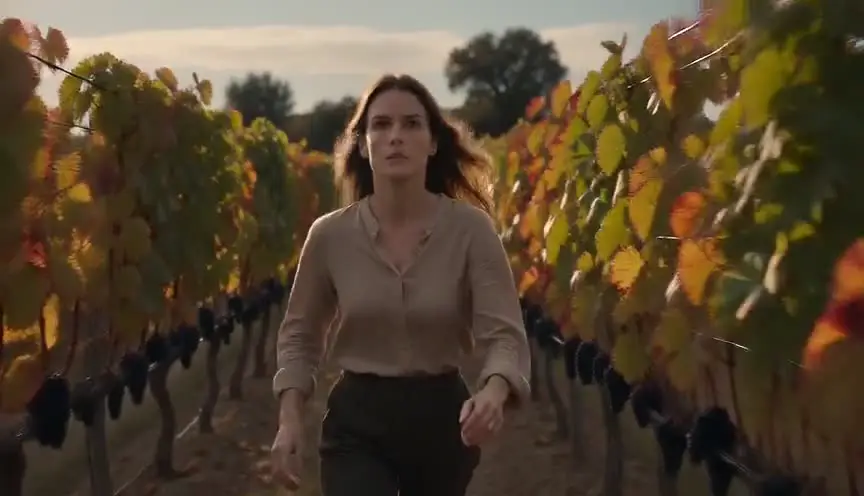
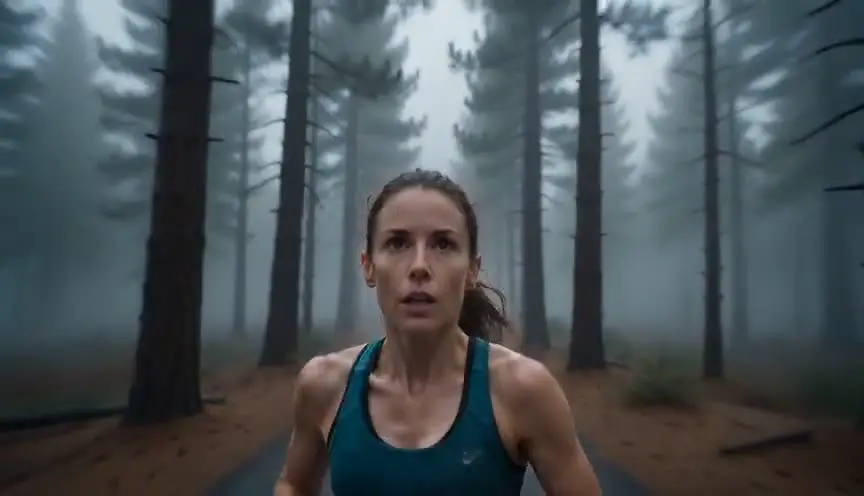
The POV shot hands the audience a character's eyes, and with them their limits. We see only what they see, so it serves discovery, suspense, surprise and complicity. A letter read over a character's own hands, a stranger at the end of a hallway, a first look at a new city: each is stronger when we share the view. Horror uses it to hide the killer and make us the killer. Drama uses it for the moment a character notices something others miss. A scene earns a POV when what the character sees changes what they do next.
The shot list line
- Size
- Matches what the character looks at
- Angle
- At the character's eye height and eyeline
- Movement
- Handheld or gimbal, following the character's head
- Lens
- 24mm to 35mm
- Duration
- 3 to 8 s
Place the lens exactly where the character's eyes were in the previous shot, same height, same direction, and move it the way their head would move.
Screenplay
On the page
POV is one of the few camera terms that screenwriters use freely, because it names whose experience we share, not how to shoot. Use it only when it matters: a character sees something the audience must see the same way. Write "HER POV" or "THROUGH HIS EYES" as a shot line, then describe what is seen, then return with BACK TO SCENE. Two or three times per script is plenty. The lens height and the rig stay in the shot list.
INT. OPTICIAN'S SHOP, NAIROBI - DAY
AMANI WANJIRU (9) sits on a tall stool, legs swinging. The optician slides a pair of round glasses onto her nose.
AMANI'S POV
The blur on the far wall becomes a poster. Then letters. Then a single word: OPEN.
BACK TO SCENE
Amani grabs her mother's sleeve.
AMANI
Mama. The trees outside have leaves.
Storyboard
In the storyboard
Draw the view without the character: what they see, framed as their eyes would frame it. Add a small label "POV" with the character's name in the corner, and draw a matching panel before it showing the character looking, with an eyeline arrow. If the view moves, draw the head turn as an arrow across the frame. Note the lens height, the character's height and any effect such as blur, blinks or glasses.
Pairs well with
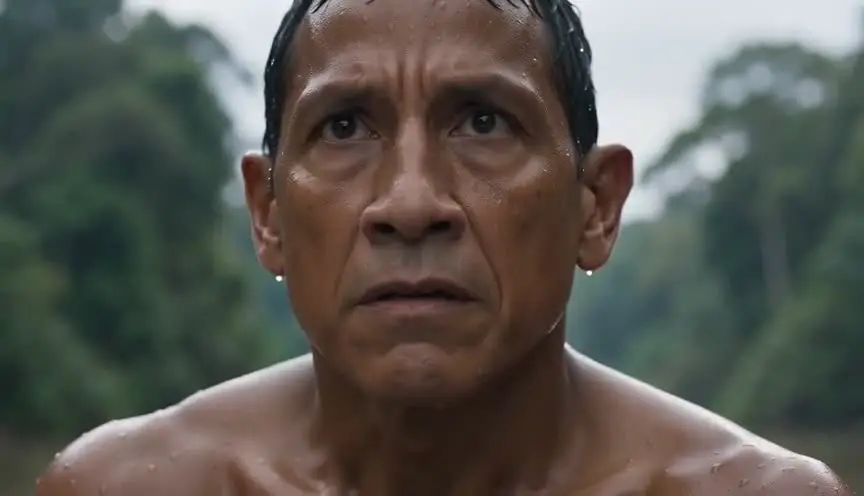
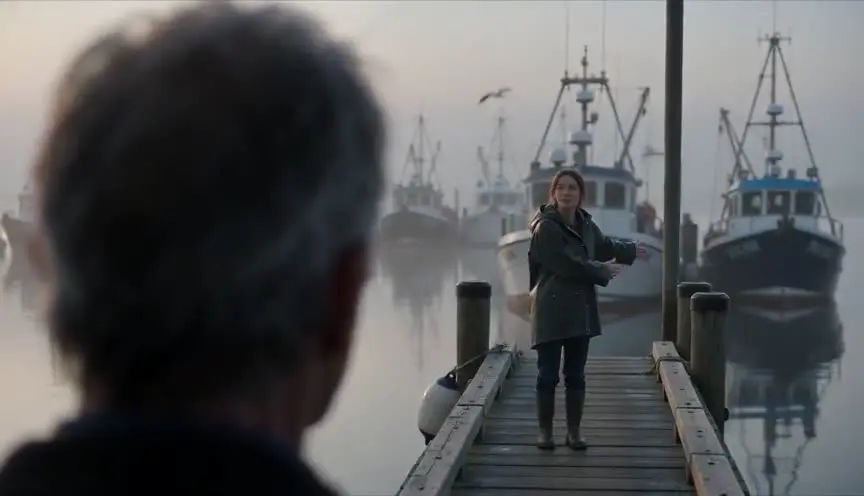
Frame the character's eyes or face in a close-up just before the POV. The audience sees who is looking, then sees what they see, which ties the view firmly to the person.
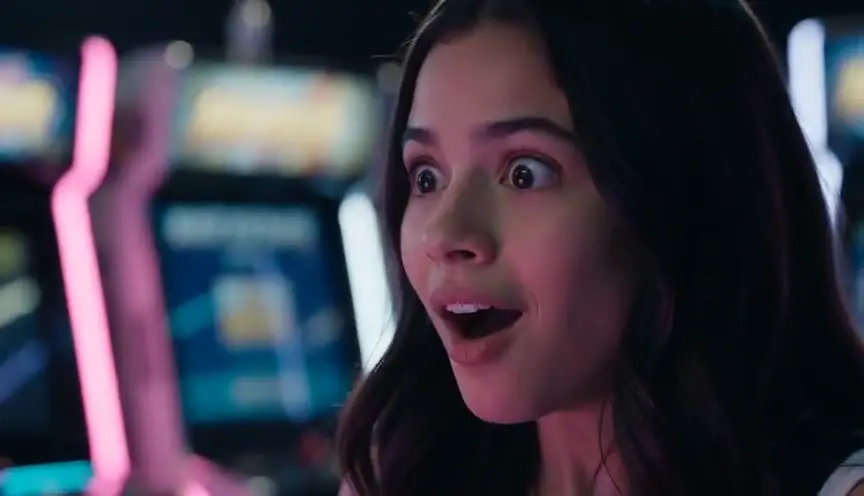
Return from the POV to the character's reaction. Their face shows what the sight means to them and completes the classic look, view, reaction pattern.
Reference
Watch it in
Halloween (1978)
The whole opening plays through the killer's eyes, hiding who he is and making the audience walk with him until the reveal.
Enter the Void (2009)
Gaspar Noé keeps the first act in the protagonist's eyes, blinks and drug haze included, before the camera drifts into a floating view.
Lady in the Lake (1947)
An early experiment that stays in the detective's eyes almost the whole film, showing his face only when he passes a mirror.
ScreenWeaver
Set it up in ScreenWeaver
Write the POV in your screenplay with a short shot line, and ScreenWeaver breaks the scene down into shots automatically. Open the POV shot, set the framing to what the character sees, the angle to their eye height and eyeline, the movement handheld or following the head, and a duration of three to eight seconds. The character and the location carry from the shot before, so the view matches where they stand. Check the look, view, reaction rhythm in the AI previsualization.
Start writing for freeThe prompt behind this clip
This is the exact prompt that rendered the clip at the top of the page. Keep the description of the camera and the light, change the subject and the place.
Point of view shot inside a laundromat at night, camera positioned at eye level and moving like a person walking forward between rows of washing machines under flickering fluorescent light. The view sways gently side to side with footsteps, then a pair of hands enters the bottom of the frame and reaches toward a coin slot on a humming dryer. Focus stays sharp on the machine ahead while the empty room and dark windows blur softly at the edges. No text.
Common mistakes
- 01
Wrong eye height
A POV from a tall operator's head for a child character breaks the illusion. Measure the actor's eye height and set the lens there.
- 02
No anchor shot
Without a shot of the character looking first, the audience does not know whose view this is. Always show the eyes, then the view.
- 03
Staying too long
Extended POV tires the audience and removes the actor's face, the main source of emotion. Keep it short, unless the whole film is built on it.