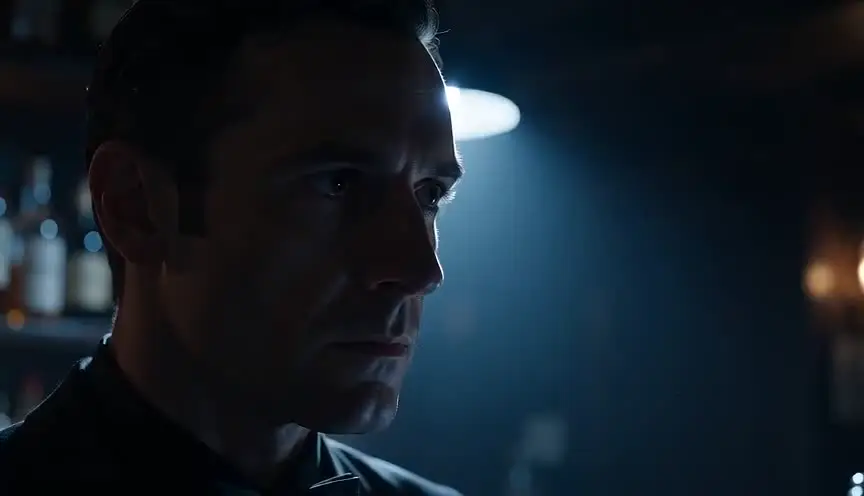
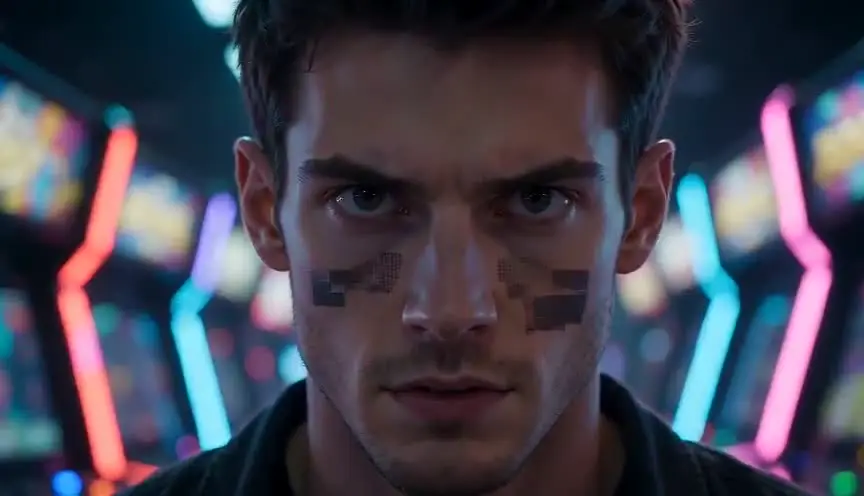
Flash cutAn image that stabs through the scene
A flash cut inserts one or a few very brief shots, sometimes a single frame, into a scene before returning to it. The audience barely registers the image, yet feels it, like an intrusive thought or a jolt of memory.
Also calledFlash frameSubliminal cutInsert flash
Editing and transitions
Why it works on screen
The flash cut is the mind interrupting the present. It serves trauma, guilt, desire, addiction, premonition and hidden identity: a veteran hearing a car backfire and seeing a burning street for a split second, a thief glimpsing the vault while smiling at a guard. It can plant clues the audience will understand later, or overwhelm the senses during a crisis. A scene earns it when the story has a buried image that keeps forcing its way up. The shorter the flash, the more it feels involuntary. Repeated flashes can grow longer each time, until the full memory finally plays.
The shot list line
- Size
- Close-up or extreme close-up for the flash
- Angle
- Any, often jarring compared with the scene
- Movement
- Static or violent handheld
- Lens
- Wide or macro, contrasting with the scene
- Duration
- 1 to 12 frames per flash
Shoot each flash image as a full clean shot, even if only a few frames are used, so the editor can choose the most striking moment.
Screenplay
On the page
A flash cut can appear on the page when the intrusive image is story information. Write it as a very short insert, often with "FLASH CUT:" or "FLASH:" followed by one line, then "BACK TO SCENE." Keep each flash to a single image and use them sparingly, since a page full of flashes becomes hard to read. The number of frames, sound design and exact placement are editing decisions, listed in the shot list and editing notes.
INT. SUPERMARKET - TBILISI - DAY
LEVAN GELASHVILI (40s, army jacket, shopping basket) reaches for a jar of honey.
A pallet crashes to the floor in the next aisle.
FLASH CUT:
EXT. MOUNTAIN ROAD - NIGHT - A burning truck, a boot in the snow.
BACK TO SCENE
Levan is crouched on the tiles, the honey jar broken in his fist. A small girl stares at him from her mother's cart.
Storyboard
In the storyboard
Draw the scene panel, then a small, heavily framed panel for the flash with a lightning mark and the number of frames written beside it. Use a different hatching or color for the flash to show it belongs to another time or mind. Return to the scene panel after it. Note the trigger (sound, word, object) that causes the flash and the sound effect that accompanies it.
Pairs well with
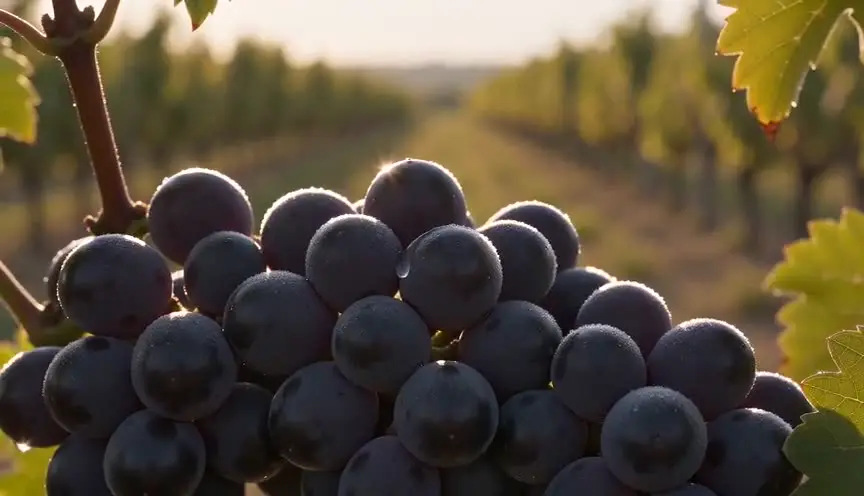
An insert of the trigger, a sound source or an object, just before the flash, shows the audience what caused the memory to break through.

A close-up on the character after the flash shows the aftermath: the shaking hand, the lost look. It turns an editing trick into a human reaction.
Reference
Watch it in
Fight Club (1999)
Single frames of a certain character are slipped into early scenes, hinting at his presence well before he actually appears.
Requiem for a Dream (2000)
Bursts of pills, veins and dilating pupils turn each drug hit into a rapid sequence that feels like the rush itself.
Se7en (1995)
The title sequence flashes quick inserts of disturbing handmade images, unsettling the audience before the story even starts.
ScreenWeaver
Set it up in ScreenWeaver
Write the flash as a short FLASH CUT: insert in your screenplay, and ScreenWeaver breaks it down into shots automatically. In the storyboard, give the flash shot a close or extreme close framing and a very short duration, and set a contrasting angle or movement compared with the scene around it. Characters and locations carry from shot to shot, so the memory stays consistent across repeated flashes. Check the rhythm and impact in the AI previsualization.
Start writing for freeThe prompt behind this clip
This is the exact prompt that rendered the clip at the top of the page. Keep the description of the camera and the light, change the subject and the place.
Flash cut: a skateboarder glides in a wide stable shot across a skate park lit by orange sunset light, ramps and rails in warm silhouette, calm and continuous motion. For a single frame, the image jolts to an extreme close-up of the skater's gritted teeth and wide eyes, overexposed and slightly blurred, then cuts hard back to the same wide shot as the skater launches off the ramp mid-air, motion unbroken as if nothing happened. No text.
Common mistakes
- 01
Flashes too long
A flash that lasts several seconds becomes a flashback. Keep flash cuts to a few frames so they feel involuntary and shocking.
- 02
No trigger
Random flashes confuse the audience. Tie each one to a sound, word or object in the scene so it feels like the character's mind reacting.
- 03
Unreadable images
If the flash image is too complex, nobody can read it in a few frames. Use bold, simple images: a face, a weapon, a color, a symbol.