35mm lensClose to the person, true to the place
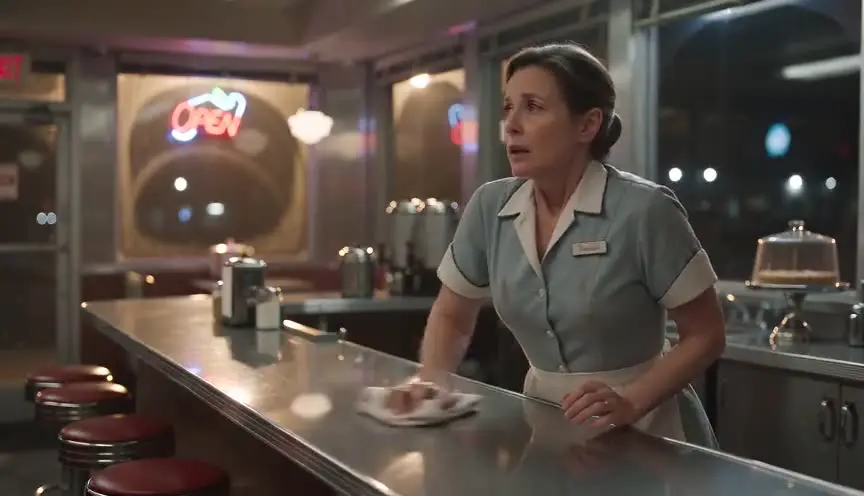
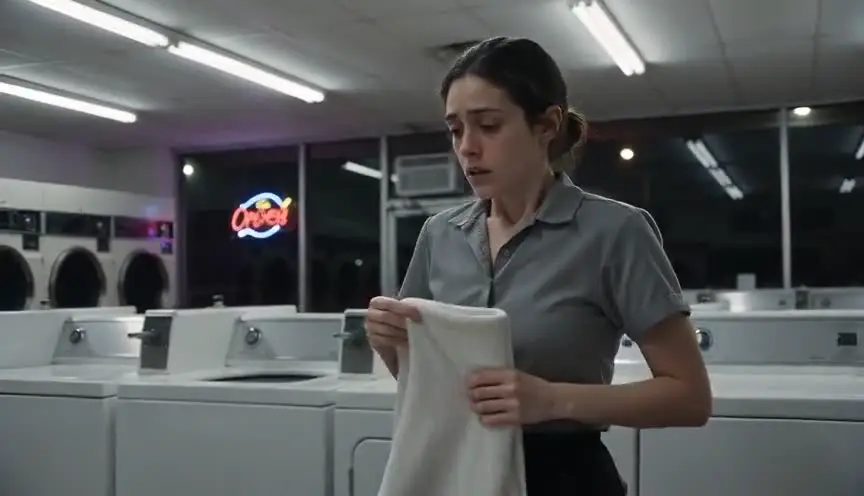
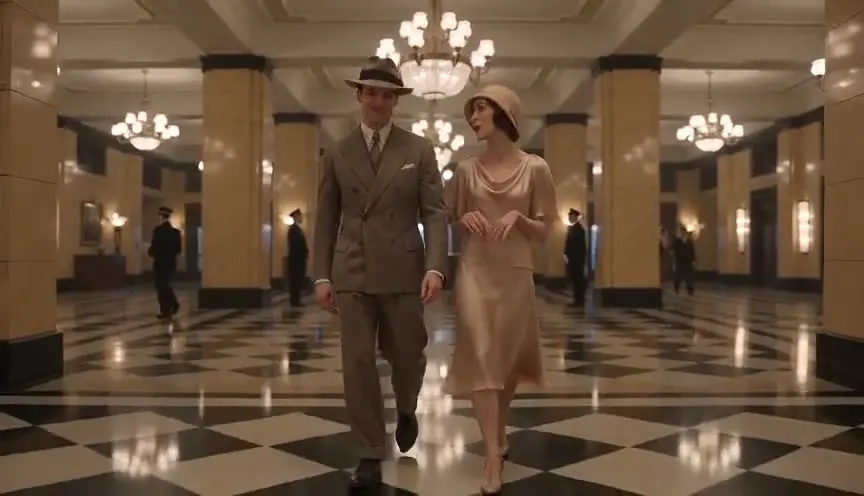
A 35mm lens sits between wide and normal: close enough to a character to feel intimate, wide enough to keep their surroundings in view. It renders faces and spaces naturally, so the audience feels they are standing next to someone in a real place.
Also calledStandard wide lensDocumentary lens35mm prime
Lenses and optics
Why it works on screen
The 35mm is the lens of realism and presence. It suits coming-of-age stories, social drama, road films and any story where a character's environment shapes them. Held close, it feels like walking beside the person; held back, it shows their street, their home, their people. It serves intimacy without isolation, honesty, restlessness and everyday life. A scene earns it when the audience should feel with the character rather than watch them from a distance, and when the location is part of who they are.
The shot list line
- Size
- Medium shot
- Angle
- Eye level
- Movement
- Handheld following the character
- Lens
- 35mm prime
- Duration
- 5 to 12 s
Stay within arm's reach of the character, move with them, and let the environment enter and leave the frame naturally.
Screenplay
On the page
Focal lengths stay out of a spec script. What you can write is closeness and place: a character we follow on foot, their neighborhood described in concrete details, moments shown as they happen rather than composed. That writing style points a director toward a natural, handheld 35mm approach. If you direct your own script, note the lens in the look book and the shot list, and keep the page focused on behavior.
EXT. HOUSING ESTATE - MARSEILLE - LATE AFTERNOON
Concrete towers, laundry on every balcony, a football cage with no nets.
SAMIRA BENALI (14) kicks a skateboard along the path, stopping to wave at a woman on the third floor.
Two older boys sit on a wall, watching her.
BOY
Hey, Samira. Your brother's looking for you.
She keeps rolling, but slower now.
At the end of the path, a police car idles.
Storyboard
In the storyboard
Draw the character in a medium shot, large enough to read the face, with the location clearly visible behind and beside them. Keep perspective natural, with no strong stretching. Add a wavy arrow for handheld following and mark the direction of walking. Note 35mm, handheld and the distance to the subject, about one to two meters. If people enter the frame during the move, show them with small dotted arrows.
Pairs well with
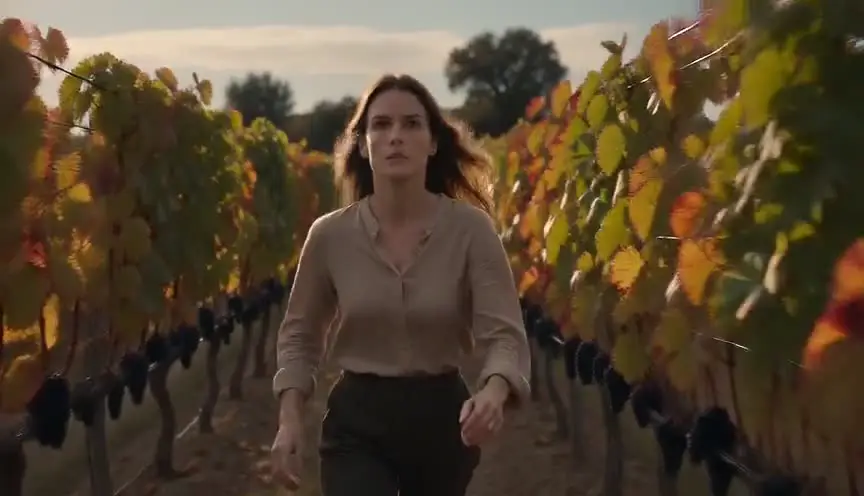
A 35mm handheld camera is the classic pairing of realist cinema. It keeps the audience close to the character's body and breath while showing the world around them.
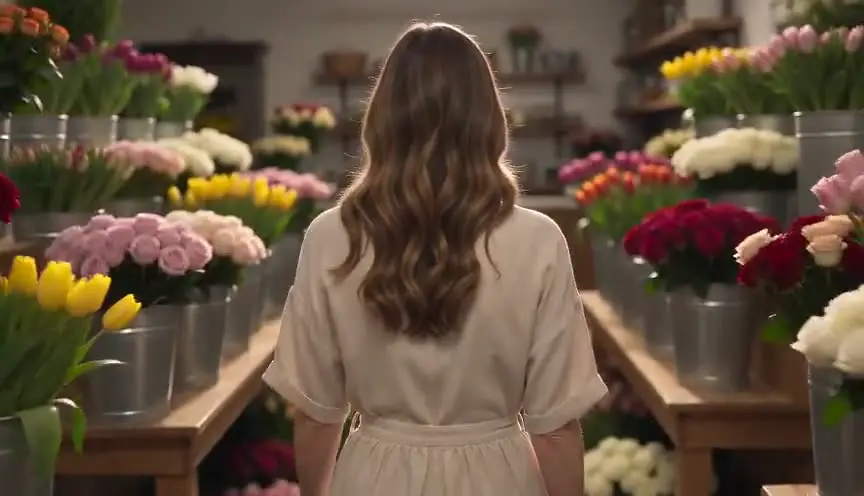
Following a character from behind or beside on a 35mm lens keeps both the person and the path ahead visible, so the audience travels with them.
Reference
Watch it in
Fish Tank (2009)
Robbie Ryan keeps Andrea Arnold's handheld camera mostly on a 35mm, staying near Mia while the estate remains present around her.
American Honey (2016)
Arnold and Ryan shot much of the 4 by 3 road movie on one 35mm prime, keeping Star inside the real places she passes through.
ScreenWeaver
Set it up in ScreenWeaver
Write your scene close to the character's behavior, in a concrete place, and ScreenWeaver breaks it down into shots automatically. Open the shot, set a medium shot at eye level with a handheld following movement and a duration that fits the walk, and note the 35mm lens. The character and the location carry from shot to shot, so the neighborhood stays consistent through the sequence. Use the AI previsualization to check distance and framing before choosing how much of the sequence to cover this way.
Start writing for freeThe prompt behind this clip
This is the exact prompt that rendered the clip at the top of the page. Keep the description of the camera and the light, change the subject and the place.
35mm lens: inside a wooden mountain cabin, a man in his forties stands by a frost-covered window, a mug in his hand, snow falling steadily outside past visible pine trees. The camera holds a static medium shot from about six feet away, the 35mm lens keeping his figure and the cabin's log walls, woodstove, and window both in sharp, natural perspective with no distortion. He slowly turns his head toward the window as steam rises faintly from the mug, light staying soft and even throughout. No text.
Common mistakes
- 01
Too far away
A 35mm used from a distance loses its intimacy and looks like a generic wide shot. Stay close to the character for the lens to feel personal.
- 02
Shaky for no reason
Handheld realism is not random shaking. Movement should follow the character's rhythm and attention, or it distracts from the performance.
- 03
Forgetting the location
The 35mm shows a lot of background. If the location is dull or wrong for the story, it will show. Choose places that say something about the character.