Reverse angle shotThe other side of every look
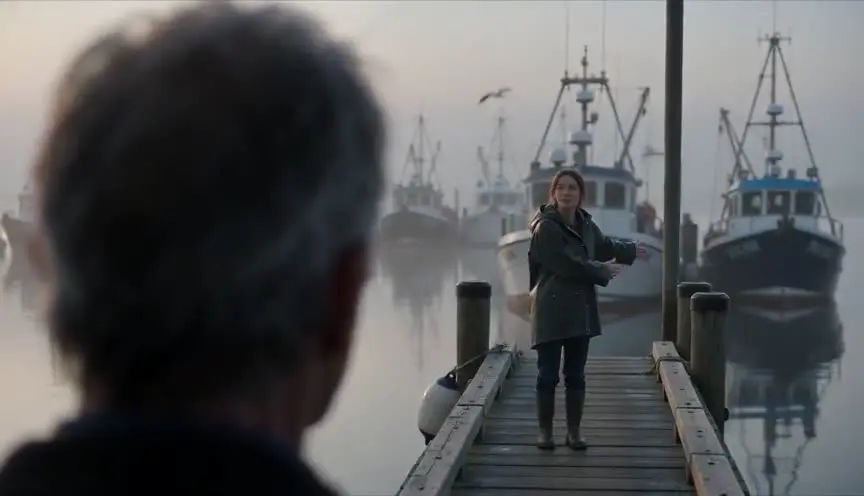
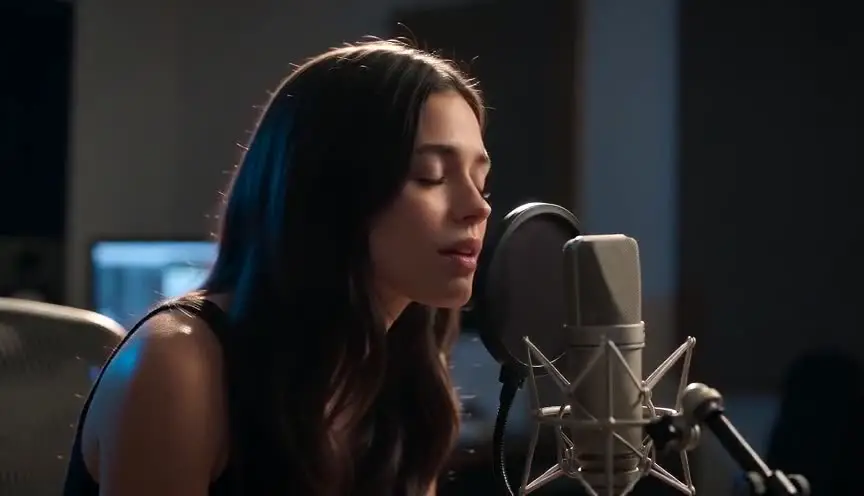
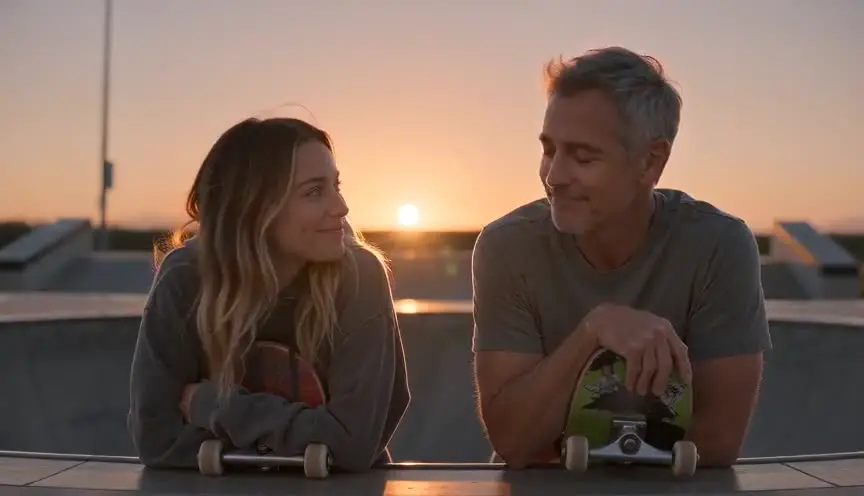
A reverse angle shot turns the camera around to show the opposite side of the previous shot, usually the person or thing a character was facing. Cut together, the two angles let the audience move between both sides of an exchange as if standing in the middle of it.
Also calledReverse shotShot-reverse-shot angleOpposite angleThe reverse
Camera angles
Why it works on screen
Shot and reverse shot is the grammar of conversation, but the reverse does more than alternate faces. It answers a question the first shot raised: who is at the door, what did she see, how did he take it. That makes it a tool for reveal, reaction and power. Holding back the reverse builds suspense, and delaying it on a key line makes the audience crave the other face. It serves confrontation, discovery, seduction and interrogation. A scene earns a carefully timed reverse when the answer on the other side will change what the audience believes.
The shot list line
- Size
- Matches the preceding shot
- Angle
- Eye level, opposite side of the axis, same side of the 180-degree line
- Movement
- Static
- Lens
- Same focal length as the preceding shot
- Duration
- 2 to 8 s
Mirror the preceding setup in size, lens and height on the other character, keeping both cameras on the same side of the 180-degree line.
Screenplay
On the page
Writers do not need to call for reverse angles in a spec script: any scene with two people facing each other will be covered that way. You influence the reverse through what you reveal and when. Write the character looking before you write what they see, and keep the answer to the next line. If a reveal depends on the reverse, a short action line that shifts attention is enough. The setups, the 180-degree line and the matching lenses belong in the shot list.
INT. POLICE STATION, INTERVIEW ROOM, MARSEILLE - NIGHT
A tired fluorescent tube. A plastic cup of coffee, untouched.
DETECTIVE KARIM BENALI (30s) slides a photograph across the table.
KARIM
Do you know this man, madame?
Opposite him, ODETTE FAURE (80s), in a church hat, studies the photograph a long time.
ODETTE
Of course. I buried him in my garden.
Storyboard
In the storyboard
Draw the first panel with one character looking toward frame right, then the reverse panel with the other character looking toward frame left, at the same size. Keep the eyelines meeting across the cut. Add an overhead diagram with both actors, the 180-degree line drawn between them, and two camera positions on the same side, labeled A and B. Note the line that triggers the cut to the reverse and whether it is held back for effect.
Pairs well with
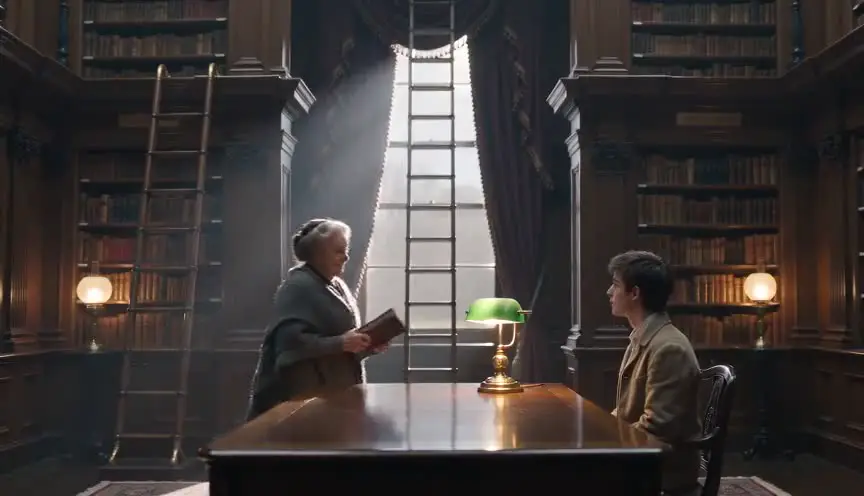
Shoot the master first so the whole geography is clear. The reverse angles cut in afterward feel anchored in a space the audience knows, and the editor can always return to it.
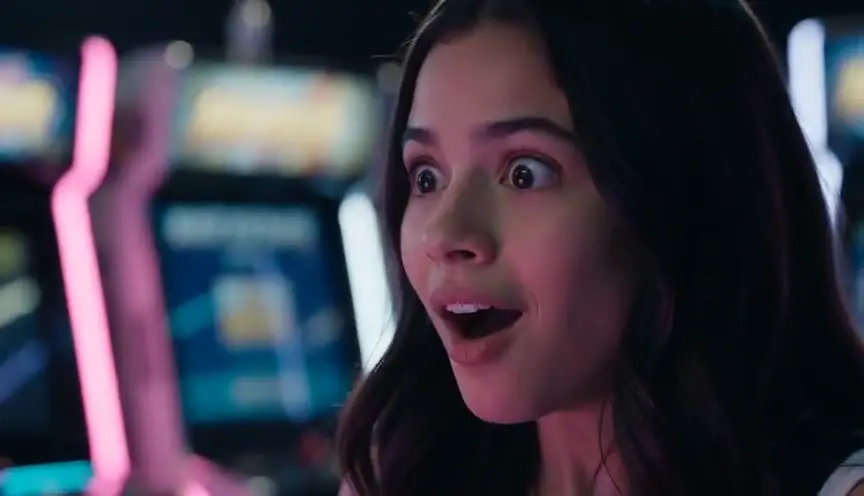
A reverse angle that holds on the listener becomes a reaction shot. Pairing them lets the editor choose between the speaker's delivery and the listener's response on every key line.
Reference
Watch it in
Heat (1995)
The diner meeting between the two rivals is built almost entirely from patient back-and-forth angles, and each man's stillness carries the tension.
The Silence of the Lambs (1991)
Clarice's sessions with Lecter cut between precise opposing angles, her framing fragile, his direct stare into the lens unsettling.
ScreenWeaver
Set it up in ScreenWeaver
Write the exchange with clear positions for each character, and ScreenWeaver breaks the scene down into shots automatically. For each reverse, open the shot, match the framing and lens to the shot it answers, set the angle to eye level from the opposite side, keep the movement static and set the duration to the line. The characters and the location carry across shots, so the room behind each face stays consistent. Check eyelines and cut points in the AI previsualization.
Start writing for freeThe prompt behind this clip
This is the exact prompt that rendered the clip at the top of the page. Keep the description of the camera and the light, change the subject and the place.
Reverse angle shot in a 1970s New York diner with red vinyl booths and a chrome counter. Shot one: 50mm lens at eye level behind a man in his 50s, wearing a diner cook's apron, looking across the booth at a woman in her 30s in a tan coat, warm tungsten light from a hanging lamp, static frame, she speaks and gestures once with her hand. Hard cut to shot two: same 50mm lens and eye level, now positioned behind the woman, looking back at the man, same warm tungsten light now lighting his face from the same direction, static frame, he leans back slightly. No text.
Common mistakes
- 01
Jumping the line
Placing the reverse camera on the far side of the axis makes both characters look in the same direction and confuses the audience. Keep both setups on one side of the 180-degree line.
- 02
Unequal coverage
A tight shot on one actor and a loose reverse on the other creates an imbalance the editor cannot fix. Match size and lens unless the difference is a deliberate choice.
- 03
Cutting on every line
Mechanical back-and-forth on each line flattens the scene. Hold on a listener, delay a reverse, let one face carry several lines, so the rhythm follows the drama.