Slow zoom inNarrowing the world to one person
A slow zoom in tightens the frame by changing focal length while the camera stays where it is, so the subject grows and the surroundings slip out of view. The audience feels watched, or feels themselves watching, as attention closes in without anyone moving.
Also calledPush zoomCreeping zoomSlow push
Camera movement
Why it works on screen
Reach for it when a character is alone with a thought and the scene should stop being about the room. The zoom does not travel through space like a dolly, so it carries a detached, observing quality: a lens studying someone from a distance. That makes it right for surveillance, private grief, a decision forming in silence, or the slow pressure of being judged. A scene earns it when the words are finished and the important thing is happening behind the eyes. Keep the move slow enough that the audience senses it before they see it.
The shot list line
- Size
- Wide shot to medium close-up
- Angle
- Eye level or slightly high
- Movement
- Zoom in, camera locked off
- Lens
- Long zoom such as 25-250mm, ending around 150mm
- Duration
- 8 to 20 s
Use a motorized zoom control or a very steady hand on the barrel, and start the move a beat after the action begins so the audience does not catch the first frame.
Screenplay
On the page
Leave the word "zoom" out of a spec script. It is a lens instruction, and readers skim past it. What you can write is the stillness that invites it: a character who stops talking, a room that falls quiet, an action line that holds on one face for longer than expected. That tells the director the moment wants to tighten. If you are directing, note the zoom in the shot list with its start and end focal lengths, not in the screenplay.
EXT. HARBOR PIER, KUSHIRO - DAWN
Snow on the pilings. Gulls argue over a crate of offal.
TAKESHI MORI (70s, rubber boots, reading glasses on a string) sits on an upturned bucket with a letter.
He reads it once. Folds it. Unfolds it and reads it again.
The gulls go on shouting. He does not hear them anymore.
His thumb moves across one line, back and forth, as if it might rub the words off.
Storyboard
In the storyboard
Draw the starting frame wide, with the character small and the surroundings busy. Inside it, draw a dashed rectangle that marks the final frame, centered on the face or hands. Add four short arrows from the outer corners toward the dashed box, and write ZOOM IN with the start and end focal lengths. Mark the tripod as fixed in a note. Add the duration and the line or beat where the zoom should finish.
Pairs well with
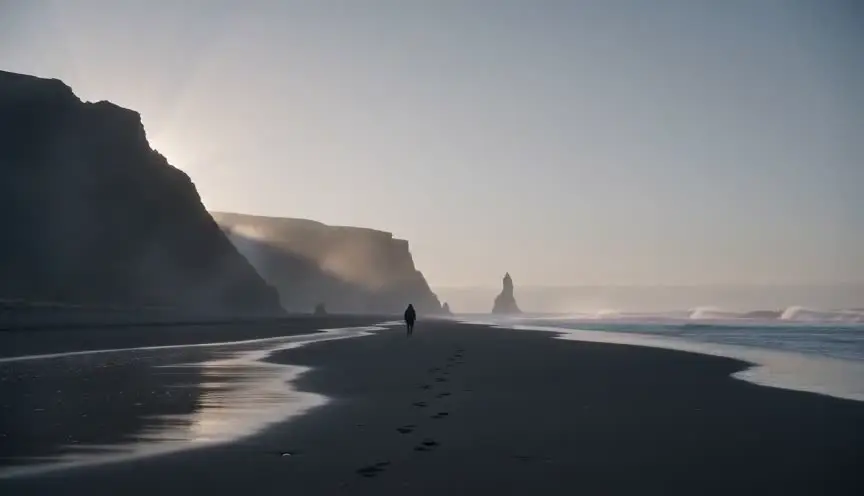
Open on the full geography first so the audience knows what surrounds the character. When the zoom then strips that world away, they feel what has been removed and why it matters.
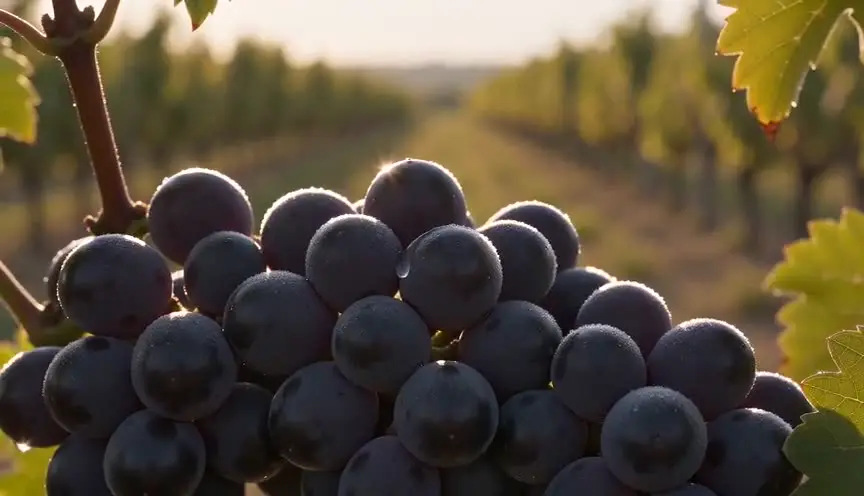
After the zoom lands on a face, cut to the object that face is locked on, a letter, a photograph, a screen. The insert answers the question the slow zoom has been asking.
Reference
Watch it in
The Conversation (1974)
The opening crawls from a high view of a crowded square down toward one talking couple, so the lens itself behaves like a piece of listening equipment.
The Godfather Part II (1974)
The film ends by creeping closer to Michael alone by the lake, closing the frame around him as the memory of family fades.
ScreenWeaver
Set it up in ScreenWeaver
Write the quiet beat as action in your screenplay, and ScreenWeaver breaks the scene down into shots automatically. Open the shot where the character goes still, set the framing to start wide at eye level, choose a slow zoom in as the movement and give it a long duration, ten seconds or more. The character and location carry over from the surrounding shots, so the face you close in on stays consistent. Watch the timing in the AI previsualization and trim until the move ends on the right beat.
Start writing for freeThe prompt behind this clip
This is the exact prompt that rendered the clip at the top of the page. Keep the description of the camera and the light, change the subject and the place.
Slow zoom in on an elderly street vendor stirring noodles in a wok at a crowded night market in Taipei, red paper lanterns and neon signs glowing behind him. The camera is locked on a tripod and does not move sideways or forward; only the lens focal length increases smoothly from a wide 24mm view to a tighter 70mm view across the full four seconds, with no jump or stutter in speed. Steam rises from the wok and drifts past the frame, background crowds and stalls slowly compress and blur as the shot tightens on the vendor's face and hands. No text.
Common mistakes
- 01
Zooming too fast
A slow zoom that visibly moves in the first second stops being slow and starts announcing itself. The audience should notice the frame has tightened, not watch it happen. Halve your first guess at speed.
- 02
Confusing it with a dolly in
A zoom flattens space and keeps perspective fixed, a dolly moves through it. If you want intimacy and physical approach, dolly. If you want observation and distance, zoom. Choose on purpose.
- 03
Ending on nothing
The final frame is the point of the shot. If the zoom ends on a shoulder or a blank wall, the audience feels cheated. Frame the destination first, then work backward to the wide start.