Bleach bypassColor drained, contrast sharpened
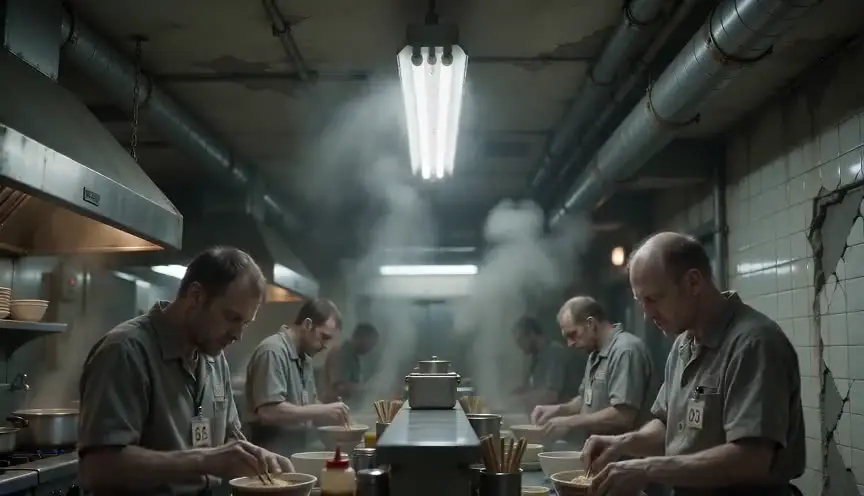
Bleach bypass comes from a film lab process that leaves silver in the image, laying a black and white layer over the color. The result has deep blacks, hard highlights, muted colors and a metallic sheen, and the audience feels harshness, fatigue and danger.
Also calledSkip bleachSilver retention processENR process
Color and film look
Why it works on screen
The look strips comfort from the image. Skin loses its warmth, blood looks dark instead of bright, skies turn to steel. It serves war, crime, disaster, survival, cold futures and stories where people are ground down by a system. It says: this world is hard, and nothing here will be softened for you. A film earns it when brutality or exhaustion is the texture of the story, not just a single scene. Used on a segment, such as a battle or a memory of trauma, it can mark a break from the rest of the film and tell the audience they have entered a harsher reality.
The shot list line
- Size
- Medium shot
- Angle
- Eye level
- Movement
- Handheld
- Lens
- 35mm
- Duration
- 3 to 6 s
Light with hard sources and let the blacks fall, keep wardrobe and sets in muted metals and earth tones, and protect highlights, since the process will push them further.
Screenplay
On the page
Never write "bleach bypass" in a spec script. The writer sets the world that justifies it: dust, grit, cold light, exhausted bodies, metal and concrete. Describe the environment and the physical state of the characters. That is what tells a director and a cinematographer the story wants a hard, drained image. The process, the percentage and whether it is done photochemically or digitally belong in the look book and the notes for the colorist.
EXT. COPPER MINE ENTRANCE - DAWN
Dust hangs in the air like a wall. Floodlights on trucks, a crowd behind a rope.
RESCUE CHIEF ESTEBAN ROJAS (50s, helmet lamp still on) comes out of the tunnel, face gray with rock powder.
The families go silent. A young woman, LUCIA (20s), holds a thermos she has not opened all night.
Esteban pulls off his glove. His hands are shaking.
ESTEBAN
We heard knocking.
Storyboard
In the storyboard
Draw the panel in strong black and gray with only a thin wash of cold color, such as steel blue or olive, on large surfaces. Keep skin pale and metallic, not warm. Make the shadows solid black and the highlights paper white. Mark the hard light source with an arrow. Under the panel, note the look name, the amount of silver retention or its digital equivalent, and the scenes where it applies.
Pairs well with
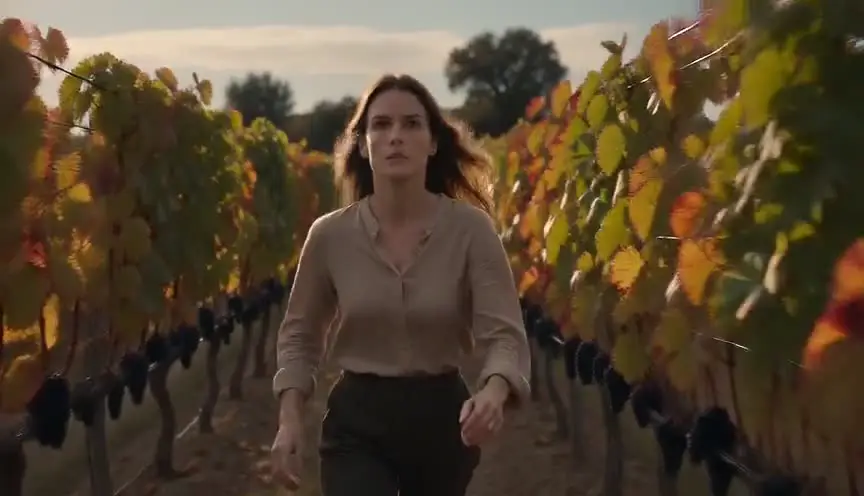
Handheld movement adds urgency and physical presence. With the harsh, drained image of the bypass, it gives battles and disasters the feel of footage captured by someone who was really there.
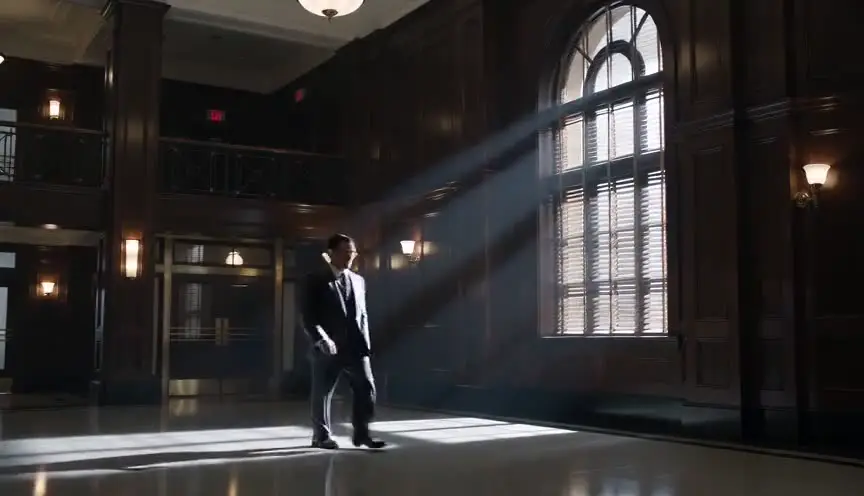
Hard sources carve deep shadows and bright edges, and the bypass pushes that contrast even further, turning faces and surfaces into rough, sculpted metal.
Reference
Watch it in
Saving Private Ryan (1998)
Janusz Kaminski used a partial bypass on the Omaha Beach landing, draining color and sharpening edges so the combat feels like harsh newsreel footage.
Minority Report (2002)
The future looks cold, bright and bleached, with skin tones stripped of warmth, which fits a society obsessed with watching and control.
Three Kings (1999)
David O. Russell pushed silver retention even harder, burning out the Gulf War desert into a scorched, overexposed image.
ScreenWeaver
Set it up in ScreenWeaver
Write the harsh environment into your action lines, dust, metal, cold light and exhausted bodies, and ScreenWeaver breaks the screenplay down into shots automatically. Open each shot of the sequence, set the framing, angle, movement and duration, and add a bleach bypass color note. Characters and locations carry from shot to shot, so the look stays consistent through the sequence, and the AI previsualization helps you judge how harsh the image should be.
Start writing for freeThe prompt behind this clip
This is the exact prompt that rendered the clip at the top of the page. Keep the description of the camera and the light, change the subject and the place.
Bleach bypass color grade on an Icelandic black sand beach at midday, a lone middle-aged woman in a dark raincoat walking toward crashing gray waves. Static locked-off wide shot, 35mm lens, overcast hard light. The image is high contrast with crushed, inky blacks, desaturated color pushed toward steel and silver, pale metallic skin tones, and coarse visible film grain. Nothing warms up, nothing softens, the surf keeps churning white against the black sand for the full four seconds. No text.
Common mistakes
- 01
Crushing the faces
Contrast this strong can swallow eyes into black. Light the eyes and check the monitor with the look applied, or key performances vanish.
- 02
Colorful sets and costumes
Bright colors fight the process and look odd once drained. Design the palette with the art department so it survives the bypass.
- 03
Using it as a filter
Laid on a gentle story, the grade feels like a borrowed style. It works when the harshness is the story, not an effect added at the end.