Walk and talkDialogue that never stands still
A walk and talk follows two or more characters as they move through a space while they argue, plan or confess. The audience absorbs a lot of information without feeling a scene has stopped to deliver it.
Also calledWalking dialogue shotMoving two-shotSorkin walk
Camera movement
Why it works on screen
Reach for it when the talk is dense and the clock is running. A chief of staff briefing a minister between meetings, two nurses handing over a shift, siblings arguing on the way to a funeral: the walking tells us these people have somewhere to be. It serves urgency, competence, rivalry and the texture of a working world. It also lets you pass through a place and show its inhabitants in the background. A scene earns it when the destination matters, so the conversation has a deadline, and when the characters want something from each other before the door at the end of the corridor.
The shot list line
- Size
- Medium two-shot
- Angle
- Eye level
- Movement
- Leading backward ahead of the actors on Steadicam or gimbal
- Lens
- 28mm to 35mm
- Duration
- 30 to 90 s
Mark every turn and door on the floor, rehearse the dialogue at walking pace, and time the route so the last line lands at the destination.
Screenplay
On the page
You can write a walk and talk without any camera language, because it is staging, not a lens choice. Put the characters in motion in the action lines, name where they start and where they are heading, and let the dialogue run. Mention one or two things they pass if those things matter. Avoid writing "the camera follows them". The director and the operator will decide on a Steadicam, a dolly or a handheld lead, and the shot list is where that decision lives.
INT. REGIONAL ASSEMBLY - BASEMENT CORRIDOR - DAY
ADAEZE NWOSU (38, heels in one hand, phone in the other) strides past filing cages. TOBI ADEYEMI (24) jogs to keep up, reading from a folder.
TOBI
The governor wants the bridge vote moved to Friday.
Adaeze does not slow down. She steps around a cleaner mopping the floor, pushes through a fire door.
ADAEZE
Then we have four hours to find six votes. Keep walking.
Storyboard
In the storyboard
Draw a floor plan first: a top view of the route with numbered marks where the actors turn, stop or pass something important. Add a dotted line for the camera path, ahead of them or beside them. Then draw three or four key panels along the route, each labeled with its mark number and the line of dialogue spoken there. Note the camera's distance to the actors and whether it leads, follows or tracks alongside.
Pairs well with
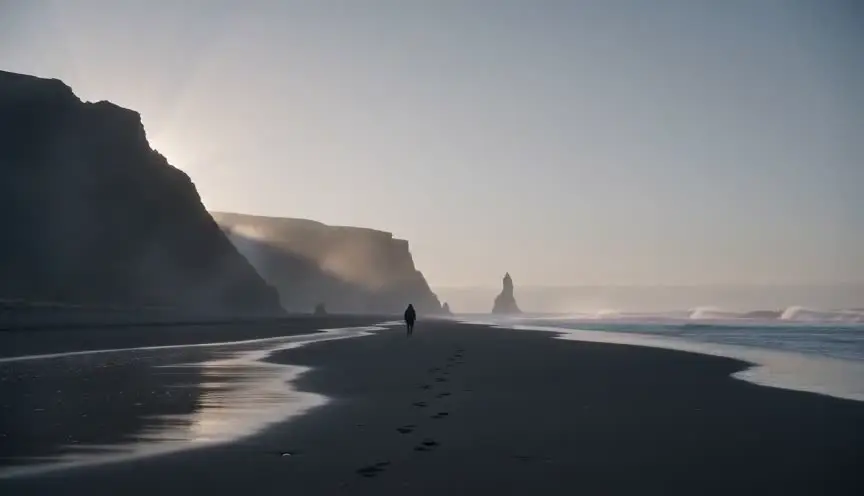
An establishing shot of the building or campus before the walk sets up the geography, so the audience understands the distance the characters are covering and why the route matters.
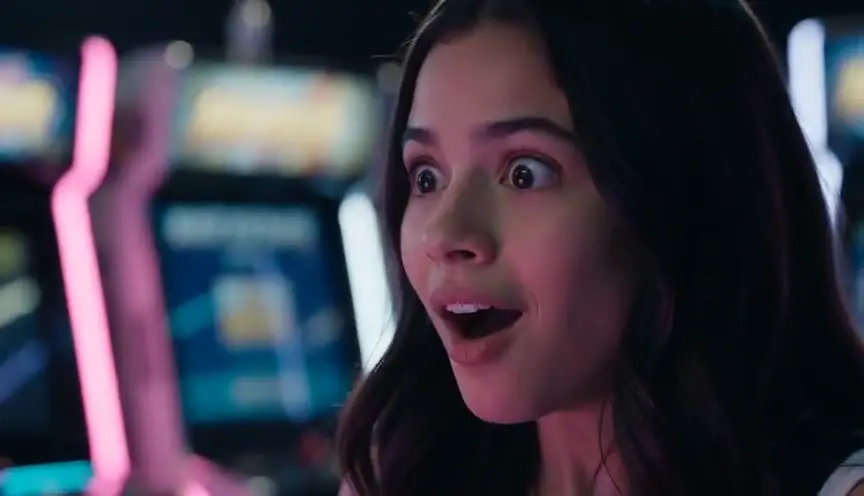
When the walk ends at a door or a desk, a reaction shot on the listener lets the final line land. The movement stops, and the stillness gives the news its weight.
Reference
Watch it in
Birdman (2014)
The camera trails performers through narrow backstage corridors while they argue, and the continuous walking hides the edits and keeps tension climbing.
The Social Network (2010)
Characters trade fast lines while crossing campus paths and office floors, so each scene moves forward in space as quickly as the talk does.
ScreenWeaver
Set it up in ScreenWeaver
Write the characters in motion in your action lines, with a clear start and destination, and ScreenWeaver breaks the scene down into shots automatically. Open the walking shot and set a medium two-shot at eye level, choose a tracking or leading movement, and give it a long duration that matches the dialogue. The characters and the location carry from shot to shot, so the corridor stays the same when you cut in for a close-up. Test the pace in the AI previsualization.
Start writing for freeThe prompt behind this clip
This is the exact prompt that rendered the clip at the top of the page. Keep the description of the camera and the light, change the subject and the place.
Walk and talk: a steadicam camera moves backward at a steady walking pace through a grand 1930s hotel lobby, staying centered on a well-dressed man and woman in mid-conversation, gesturing as they walk side by side across a checkered marble floor. The camera holds a consistent five-foot distance, framing both figures in a moving two-shot, while art deco chandeliers and bellhops drift softly out of focus in the background. The floor and architecture stay level and smooth, no shake, one continuous take. No text.
Common mistakes
- 01
Walking with nowhere to go
If the route has no destination, the movement feels like filler. Give the characters a place to reach and a reason to get there before the conversation ends, so the walk builds pressure.
- 02
Dialogue longer than the route
Actors end up slowing down or circling the same hallway. Walk the location with a stopwatch while reading the lines aloud, and trim the scene or extend the path until they match.
- 03
A dead background
An empty corridor wastes the one advantage of the shot. Fill the path with people working, doors opening and small obstacles, so the world feels busy and the characters must navigate it.